IT Band Syndrome Treatment in Oakville
Lateral knee pain fixed at the source: the hip, not the IT band.
Home > Conditions We Treat > IT Band Syndrome Treatment in Oakville
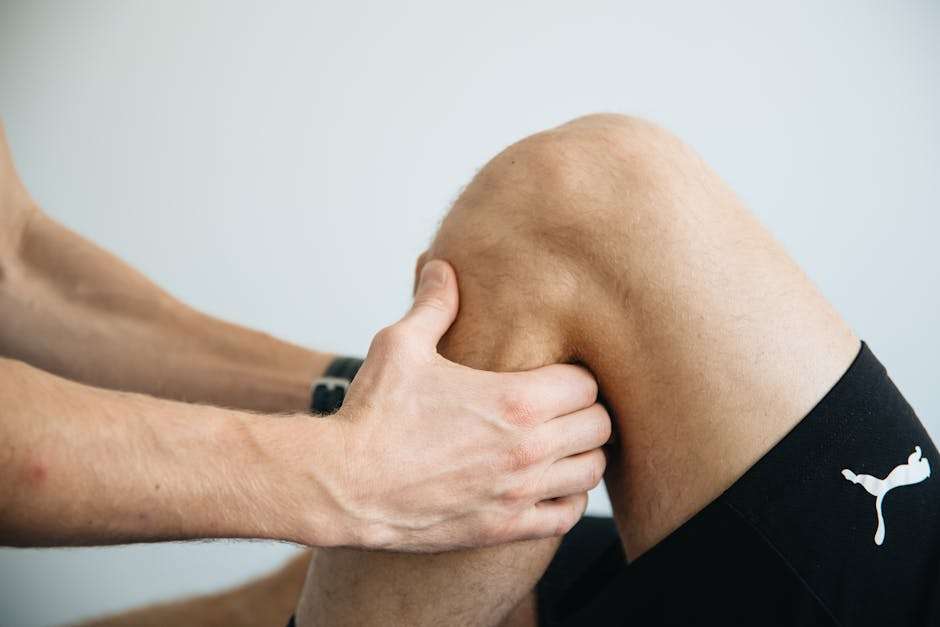
It starts as a mild tightness on the outside of the knee during a run. You push through it. Over the next few runs, it shows up earlier, gets sharper, and eventually forces you to stop. You try foam rolling the outside of the thigh. You stretch. You rest for a week, feel better, run again, and it comes right back. This is IT band syndrome, and the reason it keeps returning is that the most common advice for treating it (foam rolling the IT band, stretching the IT band, resting until it feels better) doesn’t address what’s actually causing the problem. IT band syndrome treatment in Oakville at Wellmax fixes the hip and glute drivers, not just the knee.
The iliotibial band is a thick strip of connective tissue running from the hip down the outside of the thigh to just below the knee. It’s not a muscle. You can’t strengthen it. You can’t meaningfully stretch it (research shows the IT band has the tensile strength of steel cable and doesn’t lengthen with stretching). And foam rolling directly on it just compresses an already irritated structure against bone. The IT band becomes painful because the structures that control it (primarily the gluteal muscles at the hip) aren’t doing their job properly. Fix the hip, and the IT band calms down.
At Wellmax Physiotherapy, we treat IT band syndrome by addressing the hip weakness and training load errors that cause it. This means progressive gluteal strengthening, load management for your running or cycling, manual therapy for the hip and knee, and a structured return-to-activity program that gets you back to your sport without the pain coming back. It is part of how we manage knee pain and running injuries across Oakville.
We’re at 1148 Winston Churchill Blvd, Unit B3, Oakville, just south of the QEW. Runners from the Waterfront Trail, Sixteen Mile Creek paths, and Bronte Creek trails are among our most frequent IT band patients. See our Running Injuries page for the full range of running conditions we treat.
Quick answer: IT band treatment that lasts targets the hip, not the band. Effective physiotherapy combines progressive glute and hip strengthening, a short period of reduced running load, hands-on treatment for the hip and thigh muscles, running form changes and, for stubborn cases, shockwave therapy. Most runners are back to full training in 6 to 10 weeks.
- What Actually Causes IT Band Syndrome
- What Are the Symptoms of IT Band Syndrome?
- How We Treat IT Band Syndrome at Wellmax
- IT Band Exercises You Can Start at Home
- IT Band Syndrome Recovery Timelines
- Why Oakville Runners Choose Wellmax for IT Band Treatment
- Related Conditions & Services
- Book Your IT Band Assessment
- Frequently Asked Questions
What Actually Causes IT Band Syndrome

It’s a Hip Problem, Not a Knee Problem
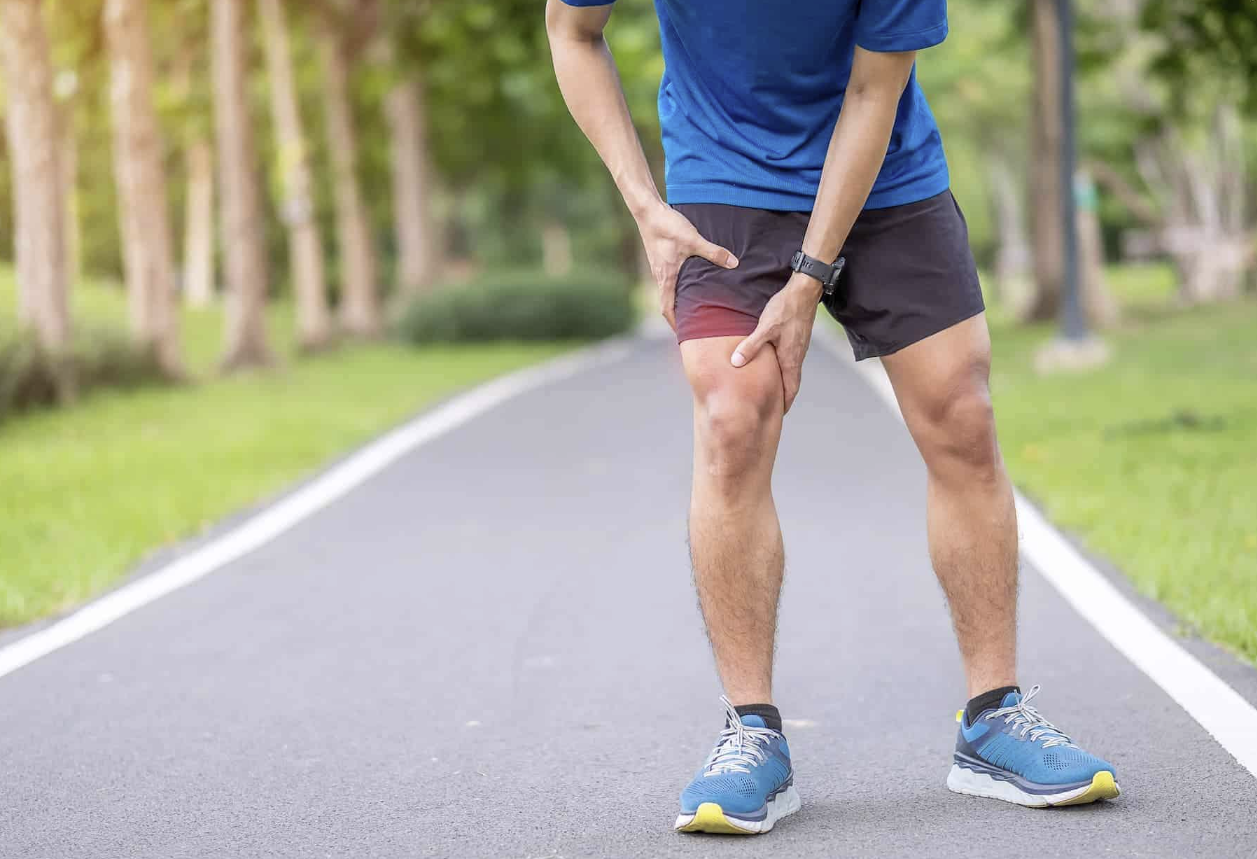
The pain is at the knee, but the cause is almost always at the hip. The IT band is controlled by two muscles: the gluteus maximus and the tensor fasciae latae (TFL). When the gluteus medius and maximus are weak or poorly activated during running, the TFL compensates by working overtime to stabilize the pelvis. This creates excessive tension through the IT band, and the point where the IT band crosses the lateral femoral condyle (the bony prominence on the outside of the knee) becomes compressed and irritated.
This is why rest alone doesn’t work. The pain goes away because the irritation settles, but the hip weakness that caused the excessive IT band loading is still there. The moment you resume running, the same faulty pattern returns and the pain comes back. Treatment has to address the hip strength deficit to produce lasting resolution.
Training Load Errors
IT band syndrome is almost always a load-related injury. The body’s tissues can handle a certain amount of running volume. When that volume increases too quickly (adding mileage, increasing speed, running more days per week, switching to hillier terrain), the IT band is loaded beyond its capacity to recover. The most common scenario: a runner increases their weekly distance by more than 10% per week, or jumps back to full volume after a break, and the IT band can’t keep up.
Understanding the training load history is essential. We review your recent running volume, the rate of increase, terrain changes, shoe changes, and any other factors that may have pushed the load past the tissue’s tolerance. Treatment includes modifying the training load to a level the IT band can handle while the strengthening program builds the hip’s capacity to support higher loads.
Biomechanical Contributors
Several biomechanical factors increase IT band loading during running: excessive hip adduction (the knee dropping inward with each stride), internal rotation of the femur, increased knee flexion angle at foot strike, overpronation of the foot, and running on cambered surfaces (where one foot is always lower than the other). These aren’t necessarily things you need to “fix” permanently, but they help explain why the IT band is being overloaded and guide the exercise program.
The Foam Rolling Myth
Foam rolling the IT band is one of the most commonly recommended treatments for ITBS, and one of the least helpful. The IT band itself is not a tissue that responds to rolling. It’s too strong to deform, and rolling directly on it just compresses the already irritated tissue against the lateral femoral condyle. What does help: foam rolling the gluteal muscles, the TFL, and the quadriceps. These muscles influence IT band tension and actually respond to soft tissue work. We show patients where to roll (and where not to) so the home management supports recovery rather than aggravating it. For the full research breakdown, read Does Foam Rolling Fix IT Band Syndrome?
What Are the Symptoms of IT Band Syndrome?
IT band syndrome has a recognisable pattern, which is why runners often suspect it before they are assessed. The classic signs are:
- Sharp or burning pain on the outside of the knee, usually about two finger-widths above the joint line, where the band crosses the bony bump of the femur.
- Pain that starts at the same point in every run (often the same kilometre), builds until you have to stop, then fades quickly once you walk.
- Pain going downhill or down stairs, because the knee spends longer in the 20 to 30 degree bend where the band is most compressed.
- A snapping or rubbing feeling over the outside of the knee as it bends and straightens.
- Tightness or aching up the outside of the thigh, sometimes reaching the hip, after longer runs or rides.
- Little or no swelling, and usually no pain at rest in the early stages.
Outer knee pain is not always the IT band. A lateral meniscus tear, patellofemoral pain, a hamstring tendon problem at the back of the knee and referred pain from the hip can all feel similar, and each needs different treatment. That is why the first visit is an assessment rather than a guess. If this pattern sounds familiar, book an assessment and we will diagnose it properly.
How We Treat IT Band Syndrome at Wellmax
Gluteal and Hip Strengthening
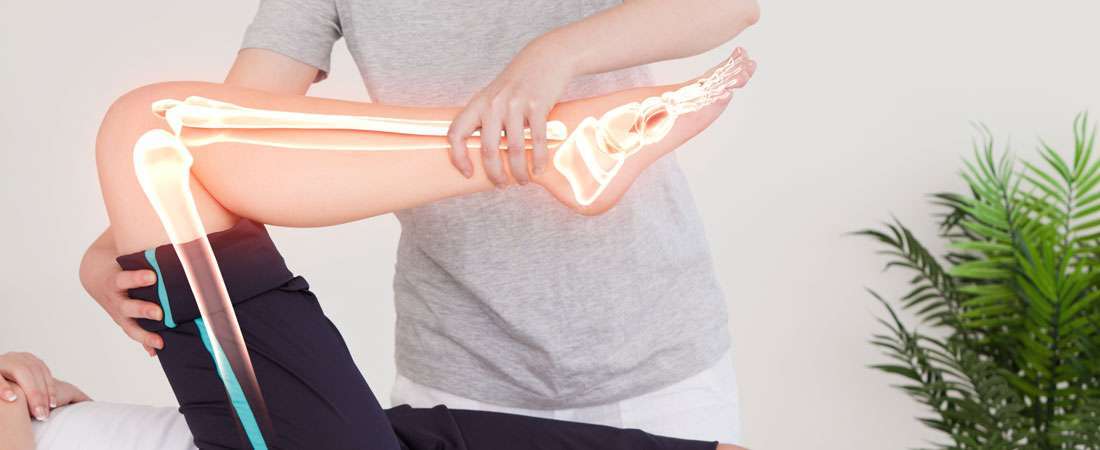
This is the foundation. Progressive strengthening of the gluteus medius, gluteus maximus, and hip external rotators addresses the primary driver of most IT band syndrome cases. The program starts with isolated hip exercises (side-lying abduction, clamshells, glute bridges) and progresses to single-leg loading, functional movements, and eventually running-specific exercises that replicate the demands the hip faces during the stride cycle. Research consistently shows that hip strengthening programs produce better outcomes for ITBS than stretching, foam rolling, or rest alone.
Training Load Management
We work with you to find the running volume (or cycling volume) that keeps symptoms below the irritation threshold while the strengthening program builds the hip’s capacity. This isn’t “stop running.” It’s usually reducing distance, slowing pace, avoiding hills temporarily, and then gradually rebuilding once the hip is stronger. Most runners can continue training at a modified level throughout treatment. A structured return-to-running program with specific distance and pace progressions prevents the cycle of “rest, feel better, run, flare up.” Our Running Injuries page covers our return-to-running approach in detail.
Manual Therapy
Hands-on treatment targets the structures that influence IT band tension and knee mechanics. Hip joint mobilization improves range of motion. Soft tissue release of the gluteal muscles, TFL, and quadriceps reduces the muscle tightness that increases IT band loading. Patellofemoral joint mobilization addresses any co-existing anterior knee pain. We also assess and treat the ankle and foot because restrictions in ankle and foot dorsiflexion change running mechanics and can increase IT band stress. Co-existing hip pain is addressed at the same time.
Shockwave Therapy for Chronic Cases
For IT band syndrome that has persisted for 3+ months and hasn’t responded adequately to strengthening alone, shockwave therapy can provide additional stimulus. Shockwave delivers acoustic energy to the irritated tissue, promoting healing and reducing pain. It’s combined with the ongoing strengthening program, not used as a standalone treatment. Most patients receive 3-6 shockwave sessions over 3-6 weeks.
Gait Assessment and Running Form
For runners with recurrent IT band syndrome, we assess running gait to identify modifiable factors. Increasing step rate (cadence) by 5-10% can reduce IT band strain by decreasing overstride and excessive hip adduction. Cueing to “run with wider steps” can reduce the crossover pattern that increases IT band compression at the knee. These are simple modifications that can significantly reduce IT band loading without major changes to running form.
IT Band Exercises You Can Start at Home
These four hip-focused exercises are a safe starting point while you wait for your assessment. They target the gluteus medius and maximus, the muscles that control the IT band, rather than the band itself. Do them every other day, keep any outer-knee discomfort below about 3 out of 10, and stop if pain increases during or after.
- Side-lying hip abduction. Lie on your side with the painful leg on top, bottom knee bent. Keep the top leg straight and slightly behind the line of your body, toes pointing forward, and lift it 30 to 40 centimetres, leading with the heel. Lower slowly. 3 sets of 12.
- Clamshell with a band. Lie on your side, knees bent to 90 degrees, feet together, a light resistance band just above the knees. Keep your feet touching and open the top knee like a clamshell without rolling your pelvis backward. 3 sets of 15.
- Single-leg glute bridge. Lie on your back, one foot flat, the other leg held straight. Push through the heel to lift your hips until your body is straight from knee to shoulder, squeeze for two seconds, then lower. 3 sets of 10 per side.
- Slow step-down. Stand on a low step on the painful leg. Lower the other heel toward the floor over three seconds while keeping the standing knee over the middle of the foot, not dropping inward. Return and repeat. 3 sets of 8. This one directly trains the control that fails during running.
Pair the exercises with the right soft-tissue work: foam roll the glutes, TFL and quadriceps, never the band itself. Our post Does Foam Rolling Fix IT Band Syndrome? explains what the research says about IT band foam rolling and how to use the roller properly.
When Home Exercises Are Not Enough
If outer knee pain still shows up at the same distance after three to four weeks of consistent hip work, if it has started to bother you on stairs or walking, or if it has come back more than once, book an assessment. At that point the missing piece is usually a hip strength test, a look at your running form, a training-load review and hands-on treatment, not a bigger exercise list. A free in-person consult is the easiest way to find out what your knee needs.
IT Band Syndrome Recovery Timelines
| Presentation | Recovery Timeline | Can You Keep Running? |
|---|---|---|
| Mild ITBS (pain only at end of long runs) | 4-6 weeks | Yes, with reduced distance and pace |
| Moderate ITBS (pain during most runs, limiting distance) | 6-10 weeks | Modified running, may need temporary switch to cycling |
| Chronic ITBS (pain with walking, stairs, daily activities) | 10-16 weeks | Running paused initially, gradual return as hip strength builds |
| Recurrent ITBS (multiple episodes, keeps coming back) | 8-14 weeks (addressing the underlying hip deficit) | Modified running with structured return-to-running program |
| IT band syndrome from cycling | 6-10 weeks | Bike fit assessment, modified riding volume |
Recovery depends on how long the symptoms have been present, the severity of hip weakness, and whether training load is managed properly during treatment. Starting physiotherapy early (within the first 2-4 weeks of symptoms) produces faster outcomes than waiting until the pain becomes chronic. Your physiotherapist provides a specific timeline and return-to-running plan at the first assessment.
Why Oakville Runners Choose Wellmax for IT Band Treatment
We Treat the Hip, Not Just the Knee
The pain is at the knee, but the problem is the hip. Generic IT band treatment (stretching, foam rolling, ice, rest) addresses symptoms at the knee without fixing the hip weakness that caused the problem. At Wellmax, the first visit includes a hip strength assessment, and the exercise program targets the specific gluteal deficits driving the IT band overload.
You Don’t Have to Stop Running
Complete rest from running is rarely necessary for IT band syndrome. We find the training load your body can currently handle (reduced distance, slower pace, flatter terrain) and keep you running while the strengthening program builds hip capacity. For runners training for a specific event, we factor in the race timeline and structure the rehabilitation accordingly.
We Know Oakville’s Running Community
Runners from the Waterfront Trail, Sixteen Mile Creek trails, Lions Valley Park, and Bronte Creek Provincial Park are among our most frequent patients. We understand the terrain, the training volumes, and the race schedules that the local running community follows. When a runner comes in with IT band pain 6 weeks before the Scotiabank Half Marathon or the Mississauga Marathon, we know the conversation that needs to happen. See our Running Injuries page for the full range of conditions we treat in runners.
Shockwave Available for Stubborn Cases
For chronic IT band syndrome that has been present for months and hasn’t fully responded to strengthening alone, shockwave therapy provides the additional stimulus the tissue needs. Combined with the ongoing hip strengthening program, it accelerates the resolution of chronic cases. Deep tissue laser is also available for managing acute flare-ups during the rehabilitation process.
We’re at 1148 Winston Churchill Blvd, Unit B3, Oakville. Just south of the QEW in the Winston Park plaza. Free parking, ground-level access, private treatment rooms. Patients come from Clarkson, Clearview, Sheridan Park, Maple Grove, River Oaks, and south Mississauga.
What Our Patients Say
Palkin K.“I have been seeing Gurmeet Rai for physiotherapy for the past few months following my surgery. When I started, I was dealing with significant pain and limitations, but her treatment and guidance truly changed my recovery journey. She is incredibly skilled, patient, and compassionate, and she always took the time to understand my condition and tailored the therapy accordingly. Because of her support, my pain reduced. I highly recommend to anyone looking for effective and genuine physiotherapy care.”
Verified Patient“Tore my meniscus playing soccer at Sixteen Mile Sports Complex and needed a physio who understood returning to sport, not just getting out of pain. Gurmeet built a rehab program that started with reducing the swelling and restoring range of motion and progressed all the way to cutting, pivoting, and sport-specific drills before she cleared me to play again. Most physios would have discharged me when the pain stopped. She made sure I was actually ready to compete. Back on the pitch now with full confidence in the knee.”
Joan B.“The team is wonderful and they did amazing job to fix my knee injury. I highly recommend them for any physio needs”
Sam S.“Dr. Gurmeet is absolutely amazing! I have been suffering from knee and hamstring pain for 10 months. I tried physical therapy before seeing her, but nothing worked. Incredible as it sounds, I felt a noticeable improvement after my very first session with Dr. Gurmeet. She understood exactly where the pain was coming from right after our first conversation. On top of her expertise, she is cheerful, patient, and truly wonderful in every way. I highly recommend anyone experiencing bodily pain to visit her immediately. I will definitely be completing the rest of my sessions with her. Thank you so much, Dr. Gurmeet! 🙏”
Fred & Gail G.“My wife underwent back surgery (Decompression, Fusion L4/L5) in September 2025 following an extensive search for a surgeon we met who put her on his wait list. Complications arose post surgery because of reported soft bones & the need for a rare treatment to strengthen them. Pain continued & after months meeting with several Specialists covering numerous areas, we met Gurmeet @ Wellmax Physiotherapy. From the day we met, she has been: Highly Professional, Knowledgeable, Focused, Good Listener, Encouraging, all with the goal to provide treatments to get my wife back to her healthy self that preceded her severe back challenges. We are very confident Gurmeet’s wealth of knowledge, skills, guidance & determination are working to get her there!”
Maria G.“My experience here with knee osteoarthritis was too good not to share, making it the best physiotherapy clinic in Oakville in my opinion. I was having a lot of difficulty climbing stairs and my knee felt very unstable. Gurmeet was so patient and encouraging. Instead of just telling me to rest, she explained how strengthening the muscles around my knee would reduce the joint pain. The manual therapy provided instant relief, and the exercise program she designed was very easy to follow at home. My knee feels much stronger now and the sharp pain is gone. The entire staff is wonderful.”
Keith T.“Gurmeet Rai, Owner and Registered Physiotherapist, at Wellmax Physiotherapy in Oakville, has been treating my wife Claudia for spinal curvature conditions, Scoliosis and Kyphosis. Gurmeet has also treated me for hip and side pain issues. Gurmeet Rai is a very caring, well trained and knowledgeable professional, and she carefully addresses all related health issues. Gurmeet also recommends personal exercises, which can be done at home to make sure that her patient is getting the maximum recovery in-between visits. We have the fullest confidence in Gurmeet’s capabilities and we are very happy to have her looking after us. We recommend her highly.”
Puja D.“I went to Gurmeet for knee tendinitis when I was struggling with climbing stairs and jogging. With her knowledge and techniques, she helped me recover and get back to feeling normal again. She is extremely helpful, friendly, and professional, and she never once made the sessions feel awkward. She explains things clearly and genuinely cares about your progress. I’m very grateful for her support and would highly recommend her.”
See all our Google reviewsRead more patient storiesLeave a review
Frequently Asked Questions
Does foam rolling the IT band actually help?+–
Not really. The IT band itself is too strong to deform from foam rolling. Rolling directly on it compresses the already irritated tissue against the bone and can actually increase pain. What does help is foam rolling the muscles that attach to and control the IT band: the gluteal muscles, the TFL (tensor fasciae latae), and the quadriceps. We show patients exactly where to roll and where to avoid so home management supports recovery.
Can I keep running with IT band syndrome?+–
In most cases, yes, with modifications. Reducing distance, slowing pace, avoiding downhill running, and running on flat terrain can keep pain below the manageable threshold while the strengthening program builds hip capacity. If every run produces pain above 4 out of 10, the volume needs to come down further or a temporary switch to cycling may be needed. Complete rest from running is rarely necessary and can actually slow recovery by deconditioning the tissues.
Why does my IT band pain keep coming back?+–
Because the underlying cause hasn’t been addressed. The most common driver of IT band syndrome is hip weakness, specifically the gluteus medius and maximus. Rest reduces the IT band irritation, but the hip weakness remains. When you resume running at the same volume, the same faulty loading pattern returns and the IT band flares up again. A targeted hip strengthening program that builds gluteal capacity to support your training volume is the key to breaking the cycle.
Is IT band syndrome the same as runner's knee?+–
No. Runner’s knee (patellofemoral pain syndrome) causes pain at the front of the knee, behind or around the kneecap. IT band syndrome causes pain on the outside of the knee. They can co-exist, and both are related to hip weakness, but they are different conditions affecting different structures. The treatment programs overlap (both involve hip strengthening) but have different specific exercises and progressions.
How long does IT band syndrome take to heal?+–
Mild cases caught early (pain only at the end of long runs) typically resolve in 4-6 weeks with proper treatment. Moderate cases take 6-10 weeks. Chronic cases that have been present for months may take 10-16 weeks. The biggest factor in recovery speed is how early treatment starts and whether the hip strengthening program is followed consistently. Starting physiotherapy within the first few weeks of symptoms produces much faster outcomes than waiting months.
Should I stretch my IT band?+–
The IT band itself cannot be meaningfully stretched. Research shows it has the tensile strength of steel cable and does not lengthen with conventional stretching. What you can stretch (and should): the hip flexors, the quadriceps, and the gluteal muscles. These muscles influence IT band tension and pelvic alignment, and improving their flexibility can reduce IT band loading. But stretching alone won’t fix IT band syndrome. The hip needs to be strengthened.
Can cycling cause IT band syndrome?+–
Yes. While IT band syndrome is most common in runners, cyclists also develop it. The repetitive knee flexion and extension of cycling can irritate the IT band, particularly with improper bike fit (saddle too high, saddle too low, cleats misaligned). Treatment follows the same principles: hip strengthening, load management, and addressing the bike setup. A proper bike fit assessment can identify and correct the mechanical factors contributing to the problem.
Is IT band syndrome physiotherapy covered by insurance?+–
Yes. Treatment at Wellmax is billed as physiotherapy and covered by most extended health plans. We direct bill to Sun Life, Manulife, Canada Life, Green Shield, Great-West Life, Blue Cross, Desjardins, and most other major providers. No referral needed. See our insurance page for details.
Where exactly does IT band syndrome hurt?+–
IT band syndrome causes a sharp or burning pain on the outside of the knee, right where the iliotibial band crosses the lateral femoral condyle (the bony prominence on the outer knee). The pain is usually pinpoint rather than spread across the whole knee, and it often shows up at a predictable point in a run, then eases with rest only to return when you start running again. Some runners also feel tightness or a snapping sensation on the outside of the knee with bending and straightening.
When should I see a physiotherapist for IT band syndrome?+–
Get assessed as soon as the outer knee pain starts changing your runs, showing up earlier, getting sharper, or forcing you to stop. The sooner the hip weakness and training-load errors are addressed, the faster the recovery. You do not need a referral. Wellmax offers a free consult so a physiotherapist can test the hip, review your training load, and build a plan before the problem becomes chronic. Booking early consistently produces much faster outcomes than waiting months.
What role does hip weakness play in IT band syndrome?+–
Weakness in the hip abductors and gluteal muscles is one of the most consistent findings in people with IT band syndrome. When these muscles cannot control the leg during landing or running, the knee drops inward and the IT band is pulled tighter across the outside of the knee with each stride. Strengthening the hips is therefore a cornerstone of treatment, not just stretching the band itself. A physiotherapist will assess your hip strength and design a targeted program.
Will changing my running shoes or getting orthotics help IT band syndrome?+–
Footwear and foot mechanics can contribute to IT band syndrome, particularly in runners with flat feet, leg-length differences, or excessive pronation. Supportive footwear and in some cases custom orthotics can improve alignment and reduce lateral knee stress. However, orthotics alone will not resolve the issue if hip weakness or running technique is the primary driver. A gait analysis and biomechanical assessment will identify whether footwear changes are likely to help in your specific case.
Does gait retraining help IT band syndrome?+–
Yes. Running gait changes, such as shortening your stride, increasing your step rate, and reducing knee drop on landing, can significantly reduce load on the IT band. Research supports gait retraining as an effective component of treatment for runners. A physiotherapist experienced in running injury can analyse your gait, identify the contributing factors, and guide specific cues to change your movement pattern alongside the strengthening program.
What is the fastest way to treat IT band syndrome?+–
The fastest route is a short period of reduced running load (not complete rest) combined with progressive hip and glute strengthening, hands-on treatment of the TFL, glutes and quadriceps, and running form changes such as a slightly quicker step rate. Mild cases settle in 4 to 6 weeks on this plan. Shockwave therapy can speed up stubborn, long-standing cases. Foam rolling the band itself and stretching the band do not shorten recovery.
What are the first signs of IT band syndrome?+–
The earliest sign is usually a mild tightness or ache on the outside of the knee that appears late in a run, disappears with walking, and returns a little earlier on each run that follows. Many runners also notice it going downhill or down stairs first. Catching it at this stage, when a few weeks of hip strengthening and load adjustment are usually enough, is far easier than treating it once it hurts on every run.
Do I need an X-ray or MRI for IT band pain?+–
Usually not. IT band syndrome is diagnosed in the clinic from your history, where the pain sits, and hands-on tests such as palpation over the lateral femoral condyle and the Ober and Noble tests, along with hip strength and running form assessment. Imaging is reserved for cases where the picture does not fit, such as locking, swelling, a specific injury or pain that does not respond to treatment, where a meniscus or other knee problem needs ruling out.
Related Conditions & Services
Running Injuries: Complete running injury assessment, return-to-running programs, and load management.
Knee Pain: Patellofemoral pain, meniscus injuries, and other knee conditions that co-exist with ITBS.
Meniscus Injury: Cartilage tears and other knee conditions that can present alongside lateral knee pain.
Hip Pain: Gluteal tendinopathy, hip impingement, and hip conditions contributing to IT band overload.
Bursitis: Greater trochanteric pain syndrome and lateral hip bursitis related to IT band dysfunction.
Plantar Fasciitis: Foot and ankle conditions that alter running biomechanics and increase IT band loading.
Shockwave Therapy: Evidence-based treatment for chronic IT band syndrome.
Deep Tissue Laser Therapy: Acute pain management during IT band rehabilitation.
Sports Physiotherapy: Return-to-sport programs for runners and cyclists with IT band syndrome.
Achilles Tendinopathy: Another common running injury treated with progressive loading principles.
Sports Injury Rehabilitation: Activity-related overload injuries in runners, cyclists, and active patients.
Ankle & Foot Pain: Foot and ankle restrictions that change running mechanics and increase IT band loading.
Book Your IT Band Assessment
If the outside of the knee hurts during runs, if you’ve been foam rolling for weeks without improvement, if the IT band pain keeps coming back every time you increase your mileage, or if you have a race coming up and need to get this resolved, get it assessed. Your physiotherapist will test the hip, assess the biomechanics, review the training load, and build a plan that fixes the source so the IT band doesn’t keep flaring up.
Wellmax Physiotherapy
1148 Winston Churchill Blvd, Unit B3, Oakville, ON L6J 0A3
Phone: (905) 829-1100
Email: info@wellmaxphysiotherapy.ca
Proudly Serving Our Local Communities:
- East Oakville: Winston Park, Clearview, and the QEW/403 Corridor.
- South Oakville: Eastlake, Maple Grove, Lorne Park, and Old Oakville.
- North Oakville: Joshua Creek, Falgarwood, Iroquois Ridge, and Upper Middle Road.
- Mississauga Border: Clarkson, Sheridan Park, Sheridan Homelands, and Southdown.
Insurance: Direct billing to most major providers. WSIB and MVA claims accepted. No referral needed. See our insurance and direct billing page for details.
Hours: Monday to Friday: 9am – 7pm | Saturday: 9am – 2pm | Sunday: 9am – 2pm (by appointment only)
Registered & Regulated
Regulated & Recognized Across Every Discipline
Wellmax is in good standing with the regulatory colleges and leading associations for physiotherapy, chiropractic, massage therapy, and naturopathic medicine in Ontario.