Motor Vehicle Accident Physiotherapy in Oakville
Whiplash, neck and back pain, concussion and MVA injury rehabilitation covered by auto insurance, no out-of-pocket cost.
Home > Our Services > Motor Vehicle Accident Physiotherapy in Oakville
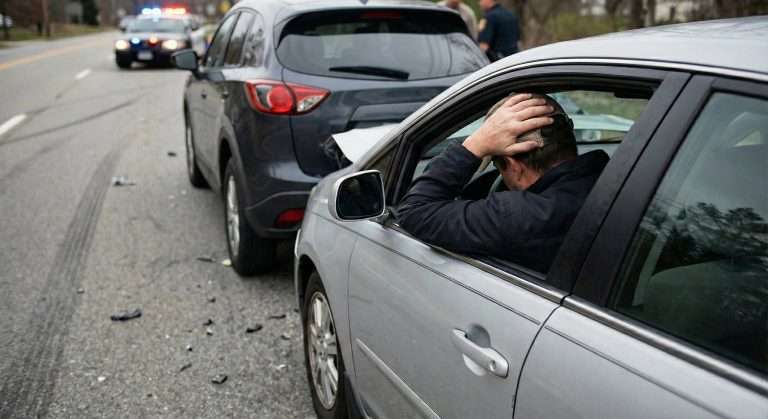
If you have been in a car accident, motor vehicle accident physiotherapy in Oakville is covered by your Ontario auto insurance, no out-of-pocket cost, no doctor’s referral needed, and no waiting. At Wellmax Physiotherapy, we treat the full range of injuries from motor vehicle accidents: whiplash, neck pain and headaches, concussion, TMJ and jaw pain, dizziness, shoulder injuries, and the radiating arm or leg symptoms that often accompany spinal injuries from collision forces.
The accident happened two days ago. Maybe it was a rear-end collision on the QEW during the morning commute. Maybe someone ran a red at Trafalgar and Dundas. Maybe it was a fender bender in a parking lot that didn’t seem like a big deal at the time. But now the neck is stiff. Turning your head to check the blind spot is painful. The headaches started yesterday. And you’re not sure whether to go to your doctor, a walk-in clinic, a chiropractor, or a physiotherapist, or whether your insurance even covers any of it.
Here’s what you need to know right now: physiotherapy after a motor vehicle accident is covered under your Ontario auto insurance. It doesn’t matter who was at fault. It doesn’t matter whether you have extended health benefits through work. Every Ontario driver is covered under the Statutory Accident Benefits Schedule (SABS) for rehabilitation services, including physiotherapy, after a motor vehicle accident. There is no out-of-pocket cost to you for approved treatment.
And you don’t need to wait for a doctor’s referral to start. In Ontario, physiotherapy is a direct-access profession. You can book your first assessment immediately after the accident. Early treatment is strongly associated with better outcomes, particularly for whiplash, where research consistently shows that people who begin active rehabilitation within the first 2-4 weeks recover faster than those who wait.
At Wellmax Physiotherapy, we treat the full range of injuries that result from motor vehicle accidents: whiplash, neck and back pain, headaches, concussion, TMJ and jaw pain, dizziness, shoulder injuries, and the radiating arm or leg symptoms that often accompany spinal injuries from collision forces. Most MVA patients have injuries in multiple body regions, and we assess and treat all of them in a coordinated plan rather than addressing one area at a time.
We also handle all the insurance paperwork, the OCF forms, treatment plans, progress reports, and insurer correspondence. You focus on recovering. We handle the administrative side.
We’re at 1148 Winston Churchill Blvd, Unit B3, Oakville, just south of the QEW. If the accident happened anywhere along the QEW corridor, the 403, or the local Oakville and south Mississauga road network, we’re minutes away. Clarkson, Clearview, Sheridan Park, Maple Grove, Park Royal, Lorne Park, and Southdown are all within a short drive.
- Common Injuries After a Motor Vehicle Accident
- How We Treat Motor Vehicle Accident Injuries at Wellmax
- Understanding Your MVA Insurance Coverage in Ontario
- Your MVA Recovery Timeline
- What Results to Expect After MVA Physiotherapy
- Why MVA Patients in Oakville Choose Wellmax
- Related Services and Conditions
- Start Your MVA Recovery Today
- Frequently Asked Questions
Common Injuries After a Motor Vehicle Accident
Whiplash
Whiplash is the most common injury from motor vehicle accidents, affecting up to 83% of people involved in collisions according to research published in the European Spine Journal. The rapid acceleration-deceleration forces during impact cause the head to whip forward and backward (or sideways), straining the muscles, ligaments, facet joints, and discs of the cervical spine. Symptoms typically include neck pain and stiffness, headaches (often starting at the base of the skull), reduced ability to turn the head, and pain that may radiate into the shoulders or between the shoulder blades.
What many people don’t realize about whiplash is that symptoms often don’t peak until 24-72 hours after the collision. The adrenaline and stress response after an accident can mask pain for the first day or two. Then the neck stiffness sets in, the headaches start, and the pain gradually worsens before it starts to improve. This delayed onset is normal, it doesn’t mean the injury isn’t real or that it’s getting worse. It means the inflammatory response is progressing through its natural course.
The outdated approach to whiplash was a cervical collar and rest. Current evidence strongly favours early active treatment, gentle movement, manual therapy, and progressive exercise, over immobilization. A collar and bed rest actually slow recovery by promoting stiffness, muscle deconditioning, and fear of movement.
Whiplash Associated Disorders (WAD)
Whiplash is the most common MVA injury, occurring when the head is snapped forward and back. We classify and treat all grades:
- Grade I: Neck pain and tenderness but no physical signs of limited motion.
- Grade II: Neck pain coupled with musculoskeletal signs like decreased range of motion and point tenderness.
- Grade III: Neck pain with neurological signs (numbness, tingling, or weakness in the arms).
Concussion
Concussion occurs when the brain is shaken inside the skull by the collision forces. You don’t need to hit your head on anything, the rapid deceleration alone can cause a concussion. Symptoms include headache, dizziness, difficulty concentrating, memory problems, sensitivity to light and noise, fatigue, and mood changes. Concussion symptoms can take hours or days to fully develop after the accident.
Post-concussion rehabilitation addresses the cervical spine (neck injuries almost always accompany concussion in MVAs), the vestibular system (dizziness and balance), the oculomotor system (visual processing and eye movement), and the graded return to cognitive and physical activity.
TMJ and Jaw Pain
The forces of a motor vehicle accident can displace the TMJ disc, strain the jaw muscles, and trigger clenching patterns that develop into persistent jaw pain, clicking, locking, and headaches. Many people develop TMJ symptoms weeks or months after the collision and don’t connect them to the accident. If jaw symptoms appeared after an MVA, they’re part of the accident injury and covered under auto insurance.
Back Pain and Disc Injuries
The compressive and shearing forces during a collision can strain lumbar and thoracic muscles, irritate facet joints, and aggravate or herniate intervertebral discs. Lower back pain after an MVA can range from muscular soreness that resolves in weeks to disc herniations that cause radiating leg pain (sciatica). Thoracic spine pain (mid-back) from seatbelt loading is also common and often overlooked.
Shoulder Injuries
Seatbelt loading during a collision applies significant force across the shoulder and chest. This can cause rotator cuff strains, shoulder impingement, AC joint sprains, and in more severe impacts, labral injuries. Patients often describe a diagonal band of bruising across the chest and shoulder from the seatbelt, the soft tissue injury underneath follows the same pattern.
Dizziness and Vestibular Symptoms
Dizziness after a car accident can come from multiple sources: concussion affecting the brain’s vestibular processing, whiplash disrupting the cervical spine’s proprioceptive input to the balance system, or direct trauma to the inner ear structures. Differentiating the cause is essential because the treatment is different for each.
Radiating Arm or Leg Symptoms
Numbness, tingling, or pain radiating into the arms (from cervical spine injuries) or legs (from lumbar spine injuries) after a collision indicates nerve involvement. This can result from disc herniations, foraminal narrowing, or nerve root inflammation caused by the collision forces. These symptoms need to be assessed and monitored carefully as part of the MVA rehabilitation program.
How We Treat Motor Vehicle Accident Injuries at Wellmax
Comprehensive Multi-Region Assessment
MVA injuries rarely affect just one body part. The collision forces transmit through the entire body, and the seatbelt, headrest, steering wheel, and vehicle structure all create different loading patterns. Our initial assessment covers every region that could be affected: cervical spine (neck), thoracic spine (mid-back), lumbar spine (lower back), shoulders, TMJ, vestibular system, and neurological screening for concussion and nerve involvement. Treating only the area that hurts the most while ignoring contributing regions is why some MVA patients plateau in their recovery.
Hands-On Manual Therapy
Manual therapy is the foundation of MVA rehabilitation at Wellmax. Cervical spine mobilization to restore neck movement and reduce stiffness. Thoracic spine mobilization to address the mid-back restriction that almost always accompanies whiplash. Soft tissue release for the muscle guarding and spasm that develops after impact. TMJ mobilization and intra-oral release when the jaw is involved. Every treatment session includes direct hands-on intervention, not just exercises and a heat pack.
Progressive Exercise and Strengthening
Early gentle movement progresses to active strengthening as the tissues heal. Deep neck flexor strengthening (the stabilizing muscles of the cervical spine that are inhibited after whiplash), scapular stabilization, core strengthening, and functional movement retraining. The exercise program is designed to restore the strength and endurance needed for daily activities, work demands, and, for active patients, return to sport and fitness.
Concussion and Vestibular Rehabilitation
When concussion or dizziness is part of the MVA injury profile, specific vestibular and concussion rehabilitation is integrated into the treatment plan. This includes gaze stabilization exercises, balance retraining, graded aerobic exercise below symptom threshold, cervicogenic dizziness treatment, and structured return to cognitive and physical activity.
Modalities When Indicated
Deep tissue laser therapy for acute inflammation and swelling reduction in the early post-accident phase. Shockwave therapy for chronic tendinopathies that develop secondary to compensatory movement patterns after MVA. These are used as part of the integrated treatment plan, not as standalone interventions.
Ergonomic and Return-to-Work Support
Many MVA patients need to return to work while still recovering. Whether it’s a desk job in the Winston Park Drive office district, shift work at Ford Oakville Assembly, retail work along Royal Windsor or Southdown, or a physically demanding role in manufacturing or healthcare, we provide specific guidance on workstation modifications, activity pacing, and graduated return-to-work strategies. If the insurer requires functional capacity information or work-readiness documentation, we provide it.
Understanding Your MVA Insurance Coverage in Ontario
What SABS Covers
The Statutory Accident Benefits Schedule (SABS) is Ontario’s no-fault auto insurance system. Regardless of who caused the accident, every person involved in a motor vehicle accident in Ontario is entitled to accident benefits through their own auto insurance policy. These benefits include medical and rehabilitation expenses, which covers physiotherapy, massage therapy, and other approved treatments.
For most MVA injuries (classified as minor injuries under the Minor Injury Guideline), the treatment framework provides coverage for physiotherapy and other rehabilitation services. For more serious injuries that exceed the minor injury classification, additional coverage is available through the insurer’s approval process.
No Out-of-Pocket Cost
You do not pay for MVA physiotherapy out of pocket. Treatment is billed directly to your auto insurance company. This is separate from your extended health benefits through work, your workplace insurance is not affected. You don’t need to use your private physiotherapy coverage for an MVA injury.
No Doctor’s Referral Needed to Start
You can begin physiotherapy immediately after a motor vehicle accident without waiting for a doctor’s referral. Early treatment, within the first 1-2 weeks after the accident, is associated with better outcomes for whiplash and most MVA-related injuries. Waiting weeks for a doctor’s appointment before starting physiotherapy delays recovery unnecessarily.
We Handle the Paperwork
MVA insurance involves specific forms and documentation: the OCF-18 (Treatment and Assessment Plan), progress reports, and ongoing communication with the insurance adjuster. We prepare and submit all required documentation on your behalf. If the insurer requests additional information, clinical justification, or a treatment extension, we handle that communication directly. The administrative burden of an MVA claim should not fall on the patient while they’re trying to recover.
What You Need to Bring to Your First Visit
Your auto insurance policy information (insurance company name and policy number), the date of the accident, a police report number if one was filed, and any medical documentation you’ve already received (emergency room records, diagnostic imaging reports). If you don’t have all of this immediately, that’s fine, we can start treatment and gather the documentation as it becomes available.
Your MVA Recovery Timeline
Phase 1: Acute Management (Weeks 1-4)
What we’re doing:
- Comprehensive assessment of all affected regions
- Manual therapy to reduce muscle guarding and restore mobility
- Pain management strategies
- Early gentle movement and activation exercises
- Concussion and vestibular assessment if indicated
- OCF documentation and insurance submission
What you’ll notice: Gradual reduction in acute pain and stiffness. Improved ability to turn the head, sit comfortably, and perform basic daily tasks. Sleep typically improves as acute pain settles.
Your homework:
- Gentle range of motion exercises multiple times daily
- Ice or heat as recommended
- Activity modification, staying active within pain tolerance, avoiding complete rest
Phase 2: Rehabilitation and Strengthening (Weeks 4-12)
What we’re doing:
- Progressive strengthening of the neck, shoulder, back, and core
- Continued manual therapy
- Functional movement retraining
- Vestibular and concussion rehabilitation if applicable
- Return-to-work planning and ergonomic recommendations
What you’ll notice: Significant improvement in function. Able to drive comfortably, work without significant limitation, return to many daily activities. Headaches decrease in frequency and intensity.
Your homework:
- Strengthening exercises 3-4 times per week
- Graduated return to normal activities
- Workstation modifications if applicable
Phase 3: Full Recovery and Discharge (Weeks 12-24+)
What we’re doing:
- Advanced strengthening and conditioning
- Sport or activity-specific rehabilitation if applicable
- Final functional testing
- Long-term self-management plan
- Discharge documentation and final reporting to insurer
What you’ll notice: Return to full function, work, driving, exercise, sport, daily life without limitation. Confidence in the neck and body restored. Knowledge of how to self-manage any residual sensitivity.
Your homework:
- Maintenance exercise program to sustain gains
- Ongoing self-management strategies
Important note: Some MVA injuries, particularly those involving disc herniations, chronic whiplash-associated disorder (WAD Grade III-IV), and post-concussion syndrome, require longer rehabilitation timelines. These are assessed and managed individually, with treatment extended as clinically indicated and supported through the insurance process.
What Results to Expect After MVA Physiotherapy
Individual recovery depends on collision severity, number of body regions affected, pre-existing conditions, and how quickly treatment begins after the accident. Starting physiotherapy within the first 1-2 weeks produces the best outcomes. Your physiotherapist provides a specific assessment and timeline at your first visit.
Why MVA Patients in Oakville Choose Wellmax
We Treat All MVA Injuries in One Place
Whiplash, concussion, TMJ, dizziness, back pain, shoulder injuries, most MVA patients have multiple injuries across multiple body regions. At Wellmax, everything is assessed and treated within one coordinated plan. You don’t need separate referrals to different specialists for each body part. The neck, the jaw, the vestibular system, and the back are treated together by a team that understands how they interact.
We Handle All Insurance Paperwork
OCF forms, treatment plans, progress reports, insurer communication, treatment extension requests, we prepare and submit all of it. If the adjuster has questions or requires additional documentation, we handle that directly. Navigating the auto insurance process while injured and in pain is stressful enough. The administrative burden shouldn’t add to it.
Wellmax Physiotherapy is a Licensed Service Provider with the Financial Services Regulatory Authority of Ontario (FSRA). This allows us to submit plans directly through the HCAI system.
We Manage the “Alphabet Soup” of Forms
- OCF-1 (Application for Accident Benefits): We guide you on how to start your claim.
- OCF-18 (Treatment & Assessment Plan): For injuries that fall outside the standard guidelines, we write detailed medical justifications to get your funding approved.
- OCF-23 (Treatment Confirmation Form): For minor injuries, we submit this to fast-track your immediate care under the Minor Injury Guideline (MIG).
- Section 44 Independent Exams: If your insurance company challenges your claim, we provide the objective medical documentation needed to support your case.
No Out-of-Pocket Cost
MVA physiotherapy is billed directly to your auto insurer under SABS. You don’t pay and wait for reimbursement. There is no co-pay. Your workplace extended health benefits are not affected. Treatment begins immediately with no financial barrier.
Expert Care, Every Visit
MVA rehabilitation often spans weeks to months, involving multiple body regions and a complex recovery trajectory. Your therapist needs to know how the neck responded to last week’s treatment, whether the headaches are changing, how the jaw is tracking, and whether the dizziness is improving. That is why every visit includes a reassessment and honest guidance on where you stand.
Convenient Location for Commuters
Our clinic at 1148 Winston Churchill Blvd sits just south of the QEW and minutes from Highway 403, the two corridors where many local collisions occur. Whether you’re commuting from Clarkson GO Station, driving to work at the Ford Oakville Assembly Plant, heading to the Winston Park office district, or navigating the Southdown and Royal Windsor retail corridor, we’re centrally located and easy to access. Ground-level entry, free parking at the door.
Early Appointments Available
The sooner treatment starts after an MVA, the better the outcomes. We offer same-day and next-day appointments for MVA patients because early intervention matters. Call (905) 829-1100 and let us know it’s an MVA, we’ll get you in quickly.
What Our Patients Say
Amanda L.“I was searching for the best physiotherapy clinic in Oakville after a car accident, and this clinic exceeded my expectations. Dealing with whiplash and neck stiffness was overwhelming, and the insurance paperwork was stressing me out. The team at Wellmax made the entire process so smooth. They helped manage the MVA billing directly and focused entirely on my recovery. Gurmeet used manual therapy to reduce the tension in my neck, and the gentle exercises she prescribed helped me regain my mobility safely. They truly care about their patients and the facility is incredibly clean and modern.”
Verified Patient“Got rear-ended on the QEW near Winston Churchill and started having neck pain, headaches, and dizziness about three days later. I did not know where to start with insurance and treatment. Wellmax handled everything. They explained how the auto insurance coverage works in Ontario, did direct billing so I did not pay anything out of pocket, and started treatment the same week. Gurmeet treated my neck and the dizziness component separately because she said they needed different approaches. After about eight weeks I was back to normal. The whole process from first call to discharge was smooth and I never had to chase paperwork.”
HARPREET B.“Best Physiotherapy clinic. I am going there for my workplace injury and it’s a great experience. Physiotherapist and physio assistant are extremely knowledgeable and always make sure that you get the best treatment, Clinic is very neat and clean. Highly recommend this place!!!”
Ghanshyam S.“I had an excellent experience at Wellmax Physiotherapy for my ankle pain. Gurmeet, the physiotherapist, was very knowledgeable and took the time to understand my condition and create an effective treatment plan. She recommended shockwave therapy, which helped reduce my pain and improve my mobility significantly. Janvi and Manahil the Physiotherapy Assistant were also very friendly, professional, and supportive throughout my treatment sessions. The entire team made me feel comfortable and welcomed every time I visited. The clinic is clean, well-organized, and provides outstanding patient care. I highly recommend Wellmax Physiotherapy to anyone looking for effective treatment for physio and massage.”
Robert K.“Wellmax is truly the best physiotherapy clinic in Oakville. I developed a bad case of tennis elbow from working with my hands, and my grip strength was completely gone. Dhrushi took her time during the initial visit to explain the healing process for tendons. My personalized plan included hands-on therapy, shockwave treatments, and a practical exercise routine I could easily do at home. The inflammation went down faster than I expected, and my arm feels strong again. The front desk staff is always welcoming, and my appointments always started right on time. Highly recommend this place to anyone in pain.”
Morenita Z.“I came to see Gurmeet and Dhrushi at wellmax after my thumb and wrist injury at work under wsib. They took time to assess and explain everything to me and time i started with wellmax, I am feeling so much better and pain is less. Gurmeet’s hands on technique and manual therapy is amazing and knowledgeable. I see big difference in my condition and movement. Clinic is very clean and very positive that makes me comfortable every time I come here. I truly appreciate work they do and recommend it everyone who is looking for real physio treatment and manual therapy.”
Kevin O.“Look no further if you want the best physiotherapy clinic in Oakville. I was dealing with plantar fasciitis that made taking my first steps out of bed every morning absolutely agonizing. I had tried custom insoles and resting, but nothing worked permanently. Dhrushi assessed my foot mechanics and put together a great plan using shockwave therapy. I also saw Cynthia for deep tissue massage on my tight calf muscles. The combination of their treatments worked wonders. I am finally walking normally again. They are honest, professional, and do not pressure you into endless treatment packages.”
See all our Google reviewsRead more patient storiesLeave a review
Frequently Asked Questions
Is physiotherapy after a car accident covered by insurance?+–
Yes. Physiotherapy after a motor vehicle accident is covered under Ontario’s Statutory Accident Benefits Schedule (SABS) through your auto insurance. It doesn’t matter who was at fault in the accident. Every person involved in an MVA in Ontario is entitled to rehabilitation benefits, including physiotherapy. There is no out-of-pocket cost to you, we bill your auto insurer directly. Your workplace extended health benefits are not used or affected.
Do I need a doctor's referral to start MVA physiotherapy?+–
No. Physiotherapy is a direct-access profession in Ontario. You can book your first appointment immediately after the accident without waiting for a doctor’s referral. Early treatment, within the first 1-2 weeks, produces significantly better outcomes for whiplash and most MVA injuries. If you’ve already seen a doctor or been to the emergency room, bring any records or imaging reports to your first visit.
How soon after the accident should I start physiotherapy?+–
As soon as possible. Research consistently shows that early active treatment produces faster recovery and better long-term outcomes for MVA injuries, particularly whiplash. Waiting weeks or months before starting treatment allows muscle guarding, stiffness, and deconditioning to set in, making the rehabilitation process longer. We offer same-day and next-day appointments for MVA patients. Call (905) 829-1100 and mention it’s an MVA.
My neck feels fine right after the accident. Do I still need treatment?+–
Whiplash symptoms commonly don’t appear until 24-72 hours after the collision. The adrenaline and stress response can mask pain initially. If you were in a collision with significant impact forces, it’s worth getting assessed even if you feel fine immediately afterward. An early assessment establishes a baseline and allows treatment to begin at the first sign of symptoms rather than after they’ve progressed.
What paperwork do I need for MVA physiotherapy?+–
Bring your auto insurance policy information (company name and policy number), the date of the accident, the police report number if available, and any medical records from the emergency room or your doctor. We handle all the MVA-specific forms, the OCF-18 Treatment and Assessment Plan, progress reports, and insurer communication. If you don’t have all the documentation on your first visit, we can still begin treatment and collect the information as it becomes available.
Will my workplace insurance be affected?+–
No. MVA physiotherapy is covered by your auto insurance, not your workplace extended health benefits. Your group benefits plan is not billed, and your physiotherapy coverage through work remains intact for non-MVA conditions. The two systems are completely separate.
How many times per week will I need to come?+–
In the acute phase (first 2-4 weeks), most MVA patients benefit from 2-3 sessions per week. As symptoms improve and the focus shifts to strengthening and functional recovery, frequency typically decreases to 1-2 sessions per week. The treatment frequency is based on clinical need and is outlined in the treatment plan submitted to your insurer. Your physiotherapist adjusts the frequency as your recovery progresses.
Can I get physiotherapy and massage therapy for my MVA injuries?+–
Yes. Both physiotherapy and registered massage therapy can be included in your MVA treatment plan when clinically indicated. Massage therapy complements physiotherapy by addressing muscle tension, guarding, and soft tissue restriction that develops after a collision. At Wellmax, we offer both services and coordinate the treatment plan so they work together effectively.
What if my symptoms are getting worse weeks after the accident?+–
This is common, particularly for whiplash. Some MVA injuries follow a pattern where symptoms gradually worsen over the first 2-4 weeks before beginning to improve. Additionally, some injuries, particularly TMJ dysfunction, vestibular symptoms, and post-concussion effects, can develop or become apparent weeks after the initial collision. If symptoms are worsening or new symptoms are appearing, you should be assessed as soon as possible. Late-developing symptoms are still part of the MVA injury and are covered by auto insurance.
The insurance company wants me to see their assessment provider. Do I have to?+–
Insurance companies may request an independent assessment (called an insurer’s examination or IE) as part of the claims process. You generally have an obligation to attend these assessments under the SABS regulation. However, you have the right to choose your own treating physiotherapist, the insurer cannot dictate where you receive treatment. If you have questions or concerns about the insurance process, we can provide guidance, though for complex legal questions we recommend consulting a personal injury lawyer who specializes in MVA claims.
What is the Minor Injury Guideline (MIG) and does it affect my treatment?+–
The Minor Injury Guideline (MIG) is a treatment framework under SABS for minor soft-tissue injuries. Most straightforward whiplash (WAD Grade I and II) without complications falls under the MIG, which provides a defined coverage limit. If your injuries are more severe, involving neurological signs, fractures, pre-existing conditions, or psychological injury, you may qualify for treatment outside the MIG with a higher coverage limit. We assess your injury grade at your first visit and submit the appropriate OCF form (OCF-23 for MIG, OCF-18 for non-MIG) to the insurer.
Can I claim for both physiotherapy and chiropractic care after a car accident?+–
Yes. Under SABS, you can access both physiotherapy and chiropractic care for MVA injuries when clinically indicated. At Wellmax, our physiotherapists provide the core MVA rehabilitation. If chiropractic care is also beneficial for your injuries, we can coordinate with a chiropractor as part of your overall treatment plan. Both services can be billed to your auto insurer.
Related Services and Conditions
- Neck Pain and Headaches, Whiplash is the most common MVA injury. Our neck pain page covers cervical spine conditions in full detail.
- Concussion Rehabilitation, Post-MVA concussion assessment, vestibular treatment, and return to activity protocols.
- TMJ and Jaw Pain, TMJ disc displacement and jaw pain are common after motor vehicle accidents and are covered under auto insurance.
- Vestibular Physiotherapy, Post-MVA dizziness from cervicogenic, vestibular, or concussion-related causes.
- Back Pain and Sciatica, Lumbar and thoracic spine injuries from collision forces.
- Herniated Disc, Disc injuries from compression and shearing forces during impact.
- Shoulder Pain, Seatbelt-related shoulder injuries and rotator cuff strains.
- Chronic Pain, When MVA injuries develop into persistent pain conditions requiring a broader treatment approach.
- Massage Therapy, Complementary treatment for MVA-related muscle tension and guarding.
- WSIB and Workplace Injury Rehab, If the MVA occurred during work duties, WSIB coverage may apply.
Start Your MVA Recovery Today
You have a limited time to open your accident claim. Don’t wait until the pain becomes chronic.
If you’ve been in a motor vehicle accident, don’t wait to start treatment. Early physiotherapy leads to faster recovery, and it’s covered by your auto insurance at no out-of-pocket cost.
Wellmax Physiotherapy offers a free initial consultation for motor vehicle accident patients. Contact us to book your assessment today, call (905) 829-1100 or book online and let us know it’s an MVA. We’ll get you in as quickly as possible.
Wellmax Physiotherapy
1148 Winston Churchill Blvd, Unit B3
Oakville, ON L6J 0A3
Phone: (905) 829-1100
Email: info@wellmaxphysiotherapy.ca
Proudly Serving Our Local Communities:
- East Oakville (Our Neighbours): Winston Park, Clearview, and the QEW/403 Corridor.
- South Oakville: Eastlake, Maple Grove, and Old Oakville.
- North Oakville: Joshua Creek, Falgarwood, and Upper Middle Road.
- Mississauga Border: Clarkson, Sheridan Park, and Sheridan Homelands.
Insurance: Direct billing to most major providers. WSIB and MVA claims accepted. No referral needed.
Hours: Monday to Friday: 9am to 7pm | Saturday: 9am to 2pm | Sunday: 9am to 2pm (by appointment only)
Registered & Regulated
Regulated & Recognized Across Every Discipline
Wellmax is in good standing with the regulatory colleges and leading associations for physiotherapy, chiropractic, massage therapy, and naturopathic medicine in Ontario.