
Ankle Sprain Treatment in Oakville
Lateral sprains, high ankle sprains and chronic ankle instability treated from the acute injury through full return to sport.
Home > Conditions We Treat > Ankle Sprain Treatment in Oakville
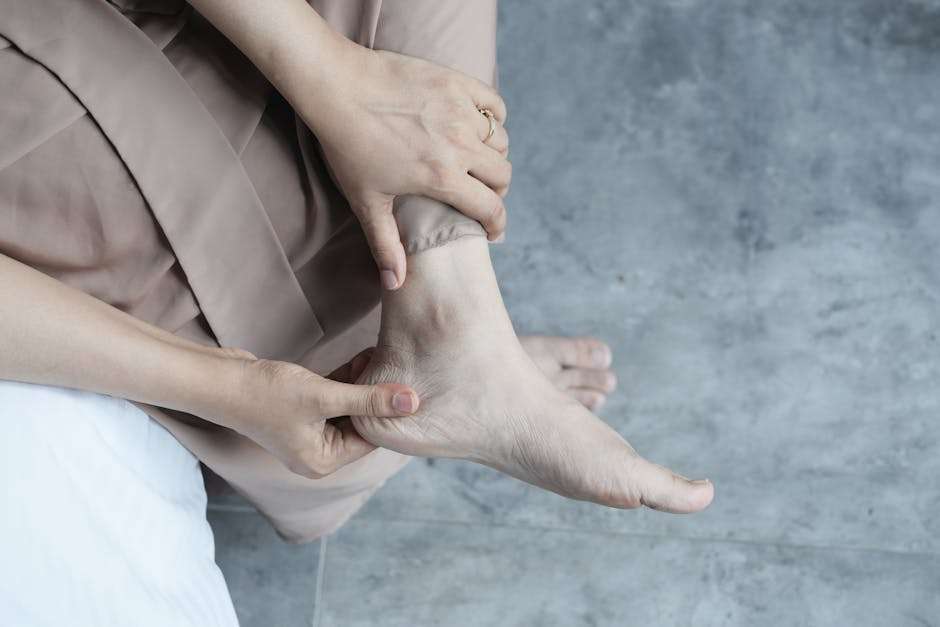
You stepped off the curb and your ankle rolled under you. Or you landed on someone’s foot during a basketball game. Or you hit an uneven patch on the trail along Sixteen Mile Creek and went over before you could catch yourself. There was a pop or a crack. It swelled up fast. And now you’re wondering whether it’s broken, whether you need to go to the ER, and how long you’re going to be limping around. This page explains what ankle sprain physiotherapy in Oakville actually involves and how proper rehab keeps a one-time roll from becoming a lifelong weakness. Ankle sprain treatment in Oakville at Wellmax restores stability so it does not keep happening.
Ankle sprains are the single most common musculoskeletal injury. Emergency rooms and walk-in clinics see them constantly. The problem isn’t the initial treatment. Most people figure out the ice and elevation part. The problem is what happens next. Or more accurately, what doesn’t happen next.
Here’s the pattern we see at our clinic over and over: someone sprains their ankle, rests it for a week or two until the swelling goes down, starts walking on it again when the pain is tolerable, and assumes it’s healed. Three months later they roll the same ankle again doing something minor. Six months after that, it happens again. The ankle starts to feel “weak” or “loose.” They stop trusting it on uneven ground. Some people live with this pattern for years.
That’s not because ankle sprains are hard to fix. It’s because most ankle sprains never get properly rehabbed. The ligament heals, but the ankle’s proprioception (its ability to sense position and react to changes in surface) stays impaired. The peroneal muscles that are supposed to protect against rolling stay weak. And the movement patterns that caused the sprain in the first place never get addressed.
At Wellmax Physiotherapy, we treat ankle sprains from the acute injury through full return to sport or activity. Your physiotherapist assesses the severity, rules out fractures using the Ottawa Ankle Rules, identifies which ligaments are involved, and builds a structured rehab program that goes beyond pain relief to actually restore the ankle’s stability and resilience.
We’re at 1148 Winston Churchill Blvd, Unit B3, Oakville, just south of the QEW. Patients from Clarkson, Clearview, Sheridan Park, Maple Grove, and south Mississauga come to us for ankle sprain treatment.
- Understanding Ankle Sprains: What Actually Happens Inside
- Why Most Ankle Sprains Become Recurring Problems
- Ankle Sprain Treatment in Oakville: Treatment at Wellmax
- Chronic Ankle Instability Treatment
- Ankle Sprain Recovery Timelines
- Why Patients Choose Wellmax for Ankle Sprain Treatment in Oakville
- Related Conditions and Services
- Book Your Ankle Assessment
- Frequently Asked Questions
Understanding Ankle Sprains: What Actually Happens Inside
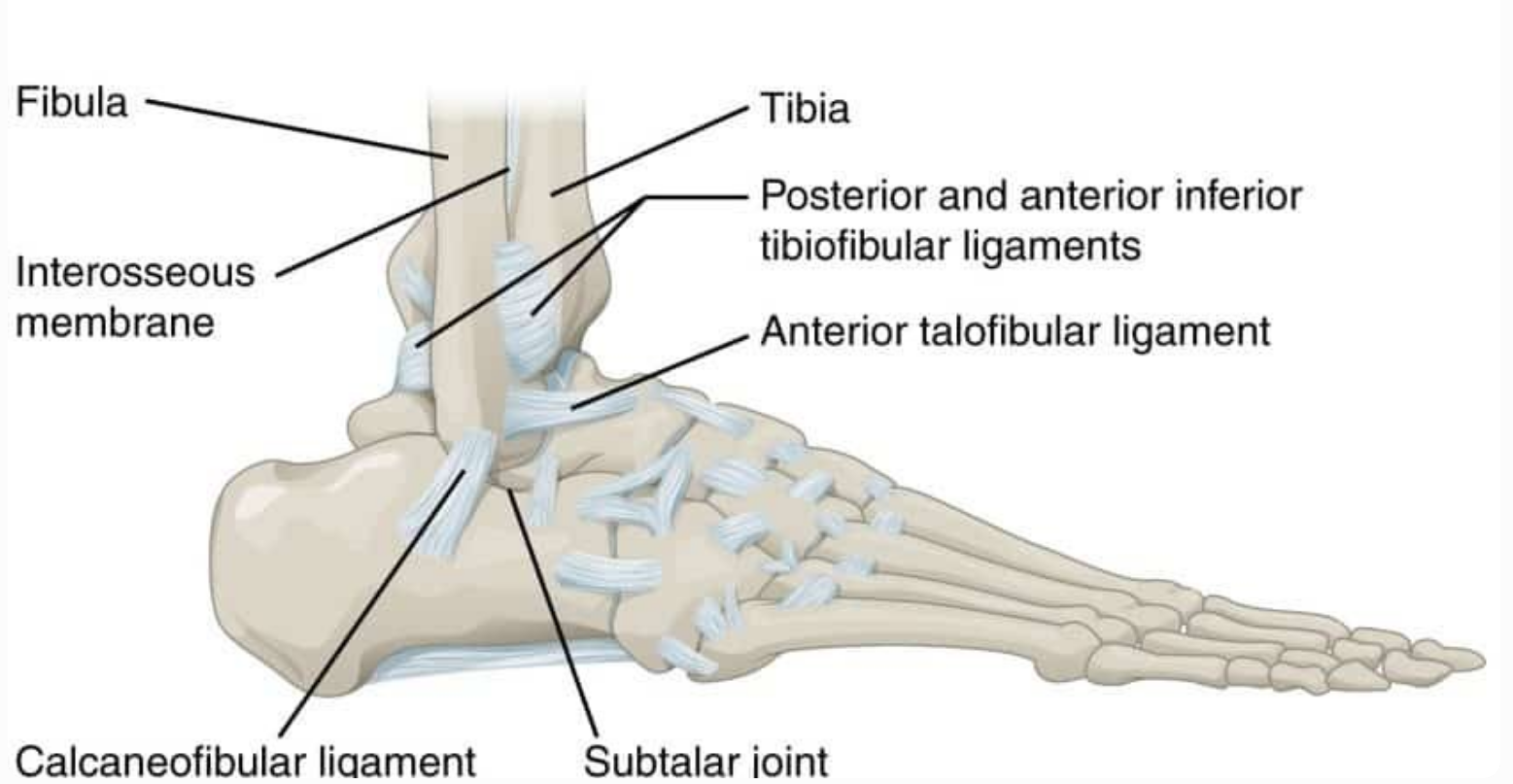
The Anatomy That Gets Injured
The ankle is held together by ligaments on both sides. On the outside (lateral side), three ligaments stabilize the joint: the anterior talofibular ligament (ATFL), the calcaneofibular ligament (CFL), and the posterior talofibular ligament (PTFL). The ATFL is the weakest and most commonly injured. It tears when the foot rolls inward (inversion), which is by far the most common ankle sprain mechanism.
On the inside (medial side), the deltoid ligament is a thick, strong ligament complex that resists the foot rolling outward (eversion). Medial sprains are less common but more serious when they occur.
Above the ankle, the syndesmosis (a group of ligaments connecting the tibia and fibula) can be injured in what’s called a high ankle sprain. These happen from rotational forces, often in contact sports. High ankle sprains take significantly longer to heal than lateral sprains and are frequently underdiagnosed.
Types of Ankle Sprains We Treat
Lateral ankle sprain (inversion injury). The most common by far. The foot rolls inward, stretching or tearing the ATFL and sometimes the CFL. This accounts for about 85% of all ankle sprains. It’s what happens when you step on someone’s foot during basketball, roll your ankle on a trail, or twist it stepping off a curb.
High ankle sprain (syndesmosis injury). The ligaments connecting the two lower leg bones get damaged, usually from a rotational force. Common in hockey (foot caught in a rut while body rotates), soccer (planted foot with a rotational tackle), and skiing. These take 2-3 times longer to heal than lateral sprains. If someone is still limping 4-6 weeks after what they thought was a regular ankle sprain, a missed high ankle sprain is one of the first things to suspect.
Medial ankle sprain (eversion injury). The foot rolls outward, damaging the deltoid ligament on the inside of the ankle. Less common, but often associated with more significant force and sometimes accompanied by fractures. These need careful assessment to rule out bony injury.
Sprain Grading
Grade 1 (mild): Ligament stretched but not torn. Mild swelling and tenderness. Can usually walk with discomfort. Recovery typically 1-3 weeks with proper treatment.
Grade 2 (moderate): Partial ligament tear. Moderate swelling, bruising, pain with weight bearing. Some ankle instability. Recovery typically 4-6 weeks.
Grade 3 (severe): Complete ligament tear. Significant swelling and bruising, substantial pain, difficulty bearing weight, and notable ankle instability. Recovery 8-12 weeks, sometimes longer. Rarely requires surgery in isolation, but needs structured rehab to prevent chronic instability.
Why Most Ankle Sprains Become Recurring Problems
This is the part most people miss, and it’s the reason chronic ankle instability is so common. Research shows that up to 40% of people who sprain their ankle go on to develop chronic ankle instability, meaning the ankle repeatedly gives way, feels loose, and sprains again with minimal force. That number drops dramatically with proper rehabilitation.
What Goes Wrong Without Rehab
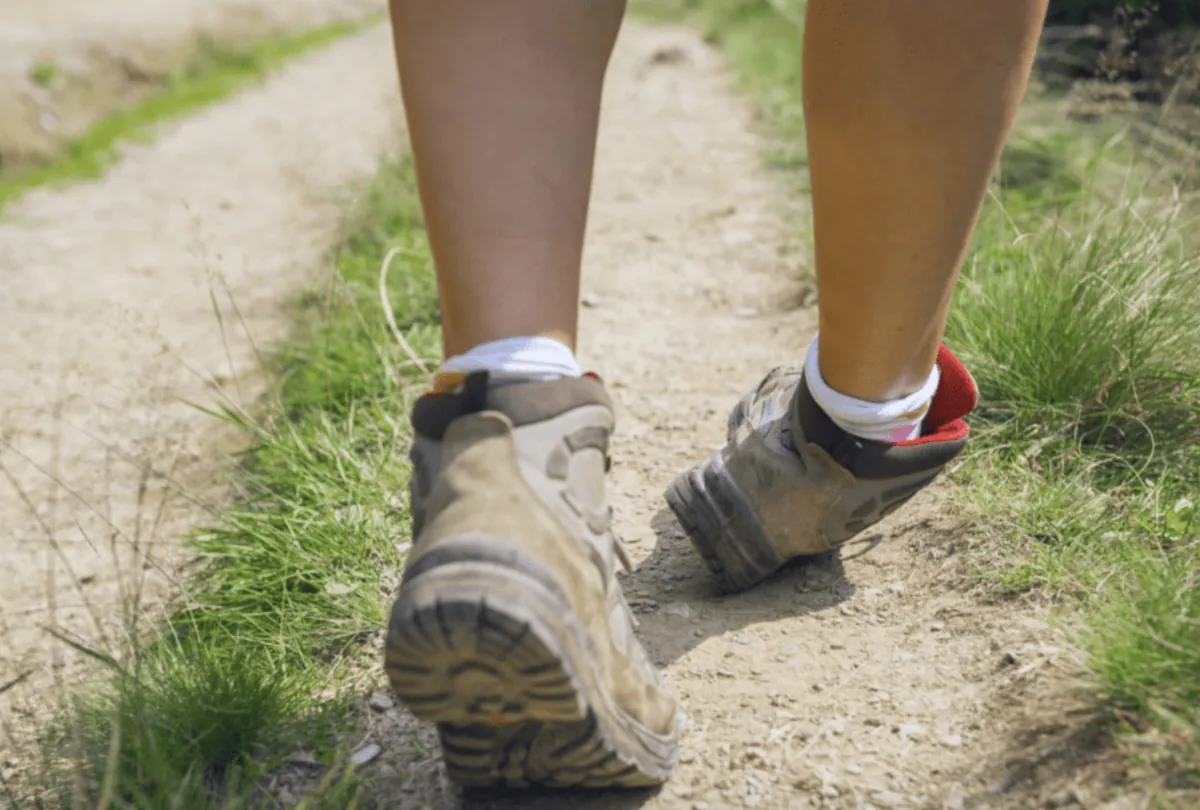
Proprioception damage. When ankle ligaments tear, they don’t just lose their structural function. They also lose the nerve endings embedded in the ligament that tell the brain where the ankle is in space. This position sense (proprioception) is what allows the ankle to react instantly when you step on uneven ground. Without deliberate proprioception retraining, that sense doesn’t fully recover even after the ligament heals.
Peroneal muscle weakness. The peroneal muscles run along the outside of the lower leg and are the ankle’s active stabilizers. They’re supposed to fire reflexively to prevent the ankle from rolling inward. After a sprain, these muscles become inhibited and weak. They need specific strengthening to restore their protective function.
Ankle stiffness. Swelling and immobility during the acute phase can leave the ankle joint stiff, particularly in dorsiflexion (the ability to pull the foot upward). Limited dorsiflexion changes walking and running mechanics and is a proven risk factor for re-sprain. Read more about Running Injuries Physiotherapy.
Compensatory movement patterns. People who limp or guard their ankle for weeks develop altered gait patterns that persist long after the pain is gone. The hip, knee, and opposite leg start working differently to protect the injured ankle. Without correction, these patterns create new problems elsewhere.
All four of these issues are fixable with proper physiotherapy. The ligament healing happens on its own timeline. The proprioception, strength, mobility, and movement quality are what the rehab program addresses.
Ankle Sprain Treatment in Oakville: Treatment at Wellmax
Phase 1: Acute Management (Days 1-7)

In the first few days, the priorities are protecting the injured ligament, managing swelling, and maintaining as much pain-free movement as possible. We follow the PEACE & LOVE framework (the updated evidence-based approach that has replaced the old RICE protocol):
Protection without immobilization. Bracing or taping to support the ankle while allowing controlled movement. Complete immobilization makes outcomes worse, not better.
Elevation above the heart to reduce swelling.
Avoid anti-inflammatories in the first 48-72 hours. This one surprises people. The initial inflammatory response is part of the healing process. Suppressing it with NSAIDs too early can actually slow tissue repair. Ice can be used for pain relief but shouldn’t be overdone.
Compression to manage swelling.
Education on realistic recovery timelines and the importance of completing rehabilitation.
Gurmeet also uses the Ottawa Ankle Rules at the initial assessment to determine whether an X-ray is needed to rule out a fracture. Not every ankle sprain needs imaging, and these clinical rules are highly reliable at identifying which ones do.
Phase 2: Restore Range of Motion and Early Loading (Weeks 1-3)
As swelling allows, we restore ankle mobility, particularly dorsiflexion (the upward motion of the foot). Manual therapy to the ankle and foot joints improves mobility and reduces stiffness. Early weight bearing within pain tolerance is encouraged because research shows it produces faster recovery than prolonged non-weight-bearing. Gentle strengthening of the peroneal muscles begins.
Phase 3: Progressive Strengthening and Proprioception (Weeks 3-6)
This is the phase that makes the difference between a one-time sprain and a chronic problem. Progressive resistance training for the peroneals, calf complex (gastrocnemius and soleus), and tibialis posterior. Balance and proprioception exercises that challenge the ankle’s position sense on increasingly unstable surfaces. Single-leg stance progressions, wobble board work, and reactive balance drills.
This phase also addresses the hip and core. Research shows that hip weakness (particularly the gluteus medius) is associated with ankle sprain risk because it affects how the leg and foot land during dynamic activities. Strengthening the hip reduces the ankle’s vulnerability. See our Balance and Fall Prevention page for how this proprioceptive work also protects against falls.
Phase 4: Return to Sport and Activity (Weeks 6-12)
Progressive reintroduction of sport-specific movements: jogging, lateral shuffles, cutting, pivoting, jumping and landing. For basketball and volleyball players, landing mechanics are specifically trained because poor landing is a primary sprain mechanism. For soccer and hockey players, directional changes and reactive agility drills prepare the ankle for the unpredictable forces of game play.
If the ankle doesn’t feel stable enough for full return, taping or bracing during sport can provide additional support while the rehabilitation continues. See our Sports Physiotherapy page for return-to-sport programming. For competitive and recreational athletes, our Sports Injury Physiotherapy program manages the full arc from acute injury to return-to-play.
Deep Tissue Laser for Acute Sprains
For acute ankle sprains with significant swelling, deep tissue laser therapy accelerates the inflammatory resolution phase. The laser enhances blood flow to the injured ligament, reduces swelling faster, and can shorten the early recovery phase by days. We apply it during your physiotherapy sessions when clinically indicated.
Chronic Ankle Instability Treatment
If you’ve sprained the same ankle multiple times, if the ankle frequently gives way on uneven ground, if you don’t trust it during sport, or if it just always feels “loose,” you likely have chronic ankle instability. This is one of the most common outcomes of poorly rehabbed ankle sprains, and it’s very treatable with a focused physiotherapy program.
Chronic instability happens because the ligaments have been stretched or torn repeatedly and no longer provide adequate passive support. The proprioceptive nerve endings are impaired. And the peroneal muscles aren’t strong or fast enough to compensate.
Treatment focuses on three things:
- Building the strength of the active stabilizers (peroneal muscles, calf, hip),
- Restoring proprioceptive function through progressive balance and reactive training, and
- Correcting any ankle stiffness or movement patterns that make the ankle vulnerable.
Most patients with chronic ankle instability improve significantly with a structured 8-12 week program. Surgery (ligament reconstruction) is rarely needed and is only considered when a comprehensive rehab program hasn’t produced adequate stability.
Ankle Sprain Recovery Timelines
| Injury Type | Typical Recovery | Return to Full Activity |
|---|---|---|
| Grade 1 lateral sprain (mild) | 1-3 weeks | 2-4 weeks with completed rehab |
| Grade 2 lateral sprain (moderate) | 4-6 weeks | 6-8 weeks with full proprioception training |
| Grade 3 lateral sprain (severe / full tear) | 8-12 weeks | 10-14 weeks with return-to-sport testing |
| High ankle sprain (syndesmosis) | 6-12 weeks | 8-16 weeks depending on severity |
| Medial ankle sprain (deltoid) | 4-8 weeks | 6-10 weeks with strengthening program |
| Chronic ankle instability (rehab program) | 8-12 weeks | Progressive return as stability improves |
These timelines assume structured physiotherapy rehabilitation is completed. Without proper rehab, the risk of re-injury is significantly higher regardless of how the ankle “feels.” Gurmeet provides specific guidance on your timeline based on the severity and your activity goals.
Why Patients Choose Wellmax for Ankle Sprain Treatment in Oakville
We Treat the Whole Chain, Not Just the Ankle
A rolled ankle isn’t just an ankle problem. The calf, the knee, the hip, and the opposite leg are all affected. We assess and treat the entire lower limb chain because that’s what determines whether the ankle stays healthy after you leave the clinic.
Proprioception Training That Actually Prevents Re-Injury
Pain-free walking is not the end of ankle sprain rehab. It’s the beginning of the part that matters most. The balance and proprioception work we do at Wellmax is what prevents the ankle from giving way again six months later. Most clinics discharge patients once the pain is gone. We discharge when the ankle is strong, reactive, and ready for whatever you’re going back to.
Expert Care, Full Knowledge of Your Ankle
Your ankle is managed from the first assessment through return to sport, with a reassessment at every visit: which ligaments were involved, how the ankle responded to each progression, and when to push the rehab forward versus hold the current level. That matters when the decisions between progressing and protecting are made week to week.
Ankle Sprains in Oakville’s Active Community
We treat ankle sprains from just about every activity you can think of. Trail runners on the Sixteen Mile Creek and Waterfront Trail paths (roots and uneven terrain are the most common culprits). Basketball and volleyball players from community leagues and school teams who land on another player’s foot. Soccer players from Sheridan Park and local leagues who roll their ankles on outdoor turf. Hockey players from Joshua’s Creek Arenas and Sixteen Mile Sports Complex with high ankle sprains from rotational forces on the ice.
We also treat the non-sport ankle sprains that are just as common: stepping off a curb in the Winston Park plaza, slipping on ice in the Clearview neighbourhood driveway during January, missing a step on the stairs at home, or twisting an ankle walking the dog along Clarkson trails. These “everyday” sprains need the same quality of rehab as sports injuries. The ankle doesn’t care whether the sprain happened on a soccer pitch or a sidewalk.
We’re at 1148 Winston Churchill Blvd, Unit B3, Oakville. Just south of the QEW in the Winston Park plaza. Free parking, ground-level access, private treatment rooms. Patients come from Clarkson, Clearview, Sheridan Park, Maple Grove, River Oaks, and south Mississauga.
What Our Patients Say
Christopher N.“Gurmeet and her team are awesome 🙂 They really helped me to recover from my ankle sprain. Thanks team Wellmax. Highly Recommended!”
Tia D.“My experience with Gurmeet and her team was truly wonderful. I arrived with a painful ankle sprain and a lot of uncertainty about how well I would heal. After just a few sessions with her, I already felt more hopeful and confident again. I was able to walk more comfortably, the swelling went down significantly, and they helped me manage the pain so much better. Gurmeet and her team are incredibly caring, supportive, and knowledgeable. They made sure I felt looked after not only during my visits but also gave me everything I needed to continue healing well at home. I trusted them completely, and I still feel so grateful that I did. I would wholeheartedly recommend them to anyone.”
Pamela V.“10/10!! I came to this physio after spraining my ankle with a grade 3 ankle sprain in late August 2025. I was on crutches, couldn’t walk and could barely move my ligaments in my foot to do an ankle circle. I came to this clinic and was so impressed with the new team and new physiotherapist, Gurmeet. She does her work exceptionally well. She explains things so easily and told me she wants patients to understand what’s going on so it can help them. …”
Michael R.“If you are dealing with sports injuries, this is easily the best physiotherapy clinic in Oakville. I was struggling with Achilles tendinopathy from running, and the pain in my heel was getting worse every week. Dhrushi was my physiotherapist and she was absolutely fantastic. She did not just look at my ankle but assessed my entire walking and running mechanics. She explained exactly why the tendon was inflamed and built a personalized treatment plan with manual therapy and specific eccentric exercises for me to do at home. The clinic always runs on time and the entire team is so friendly. I am finally back to running pain-free and I will not hesitate to return if I ever need care again.”
Zakaria S.“I came in with a locked and sore ankle and Gurmeet was able to identify the root cause very quickly. The soft tissue release, electrical therapy, manual manipulation and assigned stretches have all been beneficial for my situation. They’ve got a customer for life. Gurmeet and her team are friendly and knowledgeable.”
Hazel V.“I was suffering from plantar fasciitis. I went to other physio, shockwave nothing helped. Until I found Wellmax Physiotherapy. This is a great place!”
Kevin O.“Look no further if you want the best physiotherapy clinic in Oakville. I was dealing with plantar fasciitis that made taking my first steps out of bed every morning absolutely agonizing. I had tried custom insoles and resting, but nothing worked permanently. Dhrushi assessed my foot mechanics and put together a great plan using shockwave therapy. I also saw Cynthia for deep tissue massage on my tight calf muscles. The combination of their treatments worked wonders. I am finally walking normally again. They are honest, professional, and do not pressure you into endless treatment packages.”
Sunil R.“Gurmeet figured out the cause of my knee pain and is working hard on fixing it. Already feel much more pain relief and better walking ability. Thanks to you and your team! Not only are you all very professional and knowledgeable, but also very kind and caring! As an update, Gurmeet’s techniques have significantly improved the mobility in my foot/ankle, and the recommended stretches and modalities have all helped so much too! Thankful to Nav and Cynthia too. Everyone is so skilled and polite and friendly! Cynthia is the best massage therapist I’ve had in years! She really works on the tight muscles and listens to feedback well if you ask for less or more pressure. …”
See all our Google reviewsRead more patient storiesLeave a review
Frequently Asked Questions
How do I know if my ankle is sprained or broken?+–
The Ottawa Ankle Rules are a reliable clinical tool that physiotherapists use to determine whether an X-ray is needed. If you can bear weight (even with pain) and there’s no tenderness over specific bony landmarks (the tip and back edge of the lateral or medial malleolus, the base of the fifth metatarsal, or the navicular bone), a fracture is unlikely. If there’s any doubt, we’ll refer you for imaging the same day. Most ankle sprains don’t require X-rays.
Should I ice my sprained ankle?+–
Ice can help manage pain in the first 48-72 hours. But the latest evidence suggests that excessive icing can slow the healing process by suppressing the inflammatory response that the body needs to begin tissue repair. Use ice for pain relief in short intervals (10-15 minutes), not continuously. Avoid anti-inflammatory medications (NSAIDs like ibuprofen) in the first 48 hours for the same reason.
How long does a sprained ankle take to heal?+–
It depends on the grade. A mild sprain (Grade 1) can recover in 1-3 weeks. A moderate sprain (Grade 2) takes 4-6 weeks. A severe sprain (Grade 3) or high ankle sprain takes 8-12 weeks or longer. These timelines assume proper rehabilitation is completed. Without rehab, healing time increases and the risk of re-injury goes up significantly.
Why does my ankle keep spraining?+–
Recurrent ankle sprains usually mean the original injury wasn’t properly rehabilitated. The ligament healed, but the proprioception (position sense), peroneal muscle strength, and ankle mobility weren’t restored. The result is an ankle that can’t react fast enough when it starts to roll, so it gives way again. A structured rehab program focused on proprioception and strengthening can break this cycle, even if the pattern has been going on for years.
Do I need to stay off my ankle after a sprain?+–
Complete rest is not recommended. Early weight bearing within pain tolerance actually produces better outcomes than prolonged immobilization. The tissue needs controlled loading to heal properly. Protection with a brace or tape is appropriate in the early phase, but the goal is getting the ankle moving and weight-bearing as soon as safely possible. Your physiotherapist will guide exactly how much loading is appropriate at each stage.
Can I still exercise with a sprained ankle?+–
Yes, with modifications. Upper body training, core work, and often swimming or cycling can continue depending on the severity. The uninjured leg should continue its normal training program. Cardiovascular fitness can be maintained with low-impact options that don’t stress the injured ankle. We’ll modify your program based on what the ankle can tolerate.
Do ankle sprains need surgery?+–
Rarely for isolated sprains, even Grade 3. The vast majority of ankle sprains heal well with proper physiotherapy rehabilitation. Surgery (lateral ligament reconstruction) is typically only considered for chronic ankle instability that hasn’t responded to a comprehensive rehab program over several months, or in competitive athletes with recurrent severe instability.
Should I wear an ankle brace after a sprain?+–
In the acute phase (first 1-2 weeks), a brace provides useful support and protection. During return to sport, a brace or taping can provide additional confidence while the rehab program restores full stability. Long-term brace dependence isn’t the goal because it can prevent the ankle from developing its own active stability. The rehab program should eventually make the brace unnecessary for daily activities.
What is a high ankle sprain and how is it different?+–
A high ankle sprain involves the syndesmosis ligaments that connect the tibia and fibula above the ankle joint. It’s caused by rotational forces rather than the typical inversion roll. High ankle sprains take 2-3 times longer to heal than regular lateral sprains and are frequently missed or underdiagnosed. If you sprained your ankle and it’s still significantly painful 4-6 weeks later despite treatment, a high ankle sprain should be considered.
Is ankle sprain physiotherapy covered by insurance?+–
Yes. Treatment at Wellmax is billed as physiotherapy and covered by most extended health plans. We direct bill to Sun Life, Manulife, Canada Life, Green Shield, Great-West Life, Blue Cross, Desjardins, and most other major providers. WSIB covers work-related ankle injuries. MVA claims accepted for car accident injuries. No referral needed.
Can ankle sprain physiotherapy in Oakville help an old injury that never fully healed?+–
Yes. It is never too late to rehabilitate an ankle that has felt weak or unreliable for years. Old ankle sprains that were never properly rehabbed leave behind the same deficits as a fresh injury: impaired proprioception, weak peroneal muscles, and limited dorsiflexion. A focused program that retrains balance and strengthens the active stabilizers can restore confidence and stability even when the original sprain happened years ago. Many of our patients arrive after a decade of trick ankles and regain full trust in the joint within 8 to 12 weeks.
What can I do to prevent future ankle sprains?+–
The single most effective prevention strategy is balance and proprioception training. Studies show that simple single-leg balance work and wobble-board exercises measurably reduce the rate of first-time and repeat ankle sprains, especially in court and field sports. Strengthening the peroneal muscles, hip and calf, choosing supportive footwear for your activity, and warming up properly before sport all add further protection. If you play basketball, volleyball, soccer or hockey, prophylactic taping or a lace-up brace can also lower risk during high-demand seasons.
Why is balance training so important after an ankle sprain?+–
When ankle ligaments are sprained, the mechanoreceptors inside them are also damaged. These sensors normally send signals to your brain about joint position and help your ankle muscles react quickly when the joint starts to roll. Without rehabilitation targeting this system, proprioception and peroneal muscle reaction time remain impaired, which is why up to 70 percent of people who sprain their ankle develop recurrent sprains. Balance and neuromuscular training specifically restores these protective reflexes.
When is it safe to return to sport after an ankle sprain?+–
Return to sport should be based on function, not just time. You should be able to hop and land on the affected ankle without pain, perform sport-specific movements with good control, and demonstrate adequate balance and proprioception. Research shows that athletes who return before these criteria are met have a dramatically higher rate of reinjury. A physiotherapist will guide you through a progressive return-to-sport program and confirm when you are genuinely ready.
Do I need physiotherapy if I have sprained my ankle before?+–
Repeated sprains are a strong sign that the ankle has not fully recovered from a previous injury. Each sprain tends to be worse than the last when the underlying proprioception and muscle control have not been restored. Physiotherapy addresses the neuromuscular deficits that make the ankle vulnerable, not just the swelling from the current injury. An assessment after any significant sprain, especially a second one, is well worth doing to break the cycle.
Will my ankle be permanently weakened after a bad sprain?+–
Not if it is properly rehabilitated. Ligaments heal but the quality of that healing and the recovery of balance and muscle control depend heavily on what you do in the weeks that follow. Many people develop chronic ankle instability simply because they stopped moving and resumed activity without rehabilitation. With structured physiotherapy, including progressive strengthening, proprioception work, and functional training, most people return to full activity without lasting weakness.
Related Conditions and Services
- Ankle & Foot Pain: Comprehensive ankle and foot pain treatment including tendinopathy, plantar fasciitis, and chronic foot problems.
- Achilles Tendinopathy: Calf and Achilles tendon pain that often accompanies ankle and foot overload.
- Plantar Fasciitis: Heel and arch pain that can develop after altered loading from an ankle injury.
- Sports Injury Rehabilitation: Full spectrum sports injury treatment from acute onset to return-to-play.
- Sports Physiotherapy: Return-to-sport protocols and sport-specific rehabilitation.
- Running Injuries: Lower-limb overload injuries common in runners, including ankle-related problems.
- Balance and Fall Prevention: Proprioceptive and balance training that protects unstable ankles and prevents falls.
- Knee Pain: Ankle sprains affect knee mechanics. Knee pain often develops as a compensation.
- ACL & MCL Injury: Knee ligament injuries that frequently occur alongside ankle injuries in sport.
- Shockwave Therapy: Evidence-based treatment for stubborn tendon problems linked to chronic lower-limb overload.
- Deep Tissue Laser Therapy: Accelerated inflammation resolution for acute sprains.
- Orthotics & Braces: Ankle bracing for acute protection and custom orthotics for biomechanical correction.
- Hip Pain: Hip weakness contributes to ankle sprain risk. Addressed as part of comprehensive ankle rehab.
Book Your Ankle Assessment
Whether you just rolled your ankle this morning and need same-day guidance, or you’ve been dealing with an ankle that keeps giving way for years and want to finally fix it, we can help. Every ankle sprain program at Wellmax starts with a thorough assessment to identify the severity, the structures involved, and the factors that need to be addressed to prevent it from happening again. Your first step is a free consultation, with no referral needed.
Wellmax Physiotherapy
1148 Winston Churchill Blvd, Unit B3, Oakville, ON L6J 0A3
Phone: (905) 829-1100
Email: info@wellmaxphysiotherapy.ca
Proudly Serving Our Local Communities: We are conveniently located just minutes from the QEW & Winston Churchill Blvd, making us the clinic of choice for:
- East Oakville (Our Neighbours): Winston Park, Clearview, and the QEW/403 Corridor.
- South Oakville: Eastlake, Maple Grove, and Old Oakville.
- North Oakville: Joshua Creek, Falgarwood, and Upper Middle Road.
- Mississauga Border: Clarkson, Sheridan Park, and Sheridan Homelands.
Insurance: Direct billing to most major providers. WSIB and MVA claims accepted. No referral needed.
Hours: Monday to Friday: 9am to 7pm; Saturday: 9am to 2pm; Sunday: 9am to 2pm (by appointment only)
Convenient Location + Free Parking: Simple, stress-free access for busy professionals and families.
Registered & Regulated
Regulated & Recognized Across Every Discipline
Wellmax is in good standing with the regulatory colleges and leading associations for physiotherapy, chiropractic, massage therapy, and naturopathic medicine in Ontario.