Conditions We Treat at Wellmax Physiotherapy Oakville
Every condition we assess and treat, with a page for each explaining how we help.
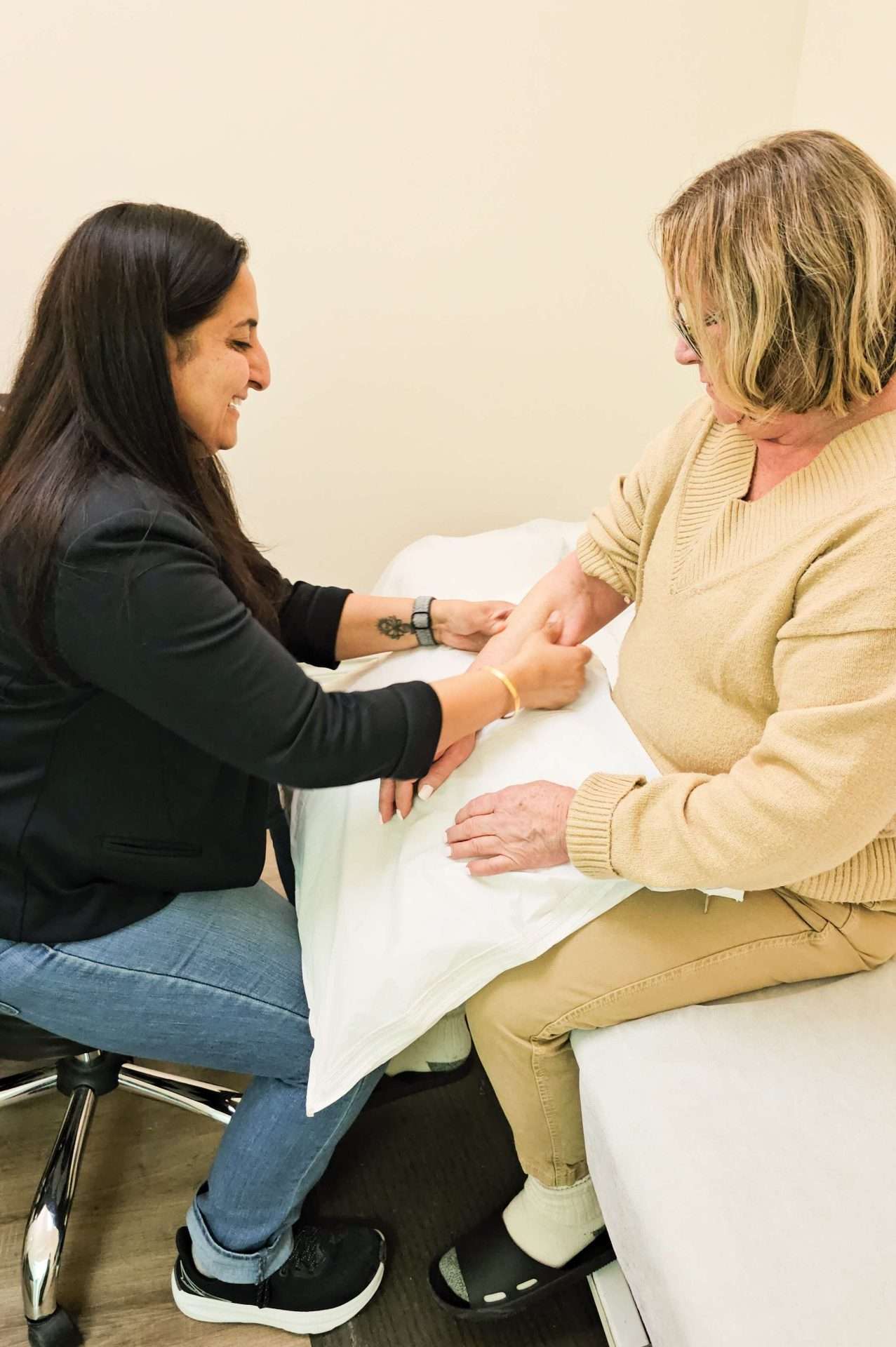
Pain does not always come with a clear label. Sometimes it is the back that seized up lifting groceries. Sometimes it is a shoulder that has been getting worse for six months and nobody can explain why. Sometimes it is dizziness that started after a fender-bender, or pelvic pain that a patient has been told is normal when it clearly is not.
At Wellmax Physiotherapy, we treat the full spectrum of musculoskeletal and neurological conditions, from common injuries that resolve in a few sessions to complex, chronic conditions that have been misdiagnosed or undertreated elsewhere. Every condition page below explains how we assess and treat that specific problem, what results to expect, and how long recovery typically takes. The conditions we treat are grouped by area of the body below, so you can jump straight to yours. If you are not sure where your problem fits, call us at (905) 829-1100 and we will point you in the right direction.
- Back & Spine Conditions We Treat
- Neck & Head Conditions We Treat
- Shoulder & Arm Conditions We Treat
- Hip, Knee & Leg Conditions We Treat
- Foot & Ankle Conditions We Treat
- Women's Health & Pelvic Conditions We Treat
- General & Multi-System Conditions We Treat
- Workplace & Motor Vehicle Accident Injuries
- We Regularly Help Patients Such As
- Not Sure Where Your Pain Fits?
- About Wellmax
- Ready to move without pain?
- Frequently Asked Questions
Back & Spine Conditions We Treat
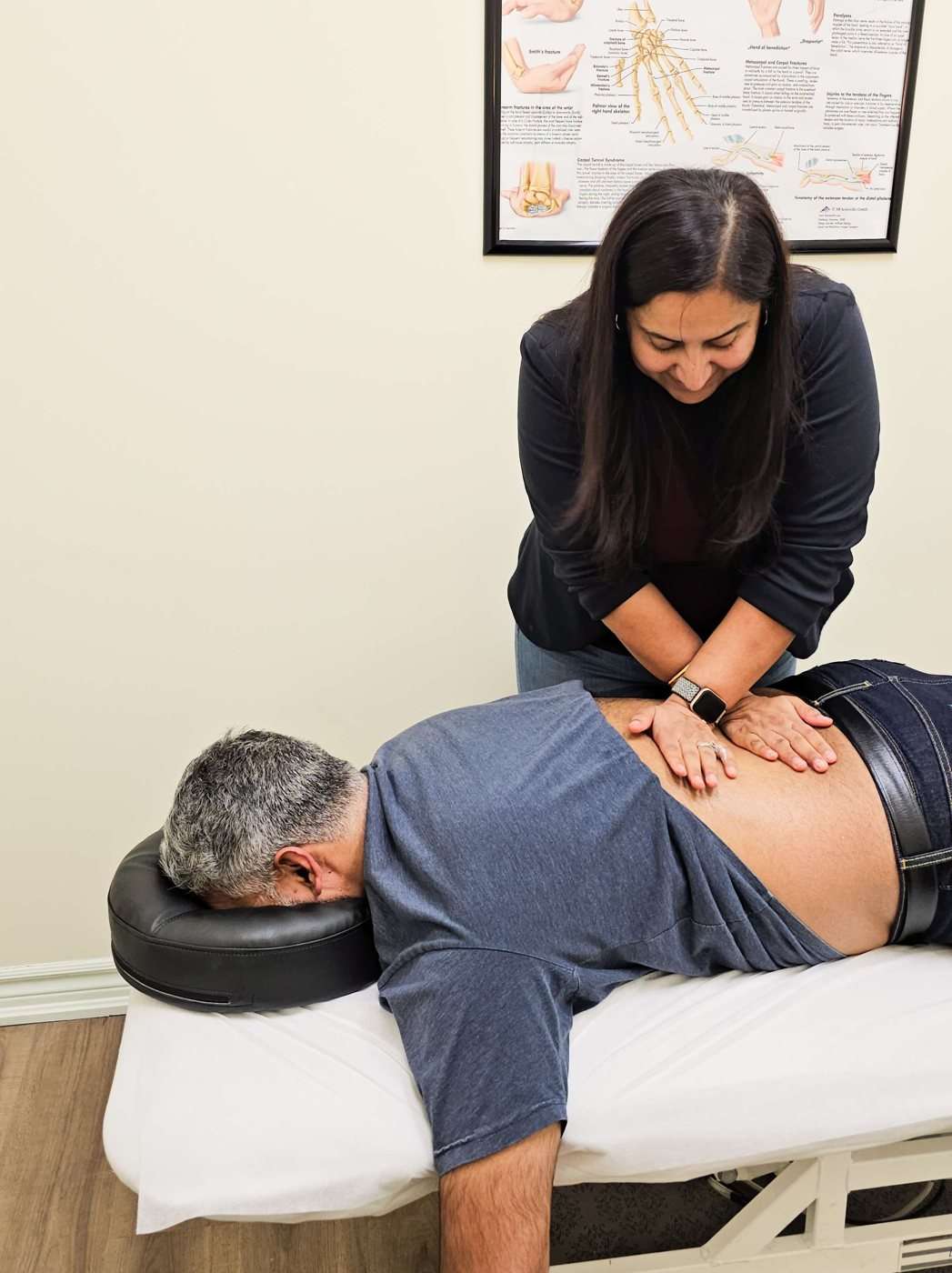
Back Pain & Sciatica
Lower back pain is the most common condition we treat at the clinic. Muscle strains from lifting, facet joint irritation, disc bulges pressing on nerves, and the radiating leg pain of sciatica all fall under this category. Most back pain improves significantly within 4-8 weeks of proper treatment. Sciatica with nerve involvement takes longer but responds well to a combination of manual therapy, progressive exercise, and traction when indicated.
Sciatica
Sharp, shooting pain that travels from the lower back through the buttock and down the leg, often with numbness, tingling, or weakness. Treatment calms the irritated nerve and rebuilds tolerance through targeted manual therapy, nerve mobilization, and progressive exercise so the leg pain settles and stays settled.
Herniated Disc
A disc herniation (sometimes called a slipped disc or bulging disc) occurs when the soft inner material of a spinal disc pushes through the outer wall and presses on a nerve. This produces sharp back pain, radiating leg or arm pain, numbness, or tingling. Research shows that the majority of disc herniations improve with conservative physiotherapy treatment. Surgery is rarely the first or best option.
Spinal Stenosis
Narrowing of the spinal canal that compresses the spinal cord or nerve roots. Typically affects people over 50 and causes leg pain, heaviness, or weakness that worsens with standing and walking and improves with sitting or bending forward. Physiotherapy focuses on building tolerance through flexion-based exercise, core strengthening, and activity modification strategies.
Neck & Head Conditions We Treat
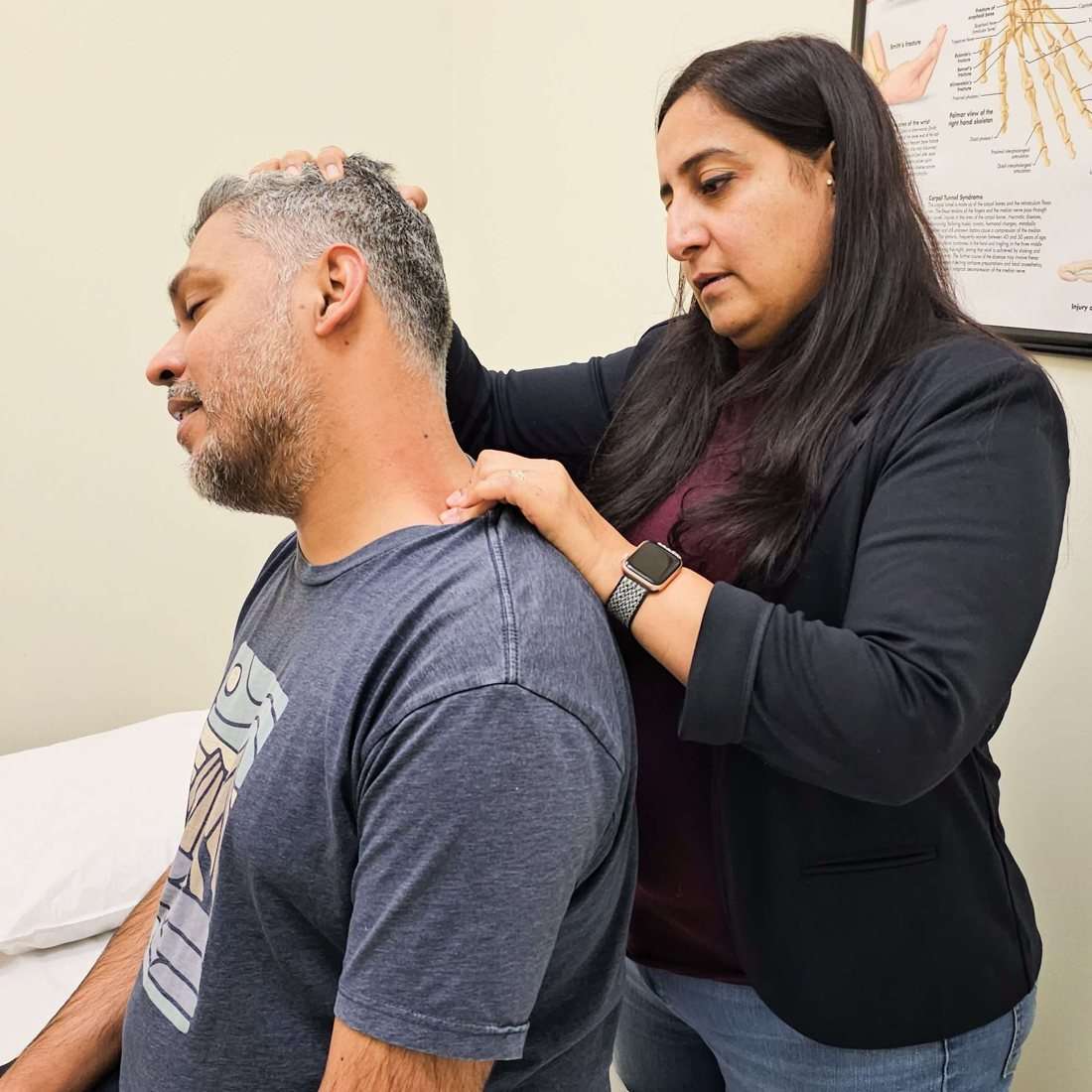
Neck Pain & Headaches
Neck stiffness, pain with turning, headaches that start at the base of the skull or behind the eyes, and referred pain into the shoulders and upper back. Cervicogenic headaches (headaches caused by the neck) are one of the most common and most undertreated headache types. Many patients are told their headaches are migraines when the neck is actually the primary driver. A thorough cervical spine assessment distinguishes between headache types and guides treatment.
Concussion
Post-concussion headaches, dizziness, brain fog, light sensitivity, difficulty concentrating, and fatigue. The old advice of prolonged rest has been replaced by active, graduated rehabilitation that produces faster and more complete recovery. Concussion treatment at Wellmax addresses the cervical spine (often injured in the same impact), vestibular system, oculomotor function, and cardiovascular conditioning with structured return-to-activity protocols.
Whiplash
Neck pain, stiffness, headaches, and jaw or shoulder tension that follow the sudden back-and-forth of a car accident or fall. Early, active rehabilitation restores movement and strength and lowers the chance of lingering symptoms, and we handle the insurance paperwork so treatment can start right away.
Vestibular Disorders & Dizziness
Vertigo, BPPV (the room spinning when you roll over in bed or look up), persistent dizziness, balance problems, and motion sensitivity. BPPV is the most common cause of vertigo and can often be resolved in 1-3 sessions using specific repositioning manoeuvres. Other vestibular conditions require progressive habituation and gaze stabilization exercises over several weeks. Cervicogenic dizziness, dizziness originating from neck dysfunction, is frequently missed and is a particular area of expertise at our clinic.
TMJ & Jaw Pain
Jaw clicking, locking, pain with chewing, temple headaches, ear pain, and facial tightness. TMJ dysfunction affects the jaw and the upper cervical spine simultaneously in most cases. Treatment includes intra-oral and extra-oral muscle release, cervical spine mobilization, postural correction, and jaw exercise prescription. Most patients notice meaningful improvement within 4-8 weeks.
Shoulder & Arm Conditions We Treat

Shoulder Pain
Rotator cuff tendinopathy and tears, frozen shoulder, shoulder impingement, AC joint sprains, labral injuries, and post-surgical shoulder rehabilitation. Shoulder problems almost always involve the shoulder blade and thoracic spine, not just the joint itself. That is why effective shoulder treatment assesses the entire upper quarter. Research consistently shows that physiotherapy produces outcomes comparable to surgery for most non-traumatic rotator cuff tears.
Frozen Shoulder
A shoulder that has become progressively stiff and painful, making it hard to reach overhead, behind the back, or across the body. Frozen shoulder moves through predictable stages, and stage-matched manual therapy, stretching, and loading help restore range of motion and shorten a recovery that can otherwise drag on for months.
Rotator Cuff
Pain with lifting, reaching, or sleeping on the shoulder from an irritated or torn rotator cuff tendon. Most rotator cuff problems respond well to a structured strengthening program, and research shows physiotherapy produces outcomes comparable to surgery for many non-traumatic tears.
Tennis Elbow
Lateral epicondylalgia (tennis elbow) from repetitive gripping, tool use, computer work, or racquet sports. A tendon overload condition that responds well to a specific progressive loading program. The evidence is clear that rest alone does not resolve tennis elbow, the tendon needs graduated loading to rebuild its tolerance. Treatment includes manual therapy, a structured eccentric and isometric loading program, and activity modification.
Golfer’s Elbow
Pain on the inner side of the elbow and forearm from repetitive gripping, lifting, or wrist bending. Like tennis elbow, the tendon needs graduated loading rather than rest alone, so treatment combines manual therapy, a progressive strengthening program, and simple changes to the activities that aggravate it.
Elbow Pain
Aching, stiffness, or sharp pain around the elbow from tendon overload, joint irritation, nerve involvement, or a past injury that never fully settled. A careful assessment identifies the true source and guides hands-on treatment and progressive loading to restore pain-free use.
Wrist & Hand Pain
Pain, stiffness, weakness, or tingling in the wrist, thumb, or fingers from repetitive strain, arthritis, tendon problems, or nerve compression. Treatment targets the specific structure involved with manual therapy, splinting where helpful, and strengthening to restore grip and everyday function.
Carpal Tunnel
Numbness, tingling, and weakness in the thumb and first few fingers, often worse at night, caused by compression of the median nerve at the wrist. Nerve gliding, manual therapy, activity modification, and splinting frequently ease symptoms and can help many people avoid surgery.
Hip, Knee & Leg Conditions We Treat
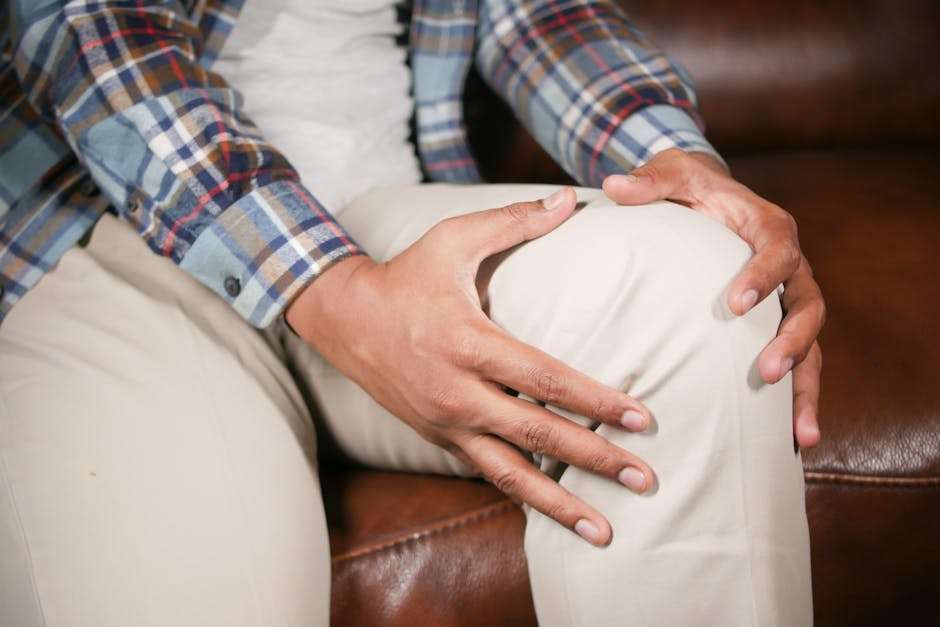
Hip Pain
Hip impingement (FAI), labral tears, greater trochanteric pain syndrome, hip bursitis, hip osteoarthritis, piriformis syndrome, and post-surgical rehabilitation after hip replacement. The hip is mechanically linked to the lower back and pelvis, which is why hip pain and lower back pain frequently coexist. Assessment includes the hip joint, lumbar spine, and sacroiliac joint to identify the primary driver of symptoms.
Knee Pain
ACL injuries, meniscus tears, patellofemoral pain, IT band syndrome, patellar tendinopathy, post-surgical rehabilitation (ACL reconstruction, total knee replacement), and osteoarthritis. Knee pain is rarely a knee-only problem, hip strength, ankle mobility, and movement patterns all influence knee loading. Treatment addresses the entire lower chain to resolve current symptoms and prevent recurrence.
ACL & MCL Injury
Knee instability, swelling, and difficulty pivoting after an ACL or MCL sprain or tear, whether managed with or without surgery. Criteria-based rehabilitation rebuilds strength, control, and confidence, and guides a safe return to sport using testing rather than the calendar.
Meniscus Injury
Knee pain, catching, or swelling from a torn meniscus, common in both sport and everyday twisting injuries. Research shows physiotherapy produces outcomes comparable to surgery for many degenerative meniscus tears, and treatment restores strength, mobility, and confident movement.
IT Band Syndrome
Sharp pain on the outer knee or hip that flares with running, cycling, or stairs. Foam rolling alone rarely fixes it, so treatment addresses hip and glute strength, running mechanics, and training load to settle the irritation and keep it from returning.
Foot & Ankle Conditions We Treat
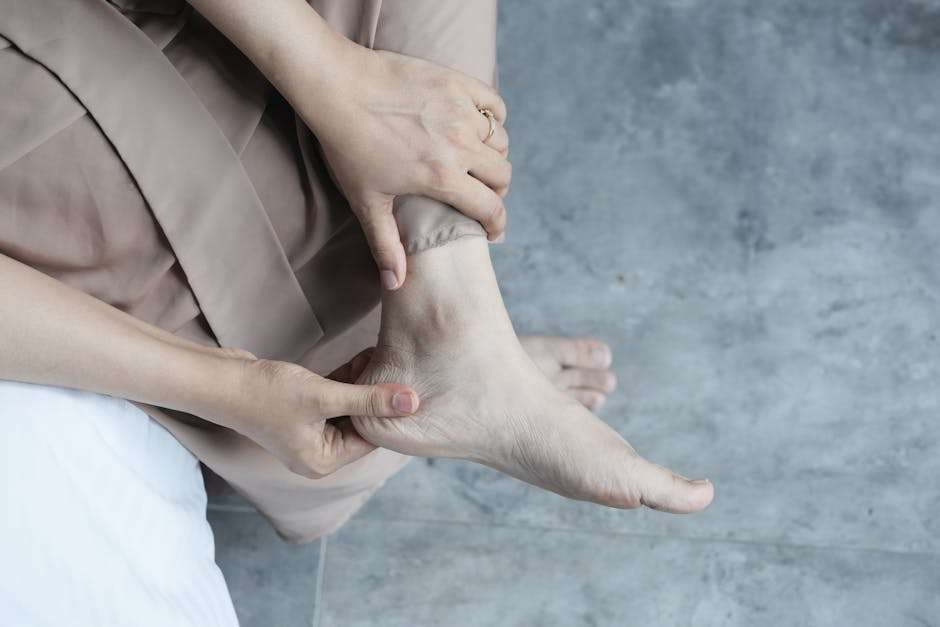
Ankle & Foot Pain
Ankle sprains (acute and chronic instability), Achilles tendinopathy, plantar fasciitis, stress fractures, midfoot and forefoot pain, and post-surgical rehabilitation. Ankle sprains are the most commonly undertreated injury, many people walk it off and end up with chronic ankle instability that leads to repeated sprains. Proper rehabilitation after an ankle sprain significantly reduces the risk of re-injury.
Ankle Sprain
Pain, swelling, and instability after rolling or twisting the ankle. Ankle sprains are one of the most undertreated injuries, and proper rehabilitation of strength, balance, and control significantly lowers the risk of repeated sprains and long-term instability.
Plantar Fasciitis
Sharp heel pain that is worst with the first steps in the morning or after sitting. Treatment combines manual therapy, calf and foot strengthening, load management, and footwear or orthotic guidance to settle the pain and restore comfortable walking.
Achilles Tendinopathy
Pain and stiffness in the Achilles tendon at the back of the heel, often worse in the morning or at the start of activity. The tendon responds to graduated loading rather than rest, so a progressive strengthening program is the core of recovery.
Women’s Health & Pelvic Conditions We Treat

Our women’s health and pelvic physiotherapy program is led by pelvic health physiotherapist Gurmeet Rai. Every pelvic health session is one-on-one in a private treatment room with a thorough, empathetic, and trauma-informed approach, and any internal assessment is always optional and consent-based.
Pelvic Floor Physiotherapy
Urinary incontinence (stress, urge, and mixed), pelvic organ prolapse, pelvic pain, painful intercourse, vaginismus, and pelvic floor muscle dysfunction. Pelvic health physiotherapy is a specialized area that requires additional post-graduate training. All pelvic health sessions at Wellmax are conducted in a private treatment room with Gurmeet Rai, our rostered pelvic health physiotherapist, who approaches these conditions with clinical thoroughness, empathy, and a trauma-informed lens.
Bladder Leakage & Incontinence
Leaking with coughing, sneezing, laughing, lifting, or a sudden urge to go. Pelvic floor physiotherapy assesses and retrains the muscles that control the bladder, and the evidence strongly supports it as a first-line treatment for stress, urge, and mixed incontinence.
Overactive Bladder & Urgency
Frequent, sudden urges to urinate, sometimes with leaking or repeated nighttime trips to the bathroom. Treatment combines bladder retraining, pelvic floor down-training, and lifestyle strategies to calm urgency and restore control and confidence.
Pelvic Organ Prolapse
A feeling of heaviness, pressure, or a bulge in the vaginal area, often worse by the end of the day or with lifting. Pelvic floor physiotherapy builds support through targeted strengthening, pressure-management strategies, and load guidance to reduce symptoms and improve daily comfort.
Pelvic Pain & Painful Sex
Persistent pelvic pain, pain with intercourse, or conditions such as vaginismus that are too often dismissed as normal. Care is provided in a private room with a trauma-informed approach that addresses the pelvic floor muscles, the nervous system, and contributing factors.
Pudendal Neuralgia
Burning, aching, or sharp pain in the sit-bones, perineum, or genital area, often worse with sitting. Treatment calms the irritated pudendal nerve through manual therapy, pelvic floor down-training, and practical strategies to reduce pressure and sensitivity.
Pregnancy Physiotherapy
Pelvic girdle pain, low back pain, or pubic discomfort during pregnancy that makes walking, turning in bed, or standing difficult. Gentle, pregnancy-safe manual therapy, supportive strengthening, and practical guidance help you stay comfortable and active through each trimester.
Postpartum Physiotherapy
Diastasis recti (abdominal separation), pelvic floor weakness after vaginal delivery or C-section, pelvic pain, incontinence, core weakness, and return-to-exercise guidance after pregnancy. Postpartum recovery is not just getting back to normal, the body goes through significant changes during pregnancy and delivery, and targeted rehabilitation addresses these changes systematically rather than hoping they resolve on their own.
Diastasis Recti
A separation of the abdominal muscles that can leave the core feeling weak or produce a visible bulge, common during and after pregnancy. A progressive core and pelvic floor program rebuilds strength and function rather than relying on the separation to close on its own.
Menopause & Perimenopause
Joint aches, pelvic floor changes, bladder symptoms, and shifts in strength and bone health that can accompany perimenopause and menopause. Physiotherapy supports you through this transition with strengthening, pelvic health care, and guidance tailored to your goals.
General & Multi-System Conditions We Treat
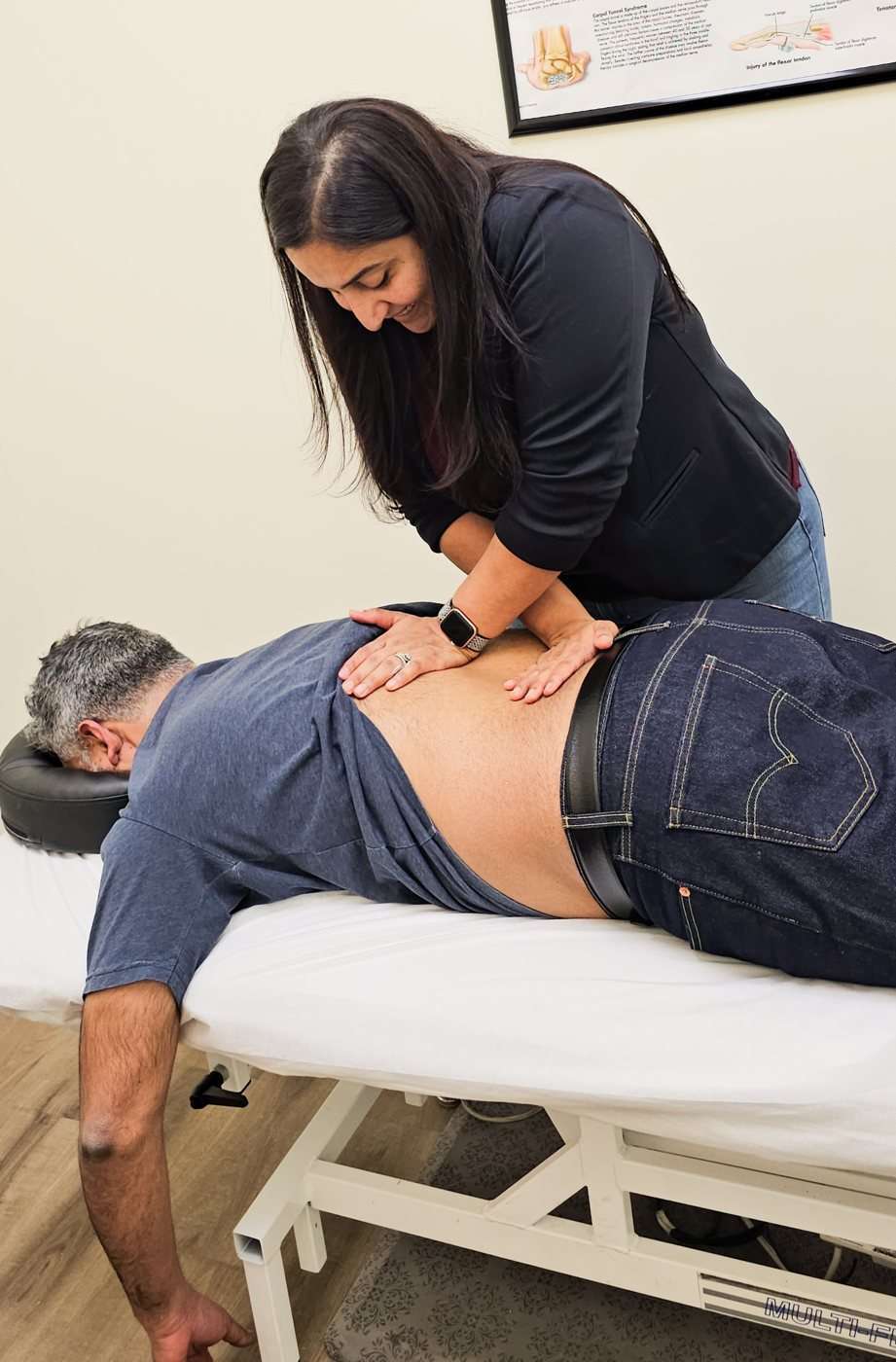
Arthritis
Osteoarthritis of the knee, hip, spine, hands, and shoulders. The relationship between joint damage on imaging and actual pain is more complex than most people are told. Many patients with moderate to severe arthritis on X-ray function well with minimal pain when muscle strength, activity levels, and movement patterns are optimized. Exercise is the single most effective treatment for arthritis, and the exercise program needs to be specific, progressive, and sustainable.
Bursitis
Pain and tenderness from an inflamed bursa, most often at the hip, shoulder, knee, or elbow, that flares with pressure or repeated movement. Treatment settles the irritation and then addresses the strength and movement patterns that overloaded the joint in the first place.
Chronic Pain
Pain that has persisted beyond normal tissue healing times, typically beyond 3 months. Chronic back pain, chronic neck pain, fibromyalgia, CRPS, and persistent post-surgical pain. In chronic pain, the nervous system itself becomes part of the problem, amplifying pain signals beyond what the tissue state warrants. Treatment requires a different approach than acute injury management: pain neuroscience education, graded exposure to movement, progressive exercise, and addressing contributing factors like sleep, stress, and deconditioning.
Sports Injuries
ACL tears, ankle sprains, muscle strains, rotator cuff injuries, stress fractures, tendinopathies, concussions, and overuse injuries from training. Athletes from Joshua’s Creek Arenas, Ontario Racquet Club, Orangetheory Fitness Clarkson, CrossFit Radix, and the Oakville running and cycling communities trust Wellmax for sports rehabilitation because we use criteria-based return-to-sport testing, not calendar-based timelines. See also: Sports Physiotherapy for our service approach.
Running Injuries
Overuse injuries such as runner’s knee, shin splints, IT band syndrome, and Achilles or calf problems that come with training. We assess strength, mechanics, and training load, then guide a structured return-to-running plan that gets you back on the road without flare-ups.
Balance & Fall Prevention
Unsteadiness, near-falls, or reduced confidence on the feet, whether from age, a vestibular problem, or recovery after an injury. A targeted program builds strength, balance, and reaction so you can move with confidence and lower your risk of falling.
Workplace & Motor Vehicle Accident Injuries
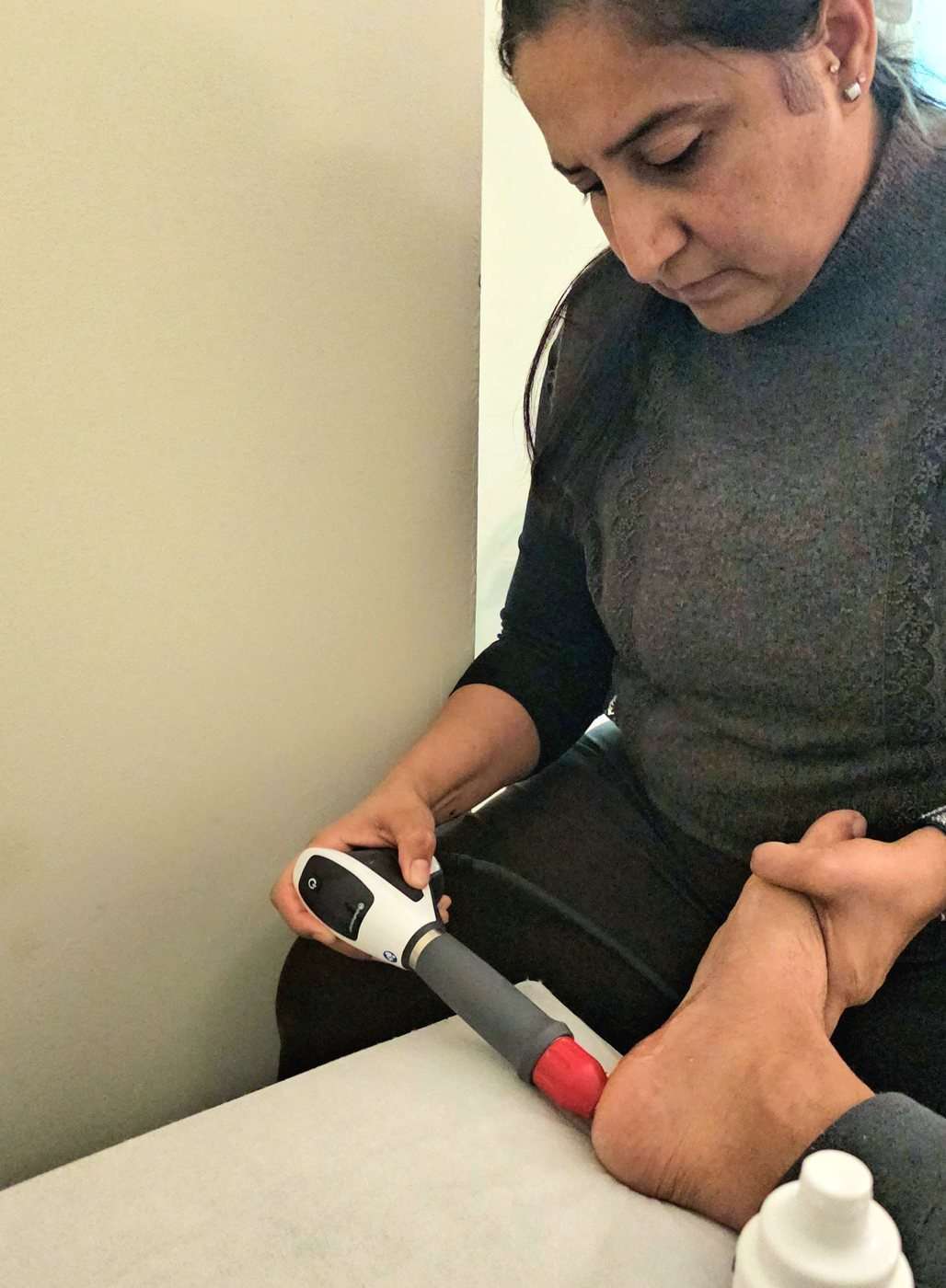
Workplace Injuries (WSIB)
Back injuries from lifting, repetitive strain injuries, shoulder injuries from overhead work, slip and fall injuries, and post-surgical rehabilitation after workplace accidents. WSIB covers all approved physiotherapy with no cost to the worker. We handle the paperwork, communicate with your adjudicator, and build return-to-work planning into every treatment session.
Motor Vehicle Accident Injuries (MVA)
Whiplash, back injuries, shoulder injuries, concussions, and complex multi-area pain following car accidents. Ontario auto insurance (SABS) covers physiotherapy with no out-of-pocket cost. We handle all insurance paperwork and coordinate with your adjuster. Treatment starts immediately, no need to wait for insurance approval.
We Regularly Help Patients Such As
Wellmax treats people from every walk of life across Oakville and southwest Mississauga. You do not need a specific diagnosis to book. If any of these sound like you, we can help:
- Office and desk workers dealing with posture-related neck, shoulder, and low back pain
- Parents coping with lifting strain, fatigue, or postpartum physical changes
- Warehouse, trades, and industrial workers facing repetitive strain or heavy physical demands
- Teachers, nurses, retail, and service workers who stand or walk for hours
- Runners, lifters, and athletes training at local gyms and sports clubs across Oakville
- Commuters who develop hip, back, or neck stiffness from long drives and desk days
- Seniors managing arthritis, balance issues, or age-related mobility loss
- Patients recovering from surgery, workplace injuries (WSIB), or motor vehicle accidents (MVA)
- People with chronic muscle tightness or stress-related tension who benefit from hands-on treatment
- Those with stubborn, complex, or widespread pain patterns that need a thorough, root-cause assessment
Not Sure Where Your Pain Fits?
Pain does not always match a textbook diagnosis. Sometimes it is in between categories. Sometimes it has been misdiagnosed. Sometimes it started as one thing and turned into something else over time. That is fine. The assessment exists to figure out exactly what is going on and build the treatment plan from there.
If your condition is not listed above, that does not mean we cannot help. Call us at (905) 829-1100, describe what is happening, and we will tell you honestly whether physiotherapy is the right approach. If it is, we will book you in. If it is not, we will tell you where to go instead.
About Wellmax
Wellmax Physiotherapy has been caring for patients at 1148 Winston Churchill Blvd, Oakville since 2021 (formerly operating as Platinum Physiotherapy). Led by Gurmeet Rai, Registered Physiotherapist, trusted by 2000+ patients locally. Every session is one-on-one care at Wellmax, with expert, honest guidance from assessment to discharge. Our multidisciplinary team offers hands-on, evidence-based Physiotherapy in Oakville, Shockwave Therapy, Deep Tissue Laser, Naturopathic Medicine, and Registered Massage Therapy. We provide MVA and WSIB rehabilitation with direct billing. No referral needed. Walk-ins welcome, same day appointments available.
Ready to move without pain?
Book a free consult with a registered Oakville physiotherapist. No referral needed, direct billing available.
Frequently Asked Questions
What conditions does a physiotherapist treat?+–
Physiotherapists treat musculoskeletal conditions (back pain, neck pain, joint injuries, muscle strains, tendinopathies), neurological conditions (concussion, vestibular disorders, balance problems), pre and post-surgical rehabilitation, chronic pain conditions, workplace injuries, motor vehicle accident injuries, sports injuries, and pelvic health conditions. If it involves pain, movement, strength, or function, physiotherapy can likely help. If you are not sure, call us at (905) 829-1100 and we will let you know.
How do I know if I need physiotherapy or should see a doctor first?+–
In Ontario, you do not need a doctor’s referral to see a physiotherapist. Physiotherapy is a direct-access profession. If you have pain, stiffness, weakness, dizziness, or a movement problem, you can book directly with us. There are situations where seeing a doctor first is appropriate, such as if you suspect a fracture, have signs of infection, or are experiencing symptoms that require medical investigation. If you are unsure, call us and we can advise you. We also offer a free 15 minute consultation to guide you.
I have had this pain for months. Is it too late for physiotherapy to help?+–
No. Chronic conditions (pain lasting more than 3 months) respond to physiotherapy, but the approach is different from acute injury treatment. Chronic pain involves nervous system sensitization, deconditioning, and often fear of movement. Treatment focuses on pain science education, graded exposure to activity, progressive strengthening, and addressing contributing factors. Many of our patients come to us after months or years of pain and find meaningful improvement.
Can physiotherapy help avoid surgery?+–
In many cases, yes. Research shows that physiotherapy produces outcomes comparable to surgery for conditions including rotator cuff tears, meniscus tears, spinal stenosis, and many disc herniations. A structured physiotherapy program is almost always worth trying before considering surgery, and many patients find they do not need the surgery at all. In cases where surgery is the best option, pre-surgical physiotherapy (prehab) improves post-surgical outcomes.
What is the difference between acute and chronic pain?+–
Acute pain is pain from a recent injury where tissue damage is present and healing is underway, typically the first 6 to 12 weeks. Chronic pain is pain that persists beyond normal tissue healing times, usually defined as beyond 3 months. In chronic pain, the original tissue injury has often healed, but the nervous system continues producing pain. This distinction matters because treatment approaches are different. Acute pain treatment focuses on tissue healing and restoration of function. Chronic pain treatment addresses the nervous system, deconditioning, and psychosocial contributing factors alongside the physical rehabilitation.
How long is a physiotherapy appointment at Wellmax?+–
Your initial assessment is 60 minutes, a comprehensive one-on-one session that includes a detailed history, a physical examination, and initial treatment. Follow-up sessions run 30 or 45 minutes depending on your condition, with hands-on manual therapy, exercise progression, and reassessment of how you are responding.
How many physiotherapy sessions will I need?+–
It depends on your condition, its severity, and how long it has been present. Acute injuries often resolve in 4 to 8 sessions over 3 to 6 weeks, while chronic conditions usually need 8 to 16 sessions over a longer period. Post-surgical rehabilitation varies by procedure. We give you an honest estimate at your first visit and adjust as treatment progresses, and we do not keep you coming longer than necessary.
Is physiotherapy covered by insurance, and do you offer direct billing?+–
Most extended health benefit plans include physiotherapy coverage, and we direct bill to most major insurers so you do not pay upfront. Motor vehicle accident (SABS) and WSIB workplace injury claims are billed directly to the respective insurers at no out-of-pocket cost to you. No referral is needed to start treatment in Ontario, and we are happy to check your coverage before your first visit.
What is care like at Wellmax from my first visit to discharge?+–
Expert care from your first assessment through to discharge. Your therapist reassesses your progress at every visit, adjusts the plan to how you are responding, and gives you honest guidance on where you stand. The goal is independence: moving pain-free and finishing your plan, not an endless string of appointments.
What should I wear or bring to my first physiotherapy appointment?+–
Wear comfortable clothing that allows access to the area being treated. Shorts and a t-shirt work well for most conditions, shorts are helpful for lower back, hip, or knee issues, and a tank top or loose shirt works well for neck and shoulder issues. Bring your insurance details if you plan to use direct billing, along with any relevant scans or reports. No special equipment is needed.
Do I need a doctor's referral to start physiotherapy at Wellmax?+–
No. In Ontario, physiotherapy is a direct-access profession, so you can book with us without a referral from a doctor or nurse practitioner. Some extended health insurance plans ask for a physician’s referral before they reimburse, and WSIB and motor vehicle accident claims usually need supporting medical documentation, so it is worth checking your specific policy. We are happy to confirm your coverage before your first visit and can start your assessment right away.
Can a physiotherapist diagnose my problem?+–
Yes, within our scope. A registered physiotherapist in Ontario is trained to assess and communicate a physiotherapy diagnosis for neuromusculoskeletal problems, which covers most causes of back, neck, joint, muscle, and nerve pain. We do not provide a medical disease diagnosis, that is the role of a physician, and if your assessment points to something outside our scope we will tell you and help you get the right referral. For most everyday pain and injuries, our assessment identifies what is driving your symptoms and exactly what to do about it.
How soon after an injury should I start physiotherapy?+–
Sooner is usually better. For most strains, sprains, and overuse injuries, starting within the first few days, once severe swelling and pain have settled, helps control inflammation, protect the area, and guide safe early movement so you recover faster and reduce the chance of a lingering problem. Even if your injury happened weeks or months ago it is not too late, we simply adjust the plan to where your tissues are now. If you suspect a fracture or had significant trauma, get it medically assessed first.
Can physiotherapy make my pain worse?+–
A little temporary soreness can happen, especially in the first week or two, as we load tissues that have been guarded or deconditioned. It is similar to the muscle soreness you feel a day after new exercise, and it settles as your body adapts. What you should not feel is sharp, worsening, or lasting pain. Your physiotherapist checks in constantly and adjusts the intensity to your tolerance, so treatment challenges the tissue without flaring it up.
Does physiotherapy hurt?+–
It should not be painful. Some hands-on techniques and new exercises can feel uncomfortable, and a bit of soreness afterward is normal, but good physiotherapy stays on the tolerable side of that line. Everyone’s pain threshold is different, which is why we ask for your feedback throughout the session and adjust as we go. If something hurts, tell us and we change it. Treatment never has to be a fight to be effective.
Should I see a physiotherapist or a chiropractor for my condition?+–
Both can help, and there is a lot of overlap. Physiotherapy focuses on assessment, hands-on manual therapy, and progressive exercise to restore movement, strength, and function over time, while chiropractic care centres on joint and spinal adjustments. The best choice depends on your condition and your preferences, and many people benefit from both. Wellmax offers physiotherapy and chiropractic care under one roof, so after your assessment we can point you to the approach, or the combination, that fits you best.
Registered & Regulated
Regulated & Recognized Across Every Discipline
Wellmax is in good standing with the regulatory colleges and leading associations for physiotherapy, chiropractic, massage therapy, and naturopathic medicine in Ontario.