
Physiotherapy After a Car Accident in Ontario: What You Need to Know
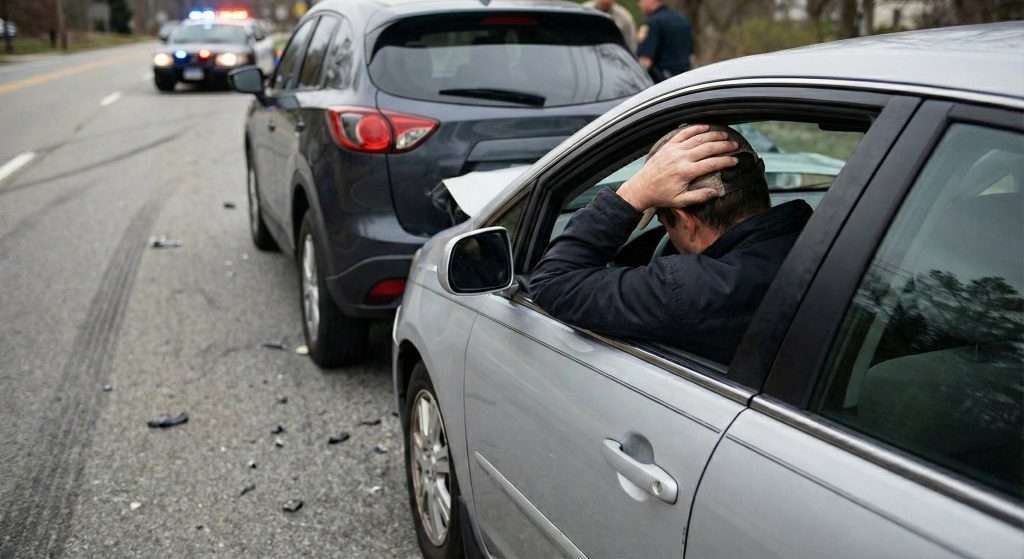
You were in a car accident. Maybe it was a rear-end collision on the QEW. Maybe someone ran a red light at Trafalgar and Dundas. Maybe it happened on Winston Churchill Boulevard during the morning commute. The car is being dealt with by the insurance adjuster. But now your neck is stiff, your back aches, headaches are creeping in, and you are wondering: do I need physiotherapy, is it covered, and how do I start?
Here is the short answer: yes, your Ontario auto insurance covers physiotherapy after a car accident regardless of who was at fault. You do not need a doctor’s referral to start. You can begin treatment immediately. And you should, because the research is clear that early physiotherapy after a motor vehicle accident produces faster recovery and better long-term outcomes than waiting.
This post explains how the system works, what is covered, what the process looks like from your first call to your last appointment, and what to do if your insurer pushes back. At Wellmax Physiotherapy in Oakville, we treat motor vehicle accident injuries every week and handle the insurance process on your behalf. See our MVA rehabilitation page for detailed treatment information.
How Ontario Auto Insurance Coverage Works for Physiotherapy
The No-Fault System
Ontario operates on a no-fault auto insurance system. This does not mean nobody is at fault for the accident. It means that after a collision, you deal with your own insurance company for accident benefits, not the other driver’s insurer. This is designed to get injured people into treatment quickly without waiting for fault to be determined in court, which can take months or years.
Whether you were the driver, a passenger, a pedestrian, or a cyclist, your own auto insurance policy (or the policy of the vehicle you were in) provides accident benefits that cover physiotherapy.
The Minor Injury Guideline (MIG)
Most soft tissue injuries from car accidents (sprains, strains, whiplash) are classified under the Minor Injury Guideline. The MIG provides up to $3,500 in treatment coverage for these injuries, plus assessment costs. This amount covers physiotherapy, massage therapy, and other approved treatments.
$3,500 may sound limited, but for many soft tissue injuries it is adequate when treatment starts early and is focused on active rehabilitation rather than passive modalities. A structured physiotherapy program of 10 to 16 sessions can accomplish significant recovery within this limit.
Important: if your injuries are more complex than typical soft tissue damage (herniated discs, fractures, chronic pain that develops, concussion symptoms, or psychological conditions like anxiety or PTSD related to the accident), your treating physiotherapist and physician can submit documentation to have you moved out of the MIG and into the broader benefit category.
Non-Catastrophic Injuries: Up to $65,000
Injuries that exceed the MIG definition qualify for up to $65,000 in combined medical, rehabilitation, and attendant care benefits. This includes conditions like herniated discs, chronic pain syndromes, concussions with prolonged symptoms, fractures, and injuries requiring surgery. This significantly expands your access to physiotherapy, massage therapy, psychological support, and other treatments needed for full recovery.
Catastrophic Injuries: Up to $1,000,000
Severe injuries such as traumatic brain injury, spinal cord injury, amputations, or loss of vision qualify for up to $1,000,000 in combined benefits. These cases involve long-term, multidisciplinary rehabilitation.
July 2026 Reform: What’s Changing
Ontario’s accident benefits system is undergoing significant reform effective July 1, 2026. The key point for physiotherapy: medical, rehabilitation, and attendant care benefits will remain mandatory in all auto insurance policies. Your physiotherapy coverage after a car accident is not changing.
What is changing: income replacement benefits, caregiver benefits, and non-earner benefits are becoming optional. Drivers can choose to customize their coverage based on their needs. Additionally, auto insurance will become the “first payer” for medical and rehabilitation expenses, meaning your auto policy covers treatment costs before your extended health benefits or employer plan kicks in.
If you are reviewing your auto insurance policy before July 2026, do not opt out of income replacement benefits to save a few dollars on your premium. The financial protection they provide after a serious accident far outweighs the cost.
Step by Step: How to Start Physiotherapy After Your Accident
Step 1: Get Medical Attention Immediately
Visit an emergency room or your family doctor as soon as possible after the accident, even if your symptoms feel mild. Car accident injuries, particularly whiplash and concussion, often worsen in the 24 to 72 hours following the collision. Getting assessed right away creates the medical documentation that supports your insurance claim and ensures nothing serious is missed.
Step 2: Report the Accident to Your Insurance Company
Contact your auto insurer promptly to open an accident benefits claim. They will provide you with the Ontario Claims Forms, including the OCF-1 (Application for Accident Benefits). Filing this form within 30 days of the accident is important to avoid delays in benefit approval.
Step 3: Choose a Physiotherapy Clinic That Handles MVA Claims
Not all clinics accept auto insurance billing. Look for a clinic that is experienced with the Health Claims for Auto Insurance (HCAI) system and can submit the required treatment plans and progress reports on your behalf. At Wellmax, we handle the entire insurance process. You focus on recovery. We handle the paperwork.
Step 4: Begin Treatment
You do not need to wait for insurance authorization to start physiotherapy. Ontario law entitles you to begin treatment immediately after reporting the accident. Your physiotherapist will complete an initial assessment report and treatment plan (OCF-18 or OCF-23 for MIG injuries) and submit it to your insurer. In most cases, treatment begins and the insurer is billed directly. You do not pay out of pocket.
Common Car Accident Injuries We Treat
Whiplash
The most common car accident injury. The sudden acceleration-deceleration force of a collision causes the neck to whip forward and backward, straining the muscles, ligaments, and joints of the cervical spine. Symptoms include neck pain and stiffness, headaches (often starting at the base of the skull), shoulder pain, dizziness, and sometimes arm pain or tingling. Whiplash responds well to early physiotherapy combining manual therapy, progressive neck strengthening, and postural education. Most cases improve significantly within 6 to 12 weeks. Learn more about neck pain and headache treatment.
Lower Back Pain
The impact forces of a collision compress and strain the lumbar spine. Disc herniations, facet joint sprains, and muscle strains are common. Some patients develop sciatica (pain radiating down the leg) from disc pressure on a nerve root. Treatment includes directional preference exercises, manual therapy, core strengthening, and activity modification. See our back pain and sciatica page.
Concussion
A concussion does not require hitting your head. The rapid deceleration of a collision can cause the brain to move within the skull, producing concussion symptoms: headaches, dizziness, brain fog, light sensitivity, difficulty concentrating, and fatigue. Concussion physiotherapy includes vestibular rehabilitation, graded return to activity protocols, and symptom management. See our concussion rehabilitation page.
Shoulder Injuries
Bracing against the steering wheel or dashboard during impact can strain the rotator cuff, sprain the AC joint, or aggravate existing shoulder conditions. Seatbelt-related chest and shoulder bruising is also common. See our shoulder pain treatment page.
Knee Injuries
Dashboard impact (where the knee strikes the dashboard during a frontal collision) can cause ligament sprains, meniscus injuries, and patellofemoral pain. See our knee pain treatment page.
Chronic Pain After MVA
Some patients develop persistent pain that outlasts the normal healing timeline. This is not imagined. Chronic pain after a car accident involves real changes in how the nervous system processes pain signals (central sensitization). Treatment requires a different approach than acute injury management, combining graded activity, pain neuroscience education, and progressive functional loading. See our chronic pain treatment page.
Frequently Asked Questions
Do I need a doctor’s referral to start physiotherapy after a car accident?
No. Physiotherapy is direct access in Ontario. You can self-refer and begin treatment immediately. However, getting assessed by your doctor or an emergency department creates important medical documentation for your insurance claim. We recommend doing both: see a doctor for documentation, and book physiotherapy to begin treatment.
Will I have to pay anything out of pocket?
In most cases, no. We bill your auto insurer directly through the HCAI system. You do not need to use your extended health benefits for car accident injuries. Your auto insurance accident benefits are separate from your workplace health plan. See our insurance and billing page for details.
How soon after the accident should I start physiotherapy?
As soon as possible. Research consistently shows that early intervention (within the first 1 to 2 weeks) produces faster recovery and reduces the risk of chronic symptoms developing. Waiting weeks or months before starting treatment allows deconditioning, fear avoidance patterns, and central sensitization to develop, all of which make recovery slower and harder.
What if I feel fine right after the accident but develop symptoms later?
This is extremely common. Adrenaline and the stress response can mask pain for hours or days after a collision. Whiplash symptoms often peak 24 to 72 hours after the accident. Some symptoms take days or even weeks to fully develop. If you were in an accident and symptoms appear later, you are still entitled to accident benefits. Report the symptoms to your doctor and contact your insurer to start the claims process.
What if my insurance company denies my treatment plan?
Insurers can deny or limit treatment plans. If this happens, you have the right to request a reassessment, provide additional medical documentation, or dispute the decision through the Licence Appeal Tribunal (LAT). Your treating physiotherapist can provide clinical rationale and supporting documentation. If you are being denied coverage for injuries that are clearly related to the accident, consulting a personal injury lawyer who specializes in accident benefits is a reasonable step.
Can I choose my own physiotherapy clinic?
Yes. You have the right to choose where you receive treatment. Your insurer cannot dictate which clinic you attend. Choose a clinic that has experience with MVA claims, handles the insurance billing directly, and provides one-on-one, hands-on care with honest guidance on your progress.
What if my injuries are classified as “minor” under the MIG but I feel they are more serious?
The Minor Injury Guideline classification can be challenged. If your symptoms are worsening, not responding to treatment within the expected timeline, or involve neurological symptoms, disc herniations, concussion, or chronic pain development, your treating physiotherapist and physician can submit documentation to have your injuries reclassified. This opens access to the full $65,000 benefit limit.
Does physiotherapy after a car accident include massage therapy?
Yes. Registered massage therapy is covered under the same accident benefits. At Wellmax, we offer both physiotherapy and massage therapy as part of an integrated MVA treatment plan. Both are billed directly to your auto insurer.
Why Early Treatment Matters
The single biggest mistake people make after a car accident is waiting. Waiting for the pain to go away on its own. Waiting for the insurance to sort itself out. Waiting for a referral. Every week of delay allows injured tissues to stiffen, muscles to weaken, movement patterns to compensate, and the nervous system to become more sensitized to pain.
The evidence is clear: patients who begin physiotherapy within the first 2 weeks of a car accident recover faster, have fewer chronic symptoms, return to work sooner, and use fewer healthcare resources overall compared to those who delay treatment. Starting early is the single highest-impact decision you can make for your recovery.
Related Conditions and Services
Motor Vehicle Accident Rehabilitation — Our comprehensive MVA treatment program.
Neck Pain & Headaches — Whiplash, cervicogenic headaches, and neck injuries from car accidents.
Back Pain & Sciatica — Disc herniations, lumbar sprains, and sciatic nerve pain from collision forces.
Concussion Rehabilitation — Post-concussion assessment, vestibular rehab, and return-to-activity protocols.
Shoulder Pain — Rotator cuff injuries, AC joint sprains, and seatbelt-related shoulder strain.
Chronic Pain — When accident-related pain persists beyond normal healing timelines.
Massage Therapy — Registered massage therapy covered under MVA accident benefits.
Deep Tissue Laser Therapy — Acute inflammation management for car accident injuries.
WSIB & Workplace Injury — If your accident occurred during work-related driving.
Insurance & Direct Billing — Coverage details and direct billing to most major providers.
Wellmax Physiotherapy
1148 Winston Churchill Blvd, Unit B3, Oakville, ON L6J 0A3
Phone: (905) 829-1100
Email: info@wellmaxphysiotherapy.ca
Proudly Serving Our Local Communities:
- East Oakville: Winston Park, Clearview, and the QEW/403 Corridor.
- South Oakville: Eastlake, Maple Grove, and Old Oakville.
- North Oakville: Joshua Creek, Falgarwood, and Upper Middle Road.
- Mississauga Border: Clarkson, Sheridan Park, and Sheridan Homelands.
Insurance: Direct billing to auto insurers, extended health plans, WSIB, and MVA. No referral needed.
Hours: Monday to Friday: 9am to 7pm | Saturday: 9am to 2pm | Sunday: 9am to 2pm (by appointment only)
This article is for educational purposes only and does not replace a professional clinical assessment or legal advice. Insurance coverage details are based on Ontario’s Statutory Accident Benefits Schedule as of April 2026 and may change. For specific questions about your coverage, contact your auto insurer or a personal injury lawyer. If you are experiencing a medical emergency, call 911 or visit your nearest emergency department.
