
Does Acupuncture Work for Pain?
If you have searched whether does acupuncture work for pain, the honest answer from current research is yes for several common chronic conditions, with effects that are real for many people even though scientists still argue about exactly how it works. Acupuncture is not a cure-all, and it is not magic. It is a well-studied therapy that, for the right person and the right problem, can meaningfully reduce pain and help you move and sleep better.
At Wellmax Physiotherapy in Oakville, our practitioners use acupuncture and cupping alongside physiotherapy, massage and exercise, not as a replacement for them. This article explains what the evidence actually shows, what a session feels like, how acupuncture differs from dry needling, what those round cupping marks mean, and how to set realistic expectations.
Key Takeaways
- Large, high-quality reviews show acupuncture gives real, moderate relief for several chronic pains.
- Some of the benefit is context and expectation, but real needling adds a measurable effect.
- Cupping marks are not bruises; they are harmless and usually fade within a few days.
- At Wellmax, acupuncture and cupping are one tool alongside hands-on care and exercise.
What is acupuncture, exactly?
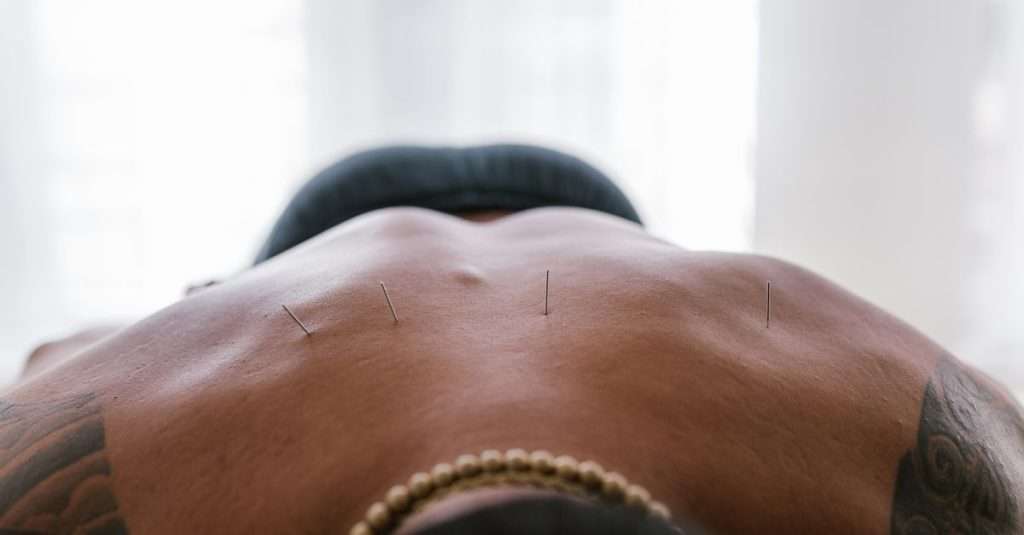
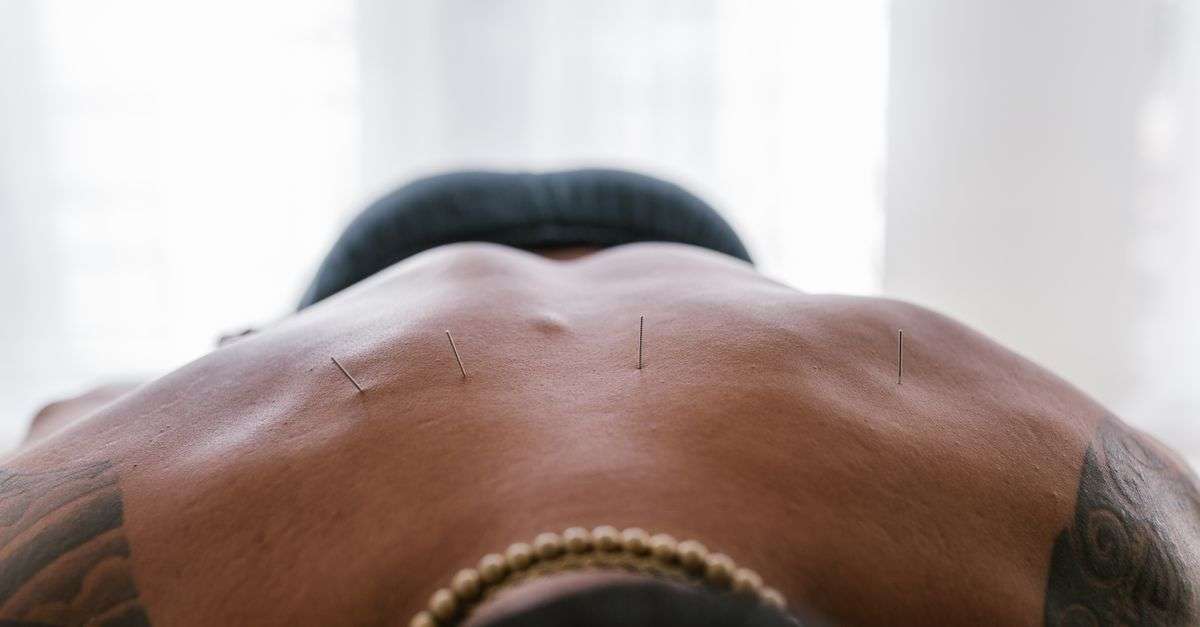
Acupuncture is the insertion of very thin, sterile, single-use needles into specific points on the body. The needles are about the width of a few human hairs, far finer than the needles used for injections or blood draws. Most are left in place for 15 to 30 minutes while you rest.
Traditional acupuncture comes from Chinese medicine and maps needle locations to a system of meridians and energy flow. Modern Western practitioners often describe the same points in terms of nerves, muscle trigger points and connective tissue. You do not have to believe in any particular philosophy for the treatment to be worth trying. What matters is whether it helps your symptoms and is delivered safely by a qualified provider.
In Ontario, acupuncture is a controlled act that can be performed by regulated professionals, including registered physiotherapists, chiropractors, registered massage therapists and naturopaths who have completed the required training. That regulation matters for both safety and insurance coverage.
“The relief from acupuncture is real for many people, even as scientists debate exactly why.”
Does acupuncture work for pain, or is it just placebo?
This is the central debate, and it deserves a straight answer. Large, high-quality reviews show that acupuncture produces moderate, real reductions in several types of chronic pain. The most cited evidence is the individual patient data meta-analysis by Vickers and colleagues, first published in 2012 and updated in 2018, which pooled data from nearly 21,000 patients across 39 trials. It found acupuncture was significantly better than no acupuncture and modestly better than sham (fake) acupuncture for chronic pain.
The conditions with the strongest support are:
- Chronic low back pain
- Chronic neck pain
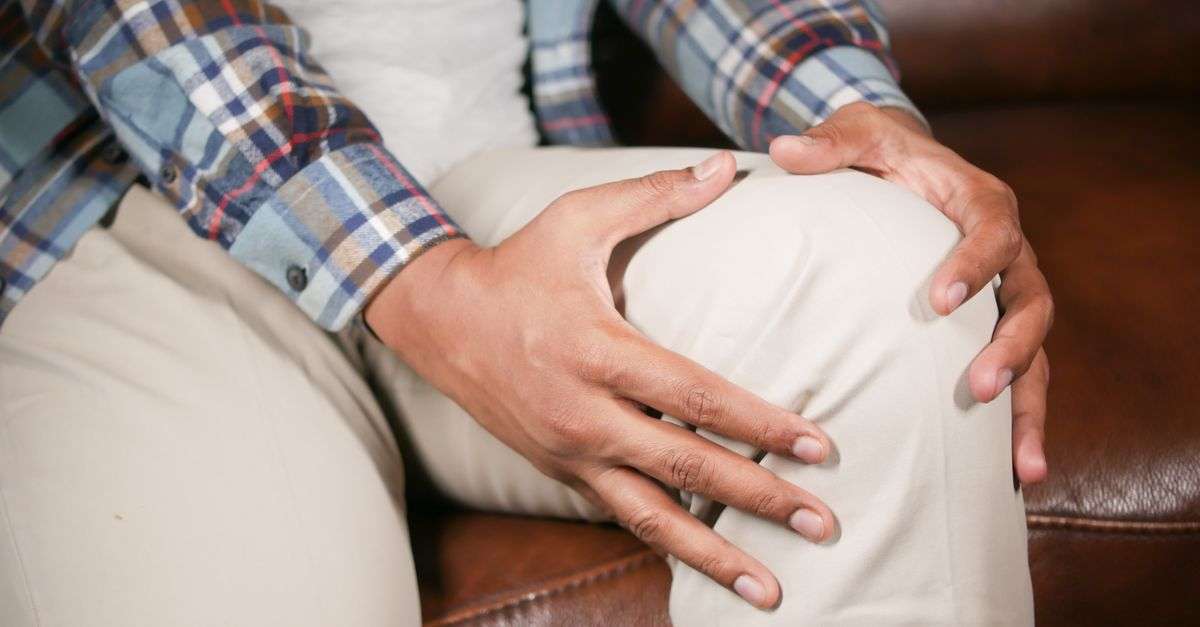
- Knee osteoarthritis
- Tension-type headache
- Migraine prevention (reducing how often migraines happen)
The honest part is the gap between real acupuncture and sham. In many studies, people who got fake needling (shallow needles, or needles in non-traditional spots) also improved, just slightly less than the real-needle group. That tells us two things. First, a meaningful chunk of the benefit comes from the ritual, attention and expectation around treatment, which is the placebo effect. Second, real needling still adds something measurable on top of that. So the effect is partly specific and partly contextual, and both parts are clinically useful when the goal is less pain.
Where does that leave you? If you have ongoing back, neck or knee pain, or frequent tension headaches or migraines, acupuncture is a reasonable, evidence-supported option to try. It is less established for many other conditions, where the research is thinner or mixed, so claims should be modest.
How might acupuncture reduce pain?
No single mechanism explains everything, and the science is still developing. Several plausible effects are supported by research:
Nervous system modulation
Needling stimulates sensory nerves under the skin and in muscle. This sends signals to the spinal cord and brain that can dampen how strongly pain signals are processed. Over a course of treatment, this may help calm an over-sensitized nervous system, which is common in chronic pain.
Endorphin and natural opioid release
Acupuncture appears to trigger the release of the body’s own pain-relieving chemicals, including endorphins and enkephalins. These bind to the same receptors that pain medications target, which may explain part of the short-term relief people feel.
Gate-control and local effects
The gate-control theory suggests that non-painful input (like a needle’s sensation) can partly close the “gate” that lets pain signals through. Locally, needling may briefly increase blood flow to the area and prompt a small healing response in the tissue. Releasing tight trigger points in muscle can also reduce referred pain and stiffness.
The takeaway: acupuncture is best understood as a way to nudge the nervous system and local tissues, not as something that fixes a structural problem on its own. That is why it pairs so well with exercise and physiotherapy, which address the underlying cause.
What is the difference between acupuncture and dry needling (IMS)?
People often confuse these, and the tools look similar. Both use thin filament needles, but the framework differs.
- Traditional acupuncture targets defined points along meridians and often uses a broader set of points to address pain and overall function. Needles are usually retained for several minutes.
- Dry needling (also called IMS, intramuscular stimulation) is a Western technique aimed specifically at myofascial trigger points, those tight, tender knots in muscle. The practitioner often advances the needle into the muscle to provoke a brief twitch response, then removes it more quickly. It is rooted in anatomy and pain science rather than meridian theory.
In practice, the line blurs. Many regulated physiotherapists are trained in both and choose the approach that fits your problem. For a stubborn muscular trigger point in the shoulder or hip, dry needling may be the better fit. For a more general chronic pain or headache pattern, traditional acupuncture points may be used. Our practitioners will explain which approach they are using and why.
What does an acupuncture session feel like?
Most people are surprised by how mild it is. Here is roughly what to expect:
- Assessment. Your provider reviews your history, your pain pattern and your goals, and screens for anything that needs caution.
- Needle insertion. You lie comfortably. Needles go in quickly. You may feel a tiny pinch, a dull ache, a heaviness or a mild tingling at some points. This sensation, sometimes called “de qi,” is normal and not the same as sharp pain.
- Rest. The needles stay in for 15 to 30 minutes while you relax. Many people feel calm or even drift off.
- Removal. Needles come out painlessly, and you carry on with your day.
Does acupuncture hurt? For most people, not much. The needles are far thinner than a vaccine needle, and many points are barely felt. If a point is too uncomfortable, tell your provider and they will adjust it.
How many sessions does it take?
Acupuncture works gradually, not in a single dramatic session. A common starting plan is one to two sessions per week for four to six weeks, then a reassessment. Some people notice a shift after two or three sessions; others need the full course before deciding if it helps. If there is no meaningful change after about six well-delivered sessions, it is reasonable to stop or change strategy rather than continue indefinitely.
Who benefits most from acupuncture?
Acupuncture tends to help most when the pain is chronic, muscular or nerve-related, and when it is combined with active treatment. Good candidates often include people dealing with persistent back pain and sciatica, ongoing neck pain and tension headaches, knee osteoarthritis, or shoulder pain with muscular trigger points. It is also commonly used as part of a chronic pain plan, and for frequent headaches and migraines as a prevention strategy.
Acupuncture is less likely to resolve problems that are mainly structural or mechanical on their own, such as a torn ligament or advanced joint damage. In those cases it may still help with pain and muscle guarding while the real fix (rehab, strengthening, or sometimes medical care) does the heavy lifting.
Is acupuncture safe? What are the side effects?
When performed by a trained, regulated provider using sterile single-use needles, acupuncture is very safe. Serious complications are rare. The most common side effects are minor and short-lived:
- Slight bruising or a small drop of blood at a point
- Mild soreness for a day or so
- Temporary tiredness or light-headedness after a session
To stay on the safe side, tell your provider if you are pregnant, take blood thinners, have a bleeding disorder, have a pacemaker, or have a weakened immune system, since these may change how treatment is done. Our practitioners always use new, sterile needles for every session, and dispose of them properly. Choosing a regulated professional in Oakville rather than an untrained provider is the single most important safety step.
What is cupping, and what do the marks really mean?
Cupping is a separate therapy often offered in the same session. The provider places cups (glass, silicone or plastic) on the skin and creates suction, either with heat or a small pump. The suction gently lifts the skin and underlying tissue into the cup. Cups are usually left in place for a few minutes, or slid along oiled skin for a massage-like effect.
Are cupping marks bruises?
No, and this is the part people worry about most. A bruise comes from a trauma or impact that breaks blood vessels. Cupping marks come from gentle, sustained suction that draws a small amount of blood to the surface of the skin in the area under the cup. There is no blow and no crushing of tissue. The round, reddish or purplish circles are simply that pooled blood near the surface, not damage. They are usually painless to the touch.
The colour can vary from light pink to deeper purple, and tends to be darker in areas that are more tight or congested. That is a rough observation, not a precise diagnosis, so do not read too much into the exact shade.
How long do cupping marks last?
Most cupping marks fade within three to seven days, sometimes up to ten. They typically lighten the way a bruise does, shifting in colour as they clear. They are harmless and do not need any treatment. If you have an event where you do not want visible marks, plan your cupping a week or more ahead, or ask for lighter, shorter suction.
What does cupping help with?
The evidence for cupping is more limited than for acupuncture, with smaller and lower-quality studies. That said, many people report short-term relief of muscle tightness and pain, particularly across the back, shoulders and neck. It is best viewed as a comfort and mobility aid that can loosen tight muscles before exercise or hands-on work, not as a treatment that resolves an underlying problem by itself. Honest expectations matter: helpful for many, not a cure.
How do acupuncture and cupping fit with physiotherapy?
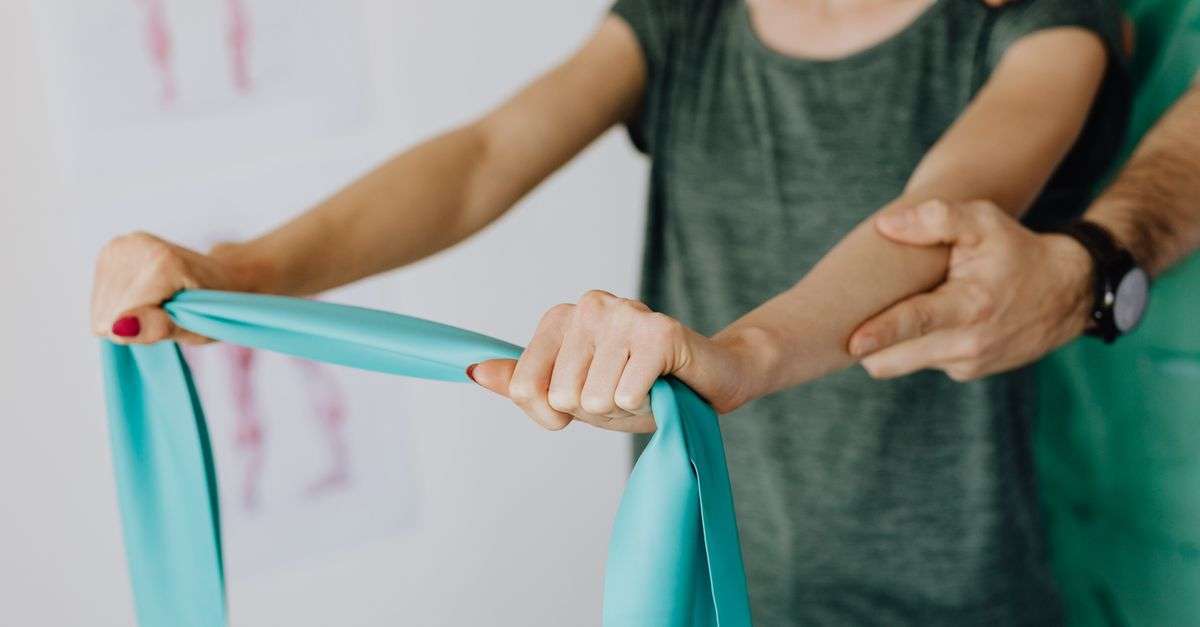
This is where these therapies earn their place. Pain relief on its own is useful, but lasting change usually comes from addressing why the pain started: weak or deconditioned muscles, poor movement patterns, or an over-protective nervous system. Acupuncture and cupping can lower pain and muscle tension enough to let you do the active work that actually changes things.
At Wellmax, our practitioners frequently combine acupuncture and cupping therapy with hands-on physiotherapy, massage therapy and a tailored exercise program. A typical pattern might be acupuncture or cupping to calm a flare-up, followed by targeted strengthening and mobility work so the relief holds. The needles and cups buy you a window; the exercise keeps the door open.
How we use acupuncture and cupping at Wellmax
Our approach is deliberately measured. We reach for acupuncture or cupping only when they add real value for your specific problem, and always alongside hands-on manual therapy and a targeted plan that addresses the root cause. They are one tool in the toolbox, never the whole treatment. Because Wellmax is a multidisciplinary team under one roof, acupuncture can be coordinated internally with your physiotherapy, massage or chiropractic care, so the people treating you actually talk to each other rather than working in silos.
That coordination starts with a proper look at the problem. Our physiotherapy initial assessment is a full 60 minutes and leads with hands-on manual therapy to find out why the pain has not resolved, not just where it hurts today. Many patients tell us the most valuable part is finally getting a clear explanation of what is going on and why earlier attempts did not stick. From there, any needling or cupping is folded into a plan with a purpose, and our aim is to get you better and graduate you, rather than keep you coming back for endless ongoing visits. If you want to know whether these therapies belong in your plan, the simplest step is a free assessment where we can talk it through.
What are realistic expectations?
Set your expectations like this. Acupuncture has reasonable, research-backed value for chronic low back pain, neck pain, knee osteoarthritis, tension headache and migraine prevention. Effects are usually moderate, build over several sessions, and work best as part of a broader plan. The debate over mechanism and point specificity is genuine, but it does not erase the fact that many people get real relief. Cupping has weaker evidence but offers short-term comfort for tight muscles, and the marks it leaves are pooled surface blood from suction, not bruises, fading in a few days.
If you have tried acupuncture for several sessions with no change, it is sensible to stop or pivot. And if your pain is new, severe, or comes with red flags like numbness, weakness, fever or unexplained weight loss, see a clinician for a proper assessment before assuming any single therapy is the answer.
Not sure where to start?
Book a free consultation and we will point you to the right care, with no pressure.
Related Services at Wellmax
- Acupuncture & Cupping Therapy in Oakville
- Physiotherapy
- Back Pain & Sciatica Physiotherapy
- Neck Pain & Headache Physiotherapy
- Chronic Pain Physiotherapy
- Massage Therapy
Book Your Free Consultation in Oakville
If you are curious whether acupuncture or cupping could help your specific pain, the best next step is to ask. Our practitioners in Oakville offer a free consultation to talk through your symptoms and whether these therapies, on their own or alongside physiotherapy, are a good fit for you.
Wellmax Physiotherapy
1148 Winston Churchill Blvd, Unit B3, Oakville, ON L6J 0A3
Phone: (905) 829-1100
Email: info@wellmaxphysiotherapy.ca
We offer direct billing to most major insurers, and we accept WSIB and motor vehicle accident claims. No doctor’s referral is needed to book.
Hours: Monday to Friday 9am to 7pm, Saturday 9am to 2pm, Sunday 9am to 2pm (by appointment only).
You Might Also Like

Gurmeet Rai, Registered Physiotherapist
Gurmeet is a Registered Physiotherapist with the College of Physiotherapists of Ontario and the Clinic Director and co-owner of Wellmax Physiotherapy in Oakville, with 16+ years of clinical experience. She focuses on complex, stubborn cases where earlier treatment has not worked, with advanced training in pelvic health, TMJ, vestibular, and sports and MSK rehab. Expect expert care from assessment to discharge, with honest guidance along the way. Read Gurmeet’s full profile or meet the team.
This article is for educational purposes only and does not replace a professional clinical assessment. Every body and condition is different. If you are experiencing pain or symptoms, book an assessment with a qualified clinician for advice specific to your situation. If you are experiencing a medical emergency, call 911 or visit your nearest emergency department.
