


A little leak when you sneeze. A dash to the bathroom that you only just win. A heavy, dragging feeling by the end of a long day on your feet. Many women are told these things are just part of having kids or getting older, and so they quietly put up with them for years.
They are common, but you do not have to live with them. This guide covers the signs of a weak pelvic floor, the signs of one that is too tight instead, what the research says about pelvic floor exercises, and when to see a physiotherapist or your doctor.
The short answer: common signs of a weak pelvic floor are leaking urine when you cough, sneeze, laugh, lift or jump, a sudden urge that is hard to hold, trouble controlling wind, and heaviness or bulging in the vagina. A pelvic floor that is too tight can cause similar symptoms, so an assessment, not guesswork, decides the right exercises. Our pelvic floor physiotherapy in Oakville starts with exactly that assessment, with a Level 3 pelvic health certified physiotherapist.
Key Takeaways
- Leaking with a cough, sneeze, laugh or jump is the classic sign of a weak pelvic floor, but heaviness, urgency and trouble holding wind can also show up.
- A tight (overactive) pelvic floor can cause leaking and urgency too, which is why more Kegels are not always the answer.
- In a 2018 Cochrane review, women with stress leakage who did pelvic floor muscle training were about eight times more likely to report that their leakage had resolved by the end of treatment than women who had no treatment.
- Blood in your urine, or new loss of bladder or bowel control with back pain or numbness between your legs, needs a doctor or emergency care, not exercises.
What does the pelvic floor actually do?
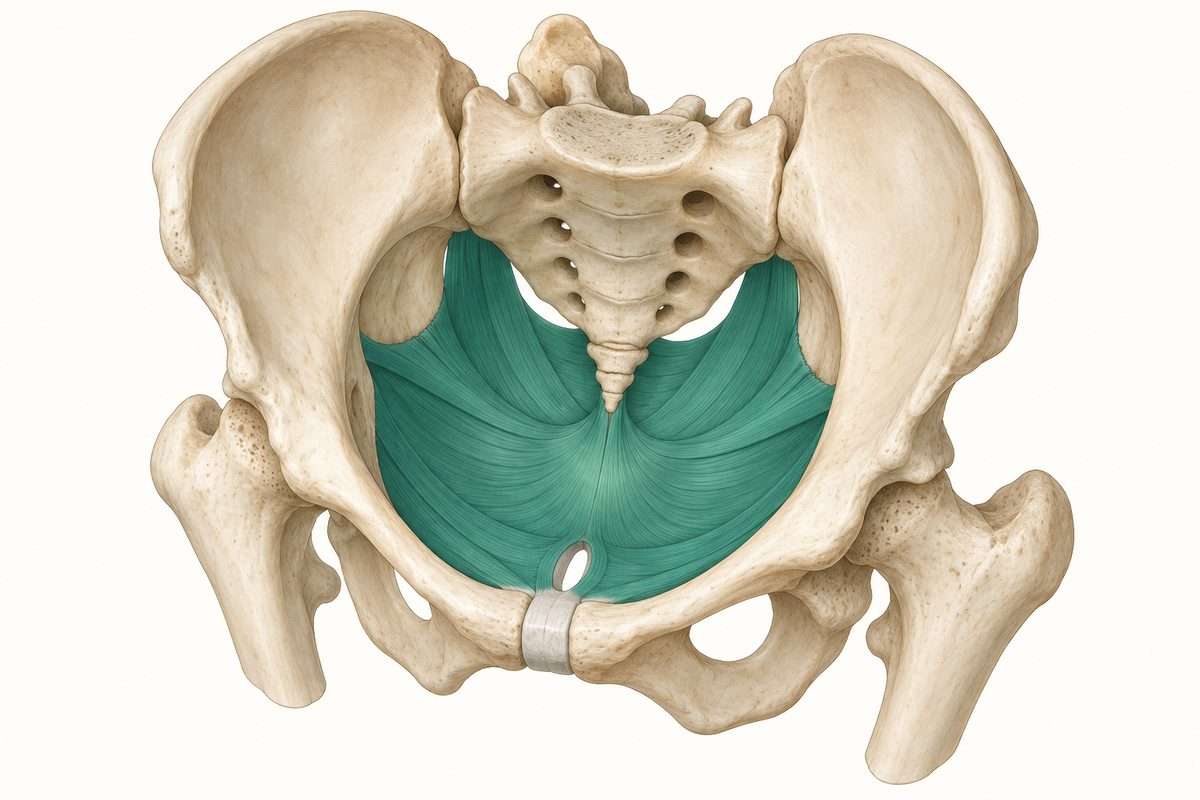
The pelvic floor is a hammock of muscles across the bottom of your pelvis, from the pubic bone at the front to the tailbone at the back. It supports the bladder, bowel and uterus, keeps you continent, plays a part in sexual sensation, and works with your diaphragm and deep tummy muscles every time you breathe, lift or cough.
A healthy pelvic floor has two skills: it tightens quickly when pressure rises, and it lets go fully when you empty your bladder or bowel, or during sex. Problems show up when either skill is off.
What are the signs of a weak pelvic floor?
The clearest sign of a weak pelvic floor is leaking urine when pressure in your tummy rises, such as with a cough, sneeze, laugh, jump or heavy lift. The patterns people most often notice:
- Leaking with effort. A few drops, or more, when you cough, sneeze, laugh, run or lift. This is stress urinary incontinence, the sign most closely linked to weakness. Our bladder leakage and incontinence page explains how it is treated.
- Urgency. A sudden need to pee that is hard to hold. Urgency has several possible causes, so it deserves a proper look.
- Trouble controlling wind or stool. Passing gas you did not mean to, or struggling to hold a bowel movement.
- Heaviness or a bulge. A dragging, “something is falling out” feeling in the vagina, often worse late in the day. This can be a sign of pelvic organ prolapse. For milder prolapse that causes symptoms, NICE recommends considering a supervised pelvic floor muscle training program.
- Changes during sex. Some women notice less sensation or arousal. Research has linked weaker pelvic floor muscles with lower arousal and orgasm scores.
None of these signs on its own tells you what is going on. They are patterns worth getting checked, not a label to give yourself.

Who is more likely to notice these signs?
The 2021 NICE guideline on pelvic floor dysfunction (NG210) lists risk factors you can change, such as a body mass index over 25, smoking, low exercise, constipation and diabetes, and ones you cannot, such as age, family history, gynaecological surgery and a long-term cough. Birth factors include being over 30 when having a baby, a forceps or vacuum birth, a pushing stage over an hour, or an anal sphincter tear. After a baby, our postpartum physiotherapy page explains how recovery is supported.
What are the signs of a tight pelvic floor instead?
A pelvic floor that is too tight (overactive or hypertonic) tends to cause pain, trouble emptying and urgency, rather than leaking alone. The muscles hold on when they should let go. Common patterns:
- Pain with sex, or with inserting a tampon
- A slow or stop-start urine stream, or a feeling that you have not fully emptied
- Constipation and straining, or a feeling the bowel will not fully release
- Aching in the pelvis, tailbone or sit bones, often worse with long periods of sitting
- Urgency and frequency, with little coming out each time
Our full guide, why Kegels can make an overactive pelvic floor worse, covers this side in depth. The key point: the plan for a tight floor starts with learning to relax, not squeeze.

Why do weak and tight symptoms overlap?
The two can look alike. The International Continence Society notes that overactive pelvic floor muscles mostly cause trouble with emptying, but in some situations can also lead to leaking. One explanation clinicians often give is that a pelvic floor held tense all day may have little left to react with when you cough.
The society, which sets the terms clinicians use, describes pelvic floor muscles that are underactive (they cannot contract when they should) and overactive (they do not relax when they should). Many people have a mix, or muscles that are strong but poorly timed. The table shows how patterns tend to lean. It describes patterns to notice and bring to your assessment. It cannot tell you which type you have.
| Pattern you notice | Often leans weak | Often leans tight |
|---|---|---|
| Leaking with a cough, sneeze or jump | Yes, the classic sign | Sometimes |
| Sudden urge to pee | Sometimes | Sometimes |
| Heaviness or a bulge | More common | Less common |
| Pain with sex or tampons | Less common | More common |
| Slow stream, not feeling empty, straining | Less common | More common |
Are Kegels always the answer for a weak pelvic floor?
No. Kegels (pelvic floor contractions) help many people with a weak floor, but only when done correctly and only when weakness is really the problem.
Technique is the first hurdle. In a 1991 study in the American Journal of Obstetrics and Gynecology, Bump and colleagues gave women brief verbal instructions, then measured their Kegels. Only 49 percent did an ideal contraction, and 25 percent used a technique that could promote leaking. The authors concluded that simple verbal or written instructions are not enough.
The second is guessing wrong. If your floor is already tight, extra squeezing can add tension, and US National Library of Medicine guidance warns that doing Kegels incorrectly or with too much force can tighten the vaginal muscles too much and cause pain with sex. That is why NICE says pelvic floor training should be supervised by a physiotherapist or other professional with the right expertise, including checking that you can both contract and relax the muscles.
What are the 5 pelvic floor exercises?
There is no official list of five. Most good programs combine the same building blocks, chosen and dosed by a physiotherapist for the floor you actually have.
1. Breathing that lets the pelvic floor move
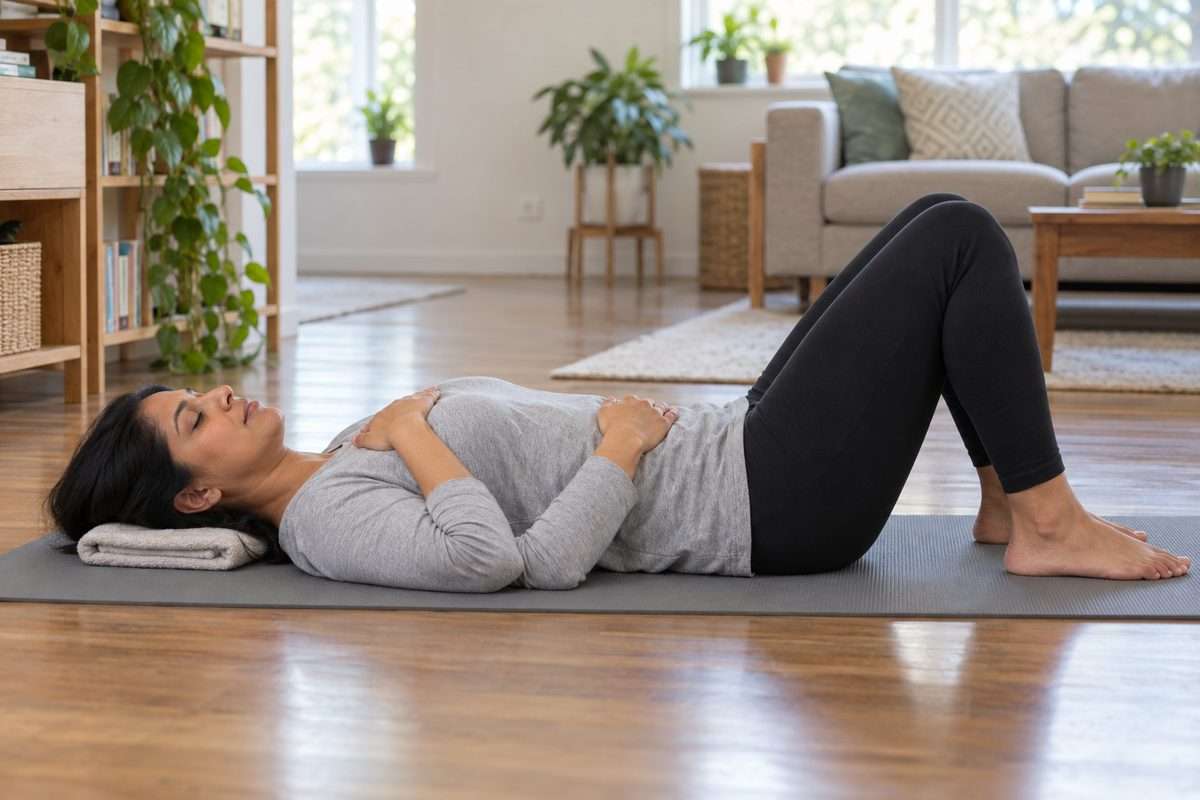
Lie on your back with your knees bent. Breathe in slowly and let your belly and lower ribs widen; the pelvic floor gently lowers and softens. As you breathe out, it rises a little. Many programs start here, because a muscle has to let go before it can work well.
2. Slow holds and quick squeezes
A pelvic floor contraction feels like stopping yourself passing wind and lifting gently up and in. Slow holds build endurance, and quick squeezes train the fast reaction you need for a sneeze. Relax fully between every one; the letting go is part of the exercise. Do not make a habit of practising by stopping your urine mid-stream: US National Library of Medicine guidance advises against regularly doing Kegels while you pee.
3. Squeeze before you sneeze
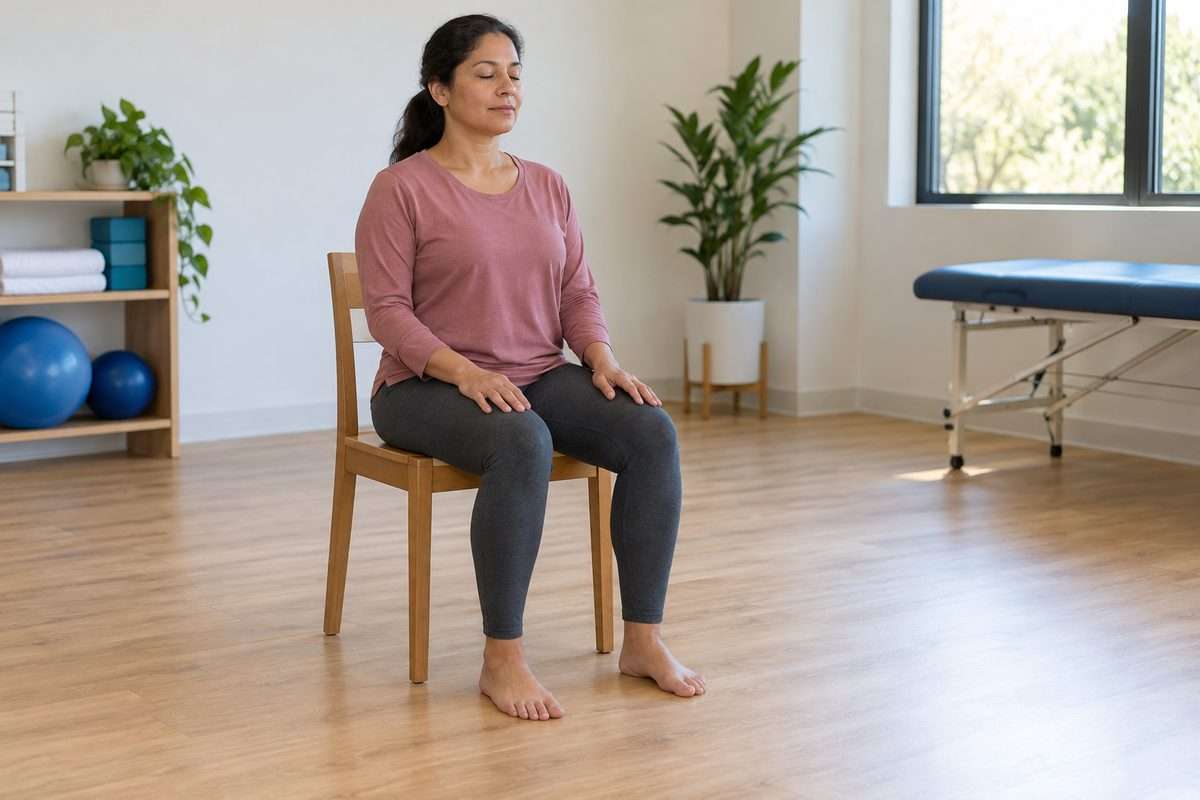
This is often called “the knack”: a quick pelvic floor contraction just before and during a cough, sneeze or lift. In a small 1998 study of 27 older women with mild to moderate stress leakage, one week after learning it, using the knack cut leaking during a medium cough by an average of 98 percent, and during a deep cough by 73 percent. It was one small trial, but it is an easy habit to practise.
4. Bridges and hip strength
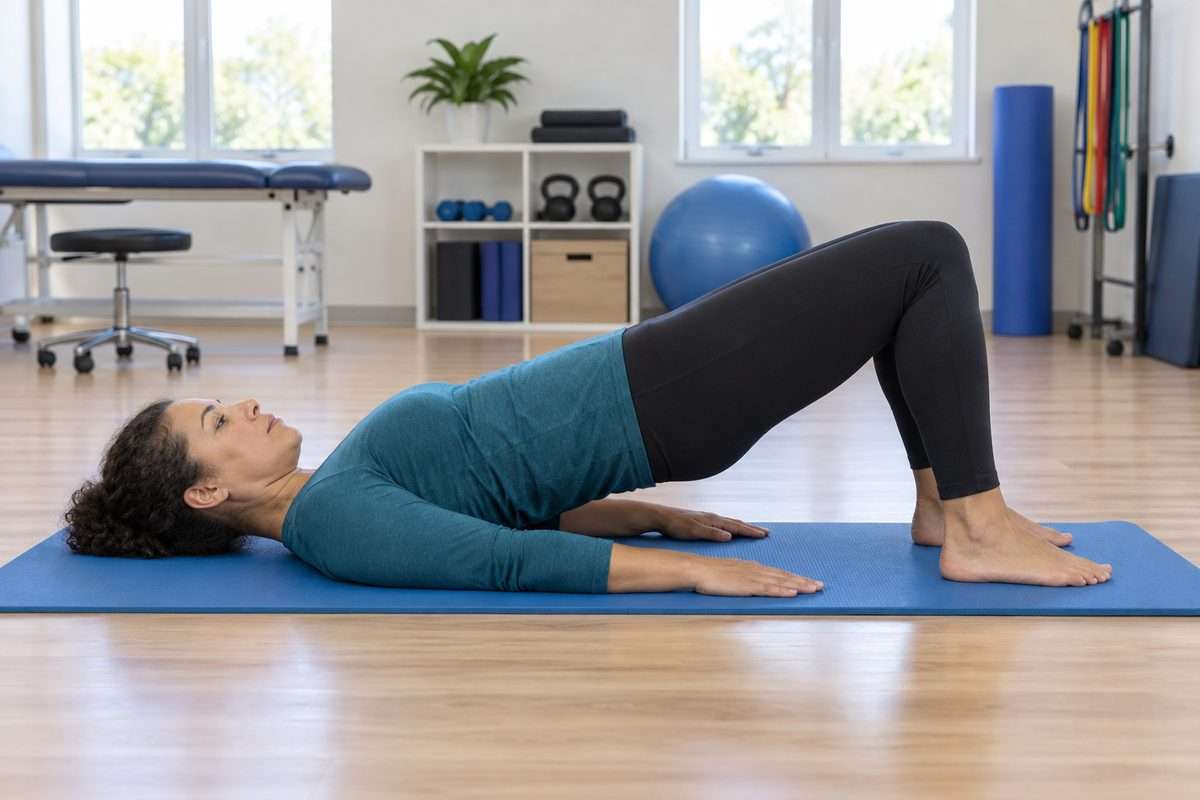
Bridges and side-lying clamshells strengthen the glutes and hips, which work alongside the pelvic floor. But a 2024 Cochrane review found that training the pelvic floor directly may improve quality of life more than exercises that do not contract it. Hip work supports pelvic floor training; it does not replace it.

5. Bringing it into daily life
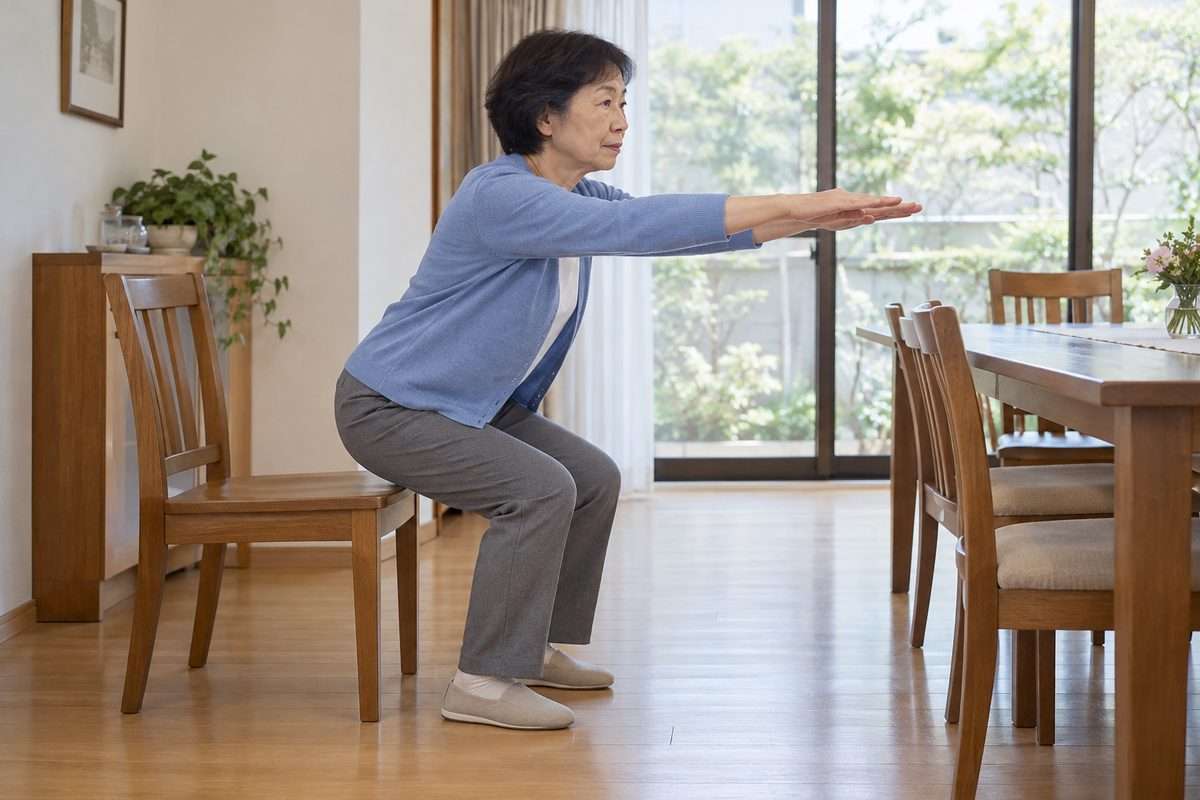
The last step is using the pelvic floor during the things that cause trouble: standing up, lifting, carrying, and later jogging or jumping if those are your goals. Breathe out as you make the effort, rather than holding your breath and pushing down.
What is the best exercise to rebuild the pelvic floor?
The best exercise is the one matched to your findings, done correctly and done long enough. For leaking with effort, the strongest evidence supports supervised pelvic floor muscle training, and NICE recommends a supervised program of at least 3 months for women with stress or mixed urinary incontinence.
For a weak floor, that usually means progressive contractions, the knack and daily-life practice. For a tight floor, it starts with breathing and relaxation, and strength comes later. NICE also advises reviews during and at the end of the program, and carrying on afterwards if it has helped.
Will walking strengthen the pelvic floor?
Walking is great for your overall health, but there is no good evidence that walking on its own improves pelvic floor symptoms. NICE advises women with pelvic floor symptoms that there is no evidence to say unsupervised activity, such as walking or swimming, will improve or worsen their symptoms.
Keep walking anyway. NICE also says physical activity and a healthy diet can help prevent pelvic floor problems. Walking is the healthy base; targeted pelvic floor training is what works the muscle directly.

Does squeezing your buttocks help the pelvic floor?
Not on its own. Your buttock muscles (the glutes) are separate from the pelvic floor. Clenching them instead is a common way to accidentally “cheat” a pelvic floor contraction, so it can feel like you are doing Kegels when the pelvic floor is barely working.
Health guidance on pelvic floor exercises says your buttocks, thighs and tummy should stay relaxed while you contract the pelvic floor. Strong glutes still help your hips and back, as long as you also train the pelvic floor itself.
Which everyday habits help or strain the pelvic floor?
Small habits change how much pressure lands on the pelvic floor. The clearest guidance covers bowels, fluids, weight and lifting.
- Avoid straining. NICE advises enough fibre and fluid to keep stools soft.
- Fluids and caffeine. For urgency or leaking, NICE suggests less caffeine, and more fluid if you drink too little or less if you drink too much.
- Weight. For women with a BMI over 30, NICE says weight loss can help leaking, urgency and prolapse symptoms, and other treatment should not wait for it.
- Lifting. Common physiotherapy advice is to hold loads close to your body, breathe out as you lift, and use the knack before heavier lifts.

“A pelvic floor that leaks is not always a weak one. Finding out which kind you have is the step that makes every exercise after it count.”
How is pelvic floor physical therapy done?
Pelvic floor physiotherapy starts with a private conversation and an external assessment, and an internal assessment is offered only if it would help and only with your consent. You can say no, or stop at any time, and still get a useful plan.
At Wellmax in Oakville, pelvic health care is with Gurmeet Rai, Registered Physiotherapist and Clinic Director, who has more than 16 years of experience and Level 3 pelvic health certification. Your first visit is a 60-minute assessment in a private room. It usually covers:
- Your story. Symptoms, bladder and bowel habits, births, activity and goals.
- An external assessment. Breathing, posture, hips, back and tummy muscles, and how you lift or squat.
- An optional internal assessment. If you agree, a single gloved finger checks strength, coordination and the ability to relax. If you would rather not, there are external options.
- A plan. A clear explanation, a short home program, and hands-on treatment where it helps.
For a step-by-step walk-through, read what happens at your first pelvic floor physio appointment, or see our pelvic floor physiotherapy page. No referral is needed in Ontario, and we offer direct billing to most major insurers.
Can men have pelvic floor problems?
Yes. Everyone has a pelvic floor, and men can have leaking (for example after prostate surgery), urgency, pelvic pain or a pelvic floor that is too tight. The International Continence Society’s terminology covers both female and male pelvic floor assessment.
This guide is written for women. Men with these symptoms should start with their family doctor, who can check for other causes and advise on next steps.
Should I see a physiotherapist or a doctor?
See a pelvic health physiotherapist for leaking, heaviness, urgency without warning signs, pelvic pain, or returning to exercise after a baby. See your doctor, or get urgent care, if any warning sign below applies.
Go to an emergency department now if you have:
- New loss of bladder or bowel control together with back pain, leg weakness, or numbness in the saddle area (between your legs or around your bottom)
See your doctor promptly if you have:
- Blood in your urine
- A bulge in the vagina with pain or bleeding
- Pelvic pain with a fever
- Burning when you pee, or repeated bladder infections
- Any symptom that is new, getting quickly worse, or simply worrying you
If none of those apply, a pelvic floor physiotherapy assessment is a sensible first step. Many women put off asking; you do not have to. Book a free in-person consultation and we will help you plan your next step.
Not sure where to start?
Book a free consultation and we will point you to the right care, with no pressure.
Frequently Asked Questions
What are the first signs of a weak pelvic floor?+
For many women the first sign is a small leak of urine with a cough, sneeze, laugh, jump or heavy lift. Others first notice an urge that is hard to hold, trouble controlling wind, or a heavy, dragging feeling in the vagina by the end of the day. These are common, and they are treatable.
How do I know if my pelvic floor is weak or too tight?+
Symptoms alone cannot tell you, because they overlap. Leaking with effort and heaviness lean toward weakness; pain with sex, a slow stream and straining lean toward a tight floor. Many people have a mix. A pelvic health physiotherapist checks how well the muscles contract and relax, which decides where your plan starts.
Can a weak pelvic floor get better?+
For many women, yes. In a 2018 Cochrane review, women with stress leakage who did pelvic floor muscle training were about eight times more likely to report that their leakage had resolved by the end of treatment than women with no treatment, and 74 percent reported it had resolved or improved, compared with 11 percent. Results vary, and the training needs to be done correctly and consistently.
How long does it take to strengthen a weak pelvic floor?+
Muscle strength takes weeks to build. NICE recommends a supervised pelvic floor muscle training program of at least 3 months for women with stress or mixed urinary incontinence, with a review during the program and at the end, and advises carrying on afterwards if it has helped.
Does walking strengthen your pelvic floor?+
There is no good evidence that walking on its own improves pelvic floor symptoms. The 2021 NICE guideline says there is no evidence that unsupervised activity like walking or swimming improves or worsens pelvic floor symptoms. Keep walking for your general health, and add targeted pelvic floor training.
Can Kegels make things worse?+
They can if the technique is wrong or the pelvic floor is already too tight. In a 1991 study, 25 percent of women given brief verbal instructions used a technique that could promote leaking. For an overactive floor, extra squeezing can add tension, and Kegels done incorrectly or with too much force can cause pain with sex. A supervised program checks both contraction and relaxation.
Do I need an internal exam for pelvic floor physiotherapy?+
No. An internal assessment is offered only when it would help, and only with your clear consent. You can decline it or stop at any time. Your physiotherapist still learns a lot from your history, breathing, posture and movement, and the internal part can happen later or not at all.
When should I see a doctor about pelvic floor symptoms?+
See your doctor promptly for blood in your urine, a vaginal bulge with pain or bleeding, pelvic pain with fever, burning when you pee, or repeated bladder infections. Go to emergency now for new loss of bladder or bowel control with back pain, leg weakness or numbness between your legs. Otherwise, physiotherapy is a sensible first step.
You Might Also Like




Gurmeet Rai, Registered Physiotherapist
Gurmeet is a Registered Physiotherapist with the College of Physiotherapists of Ontario and the Clinic Director and co-owner of Wellmax Physiotherapy in Oakville, with 16+ years of clinical experience. She focuses on complex, stubborn cases where earlier treatment has not worked, with advanced training in pelvic health, TMJ, vestibular, and sports and MSK rehab. Expect expert care from assessment to discharge, with honest guidance along the way.Read Gurmeet’s full profile or meet the team.
This article is for educational purposes only and does not replace a professional clinical assessment. Every body and condition is different. If you are experiencing pain or symptoms, book an assessment with a qualified clinician for advice specific to your situation. If you are experiencing a medical emergency, call 911 or visit your nearest emergency department.
