
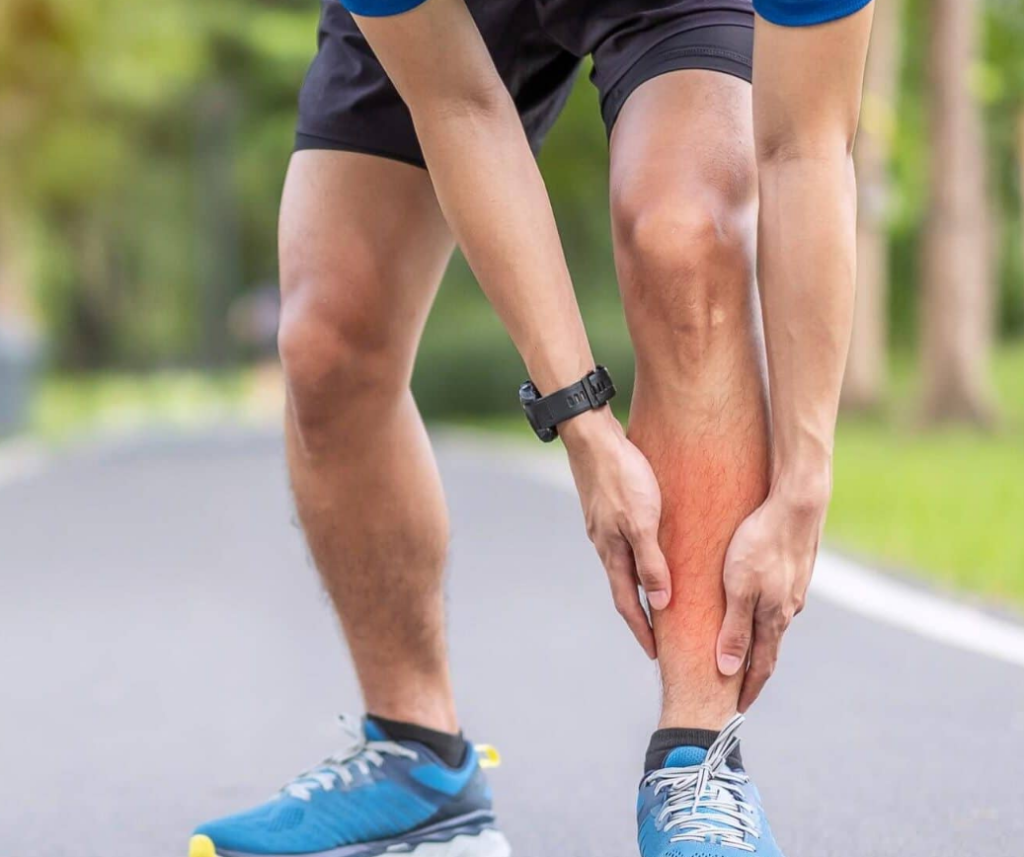
Return to Running After Injury: A Week-by-Week Plan
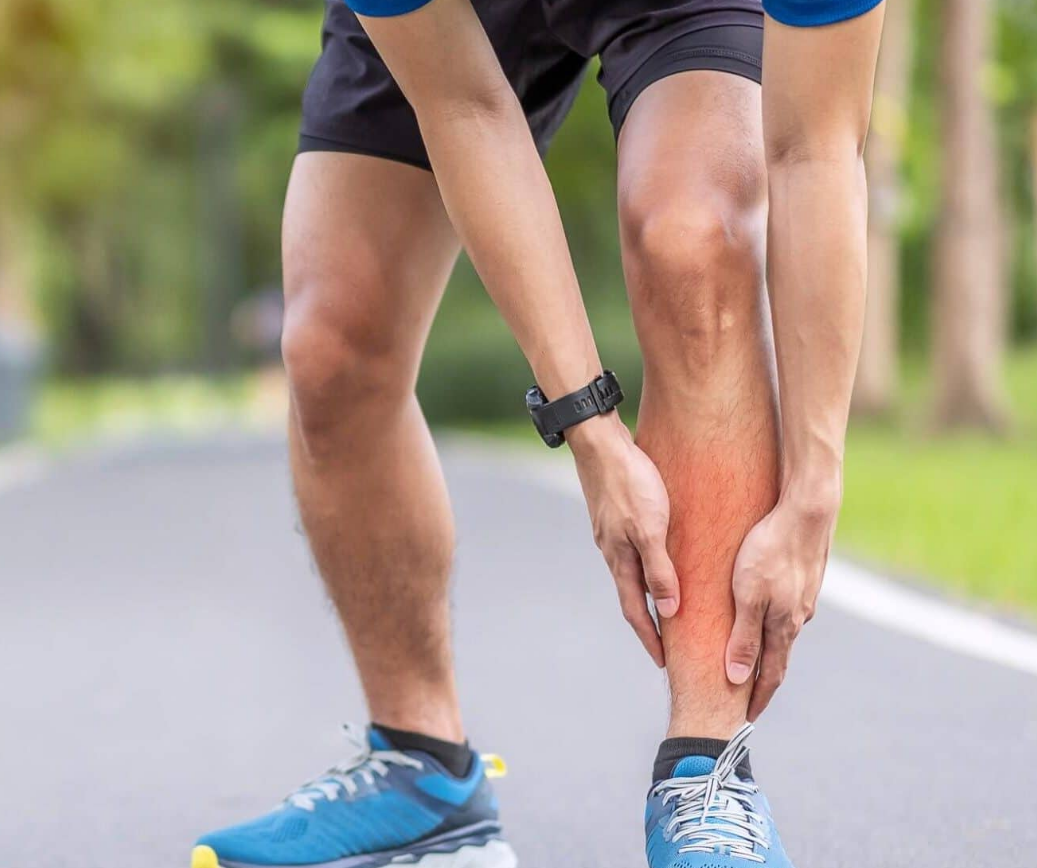
When Can I Start Running Again After an Injury?
This is the question every injured runner asks first. And the honest answer is: not when the calendar says so. Not when the pain “mostly” goes away. And not when the frustration of sitting out finally becomes unbearable enough to override common sense. The return to running after injury should be based on what your body can demonstrate, not how many weeks have passed since the injury happened.
Running is a high-impact, repetitive activity. Every single stride generates between 2 and 3 times your body weight in ground reaction force. Over a 5km run, that is roughly 3,000 to 4,000 foot contacts. The tissues that were injured (tendons, muscles, bones, cartilage) need to be strong enough to handle that volume of loading before you start. If they are not, you get the classic re-injury cycle: feel better, try running, it hurts again, rest, repeat.
At Wellmax Physiotherapy in Oakville, we treat runners from the Waterfront Trail, Sixteen Mile Creek trails, Lions Valley Park, and local running groups who want to return to running after injury safely, with a structured plan that progresses week by week. This protocol outlines how we approach that progression. See our running injuries page for information on specific conditions.
Before You Start Running: The Prerequisites
Do not skip this section. These are the minimum criteria that should be met before you attempt even the first walk-run session. Skipping straight to running because “it feels okay walking around” is the most common mistake injured runners make.
You Should Be Able to Walk Briskly for 30 Minutes Without Pain
Walking at a pace of roughly 6km per hour, continuously, with no increase in symptoms during the walk or in the 24 hours after. If walking still provokes your symptoms, running will make things significantly worse. Walking is the foundation. If this is not pain-free, you are not ready.
No Swelling After Activity
If the injured area swells after walking, stairs, or daily activities, the tissues are still inflamed and not ready for the repeated loading of running.
Adequate Strength in the Injured Area
Your physiotherapist should test strength of the injured muscle group or joint and compare it to the uninjured side. A reasonable benchmark for initiating a return to running protocol is at least 70 to 80% strength symmetry. For calf raises (relevant to Achilles and plantar fascia injuries), you should be able to do 20 to 25 single-leg calf raises with good control before starting a run-walk program.
Single-Leg Balance for 30 Seconds
Running is a series of single-leg hops. If you cannot balance on the injured leg for 30 seconds with your eyes open, the stability is not there yet for the dynamic demands of running.
Pain-Free Hopping
Before you run, you need to hop. If 10 to 15 single-leg hops on the injured side provoke pain, the tissues are telling you they are not ready for the impact forces of running. This is a simple, useful self-test.
The Walk-Run Protocol: Week by Week
This is a general framework. Your physiotherapist may adjust the progressions based on your specific injury, fitness level, and response to loading. The principle is the same for everyone: start with more walking than running, gradually shift the ratio, and only progress when the previous level was completed without a symptom increase during or in the 24 hours after.
Week 1: Testing the Waters
3 sessions this week, with at least one rest day between each session.
Walk 4 minutes, run 1 minute. Repeat 5 times. Total running: 5 minutes. Total session: 25 minutes. Run at a comfortable, easy pace. Slower than you think you should. On a flat, even surface (treadmill is fine for the first week). If this produces no increase in symptoms during or in the 24 hours after, progress to Week 2.
Week 2: Building Confidence
3 sessions, rest day between each.
Walk 3 minutes, run 2 minutes. Repeat 5 times. Total running: 10 minutes. Total session: 25 minutes. Same easy pace. Same flat surface. You are doubling your running volume from Week 1, which is a significant jump, so pay attention to how the injured area responds the next day.
Week 3: Shifting the Ratio
3 sessions, rest day between each.
Walk 2 minutes, run 3 minutes. Repeat 5 times. Total running: 15 minutes. Total session: 25 minutes. By now you are running more than you are walking. The body should be adapting to the impact loading. If you had a minor flare at any point during Weeks 1 or 2, stay at the previous level for an extra week before progressing.
Week 4: Continuous Running Begins
3 sessions, rest day between each.
Walk 1 minute, run 4 minutes. Repeat 5 times. Total running: 20 minutes. Total session: 25 minutes. Alternatively, if the run-walk intervals feel easy and there have been zero flares, you can try a continuous 15-minute run at an easy pace. If that goes well, extend to 20 minutes in the next session.
Weeks 5 to 6: Building Duration
3 to 4 sessions per week.
Continuous running, increasing by 5 minutes per session. Aim to reach 25 to 30 minutes of continuous easy running by the end of Week 6. Keep the pace conversational. No speed work. No hills. No racing. The goal is building tissue tolerance to sustained loading, not fitness.
Weeks 7 to 8: Adding Distance
3 to 4 sessions per week.
Follow the 10% rule: increase your total weekly distance by no more than 10% per week. If you ran a total of 12km in Week 6, your Week 7 total should not exceed roughly 13km. Begin varying your routes (gentle hills are fine now). Still keep the intensity easy. One of your runs can be slightly longer than the others.
Weeks 9 to 10: Introducing Variety
3 to 4 sessions per week.
Once you are comfortably running 25 to 35 minutes continuously with no symptoms, you can begin adding gentle tempo efforts (not sprints) and moderate hills. Introduce one quality session per week (tempo, fartlek, or hills) while keeping other runs easy. Continue the 10% weekly distance rule.
The Rules That Prevent Re-Injury
The 24-Hour Rule
After every run, monitor the injured area for 24 hours. Some awareness of the area (a mild niggle) is normal in the early weeks. An increase in pain that lasts more than 24 hours means you did too much. Drop back to the previous week’s protocol and stay there until you can complete it without a post-run flare.
The 10% Rule
Never increase your total weekly running distance by more than 10% from one week to the next. This is the most well-supported guideline for preventing overuse injuries in runners. It applies to injured runners returning to the sport and to healthy runners increasing their training volume.
The “Two Green Lights” Rule
Before progressing to the next level of the protocol, you need two successful sessions at the current level with no symptom increase. One good session is encouraging. Two good sessions confirms the tissues can handle that load consistently. This is not being overly cautious. This is how you avoid the setback that costs you another 3 to 4 weeks.
No Speed Until You Have Distance
Rebuild your slow running base before adding speed work. The forces through the body during sprinting, tempo efforts, and hill repeats are substantially higher than during easy running. Your tissues need the foundation of sustained easy loading before they can handle high-intensity loading. Most runners can safely introduce speed work once they are consistently running 75 to 80% of their pre-injury weekly volume at an easy pace.
Why Runners Get Hurt Again (and How to Prevent It)
The Injury Was a Loading Problem, Not a Body Problem
Most running injuries are not caused by bad anatomy or structural flaws. They are caused by a training load that exceeded the body’s current capacity to recover. You ran too much, too fast, too soon, or some combination of all three. If you return to the same training load that caused the injury without changing anything, you will get injured again. The strengthening program that runs alongside this protocol is what builds your body’s capacity to handle the load.
The Strengthening Program Is Not Optional
Running alone does not build adequate strength for running. That sounds counterintuitive, but it is true. Running is a endurance activity that loads tissues repetitively at submaximal levels. It does not build the strength reserves needed to absorb impact safely over high volumes. Targeted strengthening of the calves, quadriceps, glutes, and hip stabilizers (done 2 to 3 times per week alongside the run protocol) is what prevents the injury from recurring. Our sports physiotherapy program integrates strength work with return-to-sport protocols.
Cross-Training During the Early Weeks
While you are in the walk-run phase, maintain your cardiovascular fitness with low-impact activities: cycling, swimming, elliptical, or pool running. This keeps your aerobic base intact without loading the injured tissues. As running volume increases, you can gradually reduce cross-training sessions.
Common Running Injuries and When to Expect Return
These timelines assume proper physiotherapy treatment alongside the return-to-running protocol. Untreated injuries take significantly longer.
- Runner’s knee (patellofemoral pain): 4 to 8 weeks to initiate walk-run protocol, full return in 8 to 12 weeks. Knee pain treatment details here.
- IT band syndrome: 3 to 6 weeks to initiate, full return in 8 to 12 weeks
- Achilles tendinopathy: 4 to 8 weeks to initiate, full return in 10 to 16 weeks. Achilles treatment details here.
- Plantar fasciitis: 3 to 6 weeks to initiate, full return in 8 to 14 weeks. Plantar fasciitis treatment details here.
- Shin splints (medial tibial stress syndrome): 2 to 4 weeks to initiate, full return in 6 to 10 weeks
- Hamstring strain (Grade I to II): 2 to 4 weeks to initiate, full return in 4 to 8 weeks
- Ankle sprain (Grade I to II): 2 to 4 weeks to initiate, full return in 4 to 8 weeks. Ankle treatment details here.
- Stress fracture (tibial or metatarsal): 6 to 10 weeks non-weight-bearing phase, then walk-run protocol, full return in 12 to 20 weeks
- Hip flexor or gluteal strain: 2 to 4 weeks to initiate, full return in 6 to 10 weeks. Hip pain treatment details here.
Running in Oakville: Surfaces and Considerations
Where you run matters during your comeback. Here is how the local surfaces in Oakville compare:
Waterfront Trail (lakeshore section): Paved and flat. Good for early protocol weeks when you need a predictable, even surface. The section between Bronte Harbour and Coronation Park is particularly consistent.
Sixteen Mile Creek trails: Mixed surface (gravel, packed dirt, some roots). Excellent for later weeks when you are ready for gentle terrain variation. The softer surface reduces impact loading compared to pavement.
Lions Valley Park trails: Hilly with variable terrain. Save these for Weeks 9 and beyond when hills are part of the protocol. The elevation changes are a good functional test of readiness.
Treadmill: Best for Week 1 and early walk-run sessions. You control the pace precisely, the surface is perfectly flat, and you can stop immediately if something doesn’t feel right. No shame in starting on the treadmill. Most return-to-running protocols in sports medicine clinics start there.
When to Get Professional Help
Self-guided return to running works for minor niggles that resolved with a short rest. But see a physiotherapist if:
- The injury kept you from running for more than 2 weeks
- You have tried returning to running on your own and the pain came back
- The injury involves sharp pain, swelling, or limping
- You are training for a race and need a time-specific plan
- The same injury keeps recurring (this means the underlying cause has not been addressed)
A physiotherapist identifies the cause of the injury (not just the symptom), builds the strength program that addresses the cause, guides the return-to-running protocol based on how your body responds, and adjusts the plan when needed. This is the difference between a successful comeback and the frustrating cycle of running, re-injury, rest, repeat.
Frequently Asked Questions About Returning to Running
How do I know I am ready to start running again?
Readiness is about what your body can demonstrate, not how many weeks have passed. Before a first walk run session you should be able to walk briskly for 30 minutes with no symptoms, have no swelling after activity, balance on the injured leg for 30 seconds, and do 10 to 15 single leg hops without pain. Strength should also be close to the other side. A physiotherapist can test all of this properly.
Is a mild niggle normal on the first runs back?
Some awareness of the area is normal in the early weeks. What matters is the 24 hour rule. If pain rises after a run and stays up for more than a day, that session was too much. Drop back to the previous week of the plan and stay there until you can finish it without a flare. Pain that climbs run after run needs assessing rather than pushing through.
What if the pain comes back partway through the plan?
Step back, do not stop altogether. Repeat the last level you completed without a flare, and only move up after two clean sessions at that level. One good session is encouraging, two confirms the tissue can handle that load consistently. If flares keep happening at the same point, something in the running plan or the strength work needs changing, and that is worth an assessment.
Can I skip the walk run stage if walking feels fine?
Skipping ahead because it feels okay walking around is the most common mistake injured runners make. Walking loads tissue very differently from running. Every running stride puts two to three times your body weight through the body, and a 5km run is roughly 3,000 to 4,000 foot contacts. The walk run stage builds tolerance to that repetition gradually, so you avoid the feel better, run, hurt again cycle.
How fast should I be running in the early weeks?
Easy, and slower than you think you should. The goal in the first weeks is tissue tolerance, not fitness. Keep the pace conversational, stay on flat even ground, and leave a rest day between sessions. Three sessions a week is plenty at the start. Speed, hills and racing come later, once you are running comfortably for 25 to 30 minutes without symptoms.
When can I add hills and speed work again?
Last. Rebuild the easy running base first, because sprinting, tempo efforts and hill repeats put much higher force through the body than easy running. Gentle hills usually fit back in around weeks seven and eight, and one quality session a week around weeks nine and ten. Most runners can add speed safely once they are back to roughly 75 to 80 percent of their pre-injury weekly volume at an easy pace.
Will I lose all my fitness during the comeback?
Less than you fear, as long as you cross train. During the walk run phase, keep your aerobic base with cycling, swimming, the elliptical or pool running. These keep the heart and lungs working without loading the injured tissue. As running volume climbs you can cut the cross training back. Rushing the running to protect fitness is what usually costs more time in the end.
Is it okay to start back on a treadmill?
Yes, and it is often the better choice for the first week. You control the pace precisely, the surface is flat and predictable, and you can stop the moment something does not feel right. There is no shame in it. Most return to running programs in sports medicine clinics start there, then move to flat paved paths, then softer mixed trails, with hills last.
Do I really need strength work, or is running enough?
Running alone does not build enough strength for running. It loads tissue repeatedly at a submaximal level, which builds endurance rather than the strength reserve that absorbs impact over high volume. Targeted work for the calves, quadriceps, glutes and hip stabilizers, done two to three times a week alongside the run plan, is a large part of what stops the same injury returning.
When should I see a physiotherapist instead of doing this myself?
A self guided return works for minor niggles that settled with a short rest. Get assessed if the injury kept you off running for more than two weeks, if you have already tried going back and it flared again, or if you are not sure what caused it in the first place. Assessments at Wellmax are 60 minutes and one on one, and no referral is needed in Ontario.
Related Conditions and Services
Running Injuries — Comprehensive treatment for IT band, runner’s knee, shin splints, and other running-specific conditions.
Knee Pain — Patellofemoral pain, IT band syndrome, and ligament injuries affecting runners.
Achilles Tendinopathy — Progressive loading programs for Achilles tendon injuries in runners.
Plantar Fasciitis — Heel pain treatment and return-to-running protocols.
Ankle & Foot Pain — Ankle sprains, foot pain, and return to running after lower limb injuries.
Hip Pain — Gluteal tendinopathy, hip flexor strains, and SI joint dysfunction in runners.
Sports Physiotherapy — Return-to-sport programs for all athletic activities.
Shockwave Therapy — Treatment for chronic tendinopathies that haven’t responded to exercise alone.
Deep Tissue Laser Therapy — Acute inflammation management during early injury recovery.
Wellmax Physiotherapy
1148 Winston Churchill Blvd, Unit B3, Oakville, ON L6J 0A3
Phone: (905) 829-1100
Email: info@wellmaxphysiotherapy.ca
Proudly Serving Our Local Communities:
- East Oakville: Winston Park, Clearview, and the QEW/403 Corridor.
- South Oakville: Eastlake, Maple Grove, and Old Oakville.
- North Oakville: Joshua Creek, Falgarwood, and Upper Middle Road.
- Mississauga Border: Clarkson, Sheridan Park, and Sheridan Homelands.
Insurance: Direct billing to most major providers. No referral needed.
Hours: Monday to Friday: 9am to 7pm | Saturday: 9am to 2pm | Sunday: 9am to 2pm (by appointment only)
You Might Also Like


Gurmeet Rai, Registered Physiotherapist
Gurmeet is a Registered Physiotherapist with the College of Physiotherapists of Ontario and the Clinic Director and co-owner of Wellmax Physiotherapy in Oakville, with 16+ years of clinical experience. She focuses on complex, stubborn cases where earlier treatment has not worked, with advanced training in pelvic health, TMJ, vestibular, and sports and MSK rehab. Expect expert care from assessment to discharge, with honest guidance along the way. Read Gurmeet’s full profile or meet the team.
This article is for educational purposes only and does not replace a professional clinical assessment. Every injury and condition is different. If you are experiencing pain or symptoms, book an assessment with a qualified physiotherapist to get advice specific to your situation. If you are experiencing a medical emergency, call 911 or visit your nearest emergency department.
