Meniscus Tear Treatment in Oakville
Torn meniscus treated with evidence-based rehab, so you can decide between surgery and physiotherapy with the full picture.
Home > Conditions We Treat > Meniscus Tear Treatment in Oakville
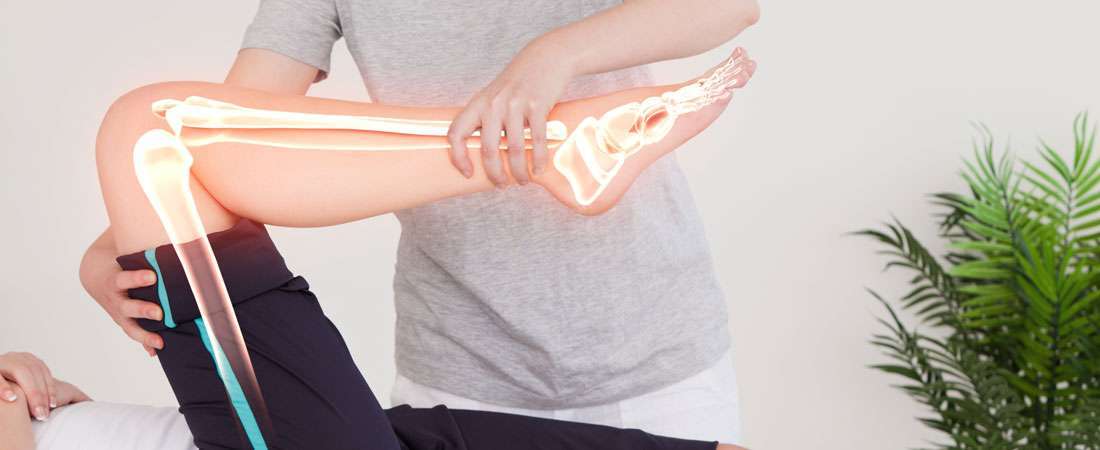
The knee twisted during a soccer game and you felt a sharp pop. Or you squatted down to pick something up off the floor and the knee caught painfully. Or you’ve noticed that the knee has been swelling on and off for months, locking up occasionally, and it just doesn’t feel right going up and down stairs anymore. You get an MRI and the report comes back: meniscus tear. This page explains how meniscus injury physiotherapy in Oakville at Wellmax helps you decide between surgery and rehabilitation, and how we rebuild a strong, stable knee. Meniscus tear treatment in Oakville at Wellmax rehabs the knee non-surgically wherever possible.
For most people, the next thought is surgery. And for some meniscus tears, surgery is the right call. But here’s something the MRI report doesn’t tell you: the majority of meniscus tears, particularly in people over 40, respond just as well to physiotherapy as they do to arthroscopic surgery. That’s not a fringe opinion. It’s the conclusion of multiple high-quality randomized controlled trials published in the New England Journal of Medicine and the BMJ.
This matters because knee arthroscopy isn’t without risk. It involves general anesthesia, post-operative pain, weeks of reduced activity, and for degenerative tears, the evidence shows it doesn’t produce better outcomes than a structured exercise program. Understanding which type of tear you have and what the evidence says about your options is the first step toward making a good decision.
At Wellmax Physiotherapy, we treat meniscus injuries across the full spectrum. Fresh traumatic tears in young athletes who need to get back to their sport. Degenerative tears in people over 40 who want to avoid surgery if possible. And patients who’ve already had arthroscopic repair or debridement and need structured post-surgical rehab to restore the knee’s strength and function. Your physiotherapist tracks your swelling, your range of motion, your strength, and your functional progress week to week.
We’re at 1148 Winston Churchill Blvd, Unit B3, Oakville, just south of the QEW. Patients from Clarkson, Clearview, Sheridan Park, Maple Grove, and south Mississauga come to us for meniscus injury treatment.
- Understanding Meniscus Tears
- Do You Need Surgery for a Meniscus Tear?
- Meniscus Tear Treatment at Wellmax Physiotherapy
- Meniscus Injury Recovery Timelines
- Why Patients Choose Wellmax for Meniscus Tear Treatment in Oakville
- Meniscus Injury Treatment for Oakville's Community
- Related Conditions & Services
- Book Your Meniscus Assessment
- Frequently Asked Questions
Understanding Meniscus Tears
What the Meniscus Does
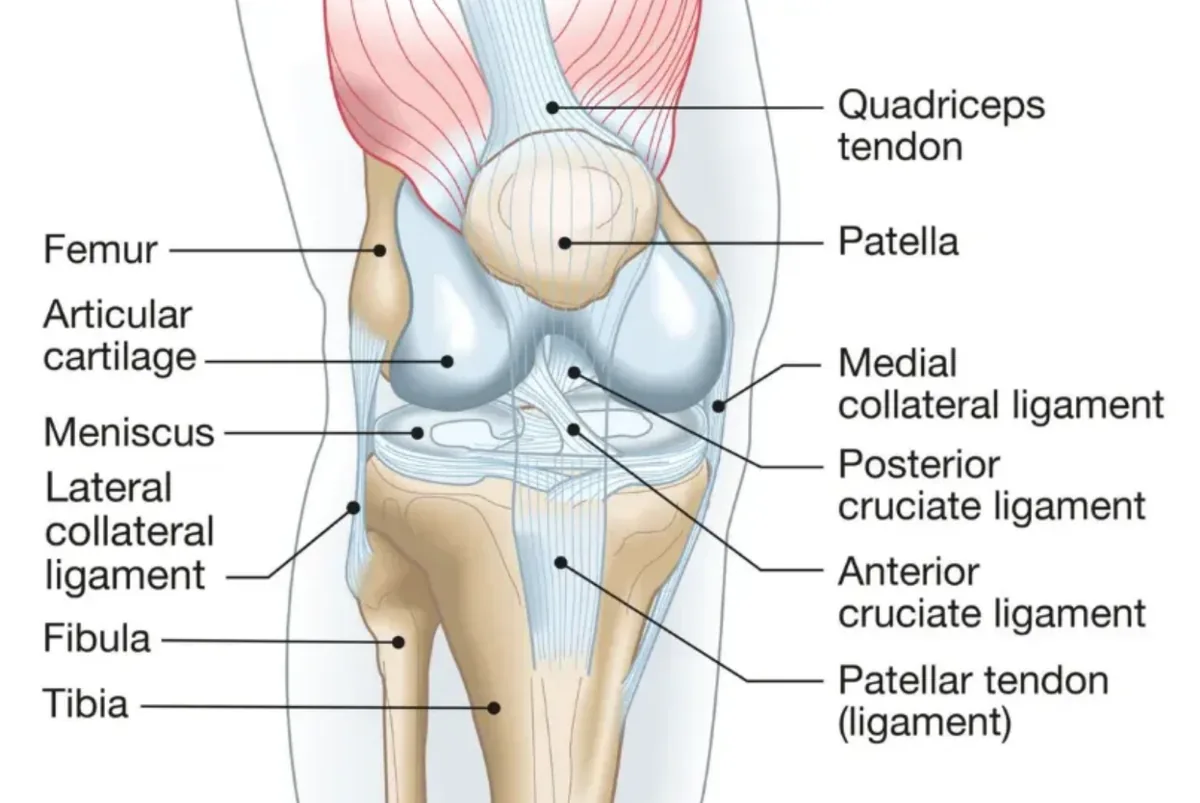
Each knee has two menisci: the medial meniscus (on the inner side) and the lateral meniscus (on the outer side). These are C-shaped wedges of tough cartilage that sit between the thigh bone (femur) and shin bone (tibia). They perform several jobs: distributing body weight across the joint surface (without them, all the force concentrates on a small area of cartilage), absorbing shock during walking and running, providing stability to the knee, and lubricating the joint surfaces. The menisci handle a lot of mechanical stress. Every time you walk, the meniscus absorbs 2-3 times your body weight. Running multiplies that to 5-7 times body weight.
How Meniscus Tears Happen
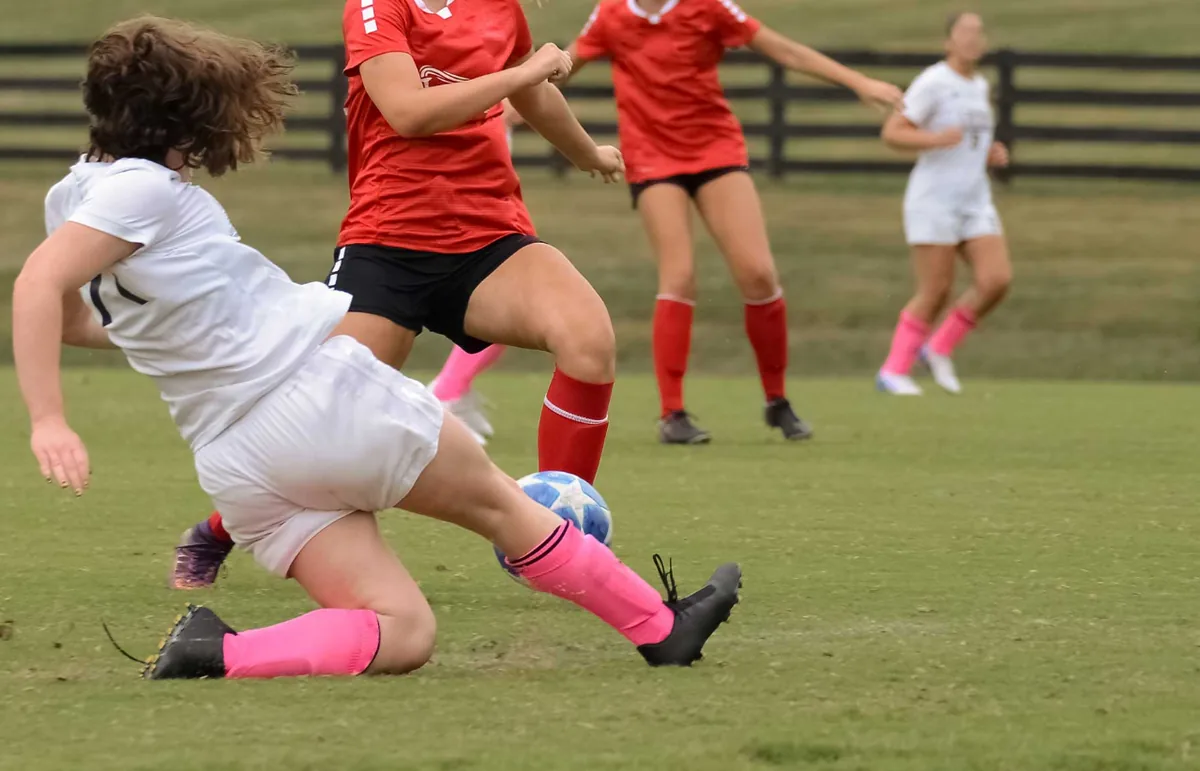
Traumatic tears. These happen from a specific incident: twisting the knee while the foot is planted, a deep squat under load, a sudden direction change in sport, or a collision. The meniscus tears because the rotational force exceeds what the tissue can handle. Traumatic tears are more common in younger, active people and athletes. They often occur alongside ligament injuries (particularly ACL tears). The tear pattern matters: bucket handle tears, radial tears, horizontal tears, and complex tears each behave differently and have different treatment implications.
Degenerative tears. These develop gradually as the meniscal cartilage weakens with age. After 40, the meniscus becomes less flexible, more brittle, and more susceptible to tearing from forces that wouldn’t have caused injury at 25. A degenerative tear might happen during something as simple as squatting, kneeling, or stepping off a curb. Sometimes there’s no identifiable event at all. The knee just starts catching, swelling, and aching. Degenerative meniscus tears are extremely common: MRI studies show that approximately 35% of people over 50 have meniscus tears on imaging, many with zero symptoms.
Symptoms of a Meniscus Tear
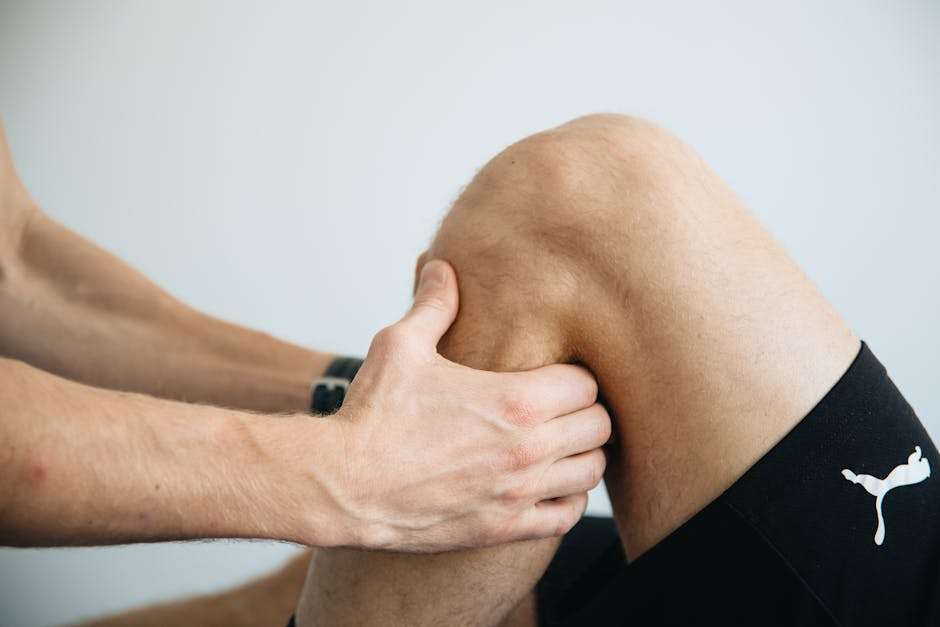
The hallmark symptoms include a catching or locking sensation in the knee (like something is stuck inside), sharp pain with twisting or deep squatting, swelling that comes and goes (typically worse after activity and better after rest), difficulty fully straightening or bending the knee, a feeling of instability or the knee giving way, and for some tears, a painful click with certain movements. Not all meniscus tears cause all of these symptoms. Small degenerative tears may only cause mild, intermittent aching. Large bucket handle tears can mechanically lock the knee in a bent position.
Do You Need Surgery for a Meniscus Tear?
This is the most important question most meniscus patients face, and the answer depends entirely on the type of tear, your age, your activity level, and your symptoms.
When Physiotherapy Is the Right First Step
Degenerative tears (age 40+). The evidence here is strong and consistent. Multiple randomized controlled trials have compared arthroscopic surgery to physiotherapy alone for degenerative meniscus tears. The results: at 12 months and beyond, both groups had the same outcomes in pain, function, and satisfaction. The physiotherapy group avoided surgery, anesthesia, and the recovery period. The surgical group didn’t do any better. These findings have been replicated across studies in the New England Journal of Medicine, the BMJ, and the Lancet. Major clinical guidelines now recommend physiotherapy as the first-line treatment for degenerative meniscus tears.
This doesn’t mean surgery is never appropriate for degenerative tears. If physiotherapy doesn’t produce adequate improvement after 3-6 months of committed effort, surgical options can be reconsidered. But starting with surgery before trying proper physiotherapy is skipping a step that the evidence says is at least as effective and much less invasive.
Small, stable traumatic tears. Some traumatic tears in the outer third of the meniscus (the vascular zone, which has blood supply) can heal on their own with time and structured rehabilitation. Small, stable tears that don’t cause mechanical locking often respond well to physiotherapy without surgical intervention.
When Surgery Is More Likely Needed
True mechanical locking. If the knee physically locks in position (not just stiffness, but genuine inability to straighten or bend past a certain point because torn meniscal tissue is caught in the joint), surgery may be needed to address the mechanical block.
Large bucket handle tears. These tears can flip into the joint space and cause locking. They typically require surgical repair or removal.
Tears in young athletes who need to return to high-level sport. Meniscus repair (sewing the tear back together) rather than removal is preferred when possible in younger patients because preserving the meniscus protects the joint long-term.
Combined injuries. Meniscus tears that occur alongside ACL tears are typically addressed during ACL reconstruction surgery. See our ACL page for combined injury management.
What We Tell Patients at Wellmax
We don’t make surgical decisions. That’s between you and your orthopaedic surgeon. What we do is give you the full picture of what the evidence says, provide high-quality physiotherapy as the first-line treatment, and help you make an informed decision. If physiotherapy resolves the symptoms, surgery was never needed. If it doesn’t, surgery is still available and the strengthening work you’ve done during physio actually improves your surgical outcome.
Meniscus Tear Treatment at Wellmax Physiotherapy
Conservative (Non-Surgical) Treatment
Phase 1: Swelling Control and Range of Motion (Weeks 1-3). If the knee is swollen and stiff, the first priority is getting the swelling down and restoring full range of motion, particularly full extension (getting the knee completely straight). Swelling inhibits the quadriceps muscle and prevents normal knee function. Manual therapy, gentle range of motion exercises, and deep tissue laser for inflammation management. Protected weight bearing if needed, but early movement within tolerance is encouraged.
Phase 2: Progressive Strengthening (Weeks 3-8). As swelling settles and range improves, the focus shifts to rebuilding the muscles that support the knee: quadriceps (the most important muscle for knee function), hamstrings, glutes, and calf. Closed-chain exercises (leg press, squats, step-ups) are introduced progressively. The strength program is the core of meniscus rehabilitation because strong muscles reduce the load on the meniscus during daily activities and sport.
Phase 3: Functional Loading and Return to Activity (Weeks 8-12+). Progressive return to activities that load the knee: running, pivoting, squatting under load, sport-specific movements. For athletes, this phase includes return-to-sport preparation with the same principles we use for ACL rehabilitation: strength testing, movement quality assessment, and graduated exposure to sport demands.
Post-Arthroscopy Rehabilitation
If surgery is performed (either meniscus repair or partial meniscectomy/debridement), the post-operative rehab follows a specific protocol:
After partial meniscectomy (removal of torn tissue): This is the simpler recovery. Weight bearing is usually allowed immediately. Range of motion returns quickly. The focus is on reducing post-operative swelling, rebuilding quad strength, and progressive return to activity. Most patients return to daily activities within 2-4 weeks and sport within 6-8 weeks.
After meniscus repair (suturing the tear): This is a longer recovery because the repaired tissue needs time to heal. Weight bearing is often restricted for 4-6 weeks. Range of motion is limited initially (particularly deep flexion which stresses the repair site). The strengthening program is more conservative and the return to sport takes 3-6 months. The longer rehabilitation is worth it because preserving the meniscus protects the knee joint long-term.
See our Pre & Post-Surgical Rehab page for more on surgical recovery programs.
Meniscus Injury Recovery Timelines
| Scenario | Typical Recovery | Return to Full Activity |
|---|---|---|
| Degenerative tear (conservative, physio only) | 6-12 weeks | 8-14 weeks with strength program completion |
| Small traumatic tear (conservative) | 6-10 weeks | 8-12 weeks for sport, earlier for daily activities |
| Post-arthroscopy (partial meniscectomy) | 2-4 weeks for daily activities | 6-8 weeks for full sport return |
| Post-arthroscopy (meniscus repair / suture) | 6-12 weeks for daily activities | 3-6 months for full sport return |
| Combined meniscus + ACL (post-reconstruction) | ACL timeline governs (9-12 months) | Return-to-sport testing required before clearance |
| Meniscus tear with knee osteoarthritis | Ongoing management | Focus on function and symptom management, not “fixing” the tear |
These timelines depend on the tear type, the treatment approach, your age, your overall knee health, and your consistency with the rehab program. Gurmeet provides specific guidance based on your individual assessment and, if applicable, your surgeon’s post-operative protocol.
Why Patients Choose Wellmax for Meniscus Tear Treatment in Oakville
Evidence-Based Approach to the Surgery Question
At Wellmax, meniscus injury physiotherapy in Oakville starts with the evidence, not a sales pitch. We don’t push patients toward or away from surgery. We present the evidence, provide high-quality physiotherapy as the first-line treatment (which the research supports), and help you make an informed decision based on your specific tear, your symptoms, and your goals. If physio works, surgery wasn’t needed. If it doesn’t, surgery is still available and you go in with a stronger knee.
We Treat the Knee, the Hip, and the Movement Pattern
A meniscus tear doesn’t happen in a vacuum. The knee absorbs force from the hip above and the ankle below. Weak glutes change how the knee loads. A stiff ankle alters the forces through the knee joint. Poor squatting or landing mechanics overload specific compartments. At Wellmax, every meniscus treatment plan addresses the full lower limb chain, not just the knee itself.
Expert Care, Clear Progression
Meniscus rehab, especially post-surgical, requires careful week-by-week progression. Too much too soon risks re-injury or graft failure. Not enough load and the knee stays weak. You get the same one-on-one care every visit, from first assessment through return to activity. Your physiotherapist tracks how the knee responded to last week’s exercises and adjusts the plan accordingly.
Post-Surgical Expertise
If surgery is performed, the post-operative protocol matters immensely. Meniscus repair (suture) has different restrictions and timelines than partial meniscectomy (removal). Combined meniscus and ACL reconstructions have another set of considerations. Gurmeet follows the surgeon’s protocol while integrating the clinical progression that produces the best functional outcomes.
Direct Billing, No Referral
Treatment is billed as physiotherapy and covered by most extended health plans. We direct bill to Sun Life, Manulife, Canada Life, Green Shield, Great-West Life, Blue Cross, Desjardins, and most other major providers. No referral needed to start.
Meniscus Injury Treatment for Oakville’s Community
Wellmax provides meniscus injury physiotherapy in Oakville for the whole community. We treat meniscus injuries in soccer players from local Oakville and Sheridan Park leagues who twisted a knee during a game. Hockey players from Joshua’s Creek Arenas and Sixteen Mile Sports Complex who caught an edge and rotated on a planted leg. Weekend skiers who tore their meniscus at Blue Mountain or Horseshoe Valley. Gym goers from CrossFit Radix, GoodLife, and Vive Fitness who felt a pop during a heavy squat. And the most common group: people over 40 who developed a degenerative tear from nothing more than kneeling in the garden, stepping off a curb, or getting out of the car.
We’re at 1148 Winston Churchill Blvd, Unit B3, Oakville. Just south of the QEW in the Winston Park plaza. Free parking, ground-level access, private treatment rooms. Patients come from Clarkson, Clearview, Sheridan Park, Maple Grove, River Oaks, and south Mississauga.
What Our Patients Say
Verified Patient“Tore my meniscus playing soccer at Sixteen Mile Sports Complex and needed a physio who understood returning to sport, not just getting out of pain. Gurmeet built a rehab program that started with reducing the swelling and restoring range of motion and progressed all the way to cutting, pivoting, and sport-specific drills before she cleared me to play again. Most physios would have discharged me when the pain stopped. She made sure I was actually ready to compete. Back on the pitch now with full confidence in the knee.”
Keith T.“Gurmeet Rai, Owner and Registered Physiotherapist, at Wellmax Physiotherapy in Oakville, has been treating my wife Claudia for spinal curvature conditions, Scoliosis and Kyphosis. Gurmeet has also treated me for hip and side pain issues. Gurmeet Rai is a very caring, well trained and knowledgeable professional, and she carefully addresses all related health issues. Gurmeet also recommends personal exercises, which can be done at home to make sure that her patient is getting the maximum recovery in-between visits. We have the fullest confidence in Gurmeet’s capabilities and we are very happy to have her looking after us. We recommend her highly.”
Sukhleen B.“I had been suffering from severe chronic back and hip pain for a long time and had tried physical therapy at many different places. Most of them relied on machines, massage guns, and heat or cold therapy, but no one was ever able to truly pinpoint the real problem. Meeting Gurmeet changed everything for me. She took the time to do a very detailed analysis of my gait and pain points and focused on hands-on manual therapy. She truly has magic in her hands. The relief and improvement I felt were something I hadn’t experienced in years. In addition to her manual therapy, she gave me exercises that were simple, practical, and extremely helpful in supporting my recovery. …”
Farrah S.“I saw Gurmeet for Pelvic Floor Therapy, before and after my Hysterectomy. She always made me feel comfortable and is very knowledgeable, helpful, and educated me during the whole process and at each visit. The front desk staff are always inviting and professional. I would recommend Wellmax to my friends and family.”
Palkin K.“I have been seeing Gurmeet Rai for physiotherapy for the past few months following my surgery. When I started, I was dealing with significant pain and limitations, but her treatment and guidance truly changed my recovery journey. She is incredibly skilled, patient, and compassionate, and she always took the time to understand my condition and tailored the therapy accordingly. Because of her support, my pain reduced. I highly recommend to anyone looking for effective and genuine physiotherapy care.”
Joan B.“The team is wonderful and they did amazing job to fix my knee injury. I highly recommend them for any physio needs”
Sunny D.“I have had a great experience. Gurmeet was so helpful with my osteoarthritis thumb pain. The place is so clean and professional. I would so recommend it”
Sam S.“Dr. Gurmeet is absolutely amazing! I have been suffering from knee and hamstring pain for 10 months. I tried physical therapy before seeing her, but nothing worked. Incredible as it sounds, I felt a noticeable improvement after my very first session with Dr. Gurmeet. She understood exactly where the pain was coming from right after our first conversation. On top of her expertise, she is cheerful, patient, and truly wonderful in every way. I highly recommend anyone experiencing bodily pain to visit her immediately. I will definitely be completing the rest of my sessions with her. Thank you so much, Dr. Gurmeet! 🙏”
See all our Google reviewsRead more patient storiesLeave a review
Frequently Asked Questions
Can a meniscus tear heal without surgery?+–
It depends on the tear type and location. Tears in the outer third of the meniscus (the vascular zone, which has blood supply) have healing potential with proper rehabilitation. Tears in the inner two-thirds (the avascular zone, with limited blood supply) don’t typically heal structurally, but this doesn’t mean surgery is needed. Many tears become asymptomatic with physiotherapy because the muscles around the knee compensate for the torn meniscal tissue. The symptoms resolve even though the tear remains on imaging.
My MRI shows a meniscus tear but my knee was fine before the scan. What does that mean?+–
This is common, especially in people over 40. Meniscus tears on MRI are frequently incidental findings that aren’t causing symptoms. About 35% of people over 50 have meniscus tears visible on imaging with no knee pain at all. An MRI finding alone doesn’t require treatment. Treatment is based on symptoms and functional limitation, not imaging alone.
What's the difference between meniscus repair and meniscectomy?+–
Meniscus repair involves suturing (sewing) the torn tissue back together. The meniscus is preserved, which protects the knee joint long-term. Recovery is longer (3-6 months) because the repaired tissue needs time to heal. Meniscectomy involves removing the torn portion. Recovery is faster (6-8 weeks) but removing meniscal tissue increases long-term risk of knee osteoarthritis. Surgeons prefer repair when possible, especially in younger patients.
How long does meniscus tear physiotherapy take?+–
Conservative treatment (no surgery) for degenerative tears typically takes 6-12 weeks of structured physiotherapy. Traumatic tears managed conservatively take 6-10 weeks. Post-meniscectomy rehab takes 6-8 weeks. Post-repair rehab takes 3-6 months. Gurmeet provides a specific timeline at your initial assessment based on your tear type and goals.
Can I still exercise with a meniscus tear?+–
Usually yes, with modifications. Activities that don’t provoke symptoms (cycling, swimming, upper body training, straight-line walking) can typically continue. Deep squatting, twisting movements, and high-impact activities may need to be modified until the knee is ready. Complete rest isn’t recommended because the muscles around the knee weaken, making the problem worse.
Should I get an MRI for my knee pain?+–
Not always. Clinical examination by a physiotherapist can identify meniscus tears with reasonable accuracy using specific tests (McMurray’s test, Thessaly test, joint line tenderness). MRI is useful when the clinical picture is unclear, when surgery is being considered, or when other pathology needs to be ruled out. An MRI that shows a tear doesn’t change the initial treatment approach because physiotherapy is still the recommended first step for most tears.
Is meniscus tear physiotherapy covered by insurance?+–
Yes. Treatment at Wellmax is billed as physiotherapy and covered by most extended health plans. We direct bill to Sun Life, Manulife, Canada Life, Green Shield, Great-West Life, Blue Cross, Desjardins, and most other major providers. No referral needed. See our insurance page for details.
Can a meniscus tear lead to arthritis?+–
Yes. Meniscus tears, particularly when meniscal tissue is removed surgically, increase the long-term risk of knee osteoarthritis. The meniscus distributes load across the knee. When it’s torn or partially removed, the remaining cartilage surfaces absorb more concentrated force, which accelerates wear over time. This is one reason why surgeons prefer meniscus repair over removal when possible, and why physiotherapy (which preserves the meniscus) is the preferred first-line treatment for degenerative tears.
Does meniscus injury physiotherapy in Oakville require a doctor's referral?+–
No. You do not need a doctor’s referral to start meniscus injury physiotherapy in Oakville at Wellmax. You can book a free consult directly, and your physiotherapist will assess the knee, explain what the evidence says about your specific tear, and recommend whether conservative rehabilitation or a surgical opinion is the right next step. If you have already seen a surgeon, bring any imaging or post-operative protocol so we can align the plan with it.
What should I do right after a suspected meniscus tear?+–
In the first few days, focus on calming the knee: relative rest from the movements that provoke sharp pain, gentle range-of-motion within comfort, and managing swelling. Avoid forcing deep squats or twisting. If the knee is truly locked and cannot fully straighten, or if it gives way repeatedly, get it assessed promptly. Otherwise, early gentle movement is better than complete rest, and a physiotherapy assessment will tell you which tear pattern you are likely dealing with and how to load the knee safely.
What does it mean when my knee locks or gives way?+–
Locking, where the knee cannot straighten fully, usually means a fragment of torn meniscus is caught in the joint. Giving way is often a reflex response where the brain shuts down the quadriceps muscle due to pain or instability, causing the knee to buckle. Both symptoms suggest the tear may be unstable. If you are experiencing either, an assessment is important to determine whether physiotherapy can manage the tear or whether an orthopaedic opinion is needed.
Does age affect whether a meniscus tear needs surgery?+–
Significantly. In people over 45, meniscus tears are often degenerative rather than traumatic, and research shows that physiotherapy produces outcomes equivalent to surgery for this type of tear in most cases. Younger people with acute traumatic tears, particularly in certain locations of the meniscus, may have a better case for surgical repair. Age, activity level, tear type, and symptoms all factor into the decision. A thorough assessment helps clarify the right pathway for you.
Is it normal to have knee pain going up and down stairs with a meniscus tear?+–
Yes, stair use is one of the most consistently reported painful movements with a meniscus tear. The knee bears close to three times body weight when descending stairs, and the meniscus is compressed under this load. Pain on stairs often improves significantly with physiotherapy that addresses swelling, quadriceps strength, and movement control. If stair pain is severe or not improving, book an assessment to confirm the nature of the tear and the best approach going forward.
How long does it take to walk normally after a meniscus tear without surgery?+–
Most people with a degenerative meniscus tear can walk comfortably within two to six weeks of starting physiotherapy, depending on the degree of swelling and inflammation. Traumatic tears with mechanical symptoms such as locking may take longer. The goal of early treatment is to calm swelling, restore range of motion, and strengthen the quadriceps so that walking becomes pain-free as quickly as possible. A physiotherapy assessment will give you a more specific timeline based on your tear type and current function.
Related Conditions & Services
- Knee Pain Physiotherapy: Comprehensive knee pain treatment including osteoarthritis, patellofemoral pain, and tendinopathy.
- ACL & MCL Injury: Meniscus tears frequently occur alongside ligament injuries. Combined rehabilitation available.
- Sports Injury Rehabilitation: Full spectrum sports injury treatment from acute onset to return-to-play.
- Pre & Post-Surgical Rehab: Structured post-arthroscopy rehabilitation for meniscus repair and meniscectomy.
- Arthritis Physiotherapy: Knee osteoarthritis management, which can develop after meniscus injury or surgery.
- Running Injuries: Meniscus issues in runners and return-to-running after knee injury.
- IT Band Syndrome: Lateral knee pain that can accompany or mimic meniscus symptoms in runners and cyclists.
- Shockwave Therapy: Adjunct treatment for stubborn tendon-driven knee pain alongside meniscus rehabilitation.
- Deep Tissue Laser Therapy: Post-operative and acute swelling management with deep tissue laser.
- Orthotics & Braces: Custom knee bracing for meniscus support during sport.
Book Your Meniscus Assessment
If your knee is catching, swelling, or locking, or if an MRI has shown a tear and you are weighing surgery against rehabilitation, book a free consult for meniscus injury physiotherapy in Oakville. Your physiotherapist will assess the knee, explain what the evidence says about your specific tear, and build a treatment plan that addresses the actual cause rather than only the imaging.
Wellmax Physiotherapy 1148 Winston Churchill Blvd, Unit B3 Oakville, ON L6J 0A3
Phone: (905) 829-1100
Email: info@wellmaxphysiotherapy.ca
Proudly Serving Our Local Communities:
- East Oakville: Winston Park, Clearview, and the QEW/403 Corridor.
- South Oakville: Eastlake, Maple Grove, Lorne Park, and Old Oakville.
- North Oakville: Joshua Creek, Falgarwood, Iroquois Ridge, and Upper Middle Road.
- Mississauga Border: Clarkson, Sheridan Park, Sheridan Homelands, and Southdown.
Insurance: Direct billing to most major providers. WSIB and MVA claims accepted. No referral needed.
Hours: Monday to Friday: 9am to 7pm; Saturday: 9am to 2pm Sunday: 9am to 2pm (by appt. only)
Convenient Location + Free Parking: Simple, stress-free access for busy professionals and families.
Registered & Regulated
Regulated & Recognized Across Every Discipline
Wellmax is in good standing with the regulatory colleges and leading associations for physiotherapy, chiropractic, massage therapy, and naturopathic medicine in Ontario.