Biceps Tendon Pain Physiotherapy
Treatment for biceps tendinopathy and front-of-shoulder pain in Oakville
Home > Conditions We Treat > Biceps Tendon Pain Physiotherapy
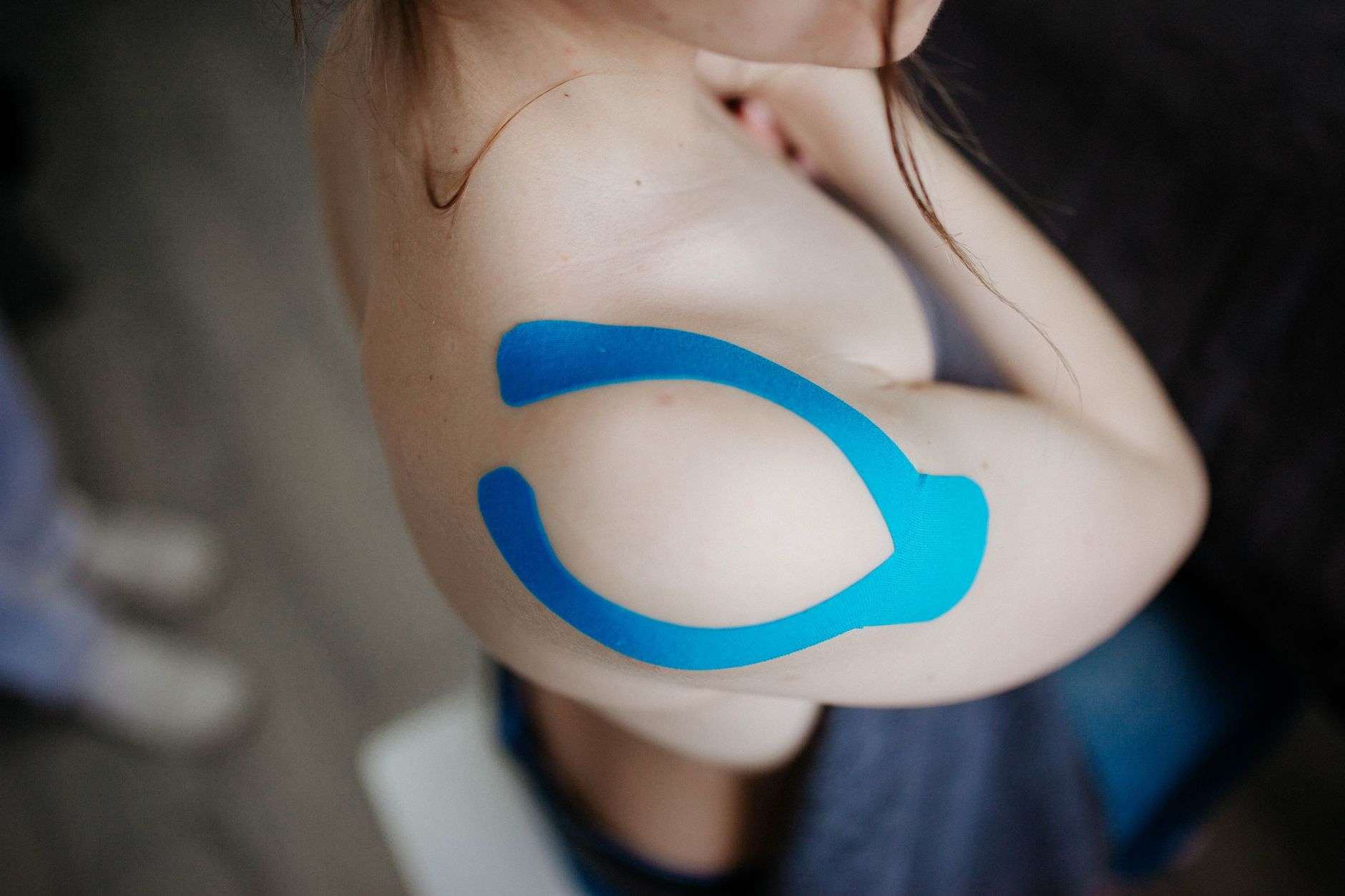
If you are looking for biceps pain treatment in Oakville, chances are you have a nagging ache at the front of your shoulder that flares up every time you reach overhead, lift a bag of groceries, or press a weight at the gym. Pain in this area is one of the most common complaints we assess at Wellmax Physiotherapy, and one of the most frequent culprits is the biceps tendon, the strong cord that anchors your biceps muscle to the front of your shoulder.
The frustrating part about biceps tendon pain is that it rarely announces itself with a dramatic injury. It creeps in after a busy week of tennis, a new gym program, a weekend of painting the ceiling, or months of repetitive work, and then it refuses to leave. The good news is that tendinopathy responds very well to the right physiotherapy plan. This page explains what biceps tendon pain typically feels like, why it happens, why rest alone rarely fixes it, and how we treat it in Oakville.
- What Does Biceps Tendon Pain Feel Like?
- What Is the Long Head of Biceps Tendon?
- Could My Front-of-Shoulder Pain Be Something Else?
- Why Does Biceps Tendinopathy Happen?
- Why Does Rest Alone Rarely Fix Tendon Pain?
- How Does Physiotherapy Treat Biceps Tendon Pain?
- Do I Need an Injection or Surgery for Biceps Tendon Pain?
- How Long Does Biceps Tendinopathy Take to Recover?
- When Should I See a Doctor About Biceps Pain?
- Why Choose Wellmax Physiotherapy for Biceps Pain Treatment in Oakville?
- Book Your Biceps Pain Assessment in Oakville
- Frequently Asked Questions
What Does Biceps Tendon Pain Feel Like?
Biceps tendinopathy usually shows up as a fairly focused pain at the front of the shoulder. Many people can point to the sore spot with one finger. The pain often travels a short distance down the front of the upper arm as a dull ache, and it typically gets worse with specific movements rather than hurting all the time.
Common patterns we hear in the clinic include:
- Pain at the front of the shoulder when reaching overhead, into the back seat of the car, or up to a high shelf
- An ache down the front of the upper arm after lifting, carrying, or a hard workout
- Sharp pain with pulling movements, chin-ups, rows, or heavy curls
- Soreness that is worst at the start of activity, warms up partway through, then aches afterward
- Discomfort lying on the affected shoulder at night
- Occasional clicking or a catching sensation at the front of the shoulder
Tendon pain also has a signature behaviour: it is load dependent. The more you demand of the tendon, the more it complains, and the reaction often shows up hours later or the next morning rather than during the activity itself. That delayed response is one reason people keep aggravating it without realizing which activity is responsible.
What Is the Long Head of Biceps Tendon?
Your biceps muscle sits on the front of your upper arm, and at the top it splits into two tendons. The one that causes most of the trouble is called the long head of biceps. It runs up the front of the arm, sits in a shallow bony groove at the front of the shoulder, then turns and attaches inside the shoulder joint itself.
Think of that groove as a pulley track. Every time you lift, reach, throw, or press, the tendon glides back and forth inside it under tension. Because the tendon works so hard in such a confined space, it is a common site for overuse irritation. When the demand on the tendon repeatedly outpaces its capacity to recover, the tendon structure starts to change and becomes painful. That process is called tendinopathy. Older terms like biceps tendonitis or tendinitis are still widely used, and for practical purposes they describe the same problem: a biceps tendon that has been pushed past what it can currently tolerate.

Could My Front-of-Shoulder Pain Be Something Else?
Yes, and this matters more than most people expect. Front-of-shoulder pain has several possible sources, and they can feel remarkably similar from the inside. The rotator cuff tendons sit right beside the biceps tendon and are irritated by many of the same activities. The shoulder joint itself, including the capsule and the labrum, can produce pain in the same region, and a stiffening joint in early frozen shoulder can start this way too. Pain can even be referred from the neck, where an irritated joint or nerve sends symptoms into the shoulder and arm without the shoulder being the true source, which is why a proper assessment always includes a neck screen.
So please do not diagnose yourself from this page, and do not let a search engine do it either. What we can say is that if your pain sits at the front of the shoulder, is clearly linked to lifting, pulling, or overhead activity, and behaves like a tendon (worse with load, grumbly the next day), the biceps tendon deserves a close look. A physiotherapy assessment uses specific tests to sort out which structure is actually driving your pain, because the treatment plan changes depending on the answer. If you want a deeper explanation of how we tell these apart, read our full guide to front-of-shoulder and biceps tendon pain.
It is also worth knowing that biceps tendon problems and rotator cuff problems very often occur together. The two share the same neighbourhood and the same workload, so when one is struggling, the other frequently is too. A good treatment plan addresses the whole shoulder, not one tendon in isolation.
Why Does Biceps Tendinopathy Happen?
Tendinopathy is almost always a story about load outpacing capacity. The most common triggers we see in Oakville are:
- Sudden training increases. A new gym program, a jump in weights, extra sets of presses and curls, or returning to hard training after a break. Tendons adapt more slowly than muscles, so a spike in workload is the classic starting point.
- Repetitive overhead sport. Tennis serves, swimming, baseball throwing, volleyball, and golf all load the front of the shoulder over and over. We treat a steady stream of these sports injuries every season.
- Heavy pulling and lifting. Chin-ups, rows, deadlifts, and biceps curls put the tendon under high tension, especially when volume climbs quickly or technique drifts under fatigue.
- Repetitive work. Trades, warehouse work, hairdressing, painting, and any job with sustained reaching or lifting can gradually overload the tendon, particularly overhead.
- Age-related tendon changes. From our forties onward, tendons naturally lose some elasticity and recover more slowly. The same workload that was fine at 30 can be too much at 50, which is why this problem often appears in active adults in midlife.
- Shoulder mechanics and neighbouring problems. A weak or irritated rotator cuff, a stiff upper back, or poor shoulder blade control all shift extra work onto the biceps tendon. This is why the tendon is often the messenger rather than the whole story.
Why Does Rest Alone Rarely Fix Tendon Pain?
This is the single most important idea on this page. Most people respond to tendon pain by resting completely, and most people are disappointed by the result. Rest usually calms the pain down, but it does nothing to rebuild the tendon’s capacity. In fact, a fully rested tendon loses strength, so the moment you return to the gym, the court, or the job site, you are loading a weaker tendon with the same demand that hurt it in the first place. The pain comes back, you rest again, and the cycle repeats for months.
Tendons are living tissue that adapts to load. Research on tendinopathy is consistent on this point: the way out is progressive loading, meaning carefully dosed exercise that starts at a level the tendon can tolerate and builds steadily over weeks. The skill lies in finding the right starting point, progressing at the right pace, and adjusting when the tendon reacts. That is precisely what a physiotherapist is trained to do, and it is why guided rehabilitation consistently outperforms rest and hope.
How Does Physiotherapy Treat Biceps Tendon Pain?
At Wellmax, treatment for biceps tendinopathy starts with a one-on-one, 60-minute assessment. That length is deliberate. Front-of-shoulder pain cannot be sorted out in a rushed 15-minute visit, and getting the diagnosis direction right is what makes everything after it work. Your assessment includes:
- A root-cause assessment of the whole shoulder. We test the biceps tendon directly, examine your rotator cuff strength, check shoulder joint mobility and shoulder blade control, and screen your neck to rule out referred pain. We also review your posture and the way your upper back moves, because a stiff mid-back quietly overloads the front of the shoulder.
- A training and workload review. We go through what changed before the pain started: your gym program, sport schedule, work demands, and daily habits. Finding the load spike is often the key to preventing a repeat.
- Hands-on manual therapy. Targeted soft tissue work and joint mobilization for the shoulder, upper back, and surrounding muscles help settle pain, restore movement, and make your exercise program more comfortable and more effective. Hands-on care is a core part of how we practise, not an afterthought.
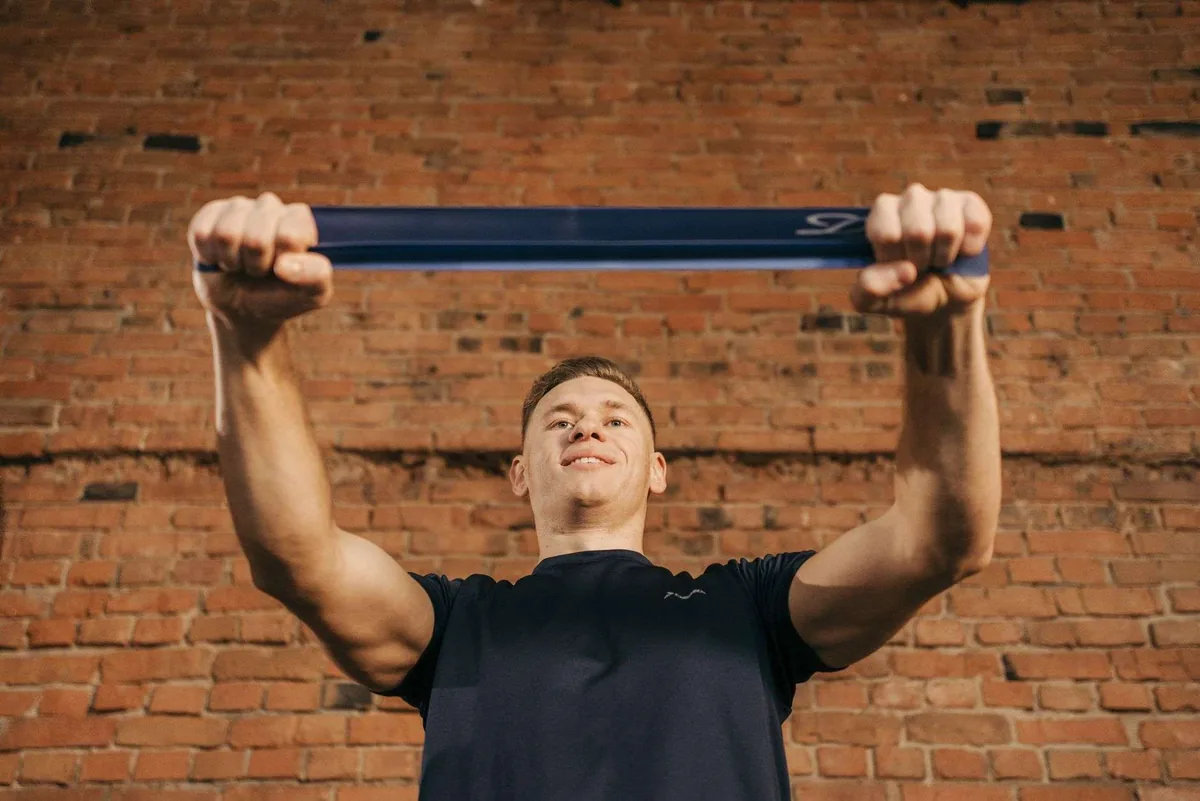
- A progressive loading program. This is the engine of tendon recovery. We usually begin with isometric exercises, which are gentle holds that load the tendon without movement and often ease pain at the same time. From there we progress to slow, controlled strengthening through range, then to heavier and faster loading that matches your sport or job, whether that is a tennis serve or lifting overhead at work. Each stage is dosed to your tendon’s current tolerance and progressed as it adapts.
- Technique and workload advice. Small adjustments to grip width, bar path, serving mechanics, or how you structure your training week can dramatically reduce tendon stress while you rebuild. The goal is to keep you active throughout recovery, not to pull you out of everything you love.
- Shockwave therapy for stubborn cases. For chronic tendinopathy that has lingered for months and stalled despite exercise, shockwave therapy can help restart the recovery process. It delivers focused acoustic pulses to the tendon to stimulate blood flow and the body’s natural healing response, and it pairs well with a loading program. We offer it on site in Oakville when the assessment suggests it will add value.
Because biceps and rotator cuff problems so often travel together, your program will usually strengthen the whole shoulder complex, not just the biceps. If your pain extends toward the elbow or began near the elbow crease, we assess that region too, since elbow pain and distal biceps issues have their own patterns and their own plan.
Do I Need an Injection or Surgery for Biceps Tendon Pain?
For the vast majority of people with biceps tendinopathy, no. Conservative care, meaning a structured program of loading, manual therapy, and activity modification, is the recommended first-line treatment, and most people improve with it. It also carries none of the risks that come with more invasive options.
Injections are a medical decision that belongs with your physician. Corticosteroid injections can settle pain in some situations, but they do not rebuild tendon capacity, and repeated injections into or around tendons raise their own concerns, so they are generally not a first step. If your progress stalls, we are happy to communicate with your family doctor so any injection decision is made with the full picture.
Surgery for the long head of biceps is uncommon and is typically reserved for specific problems, such as significant tears, tendon instability where the tendon slips out of its groove, or biceps involvement alongside a rotator cuff repair. Even then, surgeons usually want a proper course of rehabilitation attempted first. There are no absolutes here, and every case is individual, but the honest summary is this: most biceps tendon pain is treated well without a needle or a scalpel, and physiotherapy is where the evidence says to start.
How Long Does Biceps Tendinopathy Take to Recover?
Tendon recovery runs on a slower clock than muscle recovery, and it helps to know that going in. Mild, recent cases often settle within four to eight weeks of appropriate loading. Tendinopathy that has been grumbling for many months usually needs three to six months of consistent work to fully rebuild capacity, and heavily loaded athletes at the end of that range should expect a graded return to sport rather than a single green light.
The main driver of your timeline is consistency with the loading program. Tendons adapt to what you do repeatedly, so two or three focused strength sessions every week for months beats two perfect weeks followed by a layoff. Expect some ups and downs along the way; a mild next-day reaction after progressing an exercise is normal and is actually information we use to fine-tune your dosage. What you should see across weeks is a clear trend: more strength, more tolerance, and less pain with the activities that used to flare you up.
When Should I See a Doctor About Biceps Pain?
Most biceps tendon pain is safe to treat with physiotherapy, and in Ontario you do not need a referral to see us. A few situations deserve prompt medical assessment first:
- A sudden pop during lifting, followed by bruising and a visible change in the shape of your upper arm. This pattern can indicate a biceps tendon rupture, where the muscle belly bunches lower in the arm, and it should be assessed promptly because some tears are time-sensitive to treat.
- Night pain that is constant and not settling regardless of position or activity over a period of weeks.
- Numbness, tingling, or weakness spreading into the forearm or hand, which points toward nerve involvement, often from the neck.
- Shoulder pain that began with a fall or direct impact, where a fracture or significant tear needs to be ruled out.
- Unexplained fever, unintended weight loss, or a hot, swollen joint alongside your shoulder pain.
If any of these apply, see your physician or seek urgent care first. If you are unsure which category you fall into, call us at (905) 829-1100 and describe what happened. We screen for these red flags at every assessment, and if anything about your presentation needs medical eyes, we will tell you directly and point you to the right place.
Why Choose Wellmax Physiotherapy for Biceps Pain Treatment in Oakville?
Shoulder and tendon rehabilitation rewards precision, and that is how our clinic is built. Every assessment is a full one-on-one 60-minute appointment, so there is time to test the biceps tendon, the rotator cuff, the joint, and the neck properly instead of guessing. You get expert care from assessment to discharge, with your loading program reassessed and progressed at every visit.
Care is led by Gurmeet Rai, a registered physiotherapist with over 16 years of experience and our clinic director. Our approach is hands-on and root-cause focused: we treat the tendon, and we also fix the mechanics and training habits that overloaded it, so the problem stays solved. We treat shoulder pain of every kind daily, from gym-related tendinopathy to post-surgical rehabilitation, and shockwave therapy is available on site for chronic cases.
Practical details matter too. We offer evening and weekend-morning appointments so treatment fits around work and family, free parking at the door, and direct billing to most major insurers. We proudly serve Oakville and Mississauga from our clinic just off the QEW at Winston Churchill Blvd.
Book Your Biceps Pain Assessment in Oakville
The longer tendinopathy lingers, the longer it takes to rebuild, so the best time to start is now. Book a free consultation to talk through your front-of-shoulder pain, or go straight to a full 60-minute assessment. Call (905) 829-1100 or book online. No referral is needed, and we direct bill most major insurance plans.
What Our Patients Say
Neha T.“Great experience with Gurmeet and Jhanvi for a rotator cuff injury. They were knowledgeable, patient, and explained everything clearly throughout my recovery. The treatment plan was effective and tailored to my needs, and I noticed steady improvement in my shoulder pain and mobility. Highly recommend for anyone dealing with shoulder issues.”
Nilson A.“Physio therapy on my left shoulder, amazing. Felt relief right away. Gurmeet is excellent and I recommend Wellmax to everyone. The staff are friendly and courteous and professional. Genuinely care about the patients.”
Lu M.“Kind, caring, knowledgeable and magical hands. Came in about 6 weeks ago with lots of pain from a torn rotator cuff. Dhrushi and the team provided various treatments and exercises to help reduce my shoulder pain, and now I can sleep through the night. They worked with my medical diagnosis, my schedule and my insurance to build a treatment schedule, and now I’m on my way to recovery. I’m feeling great and look forward to returning to racquet sports this fall.”
Farwah R.“Gurmeet deeply cares about her patients and her work, and it is rare to find such Healthcare providers. I went to her for physio after suffering with terrible shoulder & right hand pain. Doctors continued to gaslight me and after 2 years when the pain got unbearable, I finally went for physio. The pain immediately started getting better. Cannot recommend her enough.”
Zafar H.“Extraordinary relief from my shoulder pain in few minutes. Gurmeet magically brought my arm back to work instantly. It’s more than three hours after my appointment and I have no pain at all.”
John C.“Fully recommendable. Gurmeet is very knowledgeable and a well experienced Physiotherapy. I’ve been going to this place for a couple of times they really managed to recover my shoulder issues that I have been suffering for more than a decade. Thank you Wellmax Physiotherapy.”
George X.“Ms Rai is doing a fabulous job of managing the rehab of my rotator cuff, both in her treatment and in her guiding of my own exercise regimen.”
Sarah J.“Without a doubt, this is the best physiotherapy clinic in Oakville. My experience here with frozen shoulder is too good not to share. I came in with persistent shoulder pain and stiffness that was not fading away. I was having difficulties lifting my arm, getting dressed, and even sleeping was extremely uncomfortable. Before coming to Wellmax, nothing I tried gave me lasting relief. From the very first visit, the staff made me feel welcomed and genuinely cared for. What stood out most was how thorough the assessment was. Gurmeet took her time and explained everything without rushing. Within a few sessions, the improvement was incredible. The sharp pain faded and my range of motion improved drastically. …”
See all our Google reviewsRead more patient storiesLeave a review
Frequently Asked Questions
What does biceps tendonitis feel like?+–
Most people describe a focused pain at the front of the shoulder, often with a dull ache running a short way down the front of the upper arm. It typically worsens with overhead reaching, lifting, pulling, or curling, and can ache the next morning after a hard workout. Some people notice clicking at the front of the shoulder or soreness when lying on that side at night.
How do I know if my shoulder pain is from the biceps tendon?+–
You cannot reliably tell on your own. Rotator cuff problems, the shoulder joint itself, and pain referred from the neck can all feel very similar at the front of the shoulder, and biceps and rotator cuff issues often occur together. A physiotherapy assessment uses specific tests for each structure, plus a neck screen, to identify what is actually driving your pain so treatment targets the right thing.
Does biceps tendonitis go away on its own?+–
Mild, recent irritation sometimes settles with a short period of reduced load. Established tendinopathy usually does not, because rest calms the pain without rebuilding the tendon’s capacity, so symptoms return as soon as you go back to normal activity. The reliable path out is a progressive loading program that gradually restores the tendon’s strength, which is exactly what physiotherapy provides.
Should I keep lifting weights with biceps tendon pain?+–
Usually yes, but with modifications rather than pushing through sharp pain. Complete rest weakens the tendon, while smart adjustments, such as reducing weight, slowing tempo, changing grip, and temporarily swapping the most aggravating lifts, let you keep training while the tendon recovers. A physiotherapist can show you which exercises to modify, which to keep, and how to progress back to full loading.
How long does biceps tendinopathy take to heal?+–
Tendons recover on a slower timeline than muscles. Mild, recent cases often improve within four to eight weeks of appropriate loading, while tendinopathy that has lingered for months typically needs three to six months of consistent strengthening to fully rebuild capacity. Consistency with the exercise program is the biggest factor in how quickly you recover.
Is heat or ice better for biceps tendon pain?+–
Either can help, and neither fixes the problem. Ice can take the edge off a fresh flare-up, while heat often feels better for a stiff, achy tendon before activity. Use whichever gives you relief, but treat them as comfort tools. The actual recovery comes from progressive loading exercise that rebuilds the tendon’s tolerance.
Does shockwave therapy work for biceps tendinopathy?+–
Shockwave therapy can be a useful addition for chronic tendinopathy that has stalled despite exercise. It delivers focused acoustic pulses that stimulate blood flow and the body’s healing response in the tendon. It works best combined with a progressive loading program rather than on its own, and Wellmax offers it on site in Oakville when the assessment suggests it will help.
What exercises help biceps tendinopathy?+–
Rehabilitation usually starts with isometric holds, which load the tendon without movement and often ease pain, then progresses to slow, controlled strengthening such as controlled curls and shoulder work, and finally to heavier and faster loading that matches your sport or job. Rotator cuff and shoulder blade strengthening are usually included too. The right starting point and progression speed depend on your assessment.
When is surgery needed for a biceps tendon problem?+–
Rarely. Surgery is typically reserved for specific situations such as significant tears, a tendon that is unstable and slipping out of its groove, or biceps involvement addressed during a rotator cuff repair. For most tendinopathy, guidelines recommend conservative care first, and most people improve with a structured physiotherapy program. Even surgical candidates are usually asked to complete rehabilitation before a decision is made.
What happens if biceps tendonitis is ignored?+–
Untreated tendinopathy tends to become more persistent and more sensitive to load, so everyday tasks like reaching overhead or carrying start to provoke it. People often compensate by changing how they move, which can overload the rotator cuff and neck. The longer a tendon problem lingers, the longer rehabilitation typically takes, so earlier treatment usually means a shorter recovery.
Do I need a doctor's referral to see a physiotherapist for biceps pain?+–
No. Ontario allows direct access to physiotherapy, so you can book an assessment at Wellmax without seeing a physician first. One exception worth knowing: if you felt a sudden pop while lifting followed by bruising and a visible change in your arm shape, see a doctor promptly first, because possible tendon ruptures should be medically assessed early.
Is physiotherapy for biceps pain covered by insurance?+–
Most extended health plans through work cover physiotherapy, and Wellmax direct bills most major insurers, so in many cases you pay little or nothing out of pocket at your visit. We also offer a free consultation if you want to talk through your shoulder pain before committing to an assessment. Call (905) 829-1100 to check your coverage and book.
Registered & Regulated
Regulated & Recognized Across Every Discipline
Wellmax is in good standing with the regulatory colleges and leading associations for physiotherapy, chiropractic, massage therapy, and naturopathic medicine in Ontario.