
C-Section Recovery and Scar Physiotherapy in Oakville
Scar mobilisation, core and pelvic floor retraining after a caesarean birth, whether your baby is six weeks old or your C-section was ten years ago. Pelvic health physiotherapist, 60 minute visits, direct billing.
Home > Conditions We Treat > C-Section Recovery and Scar Physiotherapy in Oakville
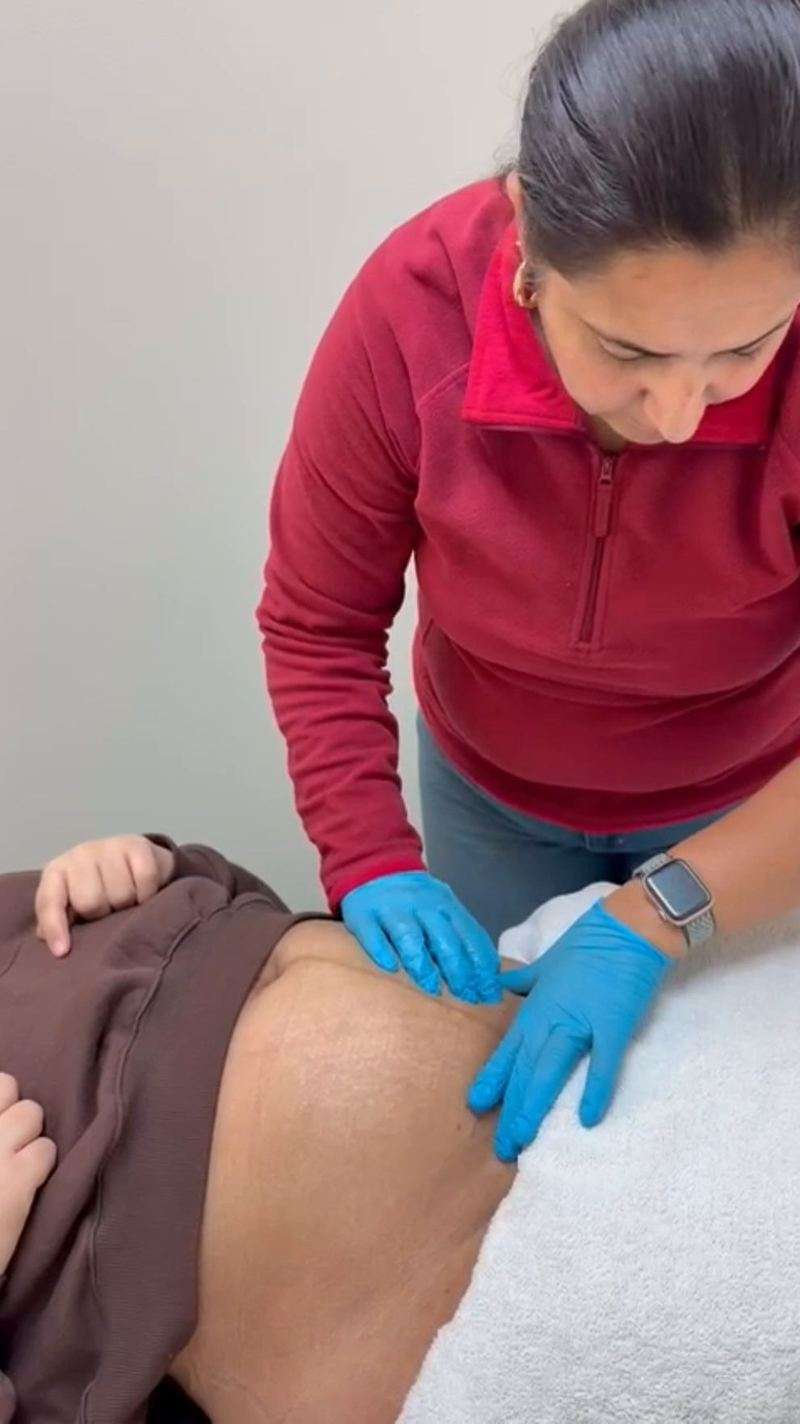
C-section recovery physiotherapy in Oakville at Wellmax treats the part of a caesarean birth that the six-week check does not: the scar, the abdominal wall that was cut through, the core and pelvic floor that were stretched by the pregnancy, and the back and hips that carried the load. Whether your baby is six weeks old or your youngest is in high school, a scar that pulls, a belly that will not switch on, or a low back and hips that never settled can all be traced back to a C-section that was never rehabilitated. Our pelvic health physiotherapist assesses all of it in one visit and starts treatment the same day. If you would rather talk first, book a free 15 minute consult.
Roughly one in three births in Ontario is by caesarean section. It is major abdominal surgery, and it is the only major abdominal surgery after which most people are sent home with no rehabilitation at all. This page explains what a C-section does to the abdominal wall and pelvic floor, why a scar can cause pain years later, what C-section scar treatment and recovery physiotherapy involve at Wellmax, and when to book.
- What a C-section actually does to your body
- Signs your C-section scar has not fully recovered
- Why a C-section scar can cause pain years later
- C-section scar treatment at Wellmax
- When to start C-section recovery physiotherapy
- Your C-section recovery assessment at Wellmax
- What you can do at home in the meantime
- Why choose Wellmax for C-section recovery in Oakville?
- Book your C-section recovery assessment in Oakville
- Frequently Asked Questions
What a C-section actually does to your body
During a caesarean, the surgeon cuts through skin, fat, the sheath that holds the abdominal muscles, and the lining of the abdomen, then opens the uterus. The rectus abdominis muscles (the “six pack” muscles) are usually separated at the midline rather than cut, but they are stretched and pulled apart, and the nerves that supply the skin and muscle below the incision run right through the surgical field. Each layer heals with scar tissue, and scar tissue does not behave like the tissue it replaces.
Three things follow from that. First, the scar can bind the layers together (adhesions), so that the skin, muscle and the tissue over the bladder and uterus no longer glide independently. Second, the lower abdominal muscles, which were already stretched by pregnancy, can stay switched off after surgery because contracting them pulls on a sore wound. Many women unknowingly stop using the lower abdominals for years. Third, the pelvic floor is affected even though it was not cut: the pregnancy loaded it for nine months, and research published in 2025 found that women with more severe caesarean scars showed higher resting pelvic floor muscle tone at six to eight weeks after birth. A pelvic floor that is held tight is a pelvic floor that leaks, aches and makes sex painful.
Signs your C-section scar has not fully recovered
Some of these show up in the first months. Others appear years later and are rarely connected to the surgery by the person experiencing them. Common patterns we see in the clinic include:
- Pulling, tightness or a “tugging” feeling at the scar when you stand up straight, stretch, or reach overhead.
- Numbness, tingling, itching or hypersensitivity around or below the scar that has lasted more than a few months.
- A shelf or overhang above the scar where the tissue is tethered down, sometimes called a C-section pooch. This is often tethering, not fat, and it responds to scar work.
- A belly that still looks pregnant months or years later, or a gap you can feel down the middle of your abdomen (diastasis recti).
- Low back, hip or SI joint pain that started after the birth and never left. When the lower abdominals do not work, the back and hips absorb the load instead.
- Bladder leakage, urgency, or a feeling of needing to go all the time, which can come from a tight pelvic floor as much as a weak one, and from scar tissue restricting the bladder.
- Painful sex or pelvic pain, particularly a deep ache, since a scar that holds the uterus can be felt with intercourse.
- Pain at the scar during your period or with a full bladder.
- Difficulty with sit-ups, planks or lifting, or a feeling that your core “does not connect”.
None of these means something has gone wrong with the surgery, and none of them is a diagnosis on its own. The same symptom can have several different causes, and each needs different treatment, which is why an assessment comes before any plan. If this sounds like you, or you are not sure, book an assessment and we will work out what is actually driving it.
Why a C-section scar can cause pain years later
Scar tissue matures for 12 to 18 months after surgery, and during that time it lays down fibres in whatever direction it is loaded. If the area is guarded and barely moved, which is what happens when a new mother is sore, sleep-deprived and carrying a baby, the fibres set in a dense, tethered pattern. The scar then acts like a tack pinning the layers of the abdominal wall together. Every time you extend your spine, twist, or take a full breath, something pulls on it.
Over years, the body works around the restriction. The lower abdominals stay quiet, the back muscles and hip flexors overwork, the pelvic floor braces to compensate, and the pelvis tilts to unload the scar. The result is a patient in her forties with hip pain, a stiff low back, or a pelvic floor that leaks when she runs, who has no idea it connects to a birth a decade ago. This is one of the most common findings in our postpartum and pelvic health assessments, and it is one of the most treatable, because scar tissue can be mobilised at any age. It is never too late to start.
C-section scar treatment at Wellmax

Scar work is hands-on, gentle and progressive. Nothing is forced, and the first sessions often feel like a firm, slow massage rather than treatment. What it involves:
- Scar assessment. We look at the scar’s colour, thickness and sensitivity, test how freely it slides in each direction over the tissue beneath it, check for adhesions and numb or hypersensitive patches, and assess how the abdominal wall, breathing and pelvic floor respond when the scar is loaded.
- Scar mobilisation and massage. Slow, sustained pressure and gliding techniques in the direction the tissue is restricted, moving from the skin down through the deeper layers as the scar tolerates it. You are taught the same techniques to do at home between visits, because daily work is what changes a scar.
- Desensitisation for scars that are numb, tingly or painful to touch, using graded textures and pressure to retrain the nerves in the area.
- Abdominal wall and core retraining. Restoring the connection between the breath, the deep abdominals (transversus abdominis) and the pelvic floor, then rebuilding strength in stages. This is where the “belly that will not switch on” changes.
- Pelvic floor assessment and treatment. A C-section does not spare the pelvic floor, and a pelvic floor that is holding tight needs release work before any strengthening. Internal assessment is offered when it will change the plan, always explained first, and always your choice. Our pelvic floor physiotherapy page explains what that involves.
- Treatment of the back, hips and pelvis that have been compensating, so the pain you came in with is addressed directly rather than left to sort itself out.
- A graded return to exercise, from walking and core work to running, lifting and impact, with the scar and pelvic floor tested at each step. See postpartum physiotherapy for the wider return-to-activity plan.
We do not use lasers, shockwave or ultrasound on C-section scars as a substitute for hands-on work. There is no gadget that mobilises a tethered scar. What changes it is skilled manual therapy, a home programme you actually do, and a core that starts working again.
When to start C-section recovery physiotherapy
In the first six weeks: the incision needs to close and the deep layers need to knit before any direct scar work. This is the time for breathing, gentle pelvic floor awareness, learning to get in and out of bed and lift the baby without straining the wound, and managing back and neck pain from feeding. A postpartum assessment in this window is safe and useful; it simply does not involve the scar itself yet.
From six to eight weeks, once your doctor or midwife has cleared you and the incision is fully closed: scar mobilisation can begin. This is the ideal window, because the scar is still remodelling and responds quickly. Most patients notice the pulling ease within a few sessions.
Months or years later: scar tissue can still be mobilised, it simply takes more sessions and more consistent home work. Patients who had their C-section five, ten or fifteen years ago regularly see real change in scar mobility, abdominal function and the back and hip pain that came with it. Being “cleared at six weeks” was never the same as being recovered, and there is no expiry date on treatment.
Your C-section recovery assessment at Wellmax
A postpartum physiotherapy assessment at Wellmax is a full 60 minute visit covering your scar, abdominal wall, pelvic floor, back and hips, with your first hands-on treatment in the same visit. It is $150, no referral is needed, and we direct bill most insurers.
The visit is the same whether your C-section was six weeks or six years ago. You can read more about our pelvic health physiotherapy.
What you can do at home in the meantime
These are a safe starting point once your incision is fully closed and you have been cleared. They are not a substitute for an assessment, and if anything increases your pain, stop and book.
- Touch the scar. Many women avoid it for years. Start by resting your fingertips on it during a few slow breaths, then progress to light circles. Getting comfortable with contact is the first step in desensitisation.
- Breathe into your belly. Lying on your back with knees bent, let the belly rise gently as you inhale and fall as you exhale. Ten slow breaths, twice a day. This starts to restore the glide between the layers.
- Roll, do not sit up. Get out of bed by rolling to your side and pushing up with your arms. It protects the scar and the midline.
- Walk. Short, frequent walks are the best early exercise for the abdominal wall and pelvic floor. Add distance before you add speed.
- Hold off on crunches, planks and running until your core and pelvic floor have been assessed. They are not banned forever; they are simply the wrong first step.
Why choose Wellmax for C-section recovery in Oakville?
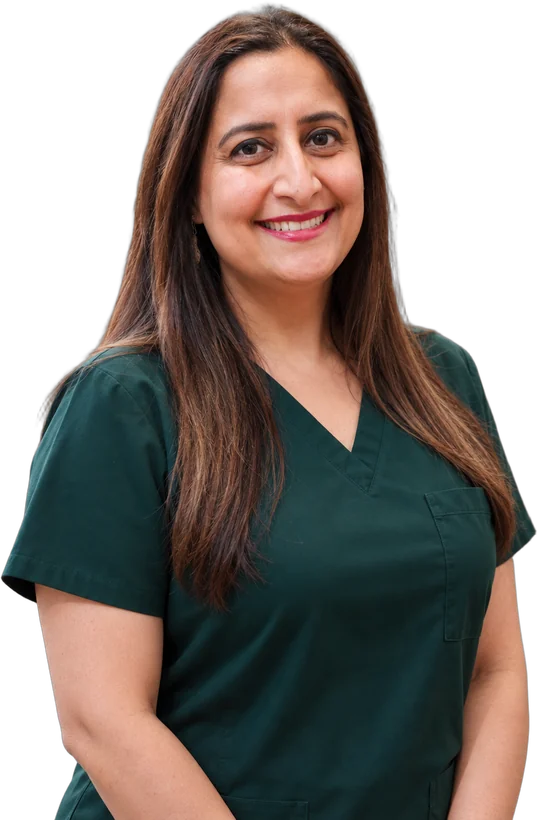
- A Level 3 pelvic health certified physiotherapist, not a general physiotherapist. Gurmeet Rai is a Registered Physiotherapist with Level 3 pelvic health training, 16 years of experience, and is a mother herself. Scar work, pelvic floor assessment and core retraining are done by a clinician who does this every day, with expert care from assessment to discharge.
- Sixty minute visits with one-on-one care in a private treatment room, and honest guidance: the aim is to get you moving and independent, not tied into endless appointments.
- A female-led team. Our physiotherapists, chiropractor, naturopathic doctor and two of our registered massage therapists are women. See female physiotherapist in Oakville.
- Everything after birth under one roof. Diastasis, bladder leakage, prolapse, painful sex, back and hip pain and pregnancy-related pelvic pain are treated by the same team, so a scar that is part of a bigger picture is treated as part of that picture.
- Direct billing, no referral needed, and a clinic at Winston Churchill Boulevard and the QEW with free parking and a waiting room where a baby in a car seat is welcome.
Book your C-section recovery assessment in Oakville
If your scar pulls, your belly will not switch on, or your back and hips have never been the same since the birth, it is worth an hour to find out why. Book online, call (905) 829-1100, or start with a free 15 minute consult if you have questions first. You can bring your baby to any appointment.
What Our Patients Say
Amara W.“I can’t recommend Gurmeet enough for post-partum recovery. She has been incredibly supportive, knowledgeable, and attentive throughout my healing journey. An incredible pelvic floor physio she is. From week 1 Postpartum I am seeing Gurmeet and thats the best decision I ever made!”
Victoria D., Oakville“Within just a handful of sessions, Gurmeet took issues I had been struggling with for months (and honestly, years after my first birth) and had me feeling like myself again. She’s the reason I went from debilitatingly painful periods to completely manageable ones — something I didn’t think was possible!”
Verified Patient“I was referred to pelvic health physio after having bladder urgency issues for months. I was nervous about the internal assessment but the therapist at Wellmax explained every single step before doing anything and I never felt rushed or uncomfortable. The treatment room was completely private. By the end of my treatment plan I went from running to the bathroom every 30 minutes to being able to hold comfortably for hours. I wish I had done this sooner instead of just assuming I had to live with it.”
Jolean L.“Do not hesitate to book an appointment if you are pregnant and are experiencing any pelvic pain. The team was able to help me improve my ambulation quality of life in a very short time. Highly recommend!!”
Shamaila R.“Gurmeet Rai is not only an amazing physiotherapist, but also a truly wonderful person. Her smiling face and unique approach to treatment completely set her apart from other therapists. I first came to her with severe lower back and leg pain, and after her treatments, I experienced massive relief. When my younger sister visited from the UK suffering from pelvic floor issues, I immediately recommended Gurmeet. After just a few sessions, she is already feeling so much better! The clinic staff are also incredibly welcoming and helpful. Thank you, Gurmeet Rai, for your exceptional therapy and care!”
Marilyn’s E.“If you are looking for expert physiotherapy, look no further than Gurmeet Rai, who has just opened her own clinic, Wellmax Physiotherapy, in East Oakville. The space is freshly decorated and designed and the staff are welcoming. Treatment rooms are relaxing with calming colours and soft lighting. But the real bonus is the quality of the treatment and care you’ll receive. I began with pelvic floor therapy, but have continued on with Gurmeet to address some life-long postural issues. Gurmeet is a very experienced and highly skilled practitioner and I have no reservations in recommending her whatever your needs.”
Verified Patient“After my second baby I was dealing with leakage every time I coughed, sneezed, or tried to exercise. I put off getting help for almost a year because I felt embarrassed and thought it was just something that happens after kids. The pelvic floor assessment at Wellmax was private, respectful, and way less uncomfortable than I expected. Gurmeet explained exactly what was happening with my pelvic floor muscles and gave me a program that was nothing like the generic Kegels my doctor had suggested. Four sessions in and the leakage had improved significantly. I can actually jump with my kids again without worrying.”
Emily C.“I can confidently say this is the best physiotherapy clinic in Oakville for postpartum care. After having my baby, I was experiencing pelvic floor discomfort and lower back pain that was making daily life very difficult. I booked an appointment with Gurmeet, and she made me feel completely comfortable and heard right from the start. She asked detailed questions about my daily routine and explained how pelvic health physiotherapy could help rebuild my core strength safely. The hands-on treatment and tailored home exercises made a massive difference in just a few weeks. The atmosphere is welcoming and professional, and they truly focus on long-term results rather than just a quick fix.”
See all our Google reviewsRead more patient storiesLeave a review
Level 3 Pelvic Health Certified
 Advanced training with
Pelvic Health Solutions
A C-section is major abdominal surgery, and the scar and nearby tissue can feel tight, numb or sensitive for months. Once the incision has healed, Gurmeet reviews scar mobility, core and pelvic floor function, and how you move in and out of bed. She teaches scar care you can do at home and adds strength work at a steady pace.
Read our guide: C-section recovery week by week: what to expect.
Frequently Asked Questions
Why does my C-section scar still hurt years later?+–
Scar tissue keeps remodelling for 12 to 18 months after surgery, and if the area is guarded and rarely moved during that time, the layers of the abdominal wall can become tethered together. That restriction then pulls every time you stand tall, twist or breathe deeply, and the back, hips and pelvic floor compensate around it. Pain, pulling or numbness at a scar that is two, five or ten years old is common, and it is treatable, because scar tissue can be mobilised at any age.
Can a C-section scar cause back, hip or pelvic pain?+–
It can contribute to all three. When the lower abdominal muscles stay switched off after surgery, the low back and hip muscles take over the work of stabilising the pelvis, and the pelvic floor often braces to compensate. Adhesions can also restrict the tissue around the bladder and uterus, which is felt as deep pelvic pain, pain with a full bladder or pain during sex. The same symptoms can have other causes too, so an assessment is needed to work out how much the scar is involved.
When can I start C-section scar massage?+–
Once the incision is fully closed and your doctor or midwife has cleared you, usually from six to eight weeks after birth. Before that, the deep layers need time to knit, so early physiotherapy focuses on breathing, gentle pelvic floor awareness and how to move without straining the wound. Six to twelve weeks is the ideal window because the scar is still remodelling, but massage still helps a scar that is months or years old; it simply takes more sessions.
What does C-section scar treatment involve?+–
A hands-on assessment of how freely the scar slides over the tissue beneath it, then slow, sustained mobilisation and gliding techniques in the direction the scar is restricted, working from the skin down through the deeper layers as it tolerates. Numb or hypersensitive scars are desensitised with graded touch. You are taught the same techniques for daily use at home, and the work is paired with retraining the deep abdominals and pelvic floor so the result lasts.
Is the overhang above my C-section scar fat or scar tissue?+–
Often it is tethering rather than fat. When the scar binds down to the deeper layers, the tissue above it has nowhere to go and folds over the incision line, creating a shelf or pooch that does not change with weight loss. Mobilising the scar and restoring the glide between the layers often softens or reduces the overhang, and retraining the lower abdominals changes the shape further. An assessment will tell you which it is.
Does a C-section affect the pelvic floor even though it was not cut?+–
Yes. The pelvic floor carried the weight of the pregnancy for nine months regardless of how the baby was delivered, and research published in 2025 found that women with more severe caesarean scars showed higher resting pelvic floor muscle tone at six to eight weeks postpartum. A pelvic floor that is held tight can leak, ache and make sex painful just as a weak one can, which is why a C-section recovery assessment includes the pelvic floor and not just the scar.
Is it too late for C-section recovery physiotherapy if my baby is a toddler, or my children are grown?+–
No. Scar tissue can be mobilised at any age, and the abdominal wall and pelvic floor can be retrained at any age. Patients who had their caesarean five, ten or fifteen years ago regularly see real change in scar mobility, core function and the back and hip pain that came with it. Older scars generally need more sessions and more consistent home work than a recent one, but being cleared at six weeks was never the same as being recovered, and there is no cut-off for starting.
Can I exercise after a C-section, and when can I run or do crunches?+–
Walking is encouraged early, with distance added before speed. Crunches, planks, heavy lifting and running are not banned forever, but they are the wrong first step, because they load a scar and a core that have not been assessed. Once the pelvic floor and deep abdominals are working with your breath and the scar moves freely, exercise is rebuilt in stages, with the scar and pelvic floor checked at each step. Most people return to running between three and six months after birth when they follow a graded plan.
Does C-section recovery physiotherapy involve an internal exam?+–
Only when it will change the plan, and only with your consent after it has been explained. Scar mobilisation and core retraining are entirely external. An internal pelvic floor assessment gives the most accurate picture of muscle tone and strength, which matters if you have leakage, heaviness or pain with sex, but you can decline it and still be treated. Everything happens in a private room with a female physiotherapist.
How much does C-section recovery physiotherapy cost, and is it covered by insurance?+–
A pelvic health assessment is 60 minutes and $150, covering the scar, abdominal wall, pelvic floor, back and hips, with your first hands-on treatment in the same visit. Follow-ups are $120. Pelvic health physiotherapy is covered under the physiotherapy benefit of most extended health plans, and Wellmax direct bills most major insurers. No referral is needed.
Can I bring my baby to the appointment?+–
Yes. Many patients do, and a car seat or stroller fits in the treatment room. If you are feeding or the baby needs you during the visit, we pause and continue. Appointments are 60 minutes and one-on-one, so there is time. If you would prefer to come alone, evening and Saturday appointments are available as well.
Registered & Regulated
Regulated & Recognized Across Every Discipline
Wellmax is in good standing with the regulatory colleges and leading associations for physiotherapy, chiropractic, massage therapy, and naturopathic medicine in Ontario.


