
Tailbone (Coccyx) Pain Treatment in Oakville
Coccydynia assessment and hands-on treatment, including tailbone pain after childbirth, from a pelvic health physiotherapist. Acupuncture available. Direct billing, no referral needed.
Home > Conditions We Treat > Tailbone (Coccyx) Pain Treatment in Oakville
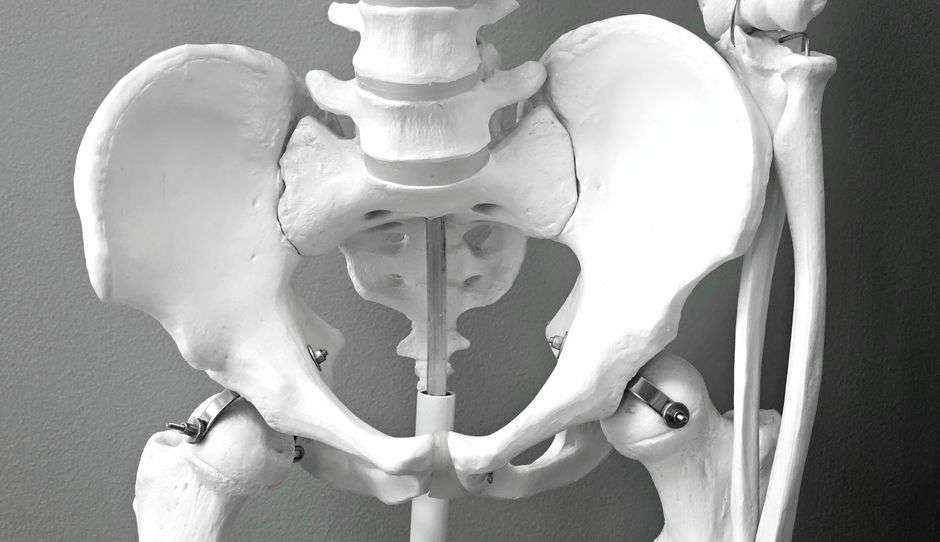
Tailbone pain treatment in Oakville at Wellmax Physiotherapy addresses the coccyx, the small set of fused bones at the very bottom of the spine, and the muscles, ligaments and joints attached to it. Tailbone pain (coccydynia) makes sitting miserable, turns standing up from a chair into a wince, and is often dismissed as something you have to wait out. It is not. Most tailbone pain responds well to hands-on physiotherapy, and pain that began during childbirth, after a fall, or after months of sitting on a hard chair has a clear treatment path. Our pelvic health physiotherapist and acupuncturist treat it regularly. If you have questions first, book a free 15 minute consult.
This page covers what the coccyx does, why it becomes painful, why tailbone pain after birth is so common and so under-treated, how we assess it, what treatment involves at Wellmax, and how long it takes to settle. The same pain at the base of the spine can have several different causes, and each needs different treatment, so the first visit is an assessment rather than a guess.
- What is the coccyx, and why does it hurt?
- Common causes of tailbone pain
- Tailbone pain after birth
- How we assess tailbone pain in Oakville
- Tailbone pain treatment at Wellmax
- What you can do at home while you wait
- How long does tailbone pain take to get better?
- Why choose Wellmax for tailbone pain in Oakville?
- Book your tailbone pain assessment in Oakville
- Frequently Asked Questions
What is the coccyx, and why does it hurt?
The coccyx sits at the bottom of the sacrum and is made of three to five small vertebrae that are usually fused. It is small, but it is not useless: it anchors the pelvic floor muscles, the gluteus maximus, and several ligaments, and it acts as one of the three points of a tripod (with the two sitting bones) that carries your weight when you sit. When you lean back in a chair, the tailbone takes more of that load. When you stand up, the pelvic floor and gluteals pull on it.
Pain arises when the joint between the sacrum and coccyx, or the joints within the coccyx itself, are strained or inflamed, when the ligaments around it are sprained, or when the pelvic floor muscles that attach to it are held tight and pull on it constantly. Most tailbone pain is one of these, or a mix of them, and each responds to a different emphasis in treatment.
Common causes of tailbone pain
- Childbirth. During a vaginal delivery the coccyx has to move backward to let the baby’s head pass. A long pushing stage, a large baby, a forceps or vacuum delivery, or an epidural that limits your ability to change position can strain or sprain the joint and, occasionally, bruise or fracture the bone. Tailbone pain after birth is common and frequently lasts months when it is not treated.
- A fall onto the buttocks. Ice, stairs, a missed chair, a snowboard. This is the classic cause and can bruise, sprain or fracture the coccyx.
- Prolonged sitting on hard surfaces, at a desk with a slumped posture, or on a bicycle or rowing seat. The pain builds slowly and is often worst by the end of the workday.
- Pelvic floor muscle tension. A pelvic floor that is chronically held tight, which is common after birth, with stress, and in people with pelvic pain, pulls on the coccyx from below. This is one of the most overlooked causes and one of the most treatable.
- Pregnancy. The hormone relaxin loosens the ligaments around the coccyx, the growing uterus changes how you sit, and the pelvic floor works harder. Tailbone pain in the third trimester is common and often continues into the postpartum period.
- Repetitive strain from rowing, cycling, horse riding, or sports with repeated falls.
- Weight changes. Rapid weight loss reduces the padding over the coccyx; weight gain changes the angle you sit at.
- Referred pain from the low back, sacroiliac joints or a disc, which can be felt at the tailbone even though the coccyx itself is fine. Our assessment screens for this.
Rarely, tailbone pain has a cause that needs medical investigation, such as an infection, a cyst or a tumour. Pain that is constant regardless of position, that wakes you at night, or that comes with fever, unexplained weight loss, or changes in bowel or bladder control should be reviewed by your doctor. We check for these signs at your assessment and refer you back to your physician if anything does not fit.
Tailbone pain after birth
This deserves its own section because it is so common and so poorly served. Many women leave the hospital with a tailbone that hurts to sit on, are told it will settle, and are still unable to sit through a feed, a car ride or a meal six months later. The six-week check rarely examines the coccyx, and general advice to “use a cushion” does nothing about a joint that is sprained or a pelvic floor that is pulling on it.
Postpartum tailbone pain is usually a combination of three things: a strained sacrococcygeal joint from the delivery, pelvic floor muscles that are tight and guarding after the birth, and a pelvis and low back that have not yet regained their stability. Each one is treatable, and treating all three together is what makes the pain resolve rather than linger. Our postpartum physiotherapy assessment checks the coccyx, the pelvic floor and the pelvis in one 60 minute visit, with your first hands-on treatment the same day.
How we assess tailbone pain in Oakville
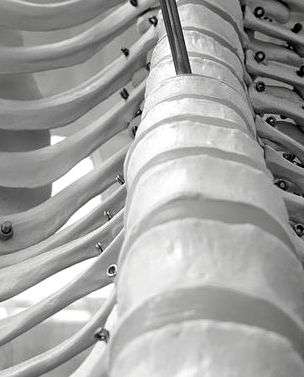
Your first visit is a 60 minute assessment with one-on-one care at Wellmax, led by a registered physiotherapist. We take a full history: how the pain started, what makes it worse, your birth history if relevant, your sitting habits, and any previous treatment. Then we examine the low back, sacroiliac joints and hips to rule them in or out, look at how you sit and stand, and assess the coccyx itself, including how it moves and where it is tender.
Because the pelvic floor muscles attach directly to the coccyx, an internal assessment through the rectum or vagina is sometimes the most accurate way to examine the joint and the muscles pulling on it. It is offered when it will change the plan, it is explained first, and it is always your choice. Many patients are treated entirely externally. Everything happens in a private treatment room with a female physiotherapist if you prefer one.
Imaging is rarely needed. X-rays can show a fracture or an unusually angled coccyx, but most tailbone pain shows nothing on imaging and is diagnosed by examination. If your history suggests a fracture or one of the rarer causes above, we will say so and coordinate with your doctor.
Tailbone pain treatment at Wellmax
Treatment is hands-on and specific to what the assessment finds. A typical plan includes:
- Manual therapy to the coccyx and sacrum. Gentle mobilisation of the sacrococcygeal joint to restore its normal movement and reduce irritation. This can be done externally, and in some cases internally when that is the only way to reach the joint properly.
- Pelvic floor release. Treating the muscles that attach to the tailbone and are pulling on it, using manual release, breathing and relaxation training. For many patients, especially after birth, this is the part that finally changes the pain. Our pelvic floor physiotherapy page explains what that involves.
- Soft tissue work on the gluteal muscles, piriformis and the ligaments around the coccyx.
- Sitting and posture retraining. How to sit so the sitting bones carry the load rather than the tailbone, how to stand up without pulling on it, and how to set up a desk chair or car seat. A wedge or U-shaped cushion is useful for a few weeks while the joint settles, and we can advise on the right shape; a ring cushion often makes things worse.
- Acupuncture for stubborn local pain and for the muscle tension around the sacrum and pelvis. Patients searching for tailbone pain acupuncture in Oakville often find it works best alongside manual therapy rather than instead of it.
- Stabilisation and strengthening of the deep core, gluteals and pelvic floor once the pain has settled, so the pelvis supports itself and the coccyx is no longer overloaded. This matters most after birth and for anyone whose pain came with SI joint pain or low back pain.
- Bowel habits. Constipation and straining load the coccyx and the pelvic floor with every visit to the toilet. We cover positioning and simple strategies when this is part of the picture.
Corticosteroid injections and, very rarely, surgery are options for coccyx pain that has not responded to conservative care, and we will tell you if we think a referral is warranted. Most people never need them.
What you can do at home while you wait
These are a safe starting point, not a treatment plan, and they will not fix a sprained joint or a tight pelvic floor on their own.
- Sit forward on your sitting bones, with your weight slightly ahead of the tailbone, rather than slumped back. Alternate sitting and standing every 30 minutes.
- Use a wedge cushion with the cut-out at the back for car rides and long sitting. Avoid ring or doughnut cushions, which tend to push the sitting bones apart and load the coccyx more.
- Lean forward as you stand up and push through your legs, so you are not levering off the tailbone.
- Practise slow belly breathing lying on your side or back, letting the pelvic floor soften on each inhale. Ten breaths, twice a day.
- Keep stools soft with fluid and fibre, and use a footstool on the toilet to avoid straining.
- Ice for 10 to 15 minutes after a clear injury in the first few days; heat for muscle tension after that.
How long does tailbone pain take to get better?
A recent sprain or bruise from a fall usually settles over four to eight weeks with treatment. Tailbone pain after birth, or pain that has been present for months, tends to take longer, typically six to twelve weeks of treatment with home work between visits, because the pelvic floor and the sitting habits have had time to adapt around it. Fractures take longer again but still respond to the same care once the bone has healed. You will be given an expected number of visits at your first assessment, and the plan is built to finish rather than to keep you coming back.
Why choose Wellmax for tailbone pain in Oakville?
- A pelvic health certified physiotherapist who treats the coccyx properly. Gurmeet Rai is a Registered Physiotherapist with Level 3 pelvic health training and 16 years of experience. Tailbone pain that involves the pelvic floor, which is most of it after birth, needs someone trained to assess and treat those muscles, not just the joint.
- Sixty minute assessments with one-on-one care in a private room, with a female physiotherapist available. See female physiotherapist in Oakville.
- Acupuncture, chiropractic and massage under the same roof, so the surrounding muscle tension, low back and sacroiliac joints are treated as part of one plan.
- Direct billing and no referral needed. Physiotherapy and acupuncture are covered by most extended health plans; see insurance and direct billing.
- Winston Churchill Boulevard at the QEW, minutes from south-east Oakville, Clarkson and Erin Mills, with free parking and chairs in the waiting room you can actually sit on.
Book your tailbone pain assessment in Oakville
If sitting hurts, standing up hurts, or your tailbone has not been the same since a birth or a fall, it is worth an hour to find out why and start fixing it. Book online, call (905) 829-1100, or start with a free 15 minute consult if you would like to talk it through first.
What Our Patients Say
Kapil N.“I had sprained my back while shoveling snow. Dr. Gurmeet and her team put me on electrotherapy, hands on manual therapy, and provided excellent physio treatment.”
Janki P.“I had been experiencing constant pain before starting treatment with this physiotherapist. From the very first session, Gurmeet Rai demonstrated exceptional knowledge, care, and professionalism. Her hands-on therapy and massage techniques were highly effective, and I noticed a significant improvement in my pain after the treatments. She also provided me with clear and practical exercises to continue at home, which have been very helpful in managing my condition on a daily basis. She takes the time to listen, explains everything well, and truly cares about her patients’ recovery. I feel very fortunate to have found such a skilled and dedicated physiotherapist. …”
David M.“I have been to a few places over the years, but Wellmax is by far the best physiotherapy clinic in Oakville. I came in suffering from severe sciatica that was shooting down my leg. It was making it impossible to sit at my desk or drive without sharp pain. Gurmeet did a very detailed assessment and explained how a compressed nerve was causing the issue. My treatment included the spinal decompression table and targeted manual therapy. Nav and Janvi were also great at guiding me through my rehab exercises and making sure my form was correct. I am finally sleeping and working without pain. They are a highly skilled and professional team.”
Harsha P.“I’ve been going to Wellmax for my neck and lower back pain for a few months now, and the entire experience has been incredibly smooth. Gurmeet is a true expert, she gets straight to the root cause of the discomfort and treats it perfectly. I’m so happy with the results, and my pain is practically gone. I can finally sit and work at my desk for hours without any stress. Janvi (PTA) is also fantastic at her job. The whole team at the clinic makes you feel comfortable, guides you through the right exercises, and always ensures your form is correct.”
Verified Patient“The sciatica pain running down my left leg had gotten so bad I could not sit at my desk for more than ten minutes. My family doctor told me to rest and take anti-inflammatories but after six weeks nothing had changed. Gurmeet identified that the nerve irritation was coming from a disc issue in my lower back and started treatment that same visit. She combined hands-on work with specific exercises that targeted the nerve. Three weeks later the leg pain was down by about 80 percent. After six weeks I was back at work full days with no pain. The difference between being told to rest and actually getting proper treatment is night and day.”
Verified Patient“I had been to three different physio clinics over the past two years for my chronic lower back pain and nothing stuck. The pain would improve a bit during treatment and then come right back. Gurmeet’s approach was completely different. She spent almost an hour on the initial assessment looking at how I moved, not just where it hurt. She explained that the issue was not just my back but how my whole body was compensating. The treatment plan combined manual therapy with progressive exercises that actually challenged me instead of just stretching. For the first time in two years I feel like the pain is actually resolving instead of just being managed.”
Ahmad“This is a great place for physiotherapy, chiropractic and massage therapy. I had very bad pain in my neck and back but Gurmeet helped me to recover this pain. She is a great professional therapist. I love her!! Everyone is great and professional team members!!! 😊❤️”
R. Singh.“I had an incredible experience with Gurmeet at Wellmax Physio, she is highly skilled and takes the time to explain everything in a way that makes you feel informed and confident in your treatment. Her techniques are effective, and you can tell she’s very knowledgeable in what she does. What stood out most was her attentiveness, she really listens and tailors the treatment to what your body needs. If you’re dealing with back pain or need physiotherapy, I would absolutely recommend her without hesitation.”
See all our Google reviewsRead more patient storiesLeave a review

Level 3 Pelvic Health Certified
 Advanced training with
Pelvic Health Solutions
Tailbone pain can make sitting, standing up and even bowel movements hard work. After hearing how and when it started, Gurmeet checks the coccyx area, the pelvic floor muscles that attach to it and how you load it through the day. Treatment may include hands-on care, cushion and sitting tips, and home exercises, each one shown and explained before you try it.
Frequently Asked Questions
How long does tailbone pain last after giving birth?+–
Without treatment it often lingers for months, because the strained joint, the tight pelvic floor and the sitting habits that developed around the pain all keep feeding each other. With treatment, most postpartum tailbone pain improves within six to twelve weeks, and many patients notice sitting becomes easier within the first few visits. It is worth being assessed if sitting still hurts at your six-week check, and it is never too late to start; we treat tailbone pain that began with a birth years earlier.
Why does my tailbone hurt when I sit and when I stand up?+–
Sitting, especially leaning back, loads the coccyx directly, and standing up pulls on it through the pelvic floor and gluteal muscles that attach to it. If the joint between the sacrum and coccyx is strained, or the pelvic floor is held tight, both movements irritate it. Sitting forward on your sitting bones and leaning forward as you stand usually helps straight away, but the joint and the muscles need treating for the pain to actually resolve.
Is a tailbone cushion a good idea, and which type?+–
A wedge or U-shaped cushion with the cut-out at the back takes the load off the coccyx and is useful for car rides and long sitting while the joint settles. Ring or doughnut cushions usually make things worse by spreading the sitting bones and letting the tailbone drop into the hole. A cushion is a bridge, not a treatment; if you still need it after a few weeks, the underlying cause has not been addressed.
Can physiotherapy fix a tailbone that is bruised or fractured?+–
A bruised coccyx responds well to hands-on treatment and sitting advice within a few weeks. A fractured coccyx needs time to heal first, usually six to eight weeks, but physiotherapy during and after that period keeps the pelvic floor and surrounding muscles from tightening around the injury and prevents the long-lasting pain that often follows a fracture. If your history suggests a fracture, we will say so and coordinate an X-ray through your doctor.
Does tailbone pain treatment involve an internal exam?+–
Sometimes, because the pelvic floor muscles attach directly to the coccyx and the joint is often easier to assess and mobilise from the inside. It is only offered when it will change the plan, it is explained first, and it is always your choice. Many patients are treated entirely externally with manual therapy, pelvic floor release through breathing and positioning, and sitting retraining. Everything happens in a private room, with a female physiotherapist if you prefer.
Does acupuncture help tailbone pain?+–
It can help with local pain and with the muscle tension around the sacrum, pelvis and buttocks that usually comes with coccyx pain. At Wellmax it is most effective alongside manual therapy to the joint and release of the pelvic floor, rather than on its own. Acupuncture is available with our physiotherapy and naturopathic teams and is covered by many extended health plans.
Can tailbone pain come from my low back or pelvic floor rather than the tailbone itself?+–
Yes, and this is common. The low back, sacroiliac joints and discs can refer pain to the base of the spine, and a pelvic floor that is chronically tight pulls on the coccyx and produces pain at the tailbone even when the bone and joint are fine. Our assessment screens the back, the sacroiliac joints, the hips and the pelvic floor as well as the coccyx, because treating the wrong structure is the main reason tailbone pain drags on.
Do I need an X-ray or MRI for tailbone pain?+–
Usually not. Most tailbone pain shows nothing on imaging and is diagnosed by examination. An X-ray is useful if a fracture is suspected after a fall or a difficult delivery, and imaging becomes important if the pain is constant regardless of position, wakes you at night, or comes with fever, unexplained weight loss or changes in bowel or bladder control. We check for those signs at your assessment and refer you to your doctor if anything does not fit.
Can I keep cycling, rowing or sitting at a desk with tailbone pain?+–
Often yes, with changes. Cycling and rowing load the coccyx directly, so in the early stages we usually reduce or pause them and adjust the seat and position when you return. Desk work is manageable with a wedge cushion, sitting forward on the sitting bones, and standing for a few minutes every half hour. Your physiotherapist will tell you exactly what to keep, what to change and when to add things back.
Is tailbone pain treatment covered by insurance, and do I need a referral?+–
Physiotherapy and acupuncture are covered by most extended health plans in Ontario under paramedical benefits, and Wellmax direct bills most major insurers, so you pay only the portion your plan does not cover. You do not need a doctor’s referral to be assessed or treated, though a few plans ask for one before reimbursing. After birth, tailbone pain is checked as part of a postpartum pelvic health assessment.
Registered & Regulated
Regulated & Recognized Across Every Discipline
Wellmax is in good standing with the regulatory colleges and leading associations for physiotherapy, chiropractic, massage therapy, and naturopathic medicine in Ontario.


