
Hip Osteoarthritis: Easing Hip Pain Without Surgery (and When a Hip Replacement Is Considered)
If you have been told you have hip osteoarthritis, or you simply have a stiff, achy hip that bothers you in the groin or on the side, it is easy to assume surgery is the only answer. For most people, it is not. The strong evidence and every major treatment guideline point to the same starting place, and it does not involve an operating room.
This guide walks through what hip osteoarthritis actually is, what genuinely helps to ease the pain, whether it always gets worse over time, and the honest signs that a hip replacement is worth discussing. We will keep it plain and practical, the way we explain it every day at Wellmax Physiotherapy in Oakville and Mississauga.
Key Takeaways
- Exercise, education and weight management are the recommended first-line treatment for hip osteoarthritis across every major guideline, not the last resort.
- Hip osteoarthritis does not always get worse. It can stay the same or even improve, and early hands-on care can make a real difference.
- Programs like GLA:D and targeted strengthening reduce pain and can delay or avoid joint replacement for many people.
- A hip replacement becomes worth discussing when pain disrupts sleep and daily life despite good conservative care. Prehab beforehand sets you up for a smoother recovery.
What is hip osteoarthritis, in plain terms?
Osteoarthritis is the gradual wearing and roughening of the smooth cartilage that lines the hip joint, the ball-and-socket where your thigh bone meets your pelvis. As the cushioning thins, the joint can feel stiff, achy and less free to move. It is the most common form of arthritis and tends to show up from middle age onward, although it is not an inevitable part of getting older.
The word “wear and tear” can sound alarming, as if the joint is simply crumbling. It is more useful to think of the hip as a living joint that responds to how you load and move it. That is exactly why the right movement helps rather than harms.
Where do you feel hip arthritis pain?
Many people are surprised by where hip osteoarthritis is felt. The classic spot is the groin or the front of the hip, and it can refer down toward the thigh or even the knee. Some feel it more on the outside of the hip or deep in the buttock. Common signs include stiffness first thing in the morning that eases as you get moving, discomfort after sitting for a while, a reduced ability to turn the hip or put on socks and shoes, and an ache after a long walk.
Because hip, back and buttock pain can overlap, it is worth having the joint assessed properly rather than guessing. We never diagnose a reader from a screen, and a thorough in-person look usually clears up a lot of uncertainty.
What actually helps ease hip osteoarthritis without surgery?
Here is the part that genuinely matters. International treatment guidelines agree that the first-line approach for hip osteoarthritis is non-surgical: education, exercise and weight management. These are recommended for all people with hip osteoarthritis, not just mild cases. Surgery sits further down the road, for when conservative care has been given a fair trial and is no longer enough.
“Exercise is not something you do instead of real treatment for an arthritic hip. For most people, it is the real treatment.”
Does exercise really help an arthritic hip?
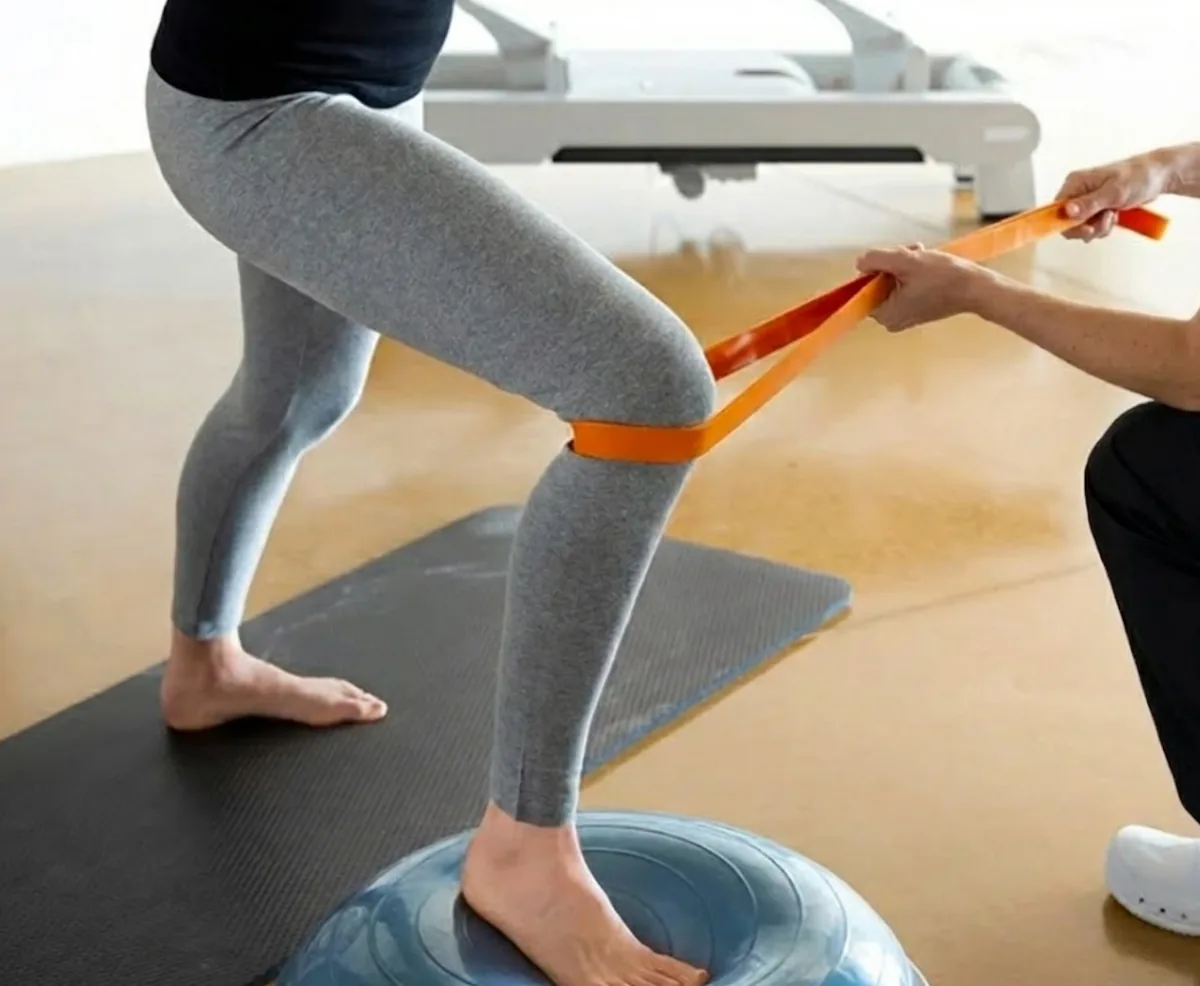
Yes, and it is the single best-supported thing you can do. Strengthening the muscles around the hip, the glutes and the deep stabilisers, takes load off the joint and helps it move with more control and less pain. Range-of-motion and gentle stretching work keeps the hip from getting stiffer. Low-impact aerobic movement like walking, cycling or swimming keeps the joint nourished and your whole body healthier. The goal is to move smarter, not to push through sharp pain.
What is the GLA:D program?
GLA:D, short for Good Life with osteoArthritis in Denmark, is a structured, evidence-based program built specifically for hip and knee osteoarthritis. It pairs education sessions with supervised neuromuscular exercise, typically twice a week over about six weeks, to build strength, stability and confident movement. It exists because guidelines kept recommending exercise and education, and GLA:D turns that recommendation into a clear, coached plan. Many participants report less pain, better function and a reduced wish for surgery.
Does losing weight reduce hip osteoarthritis pain?
If you are carrying extra weight, even a modest loss can take meaningful load off the hip with every step. Weight management is named in the guidelines alongside exercise for good reason. It is not about chasing a number on a scale. It is about reducing the daily mechanical stress on a joint that is already sensitive, which often translates into less pain and easier movement.
What about manual therapy and hands-on treatment?
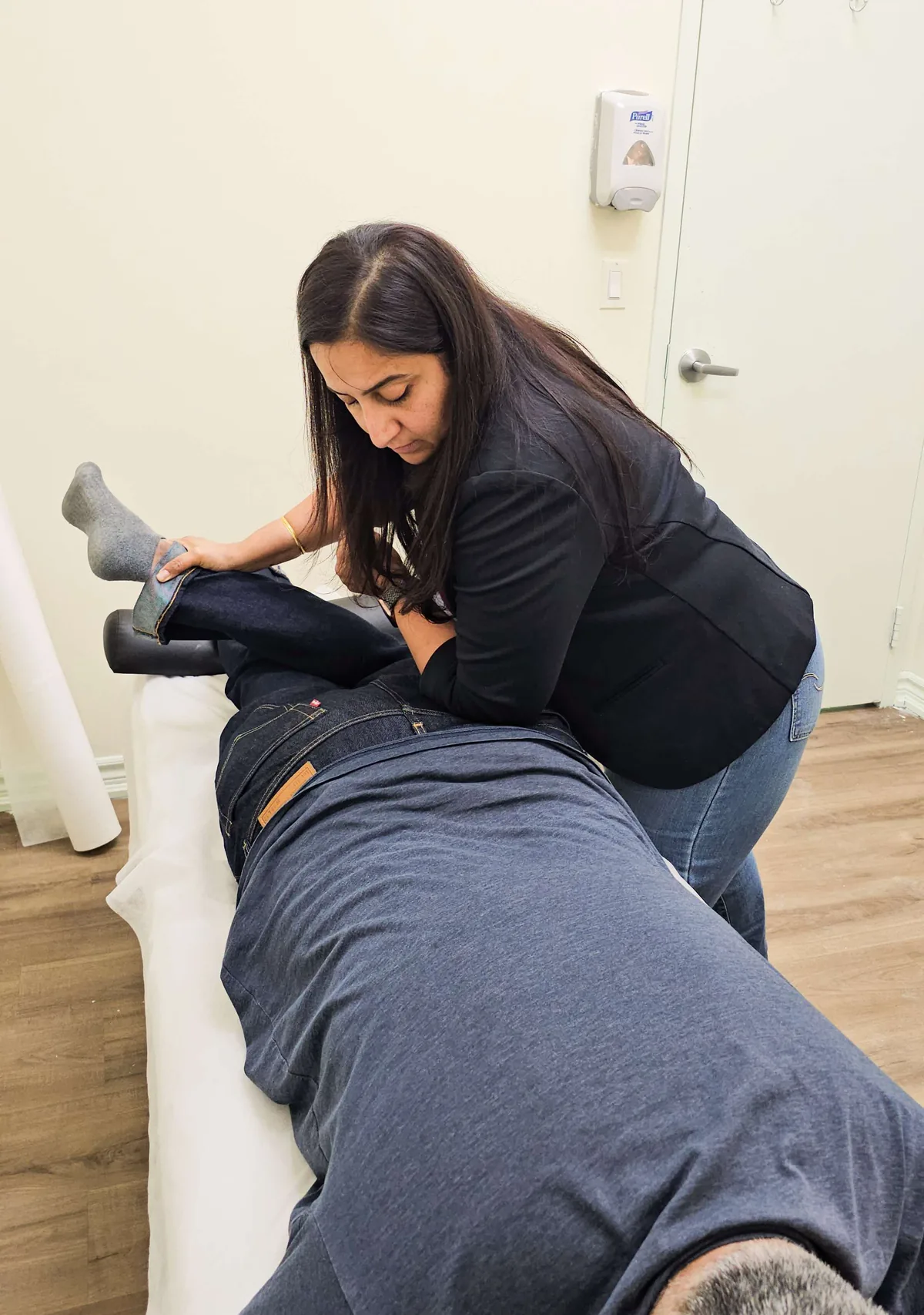
Hands-on care has a real place. Skilled manual therapy can ease stiffness, improve how the hip moves and calm protective muscle tension around the joint, which makes the exercise side far more comfortable to do. At Wellmax we combine hands-on manual therapy with a root-cause look at how you move, because loosening a stiff hip is only half the job. The other half is rebuilding the strength and control that keep it feeling better.
Do walking aids, hydrotherapy and other supports help?
They can, especially through flare-ups. Using a cane in the opposite hand offloads the painful hip and can make walking noticeably easier. Hydrotherapy, gentle exercise in warm water, lets you move and strengthen with the joint supported and far less impact, which many people with stiff hips find a relief. Simple changes like a higher chair, supportive footwear and pacing your day also reduce flare-ups. Pain relief options are best discussed with your doctor or pharmacist.
Does hip osteoarthritis always get worse?
This is the fear behind most of the worry, so let us be clear: no, it does not always progress. Hip osteoarthritis can get worse over time, but it can also stay the same, and some people improve. The course is genuinely variable from one person to the next, and an x-ray that looks “bad” does not always match how a hip feels or functions.
That variability is good news, because it means your choices matter. Staying active, keeping the surrounding muscles strong and managing your weight all tip the odds in your favour. People who respond well to first-line care have been shown to need joint replacement less often. Doing nothing and waiting is rarely the best plan.
Not sure where to start?
Book a free consultation and we will point you to the right care, with no pressure.
When is a hip replacement actually considered?
A total hip replacement can be life-changing for the right person at the right time. It is generally considered when hip pain is severe enough to disturb your sleep, when walking and basic daily tasks are very restricted, and when good conservative care, exercise, hands-on treatment, weight management and appropriate pain relief, has been given a fair trial and is no longer keeping you comfortable.
The decision is personal, not just about an image. Your surgeon weighs your pain, function, overall health, age and activity level together. There is no single “you must operate now” line on a scan. If your hip still lets you live the life you want, surgery can usually wait. When it stops doing that despite your best efforts, that is the honest signal to have the conversation.
Does getting fitter before surgery help recovery?
If a replacement is on the horizon, the weeks beforehand are not wasted time. Prehabilitation, building strength and movement before the operation, has been shown to improve pain, daily function and walking ahead of surgery, and stronger people often tolerate the early recovery better. The simple idea is “better before, better after.” Going into surgery as strong and mobile as possible gives you the best running start.
Who guides recovery after a hip replacement?
Recovery does not end when you leave the hospital. Structured rehab restores your strength, walking pattern and confidence in the months that follow, so you get back to the activities you care about rather than just healing the incision. Wellmax provides both pre-surgical and post-surgical rehabilitation, so whether your goal is to delay surgery, prepare for it, or recover well afterward, the care joins up.
How we approach hip osteoarthritis at Wellmax
Every patient at Wellmax Physiotherapy starts with a thorough 60-minute assessment. That hour lets us understand your hip, how you move, what you are trying to get back to, and what is actually driving your pain, rather than handing you a generic sheet of exercises. From there we build a plan that blends hands-on manual therapy with targeted strengthening, all aimed at the root cause.
Our clinic director, Gurmeet Rai, is a Registered Physiotherapist with more than 16 years of experience, and the team shares one philosophy: care should aim at graduation, not endless visits. The goal is to get you confident and self-managing, with the tools to keep your hip feeling good. We serve Oakville and Mississauga, and we never bash other approaches. We simply focus on what helps you move and live better.
Frequently Asked Questions
Can hip osteoarthritis be treated without surgery?+
Yes, and for most people non-surgical care is the recommended starting point. Every major treatment guideline names exercise, education and weight management as the first-line approach for hip osteoarthritis. Strengthening, hands-on manual therapy, low-impact activity and managing your weight often ease pain meaningfully. Surgery is generally reserved for when this conservative care has been given a fair trial and is no longer enough.
What are the best exercises for hip arthritis pain?+
The most helpful exercises strengthen the muscles around the hip, especially the glutes and deep stabilisers, to take load off the joint, alongside gentle range-of-motion work and low-impact aerobic movement like walking, cycling or swimming. Structured programs such as GLA:D combine these in a coached six-week format. The right mix depends on your hip, so a tailored assessment beats a generic handout. Aim to move regularly without pushing into sharp pain.
Does hip osteoarthritis always get worse over time?+
No. Hip osteoarthritis can progress, but it can also stay the same or even improve, and the course varies a lot from person to person. An x-ray that looks worn does not always match how the hip feels or works. Staying active, keeping the surrounding muscles strong and managing your weight all improve your odds, and people who respond well to first-line care tend to need joint replacement less often.
When should I consider a hip replacement?+
A hip replacement is usually considered when pain is severe enough to disturb your sleep, when walking and daily tasks become very restricted, and when conservative care like exercise, manual therapy, weight management and appropriate pain relief is no longer keeping you comfortable. The decision weighs your pain, function, health, age and activity level together, not just a scan. If your hip still supports the life you want, surgery can often wait.
What is the GLA:D program for hip osteoarthritis?+
GLA:D stands for Good Life with osteoArthritis in Denmark. It is an evidence-based program designed for hip and knee osteoarthritis that combines education sessions with supervised neuromuscular exercise, typically twice a week over about six weeks. It puts the guideline recommendation for exercise and education into a clear, coached plan. Many participants report less pain, better function and a reduced desire for surgery.
Does physiotherapy before surgery improve hip replacement recovery?+
Prehabilitation, building strength and mobility in the weeks before surgery, has been shown to improve pain, daily function and walking ahead of a hip replacement, and stronger patients often handle the early recovery better. The principle is “better before, better after.” It does not replace the operation, but it gives you a stronger starting point. Wellmax offers both pre-surgical and post-surgical rehabilitation to support the whole journey.
Where is hip osteoarthritis pain usually felt?+
The classic location is the groin or the front of the hip, and it can refer down the thigh toward the knee. Some people feel it more on the outside of the hip or deep in the buttock. Typical signs include morning stiffness that eases with movement, discomfort after sitting, and trouble turning the hip or putting on socks and shoes. Because hip, back and buttock pain overlap, an in-person assessment is the clearest way to know what is going on.
Can I book a hip assessment in Oakville?+
Yes. Wellmax Physiotherapy serves Oakville and Mississauga, and every patient starts with a thorough 60-minute assessment to understand your hip and what is driving your pain. From there we build a plan that blends hands-on manual therapy with targeted strengthening, aimed at the root cause and at getting you self-managing. You are welcome to book a free consultation first if you would like to talk it through before committing to anything.
You Might Also Like


Gurmeet Rai, Registered Physiotherapist
Gurmeet is a Registered Physiotherapist with the College of Physiotherapists of Ontario and the Clinic Director and co-owner of Wellmax Physiotherapy in Oakville, with 16+ years of clinical experience. She focuses on complex, stubborn cases where earlier treatment has not worked, with advanced training in pelvic health, TMJ, vestibular, and sports and MSK rehab. Expect expert care from assessment to discharge, with honest guidance along the way. Read Gurmeet’s full profile or meet the team.
This article is for educational purposes only and does not replace a professional clinical assessment. Every body and condition is different. If you are experiencing pain or symptoms, book an assessment with a qualified clinician for advice specific to your situation. If you are experiencing a medical emergency, call 911 or visit your nearest emergency department.
