Arch Pain & Flat Feet Physiotherapy
Relief for arch pain, flat feet and tired, aching arches in Oakville
Home > Conditions We Treat > Arch Pain & Flat Feet Physiotherapy
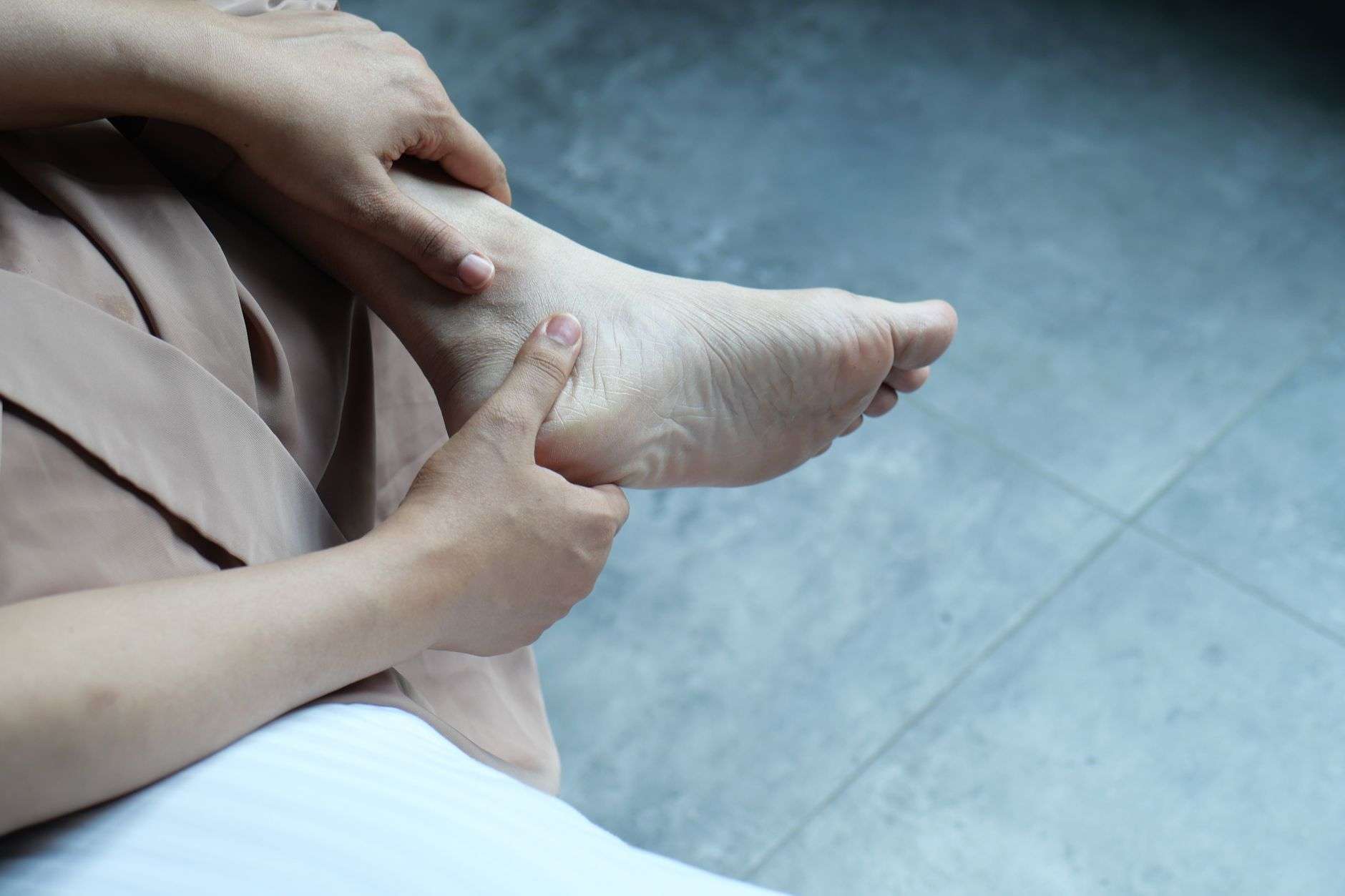
If you are searching for arch pain treatment in Oakville, you are likely dealing with one of the most common and most ignored foot complaints there is: a deep ache, burning, or tired, heavy feeling along the inside of the foot that gets worse the longer you stand, walk, or run. Arch pain and flat feet respond very well to physiotherapy, and our team treats them every week as part of our broader ankle and foot physiotherapy program.
The arch is not a single structure. It is a spring built from bones, ligaments, a thick band of tissue called the plantar fascia, and small muscles inside the foot, all supported by the calf and the tendons that run down the inner ankle. When training, footwear, body weight, or standing hours change faster than that spring can adapt, it starts to complain. The good news: most arch pain settles with the right plan, and you do not have to figure out the cause on your own.
- What Does Arch Pain Feel Like?
- What Causes Arch Pain?
- Are Flat Feet Actually a Problem?
- How Does Physiotherapy Treat Arch Pain?
- Do Custom Orthotics Help Arch Pain and Flat Feet?
- What Shoes Should You Wear for Arch Pain?
- How Long Does Arch Pain Take to Get Better?
- When Should You Get Arch Pain Assessed?
- Why Choose Wellmax for Arch Pain Treatment in Oakville?
- Book Your Arch Pain Assessment in Oakville
- Frequently Asked Questions
What Does Arch Pain Feel Like?
Arch pain shows up differently for different people, and the pattern matters. Common descriptions we hear at the clinic include:
- A dull ache or burning along the inside of the foot after standing all day
- Arches that feel tired, strained, or like they are “giving out” during long walks
- Sharp or pulling pain in the arch during or after running
- Cramping in the sole of the foot at night or after activity
- Soreness along the inner ankle that spreads down into the arch
- Stiffness and tenderness first thing in the morning that eases as you move
Where the pain sits, when it appears, and what makes it worse all point toward different structures. That is exactly what a physiotherapy assessment is designed to sort out, so treatment targets the actual problem rather than a guess.
What Causes Arch Pain?
Most arch pain is an overload problem: the demand on the foot outgrew its current capacity. The usual drivers include:
- Training spikes. A sudden jump in walking, running, hiking, or sport, a new job on your feet, or a return to activity after time off. The arch adapts to load, but it needs time. This is one of the most common patterns we see alongside running injuries.
- Flat feet and overpronation. When the arch sits low or rolls inward heavily with each step, the muscles and tendons that support it work harder for longer, and they can become irritated.
- Tight calves. Limited ankle flexibility forces the midfoot to compensate on every step, loading the arch more than it should.
- Unsupportive footwear. Worn-out runners, flat dress shoes, flimsy sandals, or long stretches barefoot on hard floors remove the support the arch was relying on.
- Standing all day. Retail, healthcare, warehouse, trades, and teaching jobs keep the arch under constant low-grade load with little recovery.
- Weight changes. Extra body weight, including during pregnancy, increases the load through the arch on every single step.
Two related patterns deserve a special mention because they are frequently confused with general arch strain. Pain focused under the heel that is worst with the first steps in the morning often follows a plantar fasciitis pattern. Pain and swelling along the inner ankle that spreads into the arch, sometimes with a gradual flattening of that foot, can involve the posterior tibial tendon, the main tendon that holds the arch up. These are related but distinct problems, they are managed differently, and telling them apart is not something you can reliably do from a search result. A physiotherapist screens for both, along with stress injuries, nerve irritation, and joint problems, before building your plan. If you want to go deeper on the mechanics, read our full guide to arch pain causes.
Are Flat Feet Actually a Problem?
Here is the honest answer: usually not, and sometimes yes.
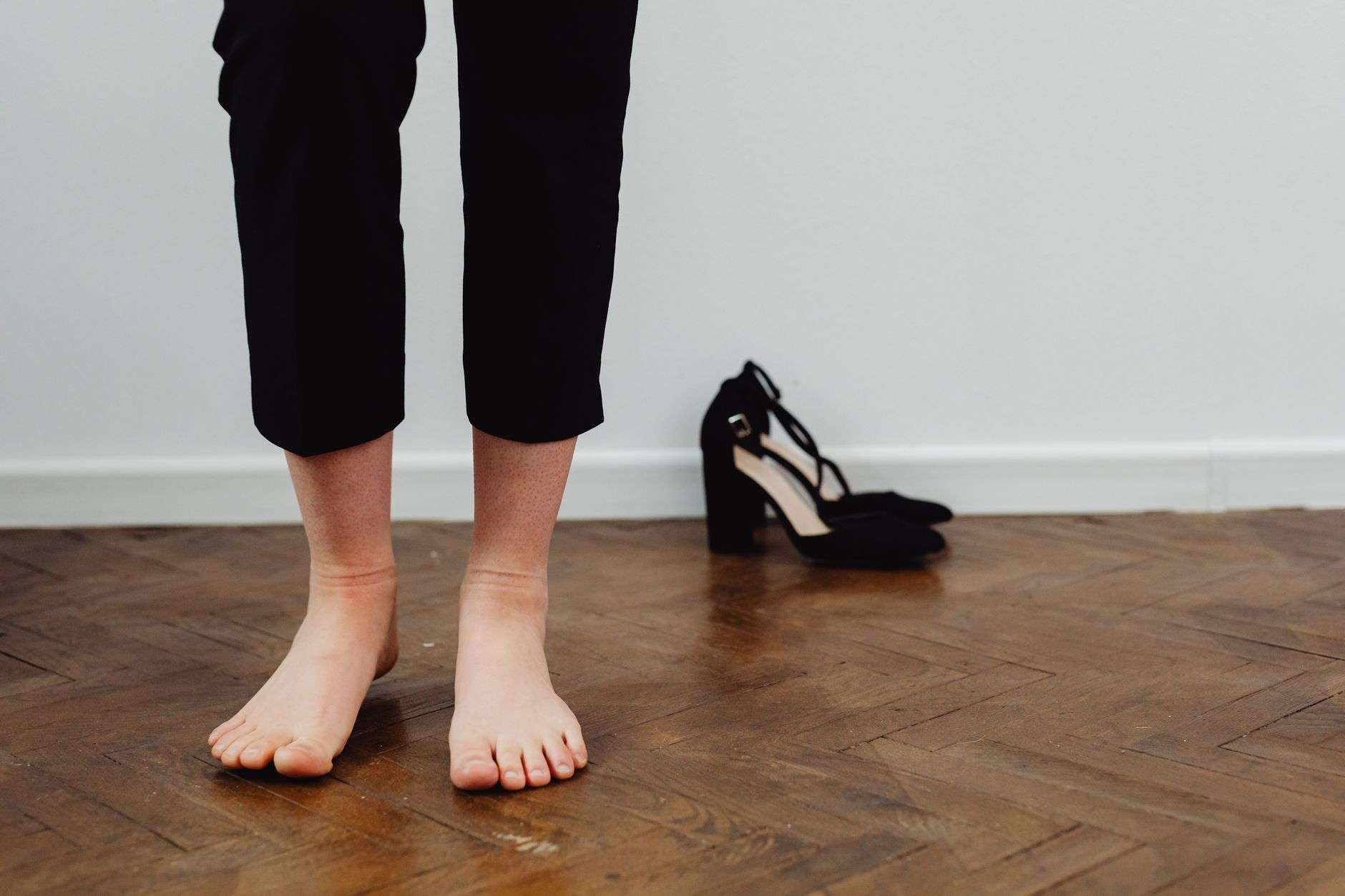
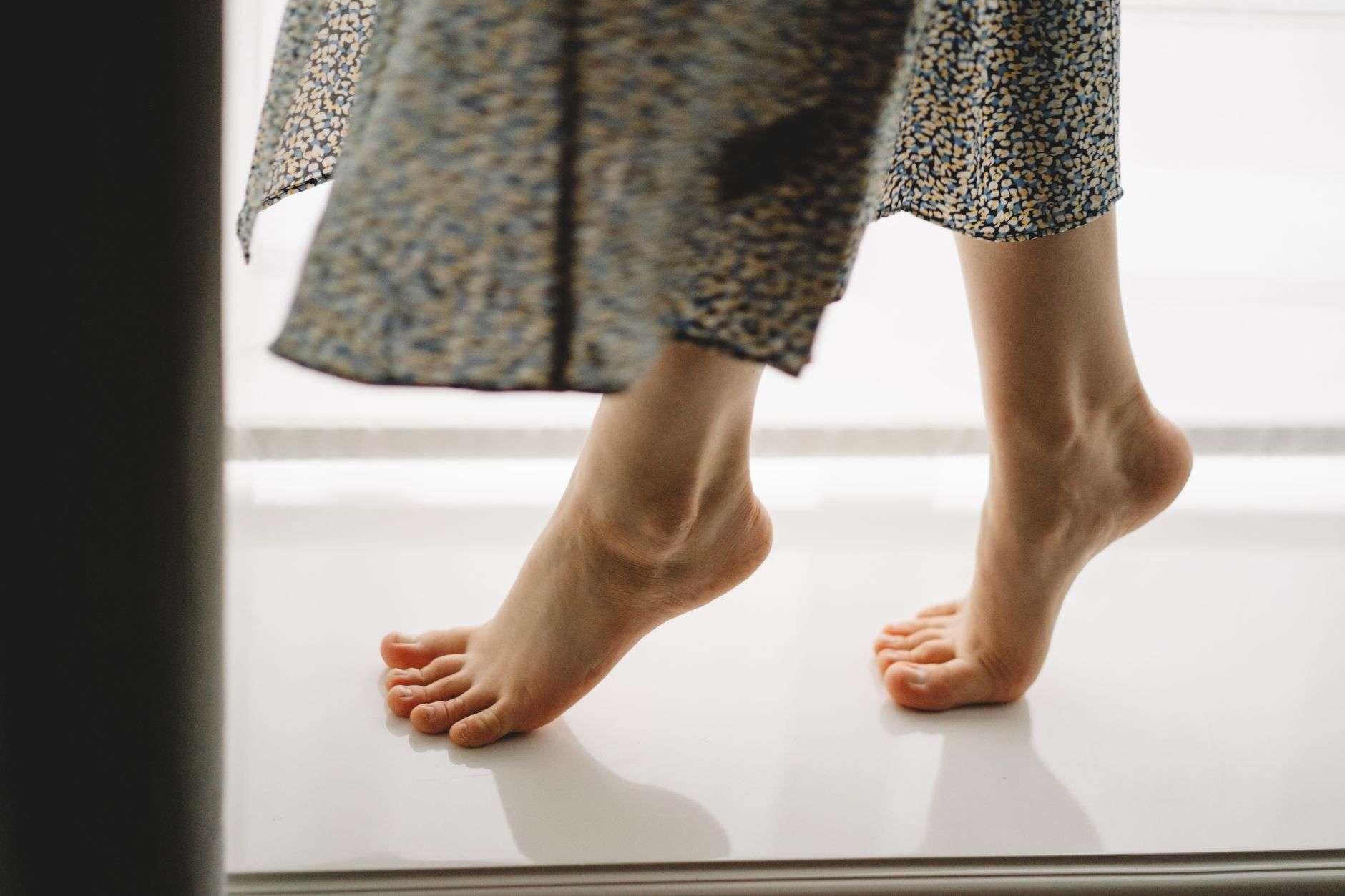
Flexible flat feet, where the arch flattens when you stand but reappears when you rise onto your toes or sit down, are extremely common. Many people with flat feet run, hike, and work on their feet for decades without any pain at all. A low arch by itself is a body type, not a diagnosis, and it does not automatically need correcting.
Flat feet deserve attention when something changes. Book an assessment if you notice:
- Pain in the arch, inner ankle, knee, or lower leg that keeps coming back
- One foot flattening more than the other, especially if it is new
- An arch that seems to be progressively dropping over months or years
- Difficulty rising onto the toes of one foot
- Rapid shoe wear on the inner edge, plus aching that grows through the day
A new, one-sided change in arch height in an adult is the pattern we take most seriously, because the tendon that supports the arch can weaken over time, and early treatment protects it. The takeaway: flat feet that have always been flat and never hurt can be left alone. Flat feet that hurt, change, or differ side to side should be looked at.
How Does Physiotherapy Treat Arch Pain?
Effective arch pain treatment starts with an accurate picture of why your arch is overloaded. At Wellmax, every new patient gets a full 60-minute one-on-one assessment. Your physiotherapist looks at:
- Foot mechanics. Arch height, how your foot moves when you stand, walk, and rise onto your toes, and how it compares side to side.
- Calf strength and flexibility. Single-leg calf raise capacity and ankle range, both major drivers of arch load.
- Hip and leg control. Weak hip muscles let the leg collapse inward, which drags the arch down with it.
- Footwear. What you actually wear at work, at home, and for exercise.
- Training and standing load. What changed in the weeks before the pain started.
From there, your plan typically combines:
- Hands-on manual therapy. Joint mobilization for a stiff midfoot and ankle, plus soft tissue work through the calf and the sole of the foot to reduce pain and restore movement.
- Progressive strengthening. This is where lasting change happens. Intrinsic foot exercises such as short-foot work, towel scrunches, and big-toe drills wake up the small muscles that support the arch, while graded calf raises rebuild the capacity of the calf and the inner-ankle tendons. Loads progress week by week so the arch gets stronger than the demands placed on it.
- Gait and running advice. Small changes to step rate, stride, or walking habits can meaningfully cut arch load, especially for runners.
- Taping. Supportive taping can offload an irritated arch quickly, which is useful for people who cannot take time off their feet.
- Shockwave therapy. For stubborn heel-related pain that has lingered for months, shockwave therapy can stimulate healing in tissue that has stalled. Your physiotherapist will tell you honestly whether your pattern is one that tends to respond.
- Custom orthotics. When the arch needs help now, orthotics reduce load while your strength program does the long-term work. More on that below.
Because arch pain often travels with other problems, your therapist also screens the whole chain. Old ankle sprains that never fully rehabilitated, stiff big toes, and weak hips all feed arch overload, and treating them is often the difference between temporary relief and a real fix.
Do Custom Orthotics Help Arch Pain and Flat Feet?
They can, when they are used for the right reason. A custom orthotic supports the arch, spreads pressure more evenly across the sole, and reduces the workload on irritated tendons and tissue. For painful flat feet, tired arches from long standing shifts, and inner-ankle overload, that offloading often brings relief within weeks.
Here is our honest framing: orthotics reduce pain and buy your foot breathing room, but they do not strengthen anything on their own. The lasting result comes from the strengthening program that runs alongside them. Think of orthotics as the brace and exercise as the cure. Some people wear them long term because their feet, jobs, or arch structure genuinely benefit; many others taper down as their strength improves. Your physiotherapist will tell you which camp you are likely in, not just sell you an insole.
Wellmax dispenses custom orthotics on site in Oakville, so your assessment, casting, fitting, and follow-up all happen under one roof. Most extended health plans cover custom orthotics with a prescription, and our front desk can help you confirm your coverage before you commit.
What Shoes Should You Wear for Arch Pain?
Footwear will not fix arch pain by itself, but the wrong shoes will keep feeding it. Practical guidance we give patients:
- Match support to your day. If you stand for eight hours, wear a structured, cushioned shoe with a firm heel counter, not a fashion flat or a minimal sneaker.
- Check the twist. A shoe that wrings out like a towel offers little midfoot support. It should bend at the ball of the foot, not fold in the middle.
- Replace worn runners. Most running shoes are done somewhere around 500 to 800 kilometres. Compressed midsoles quietly shift load into your arch.
- A small heel drop helps tight calves. A modest heel-to-toe drop takes strain off the calf and arch while you work on flexibility.
- Go gradual with barefoot time. Barefoot walking on soft ground can help strengthen feet that are ready for it, but hours barefoot on hardwood or tile with an already irritated arch usually makes things worse. During a flare, wear supportive footwear or a supportive sandal indoors.
- Fit beats brand. The best shoe is the one that matches your foot shape, your arch, and your activity. Bring your shoes to your assessment and we will tell you what is working against you.
How Long Does Arch Pain Take to Get Better?
Most arch pain improves steadily with conservative care over several weeks to a few months. Recent, mild arch strain often settles in four to six weeks once load, footwear, and strength are addressed. Pain that has been building for many months, or pain involving an irritated tendon, usually needs a longer runway, often two to four months of progressive strengthening before the arch feels reliable again.
Expect progress to come in stages rather than all at once. Morning soreness and pain after long days usually ease first. The ability to stand a full shift or finish a long walk comfortably comes next. Return to running and impact sport is the last milestone, and your physiotherapist will stage it deliberately so the arch is loaded a little more each week instead of being tested all at once on race day.
The single biggest predictor of a good outcome is consistency. Feet respond to weeks of steady, progressive loading, not to one great week followed by three weeks off. Quick fixes that only mask pain tend to hand the problem back to you later. A structured plan, checked and progressed by your physiotherapist, beats both.
When Should You Get Arch Pain Assessed?
Book an assessment if your arch pain has lasted more than a week or two, keeps returning when you increase activity, is changing how you walk, or is starting to limit your work, sport, or daily steps. Earlier care is simpler care, and it usually means fewer visits.
A few patterns need medical attention rather than waiting:
- Numbness, tingling, or weakness in the foot
- Pain that wakes you at night or is constant regardless of activity
- A sudden collapse of the arch after an injury, or an inability to bear weight
- Significant swelling, redness, or heat in the foot
- Cuts or wounds on the foot that will not heal, especially if you have diabetes
If any of these apply, see your physician or seek urgent care first. For everything else, you can come straight to physiotherapy. No referral is needed in Ontario.
Why Choose Wellmax for Arch Pain Treatment in Oakville?
Plenty of clinics will hand you a sheet of stretches. We built Wellmax to work differently:
- One-on-one 60-minute assessments. Real time to examine your feet, calves, hips, footwear, and training, not a ten-minute look and a template program.
- Expert care from assessment to discharge. Your plan is reassessed and progressed at every visit, with honest guidance on where you stand.
- Hands-on, root-cause care. Manual therapy for relief now, strengthening for a foot that stops flaring up later.
- Everything under one roof. Physiotherapy, shockwave therapy, and custom orthotic assessment and casting with our chiropractor all happen at Wellmax, so nothing about your plan gets lost between providers.
- Experienced leadership. Care is led by Gurmeet Rai, a registered physiotherapist with 16+ years of experience and our clinic director.
- Built around real schedules. Evening and weekend-morning appointments, free parking at the door, and direct billing to most major insurers.
We proudly serve Oakville and Mississauga, minutes from the QEW at Winston Churchill Blvd, which makes us an easy stop on the way home from work in either direction.
Book Your Arch Pain Assessment in Oakville
You do not have to keep rationing your steps or dreading long days on your feet. Book a free consultation to talk through your arch pain with a physiotherapist, or go straight to a full 60-minute assessment. Call (905) 829-1100 or book online. No referral is needed in Ontario, and we direct bill most major insurance plans, so most patients pay little or nothing out of pocket at the visit.
What Our Patients Say
Michael R.“If you are dealing with sports injuries, this is easily the best physiotherapy clinic in Oakville. I was struggling with Achilles tendinopathy from running, and the pain in my heel was getting worse every week. Dhrushi was my physiotherapist and she was absolutely fantastic. She did not just look at my ankle but assessed my entire walking and running mechanics. She explained exactly why the tendon was inflamed and built a personalized treatment plan with manual therapy and specific eccentric exercises for me to do at home. The clinic always runs on time and the entire team is so friendly. I am finally back to running pain-free and I will not hesitate to return if I ever need care again.”
Zakaria S.“I came in with a locked and sore ankle and Gurmeet was able to identify the root cause very quickly. The soft tissue release, electrical therapy, manual manipulation and assigned stretches have all been beneficial for my situation. They’ve got a customer for life. Gurmeet and her team are friendly and knowledgeable.”
Hazel V.“I was suffering from plantar fasciitis. I went to other physio, shockwave nothing helped. Until I found Wellmax Physiotherapy. This is a great place!”
Christopher N.“Gurmeet and her team are awesome 🙂 They really helped me to recover from my ankle sprain. Thanks team Wellmax. Highly Recommended!”
Tia D.“My experience with Gurmeet and her team was truly wonderful. I arrived with a painful ankle sprain and a lot of uncertainty about how well I would heal. After just a few sessions with her, I already felt more hopeful and confident again. I was able to walk more comfortably, the swelling went down significantly, and they helped me manage the pain so much better. Gurmeet and her team are incredibly caring, supportive, and knowledgeable. They made sure I felt looked after not only during my visits but also gave me everything I needed to continue healing well at home. I trusted them completely, and I still feel so grateful that I did. I would wholeheartedly recommend them to anyone.”
Ghanshyam S.“I had an excellent experience at Wellmax Physiotherapy for my ankle pain. Gurmeet, the physiotherapist, was very knowledgeable and took the time to understand my condition and create an effective treatment plan. She recommended shockwave therapy, which helped reduce my pain and improve my mobility significantly. Janvi and Manahil the Physiotherapy Assistant were also very friendly, professional, and supportive throughout my treatment sessions. The entire team made me feel comfortable and welcomed every time I visited. The clinic is clean, well-organized, and provides outstanding patient care. I highly recommend Wellmax Physiotherapy to anyone looking for effective treatment for physio and massage.”
Kevin O.“Look no further if you want the best physiotherapy clinic in Oakville. I was dealing with plantar fasciitis that made taking my first steps out of bed every morning absolutely agonizing. I had tried custom insoles and resting, but nothing worked permanently. Dhrushi assessed my foot mechanics and put together a great plan using shockwave therapy. I also saw Cynthia for deep tissue massage on my tight calf muscles. The combination of their treatments worked wonders. I am finally walking normally again. They are honest, professional, and do not pressure you into endless treatment packages.”
Pamela V.“10/10!! I came to this physio after spraining my ankle with a grade 3 ankle sprain in late August 2025. I was on crutches, couldn’t walk and could barely move my ligaments in my foot to do an ankle circle. I came to this clinic and was so impressed with the new team and new physiotherapist, Gurmeet. She does her work exceptionally well. She explains things so easily and told me she wants patients to understand what’s going on so it can help them. …”
See all our Google reviewsRead more patient storiesLeave a review
Frequently Asked Questions
What causes arch pain?+–
Arch pain is usually an overload problem: the demand on the foot outgrew its capacity. Common drivers include sudden increases in walking or running, flat feet and overpronation, tight calves, unsupportive or worn-out footwear, jobs that involve standing all day, and weight changes. Heel-focused patterns like plantar fasciitis and inner-ankle tendon problems can also produce arch pain, which is why an assessment matters before treatment.
Why does my arch hurt when I walk?+–
Walking loads the arch on every step, so an irritated arch tends to ache more the longer you are on your feet. Frequent contributors include low or flattening arches, tight calves that force the midfoot to compensate, worn-out shoes, and a recent jump in activity. A physiotherapy assessment identifies which structures are overloaded and why, so treatment targets the actual cause rather than a guess.
How do I get rid of arch pain?+–
Most arch pain settles with conservative care: temporarily adjusting activity, wearing supportive footwear, calf stretching, and a progressive strengthening program for the foot and calf. Hands-on physiotherapy, taping, custom orthotics, and shockwave therapy for stubborn heel-related pain can all help. The lasting fix is building an arch that is stronger than your daily demands, which is what a structured physiotherapy plan is designed to do.
Are flat feet bad?+–
Not usually. Flexible flat feet are very common and often completely painless, and a low arch by itself does not need correcting. Flat feet deserve assessment when they hurt, when one foot flattens more than the other, when the arch is progressively dropping, or when you cannot rise onto the toes of one foot. New, one-sided flattening in an adult is the pattern worth taking most seriously.
Do orthotics fix flat feet?+–
Orthotics support the arch, spread pressure more evenly, and reduce load on irritated tissue, which often relieves pain within weeks. They do not permanently reshape the arch or strengthen the foot on their own. The best results come from pairing orthotics with a progressive strengthening program: the orthotic offloads while exercise builds lasting capacity. Our chiropractor assesses and casts custom orthotics at Wellmax, and most extended plans cover them with a prescription.
Can flat feet be corrected in adults?+–
An adult’s arch structure will not dramatically reshape itself, but that is rarely the goal. Strengthening the foot’s intrinsic muscles, the calf, and the hips improves how the arch functions and usually resolves the pain, which matters far more than arch height. If a flattening arch involves a weakening inner-ankle tendon, early physiotherapy helps protect it. Painless flat feet that have always been flat generally need no correction at all.
Is walking barefoot good or bad for arch pain?+–
It depends on timing and surface. Gradual barefoot time on soft, forgiving ground can help strengthen feet that are ready for it. Hours of barefoot walking on hardwood or tile with an already irritated arch usually makes symptoms worse. During a flare, wear supportive shoes or sandals indoors, then reintroduce barefoot time gradually as your strength improves. A physiotherapist can tell you which stage you are in.
What shoes help arch pain?+–
Look for a shoe that matches your day: structured and cushioned with a firm heel counter if you stand for long shifts, and a supportive runner with a modest heel-to-toe drop if your calves are tight. The shoe should bend at the ball of the foot, not fold in the middle. Replace running shoes around 500 to 800 kilometres, because compressed midsoles quietly shift load into the arch.
Is arch pain the same as plantar fasciitis?+–
No, though they overlap. Plantar fasciitis classically causes pain focused under the heel that is worst with the first steps in the morning. General arch strain aches through the midfoot with standing and activity, and inner-ankle patterns can involve the posterior tibial tendon that supports the arch. These related problems are managed differently, which is why a physiotherapist screens for each before building your treatment plan.
How long does arch pain take to heal?+–
Most arch pain improves with conservative care over several weeks to a few months. Recent, mild strain often settles in four to six weeks once load, footwear, and strength are addressed. Longstanding pain or an irritated tendon usually needs two to four months of progressive strengthening. Consistency is the biggest predictor of success: steady weekly loading beats quick fixes that only mask symptoms.
Do I need a referral to see a physiotherapist for arch pain?+–
No. Ontario allows direct access to physiotherapy, so you can book an assessment at Wellmax without seeing a physician first. Some extended health plans still ask for a physician’s referral before they reimburse, so it is worth checking your policy. Our front desk can help you confirm what your plan requires when you book.
Is arch pain treatment covered by insurance?+–
Most extended health plans cover physiotherapy, and many also cover custom orthotics with a prescription. Wellmax direct bills most major insurers, so the claim is usually submitted for you at the clinic and most patients pay little or nothing out of pocket at the visit. Call (905) 829-1100 and we will help you confirm your coverage before your first appointment.
Registered & Regulated
Regulated & Recognized Across Every Discipline
Wellmax is in good standing with the regulatory colleges and leading associations for physiotherapy, chiropractic, massage therapy, and naturopathic medicine in Ontario.