
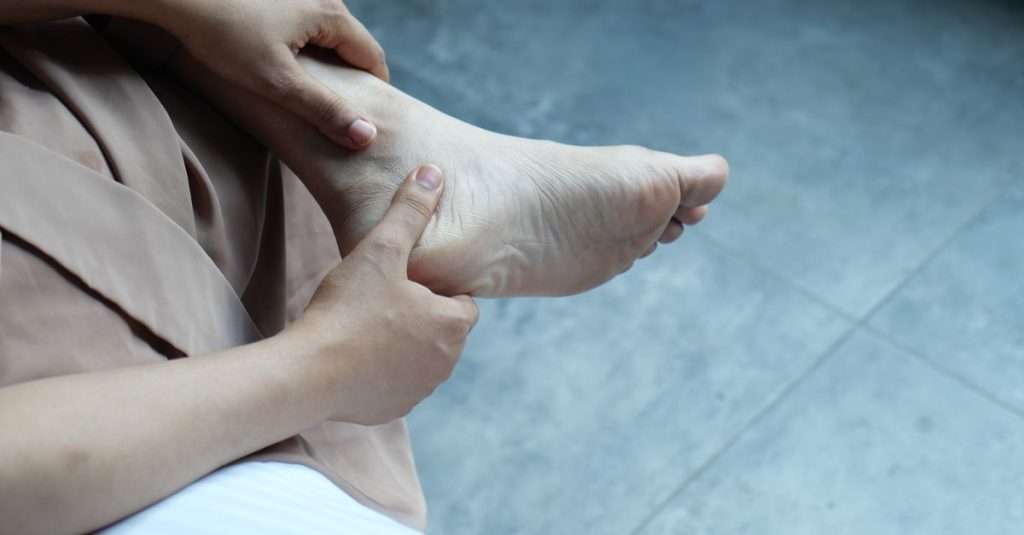
Why Does My Arch Hurt? Causes and What Actually Helps
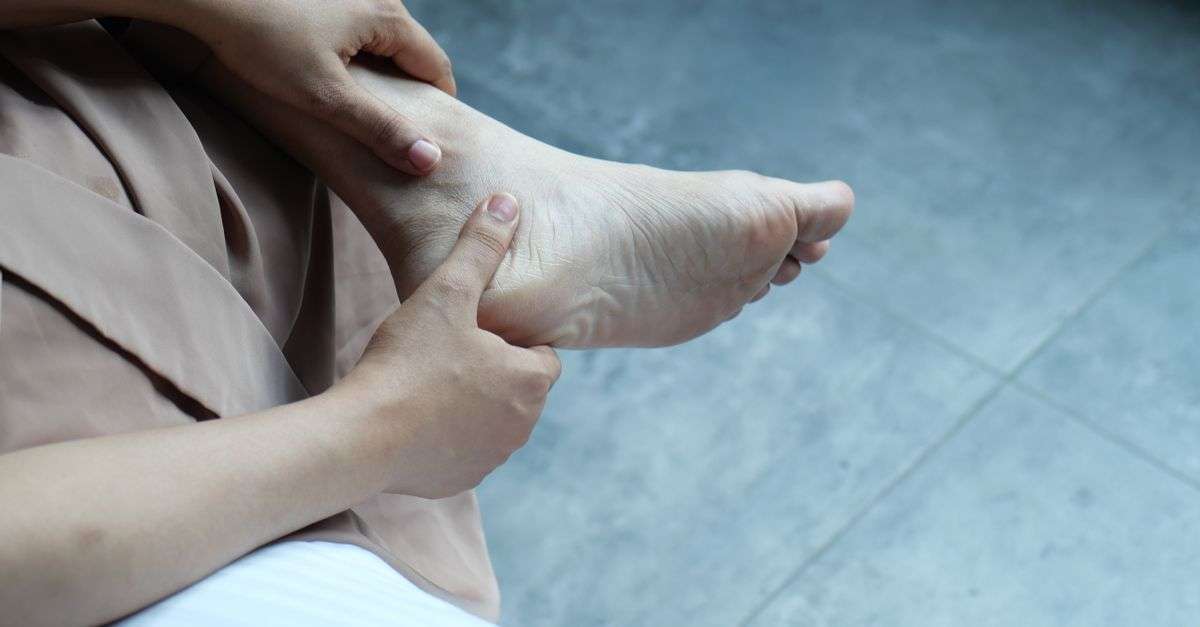
That deep ache or sharp pull along the bottom of your foot can make every step feel like a chore. Whether it shows up with your first steps in the morning, after a long shift on your feet, or partway through a run, arch pain has a way of slowing your whole day down.
Looking for treatment rather than theory? Our arch pain treatment in Oakville page covers exactly how we assess and treat arch pain at the clinic, including custom orthotics and hands-on care.
The good news is that most arch pain responds very well to the right care once you understand what is actually driving it. This guide walks through the common causes, how to find relief at home, and when it is time to get a professional assessment in Oakville.
Key Takeaways
- Most arch pain comes from soft-tissue strain, fallen arches, or tendon overload, not from anything serious.
- Plantar fasciitis is the single most common cause, with pain that is often sharpest in the first steps of the morning.
- Simple steps like supportive shoes, calf and foot stretches, and load management resolve many cases within weeks.
- If pain lasts more than two to three weeks, keeps returning, or limits walking, a hands-on assessment is the fastest route to lasting relief.
What does arch pain actually feel like?
Arch pain shows up in the curved band of muscle and soft tissue that runs from your heel to the ball of your foot. People describe it in a few different ways, and the pattern often hints at the cause.
- A sharp, stabbing pain under the arch or near the heel, worst with your first steps after rest.
- A dull, tired ache that builds through the day, especially after long periods of standing or walking.
- A pulling or burning sensation along the inside of the foot.
- Stiffness that eases once you get moving, then returns when you stop.
None of these mean you should panic. They are signals that the tissues supporting your arch are working harder than they can comfortably handle. The job is to figure out why, then unload and rebuild them.
What causes pain in the arch of the foot?
Arch pain is a symptom, not a single diagnosis. Several different issues can produce it, and sometimes more than one is in play at once. Here are the most common drivers.
Plantar fasciitis
This is the most common cause of arch and heel pain. The thick band of tissue along the bottom of your foot becomes irritated and inflamed from repeated tension, often producing a sharp pain that is worst with the first few steps in the morning or after sitting. Long days on hard floors, a sudden jump in activity, and unsupportive footwear all feed into it. We treat this specific pattern often, and you can read more on our plantar fasciitis physiotherapy page.
Fallen arches and flat feet
Flat feet, also called fallen arches, describe a foot whose arch sits lower than usual so more of the sole contacts the ground. This is a structural pattern rather than an injury, but it can increase the strain on the muscles and ligaments that support the foot, which sometimes leads to arch pain, fatigue, and aching after activity. Many people have flat feet for life with no pain at all, so the goal is not to force a perfect arch but to manage load and support the foot well.
Posterior tibial tendon overload
The posterior tibial tendon runs from your inner calf, behind the ankle bone, and into the arch, where it helps hold the arch up. When it is overloaded or irritated, the arch loses some of its support, and you may notice pain and swelling along the inner ankle and arch, sometimes with the arch slowly flattening over time. This one responds best to early attention, so it is worth getting checked rather than waiting it out.
Overuse and sudden changes in activity
Ramping up running mileage, starting a new sport, changing shoes, or spending far more time on your feet than usual can all overload the arch faster than it can adapt. This is one of the most common and most fixable causes, especially for active people. Our sports physiotherapy team sees this pattern in runners and weekend athletes regularly.
Other contributors
- Tight calves and Achilles: limited ankle motion shifts extra load onto the arch.
- Worn or flat footwear: shoes with no support let the arch work harder than it should.
- Extra body weight: more load through the foot means more strain on the arch.
- Ankle and foot injuries: a past sprain or altered walking pattern can throw off how force travels through the foot. Our ankle and foot pain physiotherapy page covers this in more detail.
How can I get relief from arch pain at home?
If your pain is recent and mild, a few simple steps often make a real difference within a couple of weeks. These are general suggestions, not a diagnosis, so ease into them and stop anything that sharply increases pain.
- Switch to supportive shoes. Good footwear alone can meaningfully reduce arch pain. Look for a firm heel, decent arch support, and a sole that does not fold in half easily.
- Calm the irritation. Ice the sore area for ten to fifteen minutes after activity, and give the foot relative rest from the activity that flares it.
- Stretch the calf and foot. Gentle calf stretches against a wall and rolling the arch over a ball or frozen water bottle help release tension along the bottom of the foot.
- Strengthen gradually. Toe curls, heel raises, and short-foot exercises rebuild the small muscles that support the arch over time.
- Manage your load. Cut back on the activity that hurts, then build it back up slowly rather than all at once.
“The fastest way out of arch pain is rarely more rest alone. It is finding the one thing overloading the foot, then unloading it while you rebuild strength.”
Not sure where to start?
Book a free consultation and we will point you to the right care, with no pressure.
When should I worry about arch pain?
Most arch pain is not dangerous, but some signs mean it is time to stop self-managing and get a professional assessment. Consider booking in if you notice any of the following.
- Pain that lasts more than two to three weeks despite rest and supportive shoes.
- Pain that keeps coming back every time you return to activity.
- Swelling, bruising, or pain that started after a specific injury.
- Difficulty putting weight on the foot or a noticeable limp.
- An arch that seems to be flattening over time, or pain spreading to the inner ankle.
- Numbness, tingling, or pins and needles in the foot.
Catching these patterns early matters. Tendon and arch problems that are addressed early tend to settle far faster than ones left to grumble on for months.
How is arch pain treated by a physiotherapist?
At Wellmax Physiotherapy in Oakville, treating arch pain starts with finding out why it is happening in the first place, not just chasing the sore spot. Your first visit is a full 60-minute assessment, which gives us time to look at your foot, ankle, calf, walking pattern, footwear, and activity history together.
From there, care is hands-on and built around your specific situation. A typical plan may include:
- Manual therapy to release tight calf and foot tissues and restore ankle motion.
- A progressive exercise program to strengthen the arch, calf, and supporting muscles so the foot can handle your normal load again.
- Footwear and activity guidance so you stop re-irritating the area between sessions.
- Load management to build your walking, standing, or running tolerance back up safely.
What about orthotics and shockwave therapy?
Some feet benefit from extra arch support. Custom orthotics and braces can offload an irritated arch or support a flattening foot while the tissues recover. They work best as one part of a plan rather than a stand-alone fix.
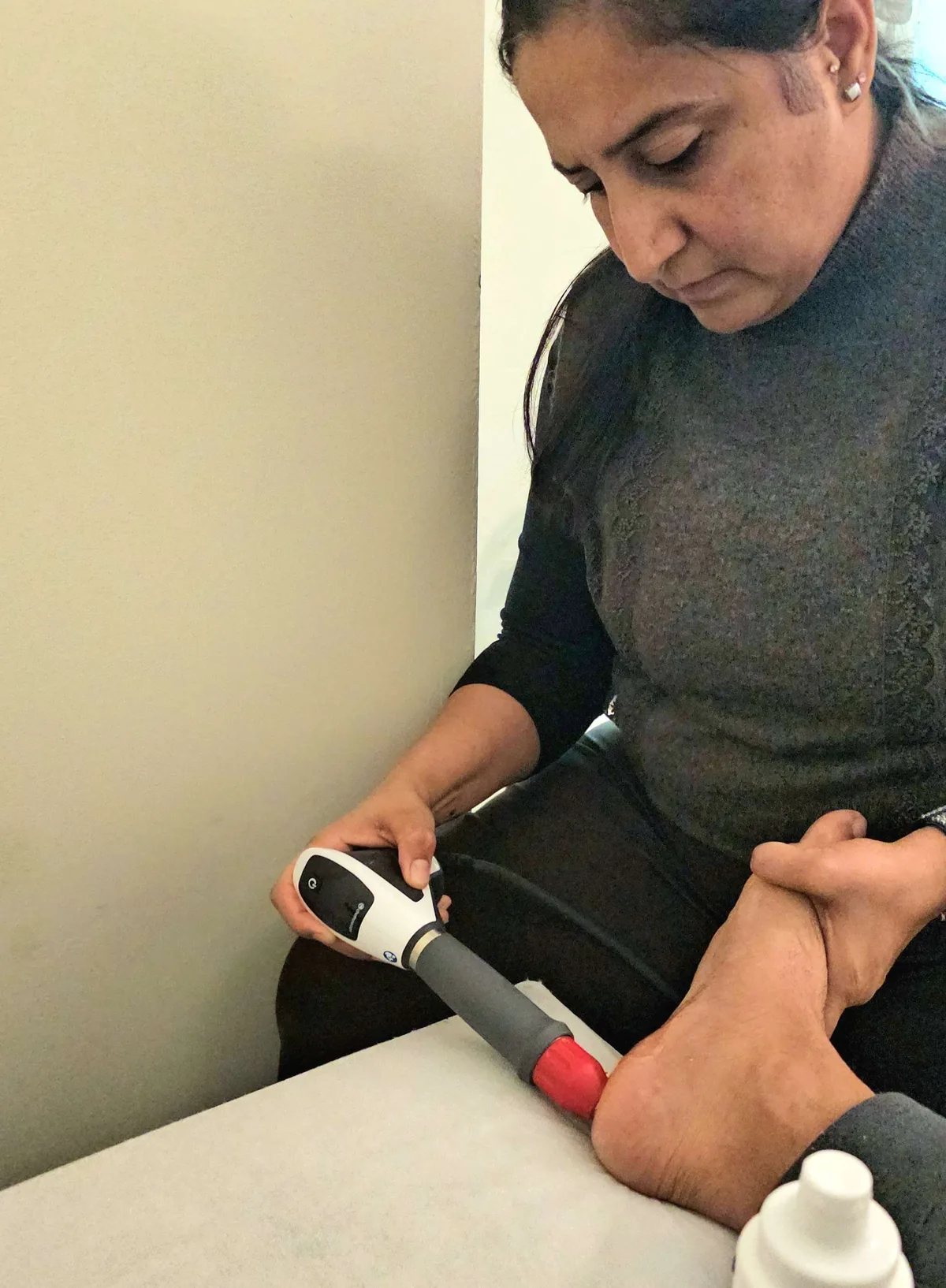
For stubborn cases that have not settled with the usual approach, shockwave therapy can help kick-start healing in long-standing arch and heel pain. We will only suggest it if your assessment points to it being a good fit.
Why Wellmax for arch pain in Oakville
Wellmax Physiotherapy is based in Oakville and serves patients across Oakville and Mississauga. Our lead physiotherapist, Gurmeet Rai, brings over 16 years of experience and a strong focus on hands-on, root-cause care. The aim is always a pain-free graduation from treatment, not an endless string of appointments. We want to get you better and send you back to the activities you enjoy.
Frequently Asked Questions
Is arch pain the same as plantar fasciitis?+
Not always. Plantar fasciitis is the most common cause of arch and heel pain, but it is only one of several. Fallen arches, posterior tibial tendon overload, simple overuse, and tight calves can all produce arch pain too. Because the treatment differs depending on the cause, an assessment is the best way to know what you are actually dealing with rather than guessing.
How long does arch pain take to heal?+
It depends on the cause and how long it has been present. Mild, recent arch pain often eases within two to four weeks with supportive shoes, stretching, and load management. More stubborn or long-standing cases can take several weeks to a few months of consistent, guided care. Starting treatment early almost always shortens recovery, so it is worth getting checked sooner rather than later.
Should I keep walking or running with arch pain?+
Gentle movement is usually fine and often helpful, but pushing through sharp or worsening pain is not. A good rule is to reduce the activity that flares your foot, then build it back up gradually as symptoms settle. If running clearly aggravates your arch, scaling back temporarily and swapping in lower-impact activity gives the tissues a chance to calm down while you stay active.
Do flat feet always cause arch pain?+
No. Many people have flat feet their whole lives without any pain at all. Flat feet only become a problem when they increase strain beyond what your muscles and ligaments can comfortably handle, which can lead to aching or fatigue after activity. The goal is not to force a perfect arch but to support the foot, manage load, and strengthen the muscles that hold the arch up.
Will orthotics fix my arch pain?+
Orthotics can be very helpful, especially for offloading an irritated arch or supporting a flattening foot. That said, they work best as part of a complete plan that also addresses calf tightness, foot strength, footwear, and how you load the foot. Used alone, support inserts may ease symptoms without solving the underlying cause, which is why we pair them with hands-on treatment and exercise.
When should I see a physiotherapist for arch pain?+
Consider booking an assessment if your arch pain lasts more than two to three weeks, keeps returning, limits your walking, started after an injury, or comes with swelling or a flattening arch. Early care tends to resolve foot and tendon problems much faster than waiting. In Ontario you do not need a doctor referral to see a physiotherapist, so you can book directly whenever you are ready.
Do I need a referral to be seen in Oakville?+
No referral is needed. You can book a physiotherapy assessment directly at Wellmax in Oakville, and we offer direct billing to many insurance plans to keep things simple. If you are unsure whether physiotherapy is right for your foot, you can start with a free consultation, where we listen to your story and point you toward the most sensible next step with no pressure.
What happens at my first arch pain appointment?+
Your first visit is a full 60-minute assessment. We talk through your symptoms and history, then examine your foot, ankle, calf, walking pattern, and footwear to find the root cause. From there we explain what is going on in plain language and build a hands-on plan, which may include manual therapy, targeted exercises, and footwear advice. You will usually leave with a clear idea of what to do next.
You Might Also Like

Gurmeet Rai, Registered Physiotherapist
Gurmeet is a Registered Physiotherapist with the College of Physiotherapists of Ontario and the Clinic Director and co-owner of Wellmax Physiotherapy in Oakville, with 16+ years of clinical experience. She focuses on complex, stubborn cases where earlier treatment has not worked, with advanced training in pelvic health, TMJ, vestibular, and sports and MSK rehab. Expect expert care from assessment to discharge, with honest guidance along the way. Read Gurmeet’s full profile or meet the team.
This article is for educational purposes only and does not replace a professional clinical assessment. Every body and condition is different. If you are experiencing pain or symptoms, book an assessment with a qualified clinician for advice specific to your situation. If you are experiencing a medical emergency, call 911 or visit your nearest emergency department.
