
Pelvic Pain After a Hysterectomy: How One Patient Found Relief in Oakville
Pelvic pain that lingers after a hysterectomy is more common than most people realise, and it is one of the least talked about problems we help with at Wellmax Physiotherapy in Oakville. Many women are told it should simply settle on its own, and when it does not, they are left unsure where to turn.
This is a real recovery story from one of our patients, shared here as a case study. Every person is different, so please read it as an example of how we work, not a promise of a specific result. Names and identifying details have been left out.
Key Takeaways
- Ongoing pelvic pain after a hysterectomy is common, often treatable, and rarely something you just have to live with.
- The pelvic floor is frequently the missing link, and it is an area that a general check-up may never actually assess.
- Pelvic health physiotherapy is private, one-on-one and dignified, combining hands-on treatment with a gradual strength progression.
- You do not need a referral in Ontario, and Wellmax serves women across Oakville and Mississauga.
Why can pelvic pain happen after a hysterectomy?
A hysterectomy is major surgery, and the pelvis is a busy, interconnected area of muscles, ligaments and nerves. After surgery, the pelvic floor muscles that support everything down there can end up tight, weak, or simply not coordinating the way they used to, and that can show up as ongoing pain, pressure or a sense that things are not working normally.
None of that means something is seriously wrong. It usually means the pelvic floor needs to be reassessed and retrained, which is exactly what pelvic health physiotherapy is for.
Why is it so often missed?
The pelvic floor is easy to overlook because a standard medical visit does not usually assess how those muscles are actually functioning. Pain gets attributed to general healing, the person is told to wait, and the specific driver goes unexamined.
So the problem is not that pelvic pain after a hysterectomy is untreatable. It is that the right area often never gets properly looked at.
What was this patient’s journey?
This patient had pelvic pain after a hysterectomy and had seen doctors in the United Kingdom without getting relief. On a family member’s recommendation, she travelled to Canada to be assessed at Wellmax, hoping a different approach might finally get to the bottom of it.
By that point she had been living with the problem for a while, with no clear explanation of why it was happening or what could actually change it.
What did we find?
The assessment identified that pelvic floor function was the missing link. Once that was clear, the treatment could target the actual driver rather than the general area, which is the whole point of a thorough, root-cause assessment.
This is the same hands-on, specialised approach our lead physiotherapist Gurmeet Rai has built over more than 16 years of practice, including pelvic health.
“She quickly identified that my pelvic floor function was the missing link.”
What did the treatment plan involve?
Treatment combined targeted manual therapy with a gradual, functional strength progression for the pelvic floor and surrounding muscles. Rather than generic exercises, the plan was built around what the assessment had found and adjusted as things improved.
For this patient, that combination resolved her symptoms, and she went on to work with us on other issues afterwards. As always, this was her result. Timelines and outcomes vary from person to person.
A key part of that progression is rebuilding function, not just raw strength. The pelvic floor works as part of a team with the deep abdominal muscles, the breath and the hips, so a good plan trains them to coordinate again rather than treating the pelvic floor in isolation. It also gradually reintroduces the everyday movements and activities that had become uncomfortable, at a pace the body can handle. That is how relief on the treatment table turns into real confidence in normal daily life, which is ultimately the point of the whole process.
What does pelvic floor physiotherapy actually involve?
Understandably, many people feel unsure about what a pelvic health appointment is like. At Wellmax it is private, one-on-one, and entirely led by your comfort. Your physiotherapist explains everything, nothing happens without your consent, and the goal is simply to understand how those muscles are working so the right plan can be built.
Treatment is a mix of hands-on techniques, education, and a progressive exercise program you can do at home. It is far more specific, and far more effective, than being handed a generic set of Kegels and sent on your way.
Getting pelvic health care in Oakville and Mississauga
We provide pelvic health physiotherapy for women across Oakville and Mississauga at our clinic on Winston Churchill Blvd at the QEW, with free parking at the door and private treatment rooms. You can explore our broader women’s health physiotherapy, or specific areas like bladder leakage and pelvic organ prolapse.
How is pelvic pain after a hysterectomy usually treated?
Treatment almost always starts conservatively, which means physiotherapy rather than anything invasive. The pelvic floor muscles are like any other muscle group in that they can be too tight, too weak, or poorly coordinated, and each of those needs a different approach. A tight, guarded pelvic floor often needs to learn to relax and lengthen before any strengthening, whereas a weak one needs graded loading. Getting that distinction right is exactly why a proper assessment matters, because the wrong exercise can make things worse.
From there, treatment typically blends gentle hands-on techniques, breathing and relaxation work, bladder and bowel habit advice where relevant, and a progressive home program. It is a gradual process rather than a quick fix, but it is one that addresses the actual mechanics of the problem, which is why it tends to produce change that lasts rather than relief that fades.
Will you have to talk about personal details?
Pelvic health touches on things people are not used to discussing, and that can make the first appointment feel daunting. In practice, your physiotherapist has these conversations every day, entirely without judgement, and only asks what is genuinely relevant to helping you. Everything is confidential, everything is explained, and you stay in control of what happens at every step. For most people, that first honest conversation is a relief in itself, because they finally have someone taking the problem seriously.
What should you do if you have pelvic pain in Oakville?
If pelvic pain after surgery, or any pelvic symptom, has not settled and no one has properly assessed your pelvic floor, that is the place to start. It is a common, treatable problem, and getting the right assessment is often the turning point. Our hands-on physiotherapy team is here to help.
You do not need a referral to start physiotherapy in Ontario, and we direct bill most major insurers, so getting assessed is straightforward and private.
Not sure where to start?
Book a free consultation and we will point you to the right care, with no pressure.
Frequently Asked Questions
Is pelvic pain after a hysterectomy normal?+
Some discomfort in the early recovery weeks is expected, but pain that lingers well beyond that is common and worth getting assessed rather than simply enduring. It often relates to how the pelvic floor muscles are functioning after surgery, which is treatable. If pelvic pain has not settled, a pelvic health assessment can look at the specific cause instead of leaving you to wait and hope.
What does a pelvic floor physiotherapy assessment involve?+
It is a private, one-on-one appointment led entirely by your comfort. Your physiotherapist takes a thorough history, explains everything, and assesses how your pelvic floor muscles are working, always with your consent and never rushed. From there they build a plan of hands-on treatment, education and specific exercises. The aim is to understand the real problem so it can be treated properly, not to hand you a generic routine.
Can pelvic floor problems be fixed without surgery?+
Very often, yes. Many pelvic floor issues, including pain, pressure and leakage, respond well to physiotherapy without any surgery, because they come down to how the muscles are working rather than something that must be operated on. A pelvic health physiotherapist can assess whether your issue is likely to respond to conservative treatment, which for most people is the recommended first step.
Is pelvic floor physiotherapy only for after childbirth?+
Not at all. Pregnancy and birth are common reasons people seek it, but pelvic health physiotherapy also helps after surgery such as a hysterectomy, through menopause, and for issues like bladder leakage, pelvic pain and prolapse at any age. If something in the pelvic area does not feel right, it is worth having those muscles properly assessed regardless of your history.
How long does it take to see results?+
It depends on the issue and how long it has been there, and your therapist can give you a realistic sense after the first assessment. Some people notice meaningful change within a few weeks, while longer-standing problems take a bit more time. Because the plan is built around your specific findings and progressed as you improve, you are working toward a lasting result rather than a temporary fix.
Do I need a referral for pelvic health physiotherapy?+
No. In Ontario you can see a physiotherapist directly, including for pelvic health, so you can book and start right away. Some insurance plans ask for a referral before they reimburse, so it is worth checking your plan, but it is never required to be assessed and treated at Wellmax. We also direct bill most major insurers.
Do you direct bill for pelvic health physiotherapy?+
Yes. Pelvic health physiotherapy is covered under standard physiotherapy benefits on most extended health plans, and we direct bill most major insurers, so in most cases you rarely pay upfront. Our front desk can help confirm your coverage before you begin, and we also handle motor vehicle accident and WSIB claims where relevant.
Do you serve patients from Mississauga?+
Yes. We are right on the Oakville and Mississauga border at Winston Churchill Blvd and the QEW, so we are an easy drive for women across south Mississauga, including Clarkson, Lorne Park, Sheridan and Erin Mills, as well as all of Oakville. There is free parking at the door and private treatment rooms, with evening and weekend-morning appointments available.
You Might Also Like
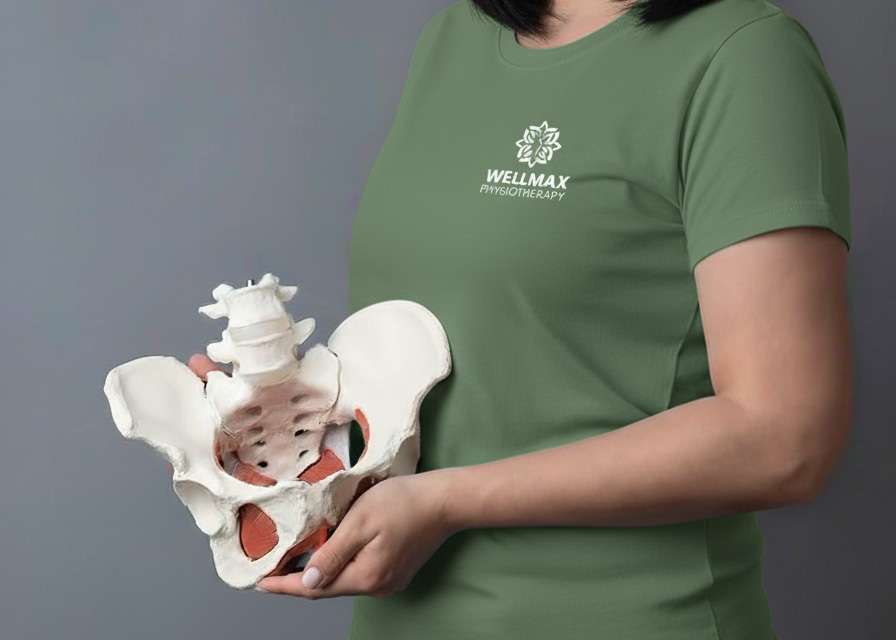


Gurmeet Rai, Registered Physiotherapist
Gurmeet is a Registered Physiotherapist with the College of Physiotherapists of Ontario and the Clinic Director and co-owner of Wellmax Physiotherapy in Oakville, with 16+ years of clinical experience. She focuses on complex, stubborn cases where earlier treatment has not worked, with advanced training in pelvic health, TMJ, vestibular, and sports and MSK rehab. Expect expert care from assessment to discharge, with honest guidance along the way. Read Gurmeet’s full profile or meet the team.
This article is for educational purposes only and does not replace a professional clinical assessment. Every body and condition is different. If you are experiencing pain or symptoms, book an assessment with a qualified clinician for advice specific to your situation. If you are experiencing a medical emergency, call 911 or visit your nearest emergency department.
