

Pinched Nerve in the Neck: Causes, Relief, and Recovery
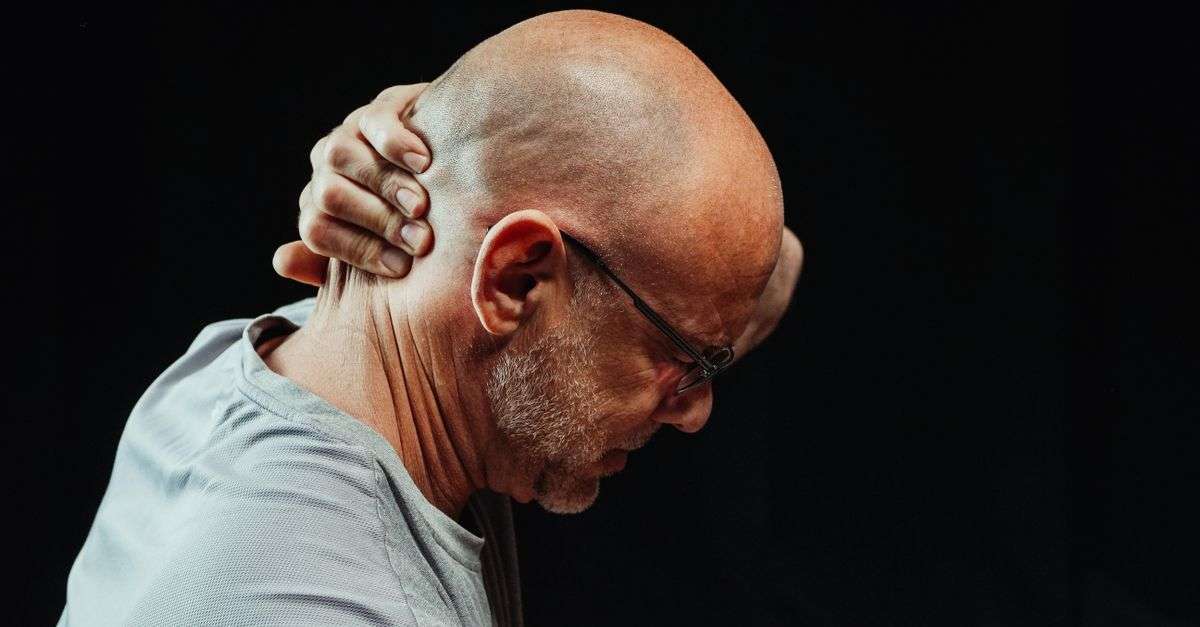
You turn your head, reach for a seatbelt, or wake up after an awkward night, and a sharp line of pain shoots from your neck into your shoulder, down your arm, and sometimes all the way to your fingers. Maybe it is less of a pain and more of a constant pins-and-needles tingling, or a hand that feels clumsy and weak. That mix of neck and arm symptoms is the classic signature of a pinched nerve in the neck.
The good news is that most pinched nerves in the neck settle down with the right conservative care, and surgery is rarely needed. This guide walks through what causes the arm pain and tingling, how to relieve it, what recovery usually looks like, and the warning signs that mean you should be assessed quickly. If your symptoms sound like this, the safest next step is a proper assessment rather than guessing online.
Key Takeaways
- A pinched nerve in the neck (cervical radiculopathy) happens when a nerve root is compressed or irritated, usually by a disc or by arthritic changes, and it often refers pain, tingling, or weakness into the arm.
- Roughly 75 to 90 percent of cases improve with conservative care such as hands-on therapy, nerve glides, posture and load changes, and sometimes gentle traction, without surgery.
- Most people feel meaningful relief over weeks to a few months, though timelines vary with the cause and severity.
- Progressive arm weakness, loss of coordination or balance, or any bladder or bowel changes are red flags that need urgent medical assessment.
What is a pinched nerve in the neck?
Your neck (the cervical spine) is made up of seven small bones stacked on top of each other, with cushioning discs in between and pairs of nerves that exit on each side. Those nerves travel out to your shoulders, arms, and hands. When one of those nerve roots gets compressed or irritated where it leaves the spine, the medical name for it is cervical radiculopathy.
Because that specific nerve carries signals to a specific part of the arm, the symptoms tend to follow a predictable path rather than spreading randomly. The brain interprets the irritated nerve as pain or tingling along the whole length it serves, which is why a problem in your neck can be felt strongly in your forearm or thumb.
What causes the nerve to get pinched?
There are two common stories. The first is a disc problem. The soft cushion between two neck bones can bulge or herniate and press on a nearby nerve root. This is more common in younger and middle-aged adults and often follows a strain, an awkward movement, or sometimes no clear trigger at all.
The second is wear-and-tear change, often called cervical spondylosis or arthritis of the neck. Over the years the discs lose height and small bony spurs can form, gradually narrowing the space the nerve passes through. This is more common as we get older. Both routes lead to the same end result: less room for the nerve and an irritated signal travelling down the arm.
What does a pinched nerve in the neck feel like?
The hallmark is that your symptoms are not limited to your neck. You may have some local neck pain and stiffness, but the standout feature is what happens in the arm. People often describe one or more of the following:
A sharp, burning, or electric pain that travels from the neck into the shoulder blade, upper arm, forearm, or hand. Pins and needles or numbness in part of the hand or specific fingers. A heavy, weak, or clumsy feeling in the arm or grip. Symptoms that ease when you rest your hand on top of your head, and worsen when you tip your head back or toward the painful side.
Which fingers tingle is a useful clue. Because each nerve root serves a defined skin area called a dermatome, symptoms in the thumb side of the hand point to a different nerve level than symptoms in the little-finger side. We do not expect you to figure that out yourself; mapping it accurately is part of a hands-on assessment.
“The neck is where the problem lives, but the arm is where you feel it. That pattern is the clue that points us to the nerve.”
How is a pinched nerve different from a muscle strain?
This is one of the most common questions, and it matters because the two are managed differently. A simple neck muscle strain usually feels like a deep ache or tightness that stays in the neck and upper shoulders. It is sore to move and to press on, but it does not send sharp, travelling symptoms past the shoulder, and it does not cause numbness or true weakness in the hand.
A pinched nerve, by contrast, refers symptoms down the arm in that nerve pattern and can bring tingling, numbness, or weakness with it. Some people have both at once, because guarded, tense muscles often build up around an irritated nerve. Telling them apart is exactly the kind of thing a thorough assessment is built to do.
How is a pinched nerve in the neck diagnosed?
For most people, the diagnosis is made clinically, which means through a careful history and a hands-on physical exam rather than a scan. At Wellmax we use a full 60-minute assessment so there is time to actually do this properly. We ask how the symptoms started and what makes them better or worse, then test your movement, reflexes, strength, and sensation, and use specific neck and nerve tests to reproduce and map your symptoms.
That picture usually tells us which nerve level is involved and how irritated it is. It also helps us rule out the other things that can cause arm symptoms, such as a shoulder problem or nerve compression further down the arm. The aim is to find the root cause, not just chase the pain.
Do I need an MRI or X-ray?
Often, no. Imaging is most useful when symptoms are severe, are not improving with conservative care over a reasonable timeframe, when surgery is being considered, or when red-flag signs are present. Many people get better well before imaging is ever needed. Importantly, scans of necks frequently show disc bulges and arthritic changes in people with no pain at all, so an image on its own does not tell the whole story. We use imaging when it will genuinely change the plan, and we will tell you plainly if we think you need it.
How do you relieve a pinched nerve in the neck?
The goal of treatment is to calm the irritated nerve, give it more room, and restore normal movement and strength so the problem does not keep coming back. A good plan usually combines several of the pieces below, matched to your specific findings.
Hands-on manual therapy
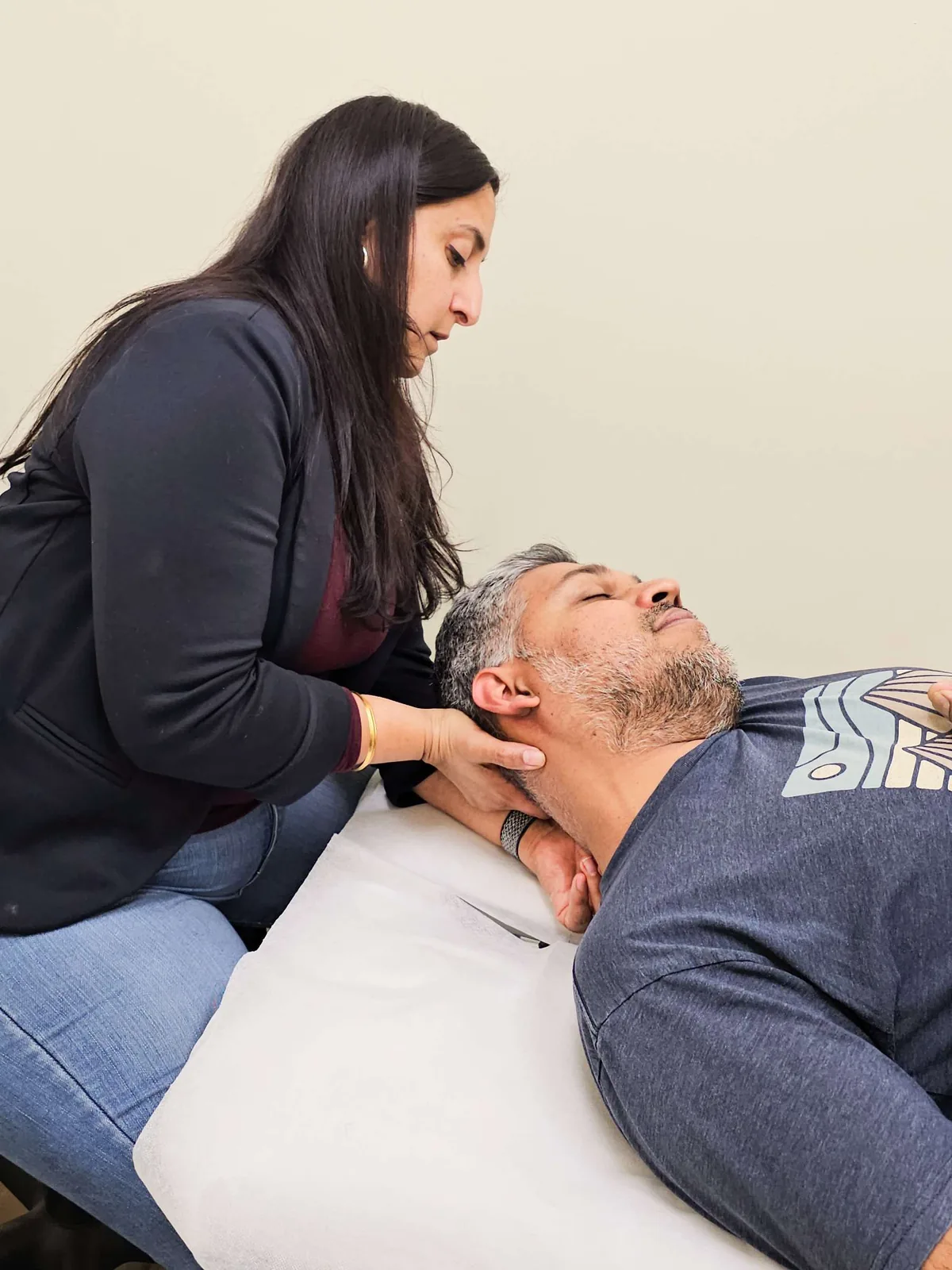
Skilled, hands-on treatment helps settle the protective muscle tension around the neck and improve how the joints and segments of the neck move. When the surrounding tissues relax and the neck moves more freely, the irritated nerve often gets an easier ride. This is a core part of how we work, because addressing the root cause rather than only the symptom is what tends to produce lasting relief.
Nerve glides and targeted exercise
Nerve glides, sometimes called neural mobilisations, are gentle movements that help the nerve slide and move through its pathway without being over-stretched. Done correctly and at the right dose, they can reduce sensitivity over time. Alongside these, we add specific exercises to restore neck mobility and to strengthen the deep neck and upper-back muscles that support your posture. The exercises are progressed as you improve so you build genuine resilience.
Posture and load management
How you load your neck through the day matters. Long stretches hunched over a phone or laptop, a poorly set-up desk, or sleeping in a position that cranks the neck can all keep a nerve irritated. We look at your daily habits and make practical adjustments to screen height, breaks, and sleep set-up so you are not constantly re-aggravating the area between sessions.
Gentle cervical traction
For some people, gentle traction, which lightly decompresses the neck and creates a little more space for the nerve, can ease arm symptoms. It does not suit everyone, so we only use it when the assessment suggests it will help, and we monitor your response carefully. If it increases your numbness or weakness, we stop and reassess.
What about rest, heat, and medication?
In the early, angry phase, relative rest, heat or cold for comfort, and simple over-the-counter pain relief recommended by your pharmacist or doctor can take the edge off so you can move more normally. The key word is relative. Complete rest and bracing the neck rigidly for long periods is usually unhelpful, because gentle, guided movement is what helps the nerve recover.
How long does a pinched nerve in the neck take to heal?
Most people see meaningful improvement over a few weeks to a few months. Many milder cases settle substantially within six to twelve weeks with sensible care, while cases with more nerve irritation or significant arthritic change can take longer and improve more gradually over several months. Even when full recovery is slower, the trend over time for the large majority of people is toward less pain and better function.
Recovery is rarely a straight line. You may have good days and flare-ups along the way, especially early on. What we look for is the overall direction of travel: arm symptoms retreating back up the arm toward the neck, fewer episodes, and returning strength and movement. We would rather get you to a point where you can manage independently than keep you coming in forever, so graduation from care, not endless visits, is the goal.
When should a pinched nerve in the neck be checked urgently?
Most pinched nerves are not dangerous, but a small number of warning signs point to compression of the spinal cord itself or another serious problem, and these need prompt medical attention. Please seek urgent medical assessment if you notice any of the following:
Progressive or significant weakness in the arm or hand, rather than just pain or tingling. New problems with coordination or balance, such as feeling unsteady on your feet or becoming clumsy with buttons, zips, or handwriting. Any changes to your bladder or bowel control. Symptoms in both arms or both legs. Severe pain following a significant trauma such as a car crash or fall, or symptoms alongside fever, unexplained weight loss, or a history of cancer.
These are not the everyday picture of a simple pinched nerve, but they are important to know so you can act quickly if they appear. When in doubt, get assessed rather than wait.
How Wellmax can help in Oakville and Mississauga
At Wellmax Physiotherapy we treat neck and arm pain every week at our Oakville clinic, and we welcome patients from Oakville and Mississauga. Our approach starts with a thorough 60-minute assessment so we can pinpoint which nerve is involved and what is driving the irritation, then build a hands-on plan that combines manual therapy, nerve glides, targeted exercise, and practical posture and load changes to settle the symptoms and stop them returning.
Wellmax was founded by Gurmeet Rai, a registered physiotherapist with more than 16 years of clinical experience, and our team focuses on finding and treating the root cause rather than only masking the pain. If your neck and arm symptoms overlap with related issues, you may also find our pages on neck pain and headache physiotherapy in Oakville, our neck pain chiropractor in Oakville, and whiplash physiotherapy in Oakville helpful.
Not sure where to start?
Book a free consultation and we will point you to the right care, with no pressure.
Frequently Asked Questions
Will a pinched nerve in my neck go away on its own?+
Many do improve over time, and the majority of cases settle without surgery. That said, the right conservative care usually speeds things up, reduces the chance of recurrence, and keeps your strength and movement from slipping while you wait. A short course of hands-on treatment and targeted exercise often gets people back to normal faster and with more confidence than simply hoping it passes.
How do I know if it is a pinched nerve or just a muscle strain?+
A muscle strain usually stays as a local ache or tightness in the neck and upper shoulders and does not cause numbness or weakness. A pinched nerve tends to send sharp, travelling pain, tingling, or numbness down the arm in a specific pattern and can affect grip strength. The two can occur together, so the clearest way to tell is a hands-on assessment that tests your reflexes, strength, sensation, and movement.
What should I avoid doing with a pinched nerve in my neck?+
In the early stage it helps to avoid positions that crank your symptoms, such as tipping your head far back or holding your neck twisted for long periods. Long stretches hunched over a phone or laptop, heavy lifting that strains the neck, and aggressive self-stretching of the painful arm can all keep the nerve irritated. Gentle movement is good; forcing through sharp, travelling pain is not. We can show you safe limits for your stage.
Do nerve glides actually help, and can I do them at home?+
Nerve glides can be a useful part of recovery because they help the nerve move smoothly through its pathway without being over-stretched. The catch is dose and technique. Too aggressive or too often and they can flare symptoms, while done correctly they gradually reduce sensitivity. We teach them in person and tailor them to your stage, then give you a clear home routine so you are progressing safely between visits.
Will I need surgery for a pinched nerve in my neck?+
Most people do not. The large majority of cases improve with conservative care such as manual therapy, exercise, and load management. Surgery is generally reserved for cases with progressive weakness, severe symptoms that do not respond to a fair trial of conservative care, or specific red-flag findings. We always start with the least invasive route that fits your situation and refer on promptly if your assessment ever points to something that needs a surgical opinion.
Is it safe to exercise or work out with a pinched nerve?+
Often yes, with sensible modifications. Gentle, guided movement usually helps a nerve recover, while complete rest tends to stiffen the neck and slow things down. The key is to scale back loads that spike your arm symptoms and to swap in movements that keep you active without aggravating the nerve. We build that balance into your plan so you can stay fit while the area calms down rather than stopping everything.
When should I be worried about neck and arm symptoms?+
Seek urgent medical assessment if you develop progressive weakness in the arm or hand, new problems with coordination or balance, clumsiness with fine tasks like buttons or handwriting, symptoms in both arms or legs, or any change to bladder or bowel control. These can signal pressure on the spinal cord rather than a simple pinched nerve. Severe pain after a major injury, or symptoms with fever or unexplained weight loss, also warrant prompt care.
How soon will I feel relief once I start treatment?+
Some people notice a little easing within the first few sessions, especially with hands-on treatment and gentle decompression, while others take longer to turn the corner. A realistic expectation is gradual improvement over several weeks, with arm symptoms slowly retreating back toward the neck. Recovery is rarely a straight line, so we track the overall trend rather than day-to-day ups and downs, and we adjust the plan based on how you respond.
You Might Also Like

Gurmeet Rai, Registered Physiotherapist
Gurmeet is a Registered Physiotherapist with the College of Physiotherapists of Ontario and the Clinic Director and co-owner of Wellmax Physiotherapy in Oakville, with 16+ years of clinical experience. She focuses on complex, stubborn cases where earlier treatment has not worked, with advanced training in pelvic health, TMJ, vestibular, and sports and MSK rehab. Expect expert care from assessment to discharge, with honest guidance along the way. Read Gurmeet’s full profile or meet the team.
This article is for educational purposes only and does not replace a professional clinical assessment. Every body and condition is different. If you are experiencing pain or symptoms, book an assessment with a qualified clinician for advice specific to your situation. If you are experiencing a medical emergency, call 911 or visit your nearest emergency department.
