
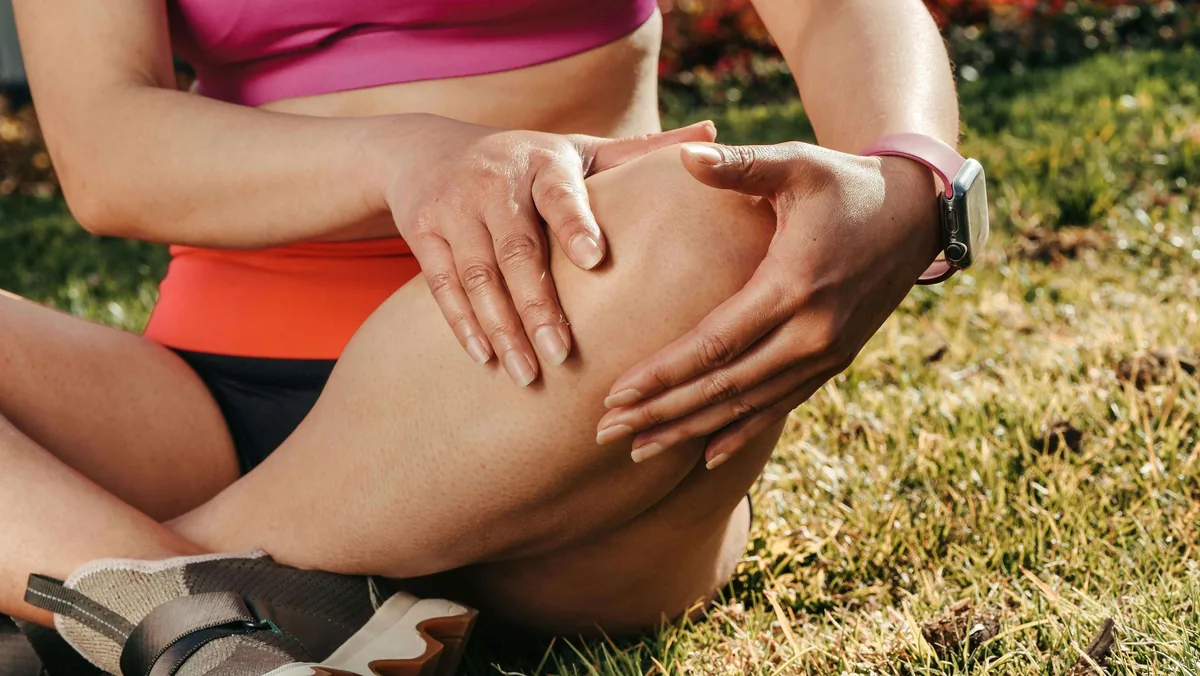
Whether it’s climbing the stairs at your Bronte Village home, walking along the trails in Bronte Creek Provincial Park, or simply getting in and out of your car during rush hour on the QEW, knee discomfort can significantly impact your quality of life. As a leading HCAI-licensed physiotherapy clinic in Oakville, Wellmax Physiotherapy sees this issue frequently, affecting about 25% of adults in Halton Region, leading to countless visits for knee pain relief. But understanding your knee pain is the first step toward effective management and recovery. In this comprehensive guide, we’ll explore the types, causes, symptoms, treatments, and low-impact exercises to help you find relief. If you’re in Oakville, Burlington, or Mississauga and dealing with nagging knee issues, our empathetic team is here to help you regain mobility without surgery or long-term dependency on pain meds.
Knee pain isn’t just a symptom, it’s often a signal of underlying issues from injuries, overuse, or chronic conditions. Ignoring it can lead to worsening problems, but with the right knowledge and professional support, you can take control. At Wellmax Physiotherapy, located at 1148 Winston Churchill Blvd, Unit B3, we specialize in personalized knee rehabilitation, helping residents like you return to an active lifestyle. Let’s dive in.
Types of Knee Pain: Pinpointing the Location for Better Diagnosis
Knee pain can manifest in different areas, each hinting at specific causes. Recognizing where it hurts can guide your next steps toward physiotherapy in Oakville.
- Pain Behind the Knee: This often stems from a Baker’s cyst (fluid buildup), hamstring tendonitis, or even a blood clot (deep vein thrombosis). Symptoms include swelling, stiffness, and difficulty fully straightening your leg, common after prolonged driving on Trafalgar Road.
- Pain on the Inner Side of the Knee: Frequently linked to medial meniscus tears, medial collateral ligament (MCL) sprains, or osteoarthritis. You might notice discomfort when squatting, climbing stairs at Oakville Place mall, or after sitting for long periods at your desk.
- Generalized Knee Pain: This could be from overuse, poor alignment, or arthritis, causing a dull ache that worsens with activity like jogging in Sixteen Mile Creek trails.
If your pain aligns with these, an assessment at our Oakville clinic can provide clarity. Early intervention prevents escalation, especially for active Halton Region residents.
Knees are complex joints supported by ligaments, cartilage, and tendons, making them vulnerable to injuries from sports, slips on icy Oakville sidewalks, or everyday wear.
- Ligament Injuries: The knee has four key ligaments:
- Anterior Cruciate Ligament (ACL): Often torn during sudden twists in activities like soccer at Pine Glen Park or skiing, common in Oakville’s active community. It causes instability and may require surgery if severe.
- Medial Collateral Ligament (MCL): Injured by side impacts, leading to inner knee pain.
- Posterior Cruciate Ligament (PCL): Damaged by backward forces, like in car accidents.
- Lateral Collateral Ligament (LCL): Affects the outer knee from outward blows.
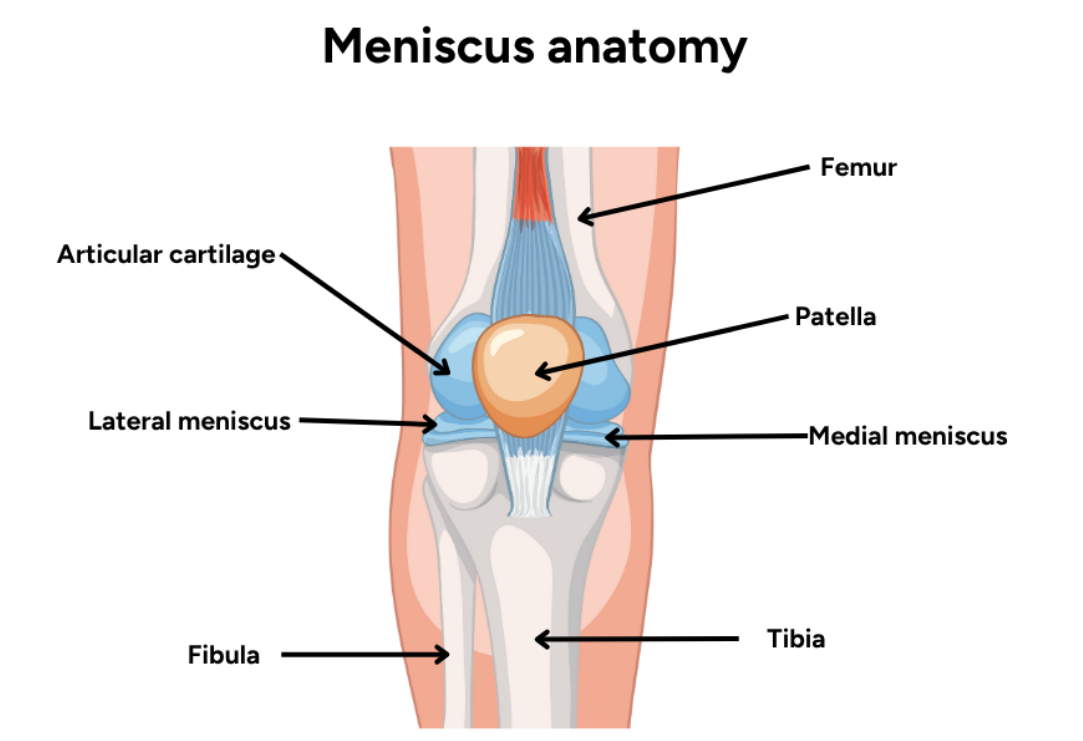
- Meniscus Tears: The shock-absorbing cartilage can tear acutely from pivoting (e.g., in basketball) or degenerate over time, causing locking or catching sensations, prevalent among older Oakville residents.
- Tendon Injuries: Patellar tendinitis (“Jumper’s Knee”) from repetitive jumping, common in volleyball or running enthusiasts.
At Wellmax, we treat these with evidence-based physiotherapy, often avoiding surgery through targeted rehab.
Causes of Knee Pain: Beyond the Obvious
Knee pain arises from a mix of acute injuries, chronic conditions, and mechanical factors, especially relevant for Oakville’s diverse population, from office workers to weekend athletes.
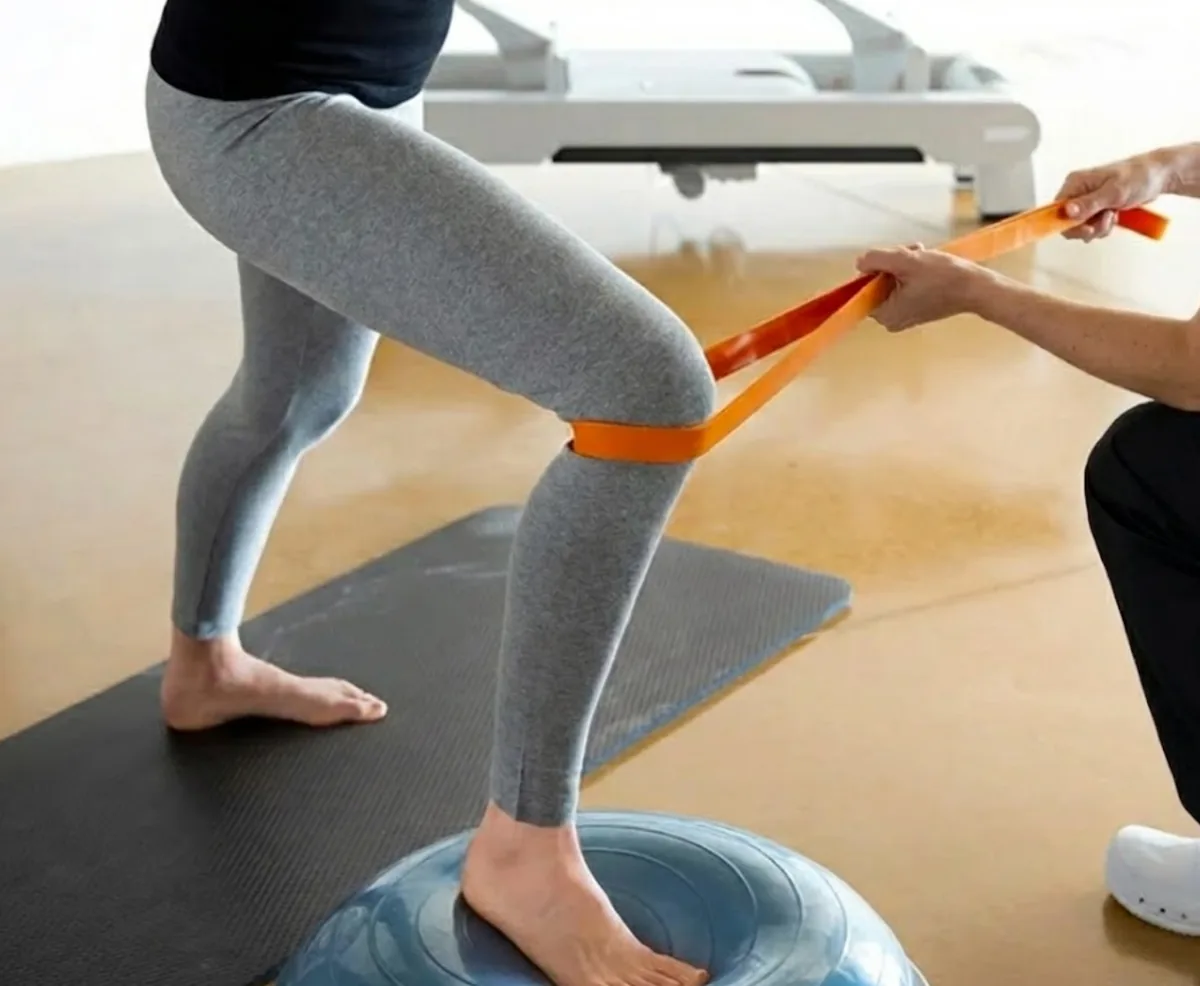
- Injuries: Traumatic events like falls on wet Halton Region paths or overuse from repetitive motions (running, jumping).
- Chronic Conditions: Osteoarthritis (cartilage breakdown, common in seniors), rheumatoid arthritis (autoimmune joint inflammation), or gout (uric acid crystals causing sudden flares).
- Mechanical Issues: Muscle imbalances (weak quads or tight hamstrings), poor posture, or foot problems like flat feet altering gait, exacerbated by long commutes to Mississauga.
Understanding these helps tailor treatments at our clinic, where we address root causes for lasting relief.
Symptoms of Knee Pain and When to See a Physiotherapist in Oakville
Symptoms vary but often include swelling, stiffness, instability, popping sounds, or pain during movement. If you experience:
- Difficulty bearing weight or straightening the knee.
- Persistent pain after rest or ice.
- Redness, warmth, or fever (indicating infection or inflammation).
Seek help promptly. In Oakville, delaying can lead to chronic issues. At Wellmax, we recommend seeing a physiotherapist if pain lasts over a week or interferes with daily life, our HCAI-licensed team can assess and start treatment same-day.
Treatment Options for Knee Pain Relief
Effective treatment combines rest, therapy, and medical interventions, customized at Wellmax for Oakville patients.
- Home Remedies (RICE Method): Rest to avoid aggravation; Ice for 15-20 minutes to reduce swelling; Compression with a brace; Elevation above heart level.
- Physical Therapy: Our cornerstone, strengthening muscles, improving flexibility, and correcting alignment. Unlike generic clinics, we offer direct billing and personalized plans.
- Medical Treatments: NSAIDs for pain, corticosteroid injections for inflammation, or surgery for severe cases like ACL tears.
We outperform by integrating advanced modalities like shockwave therapy and laser therapy for faster recovery.
Prevention Tips: Keeping Your Knees Healthy in Oakville
Prevent knee pain with proactive habits:
- Maintain a healthy weight to reduce joint stress.
- Wear supportive shoes for activities like walking Lakeshore Road.
- Warm up before exercise and incorporate low-impact activities like swimming at Oakville pools.
Regular check-ups at Wellmax can catch issues early.
3 Low-Impact Stretches and Strengthening Exercises for Knee Pain Relief
Try these gentle exercises, consult us for proper form.
- Hamstring Stretch: Sit with one leg extended, reach toward toes. Hold 20-30 seconds, 3 times per leg. Relieves tightness behind the knee.
- Quadriceps Stretch: Stand, pull one heel toward glutes. Hold 20-30 seconds. Improves front-thigh flexibility.
- Calf Stretch: Push against a wall with one leg back. Hold 20-30 seconds. Eases lower leg tension.
Incorporating these stretches into a daily routine can improve movement and decrease stiffness. At Wellmax Oakville, our expert physiotherapists can customize.
Low-Impact Activities
For those looking for exercise alternatives that don’t place excessive stress on the knee, low-impact activities like swimming, cycling, and yoga are excellent options. Swimming provides resistance training without impact, cycling strengthens the legs while keeping the motion smooth, and yoga enhances flexibility and balance.
FAQs About Knee Pain in Oakville
What causes knee pain ?
Knee pain can stem from a variety of factors, including injuries, chronic conditions, and mechanical issues. Injuries such as ligament tears, meniscus damage, and tendon inflammation are common causes, often resulting from sports, accidents, or overuse. Chronic conditions like osteoarthritis, rheumatoid arthritis, and gout can also lead to persistent knee pain by causing inflammation, cartilage breakdown, or joint damage. Additionally, mechanical problems such as poor posture, muscle imbalances, and improper movement patterns can contribute to knee discomfort over time. Understanding the root cause of knee pain is essential for effective treatment and long-term relief.
When should I see a physiotherapist?
If pain persists or limits activity. We treat all levels of knee pain from injury due to overuse to ACL post-op recovery. Let Wellmax Physiotherapy help you find the root cause of your pain so you can get back to your active and healthy lifestyle!
Does insurance cover knee physio?
Yes, physiotherapy is covered by most insurances and you may also be eligible to getting a knee brace to support your knee during activities.
Take the Next Step Toward Knee Pain Relief
Don’t let knee pain sideline you from enjoying life.
At Wellmax Physiotherapy, our physiotherapy team provides one-on-one, hands-on care focused on identifying the root cause of your knee pain, not just treating symptoms.
If pain persists, Wellmax physiotherapy in Oakville can provide personalized treatments like Physiotherapy, Massage, and Osteopathy from our experts. Located at 1148 Winston Churchill Blvd, Unit B3, Oakville, ON, our team is here to guide you with expert assessments and customized plans.
Don’t let knee pain hold you back, call us at (905) 829-1100 or book an appointment today and start your journey to wellness.
Read more on Conditions We Treat
More Questions About Knee Pain
My knee clicks and pops. Should I be worried?
Painless clicking is common and often harmless. Joints make noise as tendons move over bone and as surfaces glide past each other. What matters is what comes with the noise. Clicking alongside pain, swelling, locking, catching or a knee that gives way is worth having assessed. Noise on its own, with full movement and no pain, usually needs no treatment at all.
Why does going down stairs hurt more than going up?
Going down loads the knee harder. Your muscles have to control your body weight against gravity while the joint is bent, so an irritated knee often complains on the way down first. It is a common pattern rather than an answer. Several different problems can produce it, so the useful next step is having someone watch you move and test the joint properly.
How long should I wait before getting knee pain checked?
Book an assessment if knee pain lasts more than a week or gets in the way of daily life. Go sooner if you cannot put weight through the leg, cannot straighten the knee, or if pain persists after rest and ice. Redness, warmth or fever with a swollen knee needs medical attention right away. Early assessment usually means a shorter, simpler plan.
Do I need an MRI before starting physiotherapy?
Usually not. Physiotherapy begins with a hands on assessment of movement, strength and stability, and most knee problems can be managed without a scan. Imaging does not always tell the whole story, since scans can show wear that is not the source of the pain. If the assessment points to something that would change the plan, your physiotherapist will guide you to the right next step.
Can physiotherapy help me avoid knee surgery?
Often it can. Many knee problems respond well to strengthening, mobility work and correcting how the leg takes load, which is why rehabilitation is the cornerstone of knee care. Severe injuries such as a complete ACL tear may still need surgery, and even then rehabilitation before and after improves the result. An assessment is how you find out which group you are in.
Is it safe to keep exercising with a sore knee?
Usually yes, with the right choices. Low impact options like swimming, cycling and yoga keep the leg working without pounding the joint. Gentle hamstring, quadriceps and calf stretches are a reasonable place to begin. Stop anything that sharpens the pain or leaves the knee swollen the next morning, and get the plan reviewed if you keep having to stop.
Should I use ice or heat on a sore knee?
Ice suits a knee that is swollen or freshly irritated. Fifteen to twenty minutes is enough, with a cloth between the ice and your skin. Heat tends to suit stiffness rather than swelling. Neither one fixes the underlying problem, they simply make the joint comfortable enough to move. Use rest, ice, compression and elevation early, then get assessed if the swelling keeps coming back.
Is knee pain after 50 just arthritis I have to live with?
Not necessarily. Joint changes on a scan are common with age, and they do not decide how much pain or function you have. Knee pain can come from several different sources at once, and each one needs different treatment. Strength around the hip and thigh, footwear, body weight and daily load all shift the picture. An assessment shows what can be improved before you settle for it.
My knee swelled up after twisting it. What should I do?
Settle it, then get it assessed. Rest the leg, ice for 15 to 20 minutes, use a compression sleeve and keep the knee elevated above heart level. Get seen urgently instead if you cannot put weight on the leg, if the knee locks or gives way, or if it swelled up within an hour. Otherwise book an assessment so the joint can be tested properly. Do not force the knee straight or return to play.
Will strengthening exercises make my knee worse?
Done properly they usually help. Weak quadriceps and tight hamstrings leave the knee absorbing load that muscle should be sharing, which is one of the common mechanical issues behind knee pain. The skill is picking the right exercises and the right amount for the stage you are at, then building gradually. If a program keeps flaring the knee, the dose or the choice needs changing, not strengthening itself.
You Might Also Like

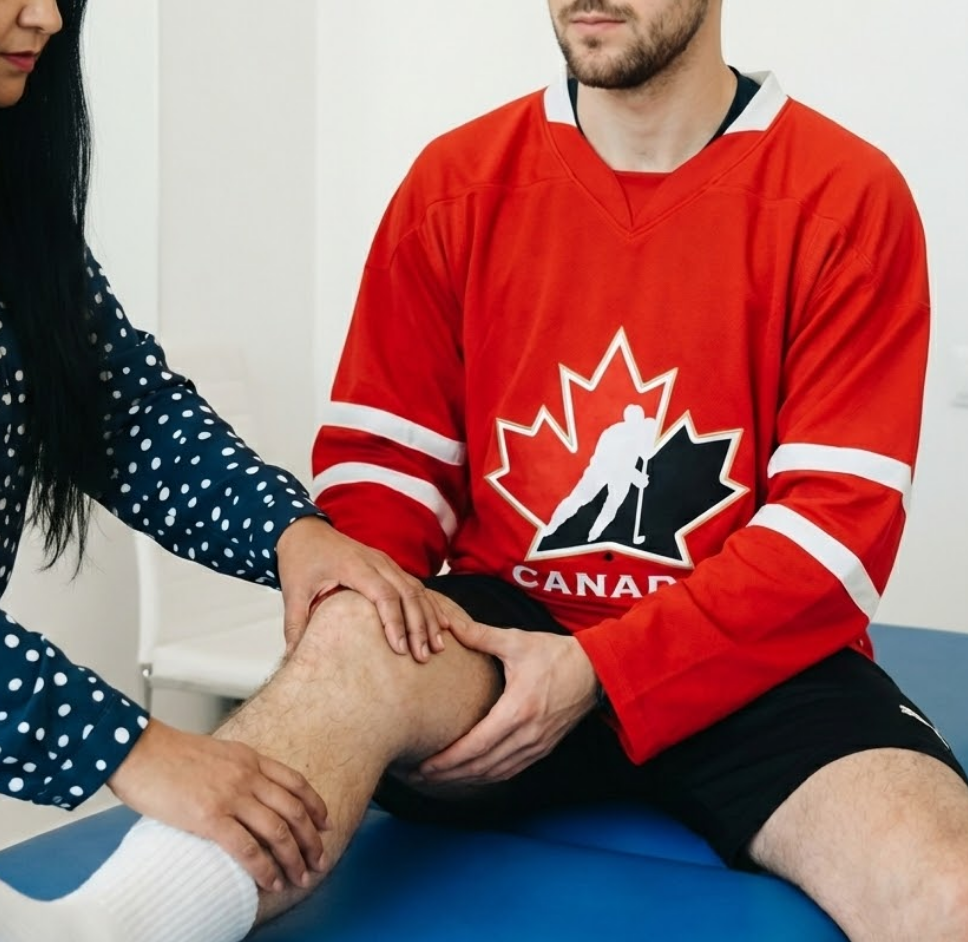
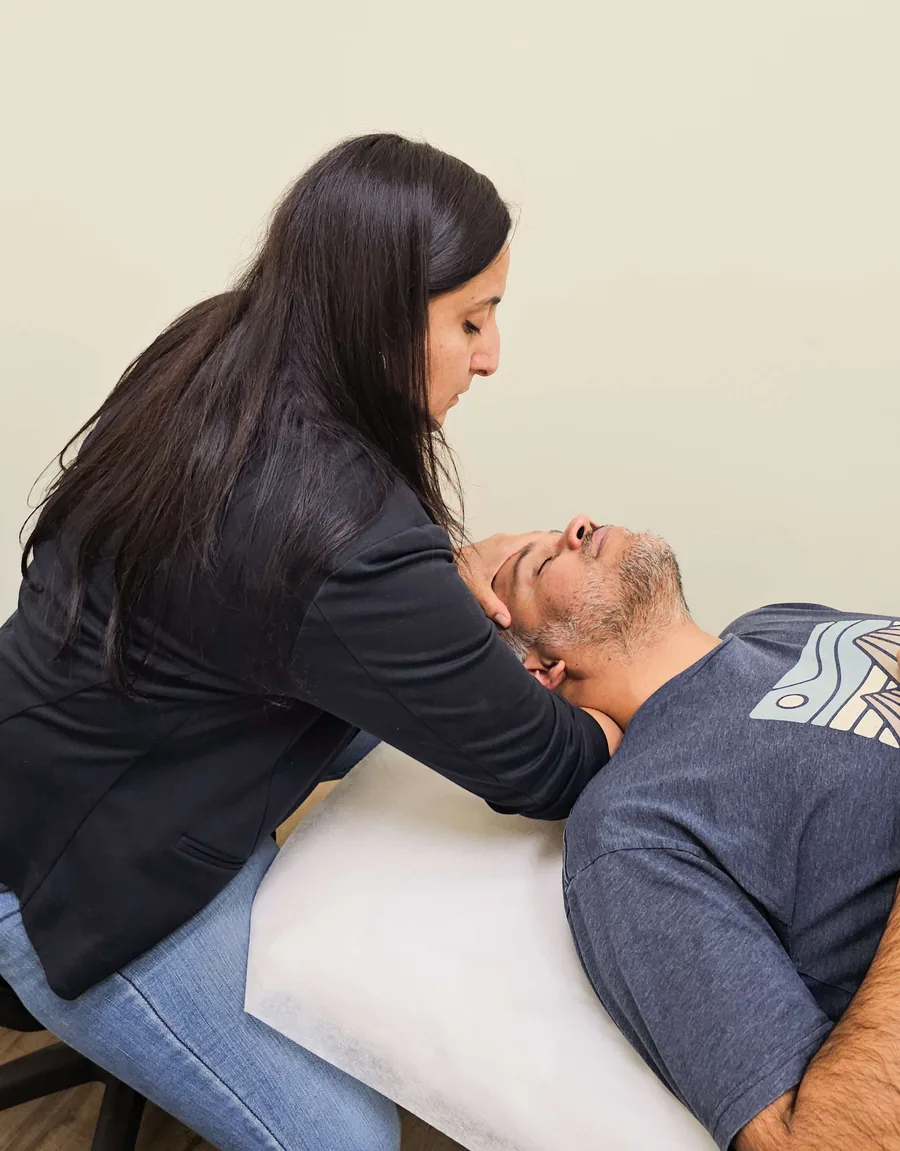

Gurmeet Rai, Registered Physiotherapist
Gurmeet is a Registered Physiotherapist with the College of Physiotherapists of Ontario and the Clinic Director and co-owner of Wellmax Physiotherapy in Oakville, with 16+ years of clinical experience. She focuses on complex, stubborn cases where earlier treatment has not worked, with advanced training in pelvic health, TMJ, vestibular, and sports and MSK rehab. Expect expert care from assessment to discharge, with honest guidance along the way. Read Gurmeet’s full profile or meet the team.
This article is for educational purposes only and does not replace a professional clinical assessment. Every body and condition is different. If you are experiencing pain or symptoms, book an assessment with a qualified clinician for advice specific to your situation. If you are experiencing a medical emergency, call 911 or visit your nearest emergency department.
