
Does Shockwave Therapy Actually Work?
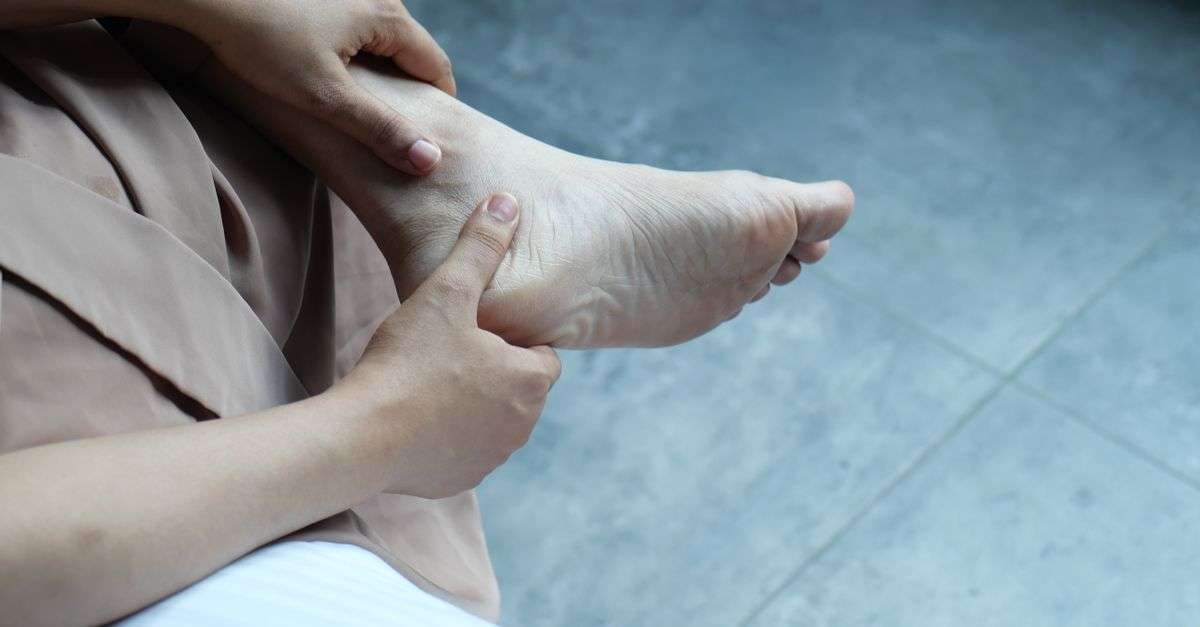
Shockwave therapy is one of the most asked-about treatments at our Oakville clinic, and for good reason. People want to know if it actually works, what it feels like, and whether it is worth their time and money. The honest answer is that extracorporeal shockwave therapy (ESWT) has solid evidence for several stubborn tendon and heel problems, but it is not a magic switch. It works best when it is part of a plan, not a stand-alone fix.
This guide explains what ESWT is, how it works, which conditions respond best, what a session actually feels like, how many treatments you might need, and how it compares to options like cortisone and surgery. Everything here is general education. Whether shockwave is right for you is decided at an in-person assessment.
Key Takeaways
- Shockwave therapy has good evidence for stubborn tendon problems like plantar fasciitis and Achilles.
- It works best paired with a loading and strength program, not on its own.
- A typical course is a few short weekly sessions, with results building over the following weeks.
- At Wellmax it is one tool we use only when it is the right fit, alongside hands-on care.
What Is Shockwave Therapy?
Extracorporeal shockwave therapy uses high-energy mechanical pressure waves delivered through the skin into injured tissue. “Extracorporeal” simply means the energy is generated outside the body and passed in through a handpiece. It is non-invasive, which means no needles and no incisions. A trained clinician moves the applicator over the painful area while the device sends a series of rapid pressure pulses into the tissue underneath.
These are mechanical waves, not electric shocks, even though the word “shock” suggests otherwise. The energy travels through skin and muscle and concentrates on the target structure, such as a tendon, its attachment point on the bone, or a calcium deposit. The body responds to that mechanical signal by ramping up its own repair processes.
Radial Versus Focused Shockwave
There are two main types of device. Radial shockwave spreads its energy out near the surface, which suits broad, shallow areas like the plantar region of the heel or a calf. Focused shockwave concentrates energy at a specific depth, which suits deeper or more pinpoint targets such as a calcium deposit in the shoulder. Many clinics, including ours, choose the type and settings based on the tissue being treated. Both have research support for tendon-related pain.
“Shockwave is not a magic fix; it works best alongside the right loading program.”
How Does Shockwave Therapy Work?
Chronic tendon pain is tricky. A tendon that has been sore for months is often not “inflamed” in the classic sense. Instead, the tissue has become disorganised and has not finished healing. Shockwave therapy aims to restart that stalled repair process using a few overlapping mechanisms.
- Increased local blood flow. The pressure waves prompt the body to grow and open small blood vessels in the treated area, bringing more oxygen and nutrients to tissue that often has a poor blood supply.
- Cell signalling and tissue remodelling. The mechanical stress nudges cells to release growth and repair signals, encouraging the tendon to rebuild stronger, better-organised fibres over the following weeks.
- Reduced pain signalling. Shockwave appears to dampen the local nerve signals that carry pain, which is part of why some people feel less sore even before the tissue has fully remodelled.
- Breaking down calcium deposits. In conditions like calcific rotator cuff tendinopathy, focused energy can help fragment hardened calcium so the body can clear it.
The key idea is that shockwave does not “numb” the problem. It tries to push a stalled biological process forward. That is why results tend to build over weeks rather than appear instantly, and why pairing it with the right exercises matters so much.
What Conditions Does Shockwave Therapy Treat Best?
The strongest evidence for shockwave therapy is in chronic tendinopathies, meaning tendon problems that have lasted several weeks or months and have not responded to rest alone. These are the conditions where research most consistently shows benefit.
- Plantar fasciitis and heel pain. Long-standing pain under the heel or arch is one of the best-studied uses of ESWT. Read more about our approach to plantar fasciitis physiotherapy.
- Achilles tendinopathy. Persistent pain and stiffness in the Achilles, especially the mid-portion, often responds well. See our page on Achilles tendinopathy.
- Calcific rotator cuff tendinopathy. Focused shockwave can help with calcium deposits in the shoulder. Learn about rotator cuff injury treatment.
- Tennis elbow and golfer’s elbow. Pain on the outer or inner elbow from the forearm tendon attachments. We treat both tennis elbow and golfer’s elbow.
- Greater trochanteric pain (lateral hip). Pain on the side of the hip linked to the gluteal tendons. More on hip pain physiotherapy.
Shockwave is also used for some other tendon and bone-healing situations, but the conditions above are where the evidence is most reliable. It is generally chosen for problems that have hung around and stopped improving on their own. A fresh, acute injury is usually managed differently. At your assessment, our physiotherapists work out whether your specific problem is a good match.
What Does Shockwave Therapy Feel Like?
This is the question most people really want answered before they book. Shockwave is generally described as uncomfortable but tolerable, not painful in a way that most people cannot handle. As the applicator passes over the sore spot, you feel a series of rapid taps or pulses, and the area that is most tender is usually the area that feels the strongest sensation.
A good clinician starts at a lower intensity and turns it up to a level you can manage. You stay in control. If a spot is too sharp, the settings can be adjusted on the spot. Each area only takes a few minutes to treat, so the whole session is usually short. Many people find the sensation is most noticeable on the first one or two visits and becomes easier to tolerate as the area calms down over the course.
Afterwards, the treated area may feel a little tender or warm for a day or so, similar to how you feel after a good workout. Most people walk straight out and carry on with their day.
How Many Sessions of Shockwave Therapy Do I Need?
A typical course of shockwave therapy is often around three to six sessions, usually spaced about one week apart. The exact number depends on the condition, how long it has been there, how severe it is, and how you respond along the way. Some people feel a clear shift after a few sessions, while others need the full course before things turn the corner.
The weekly spacing is deliberate. Each treatment gives the tissue a mechanical nudge, then the gap lets your body do the repair work that the shockwave kicked off. This is also why a single “one and done” session is rarely the plan for chronic tendon pain. The course is what gives the tissue repeated signals to remodel.
How Long Until Shockwave Therapy Works?
Shockwave is a slow-burn treatment, not an instant painkiller. Because it works by encouraging tissue to rebuild, results usually build gradually over several weeks, and the biggest improvements are often noticed after the course has finished rather than during it. It is common to feel little change early on and then notice that everyday activities have quietly become less painful a few weeks later. Patience and follow-through matter here. Stopping after one session because “it did not work yet” misses the point of how the treatment behaves.
Why Shockwave Works Best With Exercise
If there is one thing to take away from this article, it is this. Shockwave therapy works best when it is combined with a progressive loading and strength program, not used on its own. Research consistently points the same way. The shockwave helps wake up a stalled tendon, and targeted exercise then teaches that tissue to handle load again and rebuild its capacity.
Think of shockwave as opening the door and loading exercise as walking through it. Without the right exercises, the tissue may settle for a while but is more likely to flare again when you return to your normal activity. With a structured program, you are rebuilding the tendon’s tolerance so it can cope with running, lifting, gardening, or whatever matters to you.
This is exactly why shockwave at our clinic is delivered inside a full physiotherapy plan. Our physiotherapists pair each treatment with an individualised exercise program, activity guidance, and any hands-on work that helps. The shockwave is one tool in a bigger plan, and the plan is what produces lasting results.
How We Use Shockwave at Wellmax
At Wellmax, shockwave is one tool that we reach for only when it is actually the right call, never by default. The hands-on assessment and treatment come first. We would rather understand what is driving your pain than run you through a row of machines and send you out the door. That is why your first visit is a full 60-minute assessment: it gives our physiotherapists enough time to examine the area properly, explain in plain language why the pain has not settled, and decide whether shockwave even belongs in your plan.
When shockwave is indicated, it sits alongside hands-on manual therapy and a targeted exercise program built around the root cause of the problem, not on its own. The same is true of our other modalities, such as laser therapy and the spinal decompression bed: they are included within your physiotherapy session when they will genuinely help, rather than billed as a string of ongoing add-on visits. Our aim is straightforward. We want to get you better and graduate you from care, not keep you booking week after week. Many patients tell us the part they value most is finally getting a clear explanation of why their pain lingered and a plan that addresses it. If you would like that kind of answer, a free assessment is the place to start.
Are There Side Effects or Risks?
Shockwave therapy is considered very safe for the right person, and serious problems are uncommon. The most common effects are mild and short-lived.
- Temporary soreness or aching in the treated area for a day or two
- Mild redness or skin warmth over the spot
- Some minor swelling or, occasionally, small bruising
- The sensation during treatment itself, which fades as soon as the session ends
These effects usually settle quickly on their own. Because it is non-invasive, shockwave avoids the risks that come with injections or surgery, such as infection at an incision or the downsides of repeated cortisone. Even so, it is not suitable for everyone, which is why a proper assessment comes first.
Who Should Not Have Shockwave Therapy?
Shockwave is not appropriate for every person or every area of the body. As a general rule, it is usually avoided in situations such as these.
- During pregnancy
- Directly over a known or suspected tumour or cancerous tissue
- In people with certain blood-clotting disorders or those on strong blood-thinning medication
- Directly over a major nerve, large blood vessel, or the spine
- Over the open growth plates of children and teenagers who are still growing
- Over an active infection in the area, or over a recent fracture that is still healing
This list is general and not complete. Whether shockwave is safe and sensible for you depends on your health history and the exact area involved. That decision is made at an in-person assessment with a qualified clinician, never from an online list.
Is Shockwave Therapy Covered by Insurance?
At Wellmax in Oakville, shockwave therapy is included as part of your physiotherapy session rather than billed as a separate add-on. Because it is delivered within physiotherapy, it is generally claimed under your physiotherapy benefits. Most extended health plans that cover physiotherapy will therefore apply to your visit.
We offer direct billing to most major insurers, so in many cases you do not pay the covered portion up front. We also accept WSIB and motor vehicle accident claims, and you do not need a doctor’s referral to book. If you are unsure what your plan covers, our front desk can help you check before you start.
Shockwave Versus Cortisone and Surgery
For chronic tendon pain, people often weigh shockwave against a cortisone injection or, in tougher cases, surgery. Each has a different role.
Cortisone can give fast, short-term pain relief because it is a strong anti-inflammatory. The trade-off is that chronic tendon problems are often not mainly an inflammation issue, so the relief can fade, and repeated injections into a tendon area carry their own concerns over time. Cortisone tends to calm symptoms without rebuilding the tissue.
Shockwave works the other way around. It is slower to take effect, but it aims to improve the tissue itself rather than just quieten symptoms. Paired with exercise, the goal is a more durable result. It is non-invasive and avoids the downsides of repeated injections.
Surgery is usually reserved for cases that have not responded to a good run of conservative care, including loading exercise and treatments like shockwave. Because shockwave is low-risk and non-invasive, it is often tried as part of that conservative phase, sometimes helping people avoid an operation. None of this is a rule for your situation. The right path depends on your diagnosis, how long the problem has lasted, and what you have already tried, which is what an assessment is for.
Shockwave Therapy at Wellmax in Oakville
Our Oakville clinic offers shockwave therapy as part of a complete physiotherapy plan for people across Oakville and nearby communities such as Burlington, Mississauga, and Milton. Rather than treating shockwave as a stand-alone gadget, our physiotherapists assess the real cause of your pain, decide whether shockwave is a sensible fit, and combine it with a tailored loading program and hands-on care. You can read more on our dedicated shockwave therapy page. For some tendon and soft-tissue problems we may also discuss laser therapy as a complementary option, again decided at assessment.
Not sure where to start?
Book a free consultation and we will point you to the right care, with no pressure.
Related Services at Wellmax
- Shockwave Therapy in Oakville
- Plantar Fasciitis Physiotherapy
- Achilles Tendinopathy Physiotherapy
- Rotator Cuff Injury Physiotherapy
- Tennis Elbow Physiotherapy
- Physiotherapy in Oakville
Book Your Free Consultation in Oakville
If you have stubborn heel, Achilles, elbow, shoulder, or hip tendon pain that just will not settle, a free consultation is the simplest way to find out whether shockwave therapy is a sensible option for you. Our physiotherapists will assess your situation and explain a clear plan.
Wellmax Physiotherapy
1148 Winston Churchill Blvd, Unit B3, Oakville, ON L6J 0A3
Phone: (905) 829-1100
Email: info@wellmaxphysiotherapy.ca
We offer direct billing to most major insurers, and we accept WSIB and motor vehicle accident claims. No doctor’s referral is needed to book.
Hours: Monday to Friday 9am to 7pm, Saturday 9am to 2pm, Sunday 9am to 2pm (by appointment only).
You Might Also Like



Gurmeet Rai, Registered Physiotherapist
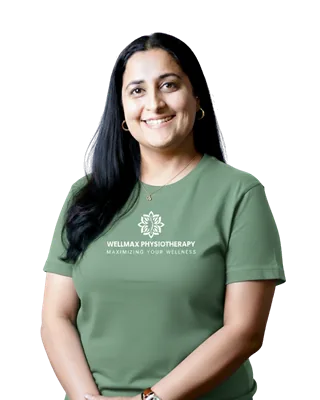
Gurmeet is a Registered Physiotherapist with the College of Physiotherapists of Ontario and the Clinic Director and co-owner of Wellmax Physiotherapy in Oakville, with 16+ years of clinical experience. She focuses on complex, stubborn cases where earlier treatment has not worked, with advanced training in pelvic health, TMJ, vestibular, and sports and MSK rehab. Expect expert care from assessment to discharge, with honest guidance along the way. Read Gurmeet’s full profile or meet the team.
This article is for educational purposes only and does not replace a professional clinical assessment. Every body and condition is different. If you are experiencing pain or symptoms, book an assessment with a qualified clinician for advice specific to your situation. If you are experiencing a medical emergency, call 911 or visit your nearest emergency department.
