

Ulnar Nerve Entrapment Treatment: Cubital Tunnel Syndrome, Tingling Fingers and When Surgery Is Needed

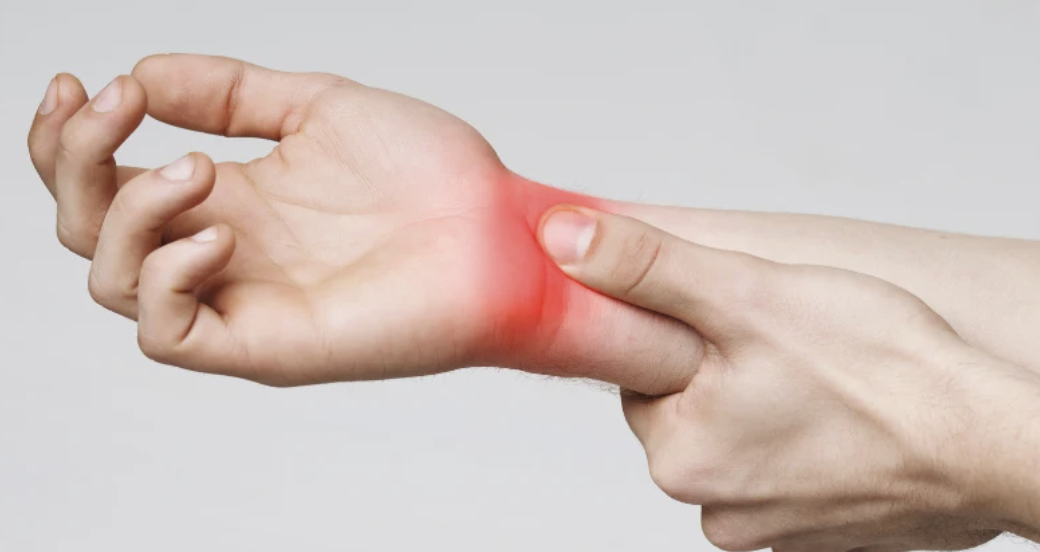
That pins-and-needles feeling in your ring and little finger, the numbness that creeps in when you bend your elbow or lean on it, the hand that feels clumsy doing up buttons or holding a phone. These are the classic signs of ulnar nerve entrapment, most often a problem at the elbow called cubital tunnel syndrome.
This guide explains what cubital tunnel syndrome actually is, why those two fingers in particular go numb, how it differs from carpal tunnel syndrome, the conservative care that genuinely helps, and the point at which surgery becomes a reasonable option. At Wellmax Physiotherapy in Oakville we see this often in people across Oakville and Mississauga, and most early cases respond well to hands-on, conservative care.
Key Takeaways
- Cubital tunnel syndrome is pressure on the ulnar nerve at the inside of the elbow, the same nerve you hit when you bang your “funny bone.”
- It causes tingling, numbness or pain in the ring and little finger and the inner side of the forearm, often worse with a bent elbow or leaning on the elbow.
- It is different from carpal tunnel syndrome, which is the median nerve at the wrist and affects the thumb side of the hand instead.
- Most early cases improve with activity changes, night-time elbow positioning, nerve glides and hands-on therapy. Surgery is reserved for severe or non-responding cases, or red flags like muscle wasting or constant numbness.
What is ulnar nerve entrapment and cubital tunnel syndrome?
The ulnar nerve runs from your neck, down the inside of your arm, and into your hand. On its way it passes through a narrow channel on the inside of the elbow called the cubital tunnel, right behind the bony bump you know as the funny bone. That spot is where the nerve sits very close to the surface and has the least protection.
Cubital tunnel syndrome happens when the ulnar nerve gets compressed, stretched or irritated as it passes through that tunnel. It is the second most common nerve compression in the arm after carpal tunnel syndrome. Because much of the problem is about pressure and position that we can influence, a focused elbow physiotherapy programme often makes a real difference.
Why the ring and little finger?
The ulnar nerve supplies feeling to the little finger and the half of the ring finger nearest it, plus it powers many of the small muscles in the hand. So when it is irritated, those exact areas are where the tingling and numbness show up. The thumb and index finger, by contrast, are on the median nerve, which is why their involvement points somewhere else entirely.
What are the symptoms of cubital tunnel syndrome?
Symptoms usually build slowly and follow a recognisable pattern, because the ulnar nerve only supplies certain parts of the hand.
- Tingling or numbness in the ring and little finger, often coming and going at first.
- Symptoms that flare when the elbow is bent for a while, such as holding a phone, driving, or sleeping with the arm curled up.
- An aching or pins-and-needles feeling along the inner side of the forearm and elbow.
- A weaker grip, dropping things, or trouble with fine tasks like typing, doing up buttons or playing an instrument.
- In longer-standing cases, the hand can feel clumsy and the small muscles between the fingers may start to look thinner.
If several of these sound familiar, it is worth having the arm assessed rather than guessing. We will not name your condition for you online, but a proper hand and arm assessment can sort out what is actually driving the symptoms.
Are there red flags I should not ignore?
Most cubital tunnel symptoms come and go, especially early on. A few signs deserve prompter attention: numbness that is constant rather than intermittent, a clear loss of grip or pinch strength, or visible thinning of the muscles in the hand, particularly the web between the thumb and index finger. If you notice any of these, see a qualified clinician soon, because longer-standing nerve compression can be harder to fully reverse.
Cubital tunnel vs carpal tunnel: what is the difference?
These two get mixed up constantly, but they are different problems with different nerves, different locations and different fingers.
- Cubital tunnel syndrome is the ulnar nerve squeezed at the elbow. It affects the ring and little finger and the inner side of the forearm.
- Carpal tunnel syndrome is the median nerve squeezed at the wrist. It affects the thumb, index, middle and the thumb side of the ring finger, sparing the little finger.
A quick mental shortcut: little-finger side points to the elbow, thumb side points to the wrist. The triggers differ too. Cubital tunnel tends to flare with a bent elbow, while carpal tunnel tends to flare with a bent wrist. They can occasionally occur together, which is one more reason a hands-on assessment beats guesswork. If your symptoms sit on the thumb side, our guide to carpal tunnel physiotherapy will be the more useful read.
“Little-finger side points to the elbow, thumb side points to the wrist. That one clue sorts out most of the confusion between cubital and carpal tunnel.”
What causes ulnar nerve entrapment at the elbow?
Often there is no single cause. Several things can crowd or stretch the nerve and tip the balance toward symptoms.
- Keeping the elbow bent for long stretches, such as on the phone, at a desk, or curled up in sleep, which tightens the tunnel and pulls on the nerve.
- Leaning on the elbow against a hard surface like a desk, armrest or car door, which presses directly on the nerve.
- Repetitive bending and straightening of the elbow at work or in sport.
- A previous elbow fracture, dislocation or arthritis that changes the shape of the tunnel.
- Fluid retention, swelling, or in some people a nerve that naturally slips out of its groove with movement.
Because the drivers vary from person to person, a one-size-fits-all routine off the internet rarely works as well as a plan built around your arm, your work and your day.
What is the best treatment for ulnar nerve entrapment?
For mild to moderate cubital tunnel syndrome, conservative care is the first line and it helps many people. The aim is simple: take pressure off the ulnar nerve, calm it down, and keep the elbow, forearm and hand moving well.
Does changing how I use my arm help?
Activity changes are quietly some of the most powerful tools. Stopping the habit of leaning on the elbow, taking calls on speaker rather than holding the phone, adjusting a desk or armrest so the elbow is not propped on a hard edge, and breaking up long bent-elbow positions can all lower the load on the nerve. We coach you through the specific changes that fit your job and hobbies, so the gains hold once you leave the clinic.
What about night-time elbow positioning?
Many people sleep with the elbow tightly curled, which keeps the nerve stretched and compressed for hours. Keeping the elbow straighter at night is one of the most effective single changes. Some people do this with a soft brace or splint that limits bending, and others simply wrap a towel loosely around the elbow as a reminder not to curl up. Easing those overnight positions often takes the edge off the morning numbness.
Do nerve glides and exercises work?
Ulnar nerve gliding exercises gently move the nerve through the tunnel to help it slide freely rather than catch or tether. Done correctly and gently, glides can be a helpful part of recovery, best viewed as a complement to activity changes and positioning rather than a stand-alone cure. Technique matters: pushed too hard, glides can irritate a sensitive nerve, so it is worth learning them with guidance.
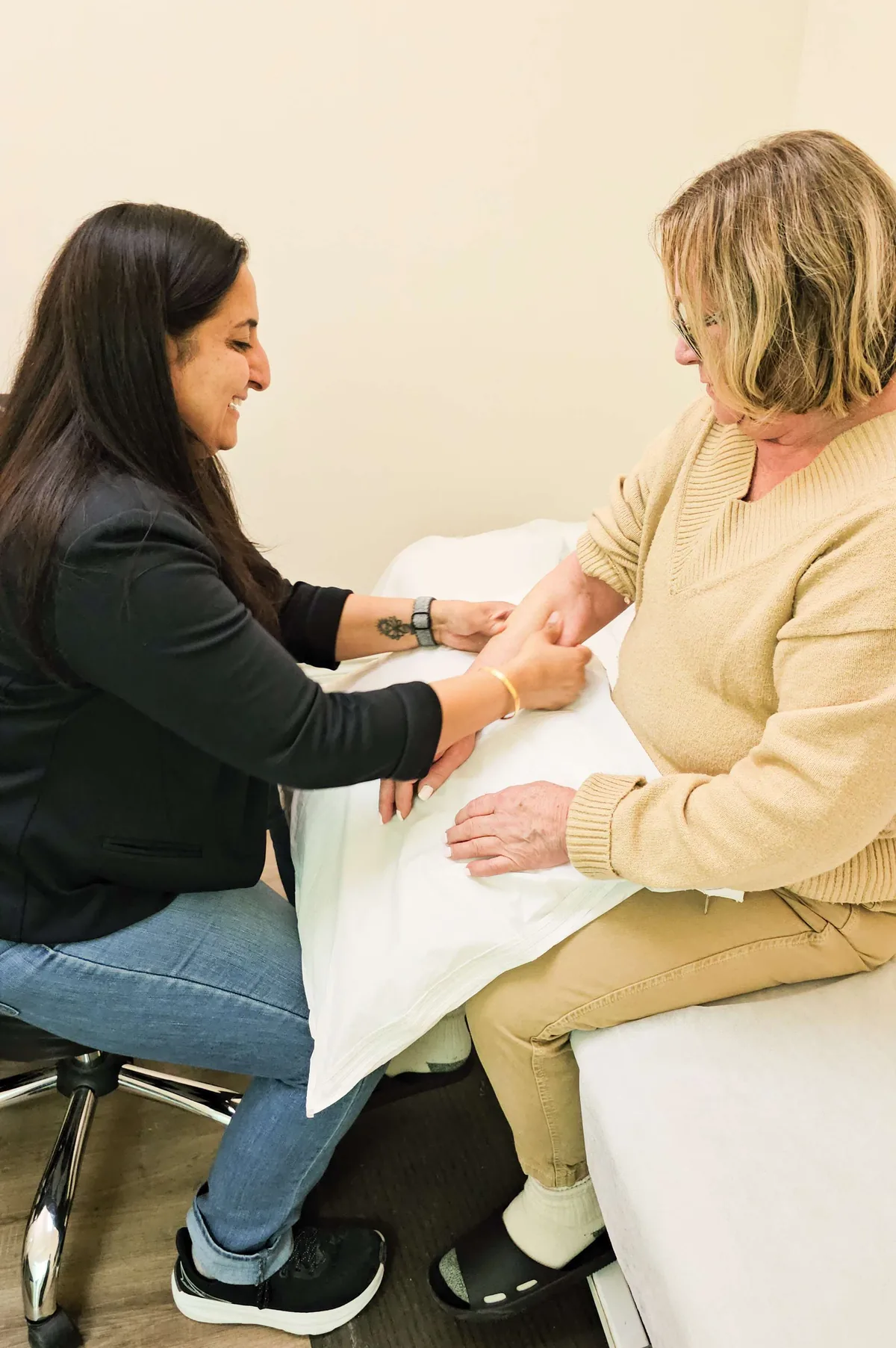
This is where hands-on care earns its place. At Wellmax we pair targeted ulnar nerve glides with manual therapy for the elbow, forearm, and even the neck and shoulder, because the ulnar nerve can be irritated anywhere along its path, not only at the elbow.
Will an anti-inflammatory or padding help?
A short course of over-the-counter anti-inflammatory medication can help settle a flare for some people, and an elbow pad worn during the day can stop you pressing on the nerve without noticing. These are useful supports alongside the bigger levers of positioning, activity change and exercise, not replacements for them. Your clinician or pharmacist can advise whether medication is appropriate for you.
Not sure where to start?
Book a free consultation and we will point you to the right care, with no pressure.
When is surgery actually needed for cubital tunnel syndrome?
Surgery is not the starting point for most people. It is generally considered when symptoms are severe, when they persist or worsen despite a fair trial of conservative care, or when there are clear nerve red flags such as constant numbness or visible muscle wasting in the hand. Those signs suggest the nerve has been compressed long or hard enough that the pressure needs to be relieved directly.
The common procedures aim to give the ulnar nerve more room. A simple decompression opens up the tunnel. An ulnar nerve transposition moves the nerve to the front of the elbow so it is no longer stretched over the bony bump when you bend. A medial epicondylectomy removes part of that bump so the nerve can glide smoothly. Your surgeon chooses based on what is crowding the nerve in your particular case.
How long is recovery after cubital tunnel surgery?
Recovery varies with the type of surgery. Many people are out of a sling and back to light daily activities within a couple of weeks, while heavier lifting and sport usually wait several weeks longer. Tingling often eases fairly soon, but if the nerve was compressed for a long time, the return of strength and full feeling can take many months. Guided hand and elbow therapy during this window helps you rebuild movement and strength safely.
Will ulnar nerve entrapment go away on its own?
Mild, recent cases can settle, especially once an obvious trigger like leaning on the elbow or a temporary work pattern is removed. More often, symptoms that have been building for a while need active treatment to turn the corner, and most respond well when caught early. Pushing through and hoping it passes is the approach most likely to let things drift toward the harder-to-reverse end, so earlier is better.
How Wellmax approaches cubital tunnel syndrome in Oakville
Our first appointment is a full sixty minutes, because finding the real driver of nerve irritation, whether at the elbow, forearm or further up at the neck and shoulder, takes time to do properly. Lead physiotherapist Gurmeet Rai brings more than sixteen years of experience to that assessment.
From there we build a hands-on plan: manual therapy to settle the area, the right ulnar nerve glides, night-time positioning guidance, ergonomic coaching and a clear set of activity changes. We serve clients across Oakville and Mississauga, and our aim is always a pain-free graduation with a simple routine you can maintain on your own, not a calendar full of standing appointments.
If your ring and little finger have been tingling, or your hand is starting to feel clumsy, the earlier you have it assessed, the more options you have. Book a free consultation with Wellmax Physiotherapy in Oakville and we will help you find the right next step.
Frequently Asked Questions
Which fingers does cubital tunnel syndrome affect?+
Cubital tunnel syndrome typically affects the little finger and the half of the ring finger nearest it, because those areas are supplied by the ulnar nerve. The inner side of the forearm and elbow can also feel achy or tingly. The thumb, index and middle fingers are usually spared, which is a key clue that separates it from carpal tunnel syndrome.
What is the difference between cubital tunnel and carpal tunnel?+
They are different nerves in different places. Cubital tunnel syndrome is the ulnar nerve compressed at the elbow, affecting the ring and little finger and flaring with a bent elbow. Carpal tunnel syndrome is the median nerve compressed at the wrist, affecting the thumb side of the hand and flaring with a bent wrist. A simple rule: little-finger side points to the elbow, thumb side points to the wrist.
Why is my cubital tunnel worse at night?+
Most people sleep with the elbow curled up, and a bent elbow both stretches and compresses the ulnar nerve for hours at a time. That sustained pressure is why tingling and numbness often wake people or are worst in the morning. Keeping the elbow straighter at night, with a soft brace or even a loosely wrapped towel as a reminder, is one of the simplest and most effective changes.
Do nerve glides help ulnar nerve entrapment?+
Ulnar nerve gliding exercises help the nerve slide freely through the cubital tunnel and can support recovery when done gently and correctly. They work best as part of a fuller plan that includes activity changes and night-time positioning rather than on their own. Technique matters, because pushing too hard can irritate a sensitive nerve, so it is worth learning them with guidance from a physiotherapist.
When do I need surgery for cubital tunnel syndrome?+
Surgery is generally considered when symptoms are severe, when they persist or worsen despite a fair trial of conservative care, or when there are red flags like constant numbness or visible muscle wasting in the hand. For most people, activity changes, positioning, nerve glides and hands-on therapy are tried first. An assessment helps clarify where you sit on that path and what makes sense next.
How long does recovery from cubital tunnel surgery take?+
It depends on the procedure. Many people return to light daily activities within a couple of weeks, while heavier lifting and sport wait several weeks longer. Tingling often eases fairly quickly, but if the nerve was compressed for a long time, the return of strength and full feeling can take many months. Guided hand and elbow therapy during recovery helps rebuild movement and strength safely.
Can ulnar nerve entrapment go away without treatment?+
Mild, recent cases can settle on their own, especially once an obvious trigger like leaning on the elbow or a short-term work pattern is removed. Symptoms that have been building for a while usually need active treatment to improve, and most respond well when caught early. Pushing through and hoping it passes is the approach most likely to let things drift toward harder-to-reverse nerve changes.
Do you treat cubital tunnel for Mississauga clients too?+
Yes. Wellmax Physiotherapy is based in Oakville and regularly sees clients from both Oakville and Mississauga for elbow, wrist and hand nerve concerns. Your first visit is a full sixty minutes so we can find the real driver of your symptoms, then build a hands-on plan around your arm, your work and your goals. You can start with a free consultation to see if we are the right fit.
You Might Also Like


Gurmeet Rai, Registered Physiotherapist
Gurmeet is a Registered Physiotherapist with the College of Physiotherapists of Ontario and the Clinic Director and co-owner of Wellmax Physiotherapy in Oakville, with 16+ years of clinical experience. She focuses on complex, stubborn cases where earlier treatment has not worked, with advanced training in pelvic health, TMJ, vestibular, and sports and MSK rehab. Expect expert care from assessment to discharge, with honest guidance along the way. Read Gurmeet’s full profile or meet the team.
This article is for educational purposes only and does not replace a professional clinical assessment. Every body and condition is different. If you are experiencing pain or symptoms, book an assessment with a qualified clinician for advice specific to your situation. If you are experiencing a medical emergency, call 911 or visit your nearest emergency department.
