
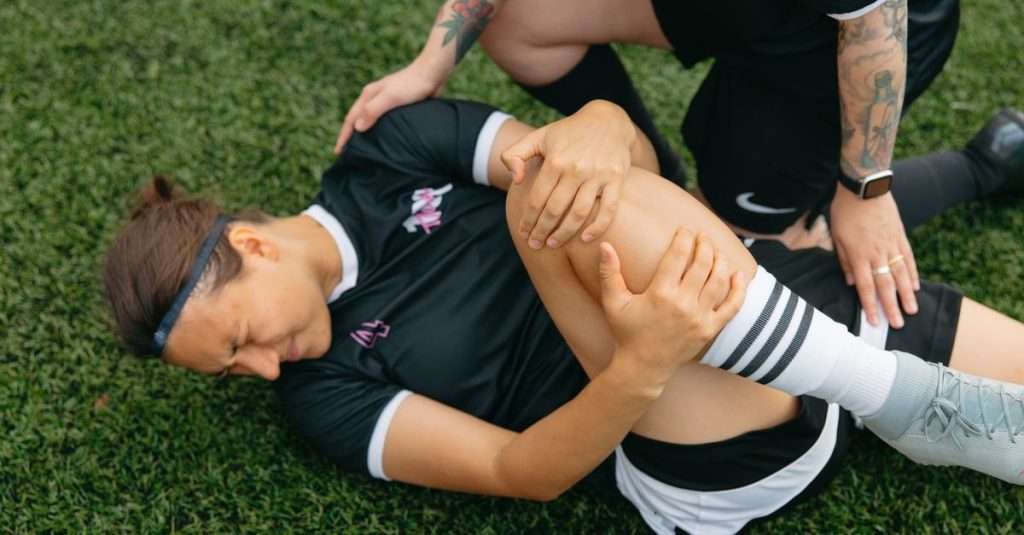
ACL Tear Recovery Timeline: Surgery vs Conservative Care, Rehab Phases, and Return to Sport
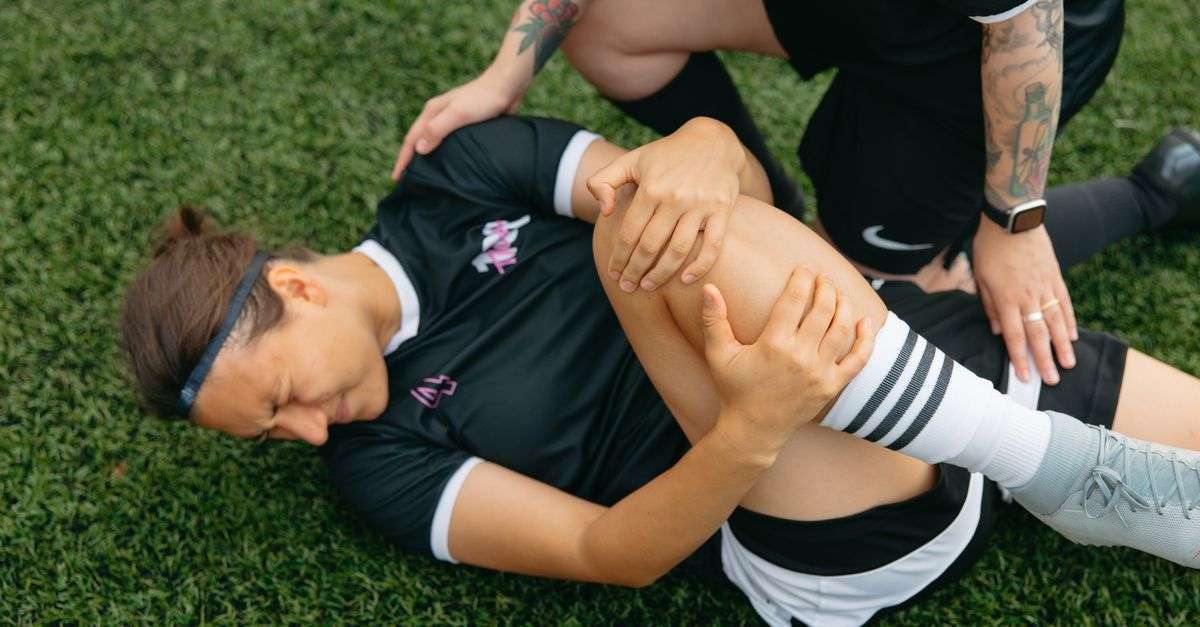
An ACL tear is one of the most talked-about knee injuries in sport, and one of the most misunderstood when it comes to recovery. Most people expect a few weeks of rest and a brace. The reality is that a full return to cutting and pivoting sport usually takes the better part of a year, whether or not you have surgery.
This guide lays out an honest ACL recovery timeline. We will walk through surgery versus conservative care, the phases of rehab, and the actual criteria that decide when it is safe to play again. None of this replaces a hands-on assessment, so think of it as a map rather than a diagnosis.
Key Takeaways
- A full return to pivoting sport typically takes 9 to 12 months, whether you choose surgery or conservative care.
- Return to sport should be decided by objective criteria such as strength and hop-test symmetry, not by the calendar alone.
- Athletes who go back before 9 months carry a much higher reinjury risk, so patience is protective.
- Not everyone needs surgery. Some people, often called “copers,” do very well with structured rehab.
What is the ACL and why does it take so long to recover?
The anterior cruciate ligament, or ACL, sits deep inside the knee and stops your shin bone from sliding forward and rotating out of control. It is what keeps your knee stable when you plant a foot, change direction, or land from a jump.
When the ACL tears, the issue is not just the ligament. The surrounding muscles weaken quickly, your sense of where the joint is in space gets disrupted, and your brain becomes cautious about loading the leg. Rebuilding all of that takes months of progressive work, which is why ACL recovery is measured in seasons rather than weeks.
At Wellmax in Oakville and Mississauga, we treat the ACL itself as only one part of the picture. The bigger job is restoring strength, control, and confidence in the whole leg.
How long does ACL recovery take?
For most people aiming to return to cutting, pivoting, or contact sport, the timeline runs 9 to 12 months. Some well-prepared athletes return closer to 6 to 8 months, while others need 12 to 15 months, depending on the graft, the demands of their sport, and how their rehab progresses.
If your goals are everyday activity, walking, cycling, or straight-line jogging, you may feel close to normal much sooner. The long timelines are driven by the high-speed, change-of-direction demands of sport, not by everyday life.
Surgery vs conservative treatment: which is right for an ACL tear?
This is the question nearly everyone asks first. The honest answer is that it depends on the knee, the person, and their goals. Surgery is not automatic, and skipping surgery is not a shortcut.
Who tends to do well with surgery?
ACL reconstruction is often recommended for people who want to return to sports involving cutting, pivoting, and sudden direction changes, such as soccer, basketball, skiing, or volleyball. It is also commonly considered when the knee gives way during normal activity or when there is additional damage to a meniscus or other ligaments.
Who might succeed without surgery?
A meaningful number of people, sometimes called “copers,” can return to active life without reconstruction. Conservative care can suit those with lower-demand goals, a knee that stays stable through screening tests, and the willingness to commit to thorough rehab.
Conservative management offers a quicker return to recreational, straight-line activity and avoids surgical risks. The trade-off is that it is generally not advised for high-level pivoting sport if the knee cannot pass stability and strength testing.
“The decision is rarely surgery versus no rehab. Both paths run through months of structured rehabilitation, so the work matters more than the route.”
How do you decide?
A good decision blends your surgeon’s input, imaging, your activity goals, and how your knee performs on functional testing. A 60-minute assessment at Wellmax lets us screen your stability, strength, and movement control so you can make that choice with real information rather than guesswork. We never diagnose over a blog post, so this is where a proper evaluation comes in.
What is prehab, and does it matter before ACL surgery?
If you are heading toward surgery, the weeks before the operation are not dead time. This period, often called prehab, focuses on calming the swelling, restoring as much knee straightening and bending as possible, and rebuilding quadriceps strength.
Going into surgery with a quiet, mobile, stronger knee is linked to a smoother recovery afterward. A common goal is near-full range of motion and good quad activation before the surgery date, which gives your rehab a real head start.
What are the phases of ACL rehab?
ACL rehab is best understood as a series of phases, each with its own goals. Progression depends on meeting those goals, not simply reaching a date on the calendar.
Phase 1: Early recovery (weeks 0 to 6)
The first priority after surgery is settling the swelling, regaining full knee extension, restoring a normal walking pattern, and waking the quadriceps back up. Range of motion and gentle, controlled loading lead the way here.
Phase 2: Strength and control (weeks 6 to 12)
As the knee calms down, the focus shifts to building strength through both legs, improving single-leg balance, and restoring confidence on the involved side. Many people are working toward a return to light jogging around the 12-week mark, once specific criteria are met.
Phase 3: Running, agility, and power (months 3 to 6)
This phase reintroduces running, hopping, and early change-of-direction work. The aim is to close the strength gap between legs and rebuild the spring and shock-absorption your sport demands.
Phase 4: Return to sport preparation (months 6 to 9+)
The final stretch layers in sport-specific drills, high-speed cutting, deceleration, and reactive movements. This phase, from roughly 6 to 12 months, is where the knee is truly prepared for the chaos of competition.
What criteria decide when you can return to sport?
Here is the part that surprises most people: time alone does not clear you to play. Modern practice uses criteria-based return, which means objective testing decides readiness.
Commonly used benchmarks include a minimum of around 9 months since surgery, quadriceps strength symmetry of at least 90 percent compared with the other leg, hop-test scores of at least 90 percent symmetry across single, triple, crossover, and timed hops, minimal to no swelling, and psychological readiness to return.
That last point matters more than people expect. Feeling apprehensive, hesitating before you plant a foot, or guarding the leg are all signs the knee is not yet ready, even if the calendar says it should be.
Why is rushing back so risky?
The temptation to return early is real, especially for competitive athletes. The data is a strong argument for patience. Research has found that athletes who return to sport before 9 months are roughly seven times more likely to suffer another ACL injury.
Reinjury risk is highest in the first year, and a reconstructed ACL carries a higher chance of failure than an uninjured one. Meeting the strength and hop criteria before returning is one of the clearest ways to protect the knee you worked so hard to rebuild.
Not sure where to start?
Book a free consultation and we will point you to the right care, with no pressure.
What does ACL physiotherapy at Wellmax look like?
Our approach is built around your goals and your knee, not a generic protocol. Every plan starts with a thorough 60-minute assessment so we understand your strength, stability, movement patterns, and what you are actually trying to get back to.
From there, we combine hands-on manual therapy with progressive, criteria-based exercise to address the root cause rather than just the sore spot. We track your strength and hop symmetry over time, so progression decisions are based on numbers, not hope.
Wellmax was founded by Gurmeet Rai, who brings more than 16 years of clinical experience to knee and sports rehabilitation across our Oakville sports physiotherapy clinic, welcoming patients from Oakville and Mississauga. We also believe in graduation, not endless visits. The goal is to get you confident and independent, then send you back to your sport.
If your ACL injury came with other knee pain or you are preparing for or recovering from an operation, our knee pain physiotherapy and pre and post-surgical rehabilitation programs work hand in hand with your ACL recovery plan.
Frequently Asked Questions
How long after ACL surgery can I walk normally?+
Many people walk without crutches within two to four weeks, once swelling settles and the quadriceps can support the knee. A smooth, normal walking pattern usually returns over the first six weeks. Exact timing depends on your surgery, any meniscus repair, and how your knee responds, which is why early guided rehab matters so much in this window.
Can an ACL tear heal without surgery?+
A fully torn ACL does not reliably reconnect on its own, but that does not mean surgery is always required. Some people, often called copers, build enough strength and control to return to active life without reconstruction. Whether this is realistic depends on your knee’s stability, your sport, and how you perform on functional testing during a proper assessment.
When can I start running again after ACL reconstruction?+
Return to light jogging often happens around the 12-week mark, but only once specific criteria are met. These usually include minimal swelling, good single-leg strength, and the ability to control your knee on one leg. Running too early on a weak or swollen knee can set you back, so progression is based on how the knee performs rather than the date.
Why does ACL recovery take 9 to 12 months?+
The graft needs time to mature and integrate, and your leg needs to rebuild strength, power, balance, and confidence after months of altered movement. High-speed cutting and landing demands take the longest to restore safely. Returning before that work is complete is strongly linked to higher reinjury rates, so the timeline reflects biology and safety, not caution for its own sake.
What is a coper, and could I be one?+
A coper is someone whose knee stays stable after an ACL tear and who can return to activity without reconstruction. Copers are typically identified through screening, including a cluster of single-leg hop tests and stability checks. Roughly half of people may have coper potential, but it has to be tested rather than assumed. An assessment is the only honest way to find out.
Is it normal to feel nervous returning to sport after an ACL tear?+
Yes, and it is an important signal rather than a weakness. Psychological readiness is a recognized part of return-to-sport criteria. Hesitating before you plant, guarding the leg, or fearing reinjury can affect how you move and raise risk. Good rehab gradually rebuilds trust through progressive drills, so by the time you return, confidence and physical readiness arrive together.
How soon after my injury should I start physiotherapy?+
The sooner the better, whether or not you are having surgery. Early rehab settles swelling, restores motion, and rebuilds quadriceps strength, all of which improve outcomes down the line. If you are heading for surgery, this prehab phase sets up a smoother recovery. If you are exploring conservative care, early testing helps clarify your best path forward.
Do you treat ACL injuries in both Oakville and Mississauga?+
Yes. Wellmax offers ACL and knee rehabilitation at our Oakville clinic, and welcomes patients from Oakville and Mississauga, with the same criteria-based approach for every patient. Every plan begins with a 60-minute assessment and combines hands-on manual therapy with progressive strength and control work. To find the right starting point for your knee, you are welcome to book a free consultation with no pressure.
You Might Also Like



Gurmeet Rai, Registered Physiotherapist
Gurmeet is a Registered Physiotherapist with the College of Physiotherapists of Ontario and the Clinic Director and co-owner of Wellmax Physiotherapy in Oakville, with 16+ years of clinical experience. She focuses on complex, stubborn cases where earlier treatment has not worked, with advanced training in pelvic health, TMJ, vestibular, and sports and MSK rehab. Expect expert care from assessment to discharge, with honest guidance along the way. Read Gurmeet’s full profile or meet the team.
This article is for educational purposes only and does not replace a professional clinical assessment. Every body and condition is different. If you are experiencing pain or symptoms, book an assessment with a qualified clinician for advice specific to your situation. If you are experiencing a medical emergency, call 911 or visit your nearest emergency department.
