
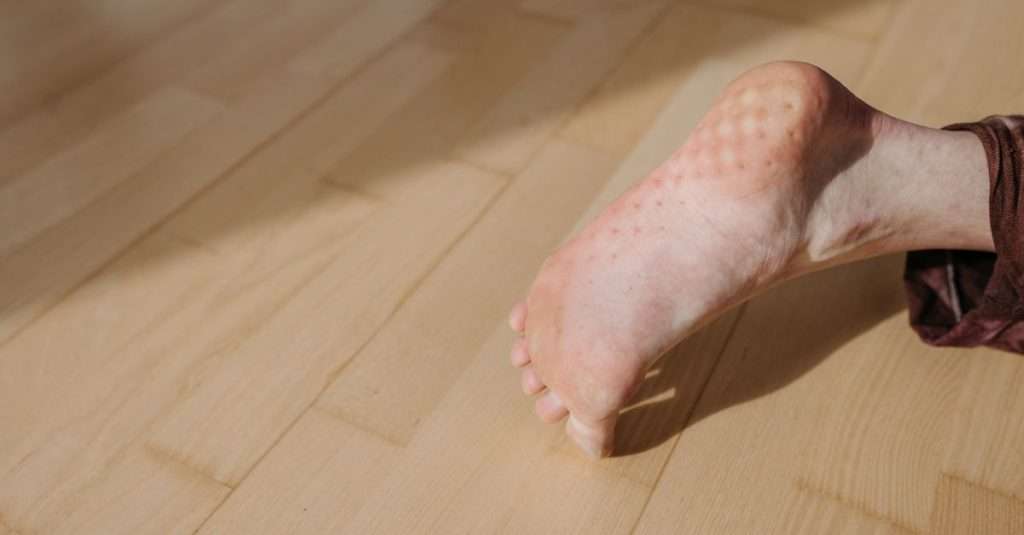
Plantar Fasciitis: The Best Exercises, Do Night Splints Work, and How Long It Really Takes
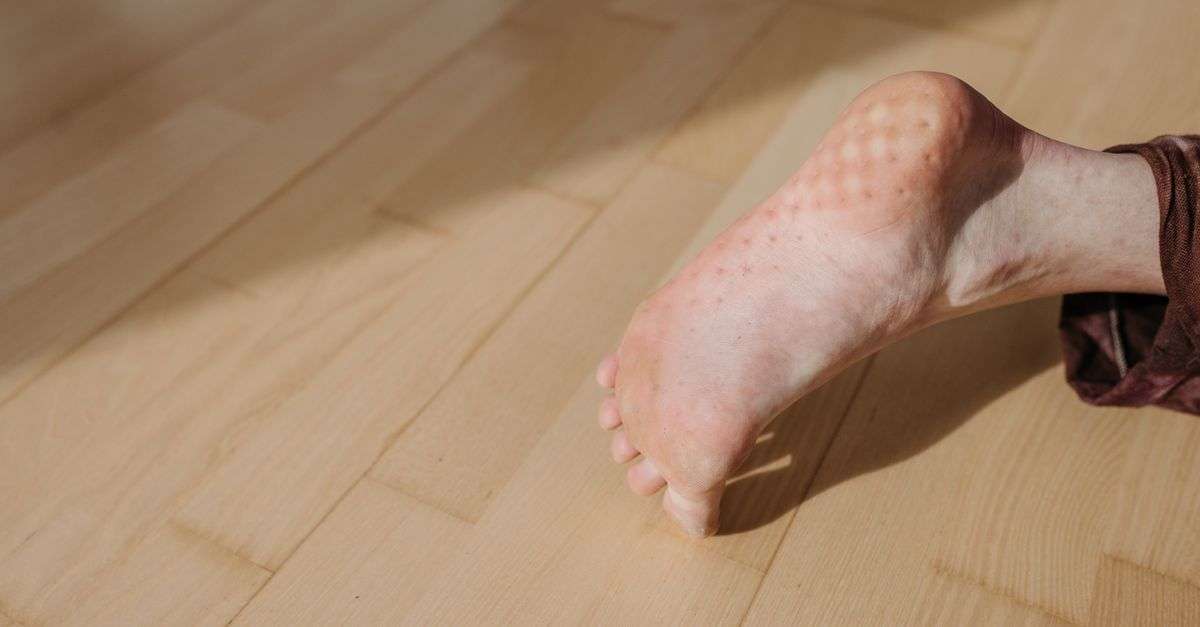
That stabbing pain under your heel with your very first steps in the morning has a name, and it is one of the most common reasons people in Oakville and Mississauga book in for foot pain. Plantar fasciitis affects the thick band of tissue, the plantar fascia, that runs along the bottom of your foot from the heel to the toes. The good news is that the large majority of cases settle with the right loading, stretching and footwear, and very few ever need an injection or surgery.
The frustrating part is the timeline and the mixed advice online. Some sources say a few weeks, others say a year or more. Below we walk through the exercises and stretches with the most evidence behind them, give you a straight answer on whether night splints are worth it, and explain how long plantar fasciitis really takes to settle. None of this replaces a proper assessment, so treat it as a map rather than a personal diagnosis.
Key Takeaways
- The hallmark sign is sharp heel pain with your first steps in the morning or after sitting, which eases as you warm up.
- The strongest evidence is for calf and plantar fascia stretching combined with progressive strengthening, not rest alone.
- Night splints can help people who wake with severe first-step pain, but results are mixed and they work best alongside stretching and good footwear.
- Most cases settle within 6 to 12 months, and stubborn ones may respond to shockwave therapy before any injection or surgery is considered.
What is plantar fasciitis and how do you know you have it?
The plantar fascia is a strong band of tissue that supports the arch of your foot and absorbs load every time you take a step. When it gets overloaded, irritated and a little degenerated at the heel, it becomes painful. It is the most common cause of heel pain in adults.
The classic pattern is sharp, stabbing pain under the inside of the heel that is worst with the first few steps in the morning or after you have been sitting for a while. The pain often eases as you move and warm up, then creeps back after long periods on your feet. We never want you to self-label from a checklist, so if this sounds familiar, an assessment for plantar fasciitis is the cleanest way to confirm what is actually going on and rule out other causes of ankle and foot pain.
Why is plantar fasciitis worse in the morning?
While you sleep, your foot tends to point downward, which lets the plantar fascia and calf shorten and relax overnight. When you stand up, that first big stretch tugs on tissue that has stiffened, which is why the first few steps can feel like a stab under the heel. This is also exactly why the morning routine and night-time strategies below matter so much.
What are the best exercises and stretches for plantar fasciitis?
The most consistent research finding is simple: people who stretch the calf and the plantar fascia report less first-step morning pain and less pain at its worst. More recently, the picture has shifted toward loading the tissue, meaning gentle strengthening that gradually builds the fascia’s tolerance rather than just stretching and resting it.
Here is a sensible daily framework. Start gentle, stay consistent, and never push into sharp pain. A good rule is to keep discomfort low and settle within a few minutes of finishing.
1. Plantar fascia stretch (the morning priority)
- Sit down and cross the sore foot over your opposite knee.
- Pull your toes back toward your shin until you feel a stretch along the arch.
- Hold for 20 to 30 seconds, repeat 3 times, and aim for 3 sessions a day, including before your first steps in the morning.
Doing this before you stand up gives the tissue a head start and can take the edge off that first-step pain.
2. Calf stretches (wall and step)
Tight calves pull on the heel and feed the problem, so calf length matters. Stand facing a wall with the sore leg back, heel down, and lean in until you feel a stretch in the calf. Hold 30 seconds with the knee straight, then repeat with the knee slightly bent to catch the deeper calf muscle. Three rounds, a few times a day.
3. Heel raises and progressive loading
To build tolerance, slow heel raises are the workhorse. Stand on a step with a rolled towel under the toes, rise up slowly over three seconds, then lower over three seconds. Start with both feet, progress to the sore foot only as it allows, and build over weeks. This is where hands-on guidance helps, because the right starting load is very individual.
4. The frozen bottle roll
Rolling the arch over a frozen water bottle for around 10 to 20 minutes can ease pain and gently mobilize the tissue, and it can be done a few times a day. It is a comfort tool, not a cure, so pair it with the stretching and loading above.
“The biggest mistake we see is stretching hard, resting completely, then doing nothing in between. Consistent daily loading beats occasional heroics every time.”
Do night splints work for plantar fasciitis?
A night splint holds your ankle and toes in a gentle upward position while you sleep, so the plantar fascia and calf stay on a light stretch overnight instead of shortening. The idea is that you wake to less of that brutal first-step pain.
The evidence is genuinely mixed, and it is worth being honest about that. Several studies and clinical guidelines support a 1 to 3 month trial of night splints for people whose main problem is severe pain with the first step in the morning, with some trials reporting that around two thirds of users notice meaningful improvement. Other higher-quality comparisons found that adding a splint on top of a good stretching programme made little extra difference. The practical takeaway: night splints are reasonable to trial if mornings are your worst time, they tend to help most when combined with stretching and supportive footwear, and a softer sock-style splint is often easier to tolerate than a rigid boot, which improves the odds you actually keep it on.
What footwear and orthotics actually help?
Footwear is one of the easiest levers to pull, and the wrong shoes can quietly keep the problem going. Look for shoes with genuine arch support, cushioning under the heel and forefoot, and a firm heel counter that stops the foot sliding around. Avoid going barefoot on hard floors and skip flat, unsupportive flip-flops while things are settling.
Inserts add support and can offload the irritated tissue. Many people do well with a good over-the-counter insert, while others benefit from a fitted option. If supportive shoes and store-bought inserts have not been enough, custom orthotics and braces can be molded to your foot to spread load more evenly. We will always start with the simplest option that works rather than upselling you into something you do not need.
How long does plantar fasciitis really take to settle?
This is the question everyone wants answered, and the honest version is that it depends on how long it has been going on and how consistent you are. Many milder cases improve noticeably within 6 to 12 weeks of focused stretching, loading and footwear changes. Across the wider population, most cases resolve within 6 to 12 months, and a smaller group can take up to 18 months to fully settle.
Fewer than one in twenty people end up needing an injection or surgery. The strongest predictor of a faster recovery is not a fancy gadget, it is doing the daily work consistently and getting the loading dose right for your stage. That is exactly the kind of thing a tailored plan is built for.
What helps stubborn plantar fasciitis that will not budge?
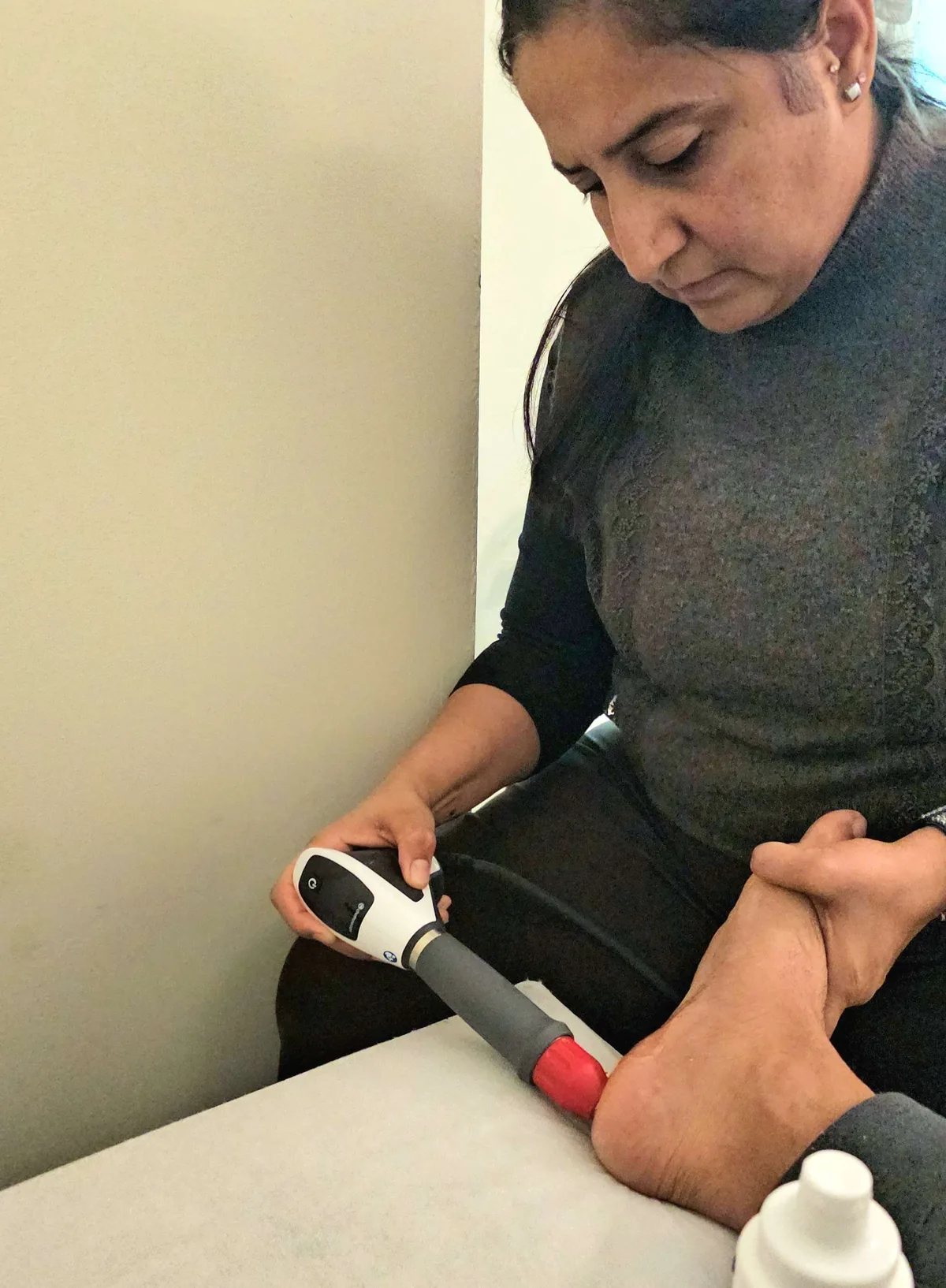
If you have been diligent for several months and the heel still bites, you are not stuck. For chronic, treatment-resistant cases, shockwave therapy is a well-supported next step that stimulates the tissue to repair, with research reporting good outcomes in a large share of stubborn cases that had failed other treatments. It is non-invasive and usually delivered over a few sessions, and it sits well before anyone considers injections or surgery.
When should you see a physiotherapist for heel pain?
A short bout of mild heel pain can settle with sensible footwear and gentle stretching. But it is worth getting assessed if your pain has not improved after a couple of weeks of home care, if it is severe enough to change how you walk, if it wakes you or lingers all day, or if you are not sure it is even plantar fasciitis. Heel pain has several possible sources, and getting the right diagnosis early saves months.
At Wellmax in Oakville, we serve patients across Oakville and Mississauga, and we start with a thorough 60-minute first assessment so we understand your foot, your calf, your footwear and your day, not just the sore spot. Lead physiotherapist Gurmeet Rai brings more than 16 years of experience and a hands-on, manual therapy approach aimed at the root cause. Our goal is a pain-free graduation back to walking, running and standing without thinking about your heel, not an endless string of visits.
Not sure where to start?
Book a free consultation and we will point you to the right care, with no pressure.
Frequently Asked Questions
Should I rest completely or keep moving with plantar fasciitis?+
Complete rest is rarely the answer. The plantar fascia responds best to gentle, progressive loading, so most people do better by modifying activity rather than stopping it entirely. That usually means cutting back on high-impact loading like running on hard ground while keeping up daily stretches and gradual strengthening. A physiotherapist can set the right dose so you stay active without flaring the heel.
What is the single best exercise for plantar fasciitis?+
There is no single magic exercise, but the plantar fascia stretch done before your first morning steps has the most consistent evidence for reducing first-step pain. Pull your toes back toward your shin, hold for 20 to 30 seconds, and repeat three times, three times a day. Pair it with calf stretches and slow heel raises for the best results, since loading and length both matter.
Do night splints really work for everyone?+
No, the evidence is mixed. Night splints help most when your worst pain is that first step in the morning, and some trials show around two thirds of users improve over six to eight weeks. Other studies found little added benefit on top of a solid stretching routine. A one to three month trial is reasonable, and a softer sock-style splint is often easier to wear consistently than a rigid boot.
How long does plantar fasciitis last?+
Milder cases often improve within 6 to 12 weeks of consistent stretching, loading and better footwear. For the wider population, most cases settle within 6 to 12 months, and some stubborn ones take up to 18 months. Fewer than one in twenty people ever need an injection or surgery. The biggest factor in a faster recovery is doing the daily work consistently at the right load.
Why does my heel hurt most in the morning?+
While you sleep, your foot tends to point downward, letting the plantar fascia and calf shorten overnight. When you stand, that first stretch pulls hard on stiffened tissue, which feels like a stab under the heel. The pain usually eases as you warm up. A gentle stretch before your first steps and, for some people, a night splint can take the edge off that first-step pain.
What shoes are best for plantar fasciitis?+
Look for shoes with real arch support, good cushioning under the heel and forefoot, and a firm heel counter that holds the foot stable. Avoid walking barefoot on hard floors and skip flat, flimsy flip-flops while symptoms are settling. A supportive insert, either over-the-counter or a custom orthotic, can add helpful offloading if shoes alone are not enough.
Does shockwave therapy help plantar fasciitis?+
It can, especially for chronic cases that have not responded to several months of stretching, loading and footwear changes. Shockwave therapy is non-invasive and stimulates the tissue to repair, with research reporting good outcomes in a large share of stubborn cases that had failed other treatments. It is a sensible step to try before considering injections or surgery, and it is best guided by a thorough assessment.
Can I treat plantar fasciitis at home or do I need physiotherapy?+
Mild, recent heel pain often settles with supportive shoes, daily stretching and gentle loading at home. See a physiotherapist if your pain has not improved after a couple of weeks, if it changes how you walk, if it lingers all day, or if you are unsure it is plantar fasciitis. An assessment confirms the cause and sets the right loading plan so you avoid months of trial and error.
You Might Also Like

Gurmeet Rai, Registered Physiotherapist
Gurmeet is a Registered Physiotherapist with the College of Physiotherapists of Ontario and the Clinic Director and co-owner of Wellmax Physiotherapy in Oakville, with 16+ years of clinical experience. She focuses on complex, stubborn cases where earlier treatment has not worked, with advanced training in pelvic health, TMJ, vestibular, and sports and MSK rehab. Expect expert care from assessment to discharge, with honest guidance along the way. Read Gurmeet’s full profile or meet the team.
This article is for educational purposes only and does not replace a professional clinical assessment. Every body and condition is different. If you are experiencing pain or symptoms, book an assessment with a qualified clinician for advice specific to your situation. If you are experiencing a medical emergency, call 911 or visit your nearest emergency department.
