

How Long Does Tennis Elbow Take to Heal? (And Why It Lingers)

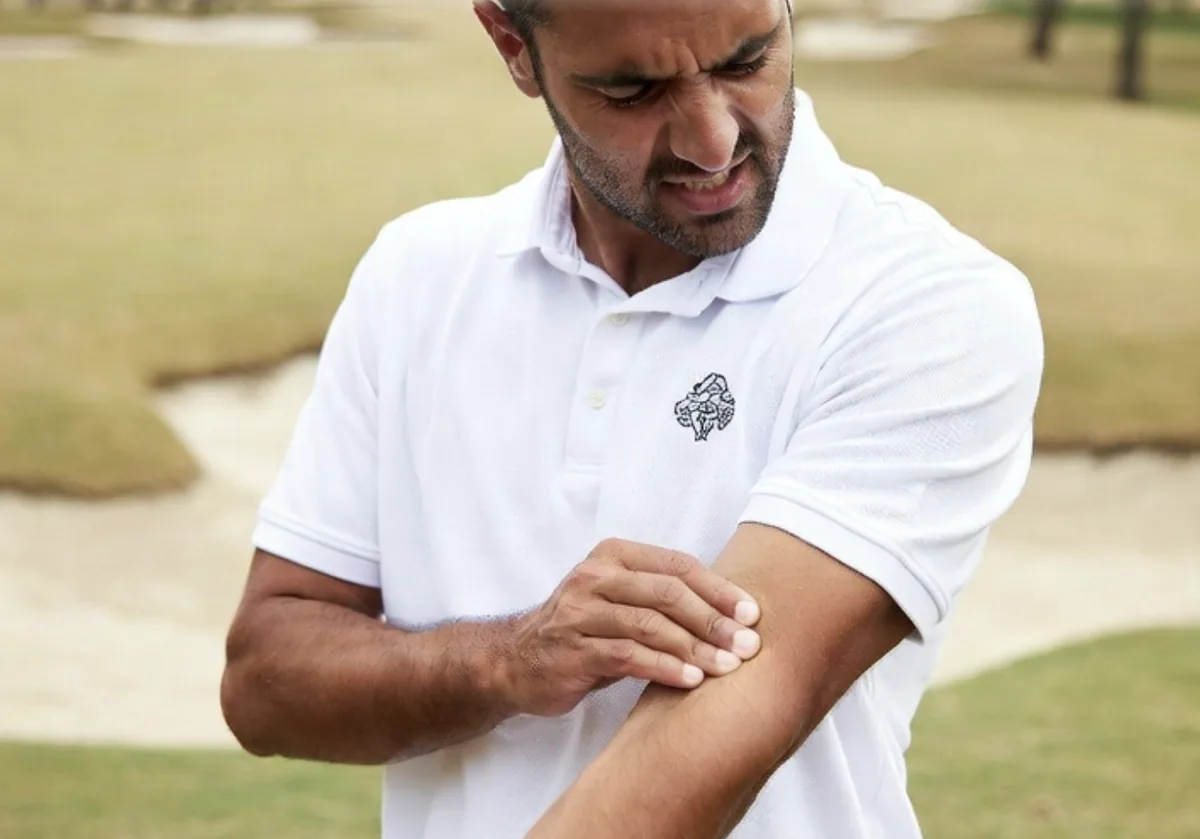
You reach for a kettle, shake someone’s hand, or grip a steering wheel, and a sharp ache flares on the outer side of your elbow. That is the classic signature of tennis elbow, and the first question almost everyone asks is the same one: how long is this going to last?
The honest answer is that tennis elbow usually settles in a matter of weeks to a few months, but it can drag on far longer when it is managed the wrong way. This guide explains why it lingers, what a realistic timeline looks like, and the kind of tennis elbow treatment in Oakville that actually moves the needle.
Key Takeaways
- Tennis elbow is a tendon-load problem, not a true inflammation, so anti-inflammatory rest alone rarely fixes it.
- Most cases improve in roughly 6 to 12 weeks with the right plan, though stubborn cases can take 6 to 12 months.
- Progressive loading exercises are the single most evidence-backed treatment, often paired with hands-on manual therapy and, when needed, shockwave.
- You do not have to play tennis to get it. Gripping, lifting, and repetitive desk or trade work are far more common triggers.
What Is Tennis Elbow, Really?
Tennis elbow has a more accurate medical name: lateral epicondylalgia. It describes pain and tenderness on the bony bump on the outside of your elbow, where the tendons of your forearm extensor muscles anchor to the bone.
For years it was called lateral epicondylitis, with the “itis” suggesting inflammation. We now know that is misleading. Under a microscope, the tendon in long-standing cases shows disorganised, degenerated tissue rather than the angry inflammatory cells you would expect. In other words, the tendon has not been irritated so much as overloaded and under-recovered.
That single fact changes everything about how it should be treated. If the problem were pure inflammation, rest and anti-inflammatories would solve it. Because it is really a load-tolerance problem in the tendon, the tendon usually needs to be carefully reloaded to recover its strength and capacity.
How Long Does Tennis Elbow Take to Heal?
Here is the realistic picture, based on what the research consistently shows.
With a well-structured plan, many people feel meaningfully better within 6 to 12 weeks. The early weeks are about calming the pain and protecting the tendon from spikes in load. The later weeks are about rebuilding strength so the elbow can handle daily life again without flaring.
Left largely to its own devices, tennis elbow still tends to improve in 80 to 90 percent of people, but that natural recovery can take 6 to 12 months, and sometimes one to two years. That is a long time to live with a painful grip, and it is exactly why a guided approach matters.
What Makes One Person Heal Faster Than Another?
Several things tip the scale. How long you have had it matters, because a tendon irritated for a few weeks usually responds faster than one that has been sore for a year. So does daily load. If your job or sport keeps hammering the tendon with heavy gripping, recovery stalls. Sleep, general health, and how consistently you do your exercises all play a role too.
Why Does Tennis Elbow Linger for So Long?
Most lingering cases come down to a mismatch between the demand on the tendon and what the tendon can currently tolerate. A few patterns show up again and again.
The first is complete rest. It feels logical to stop using a sore arm, but a tendon that is never loaded loses capacity and becomes even less able to handle normal life. When you return to your usual activities, it flares straight away, and the cycle repeats.
The second is the boom-and-bust pattern. People feel a bit better, do a big day of gripping or lifting, set themselves back, then rest again. The tendon never gets a steady, progressive signal to adapt.
The third is treating the symptom and ignoring the cause. Bracing or a cortisone shot can dull the pain for a while, but if the underlying load, grip strength, and forearm mechanics are never addressed, the pain tends to return.
“A tendon that is never loaded does not get a chance to rebuild. The goal is not to avoid the elbow forever, it is to retrain it to handle load again.”
Do You Have to Play Tennis to Get Tennis Elbow?
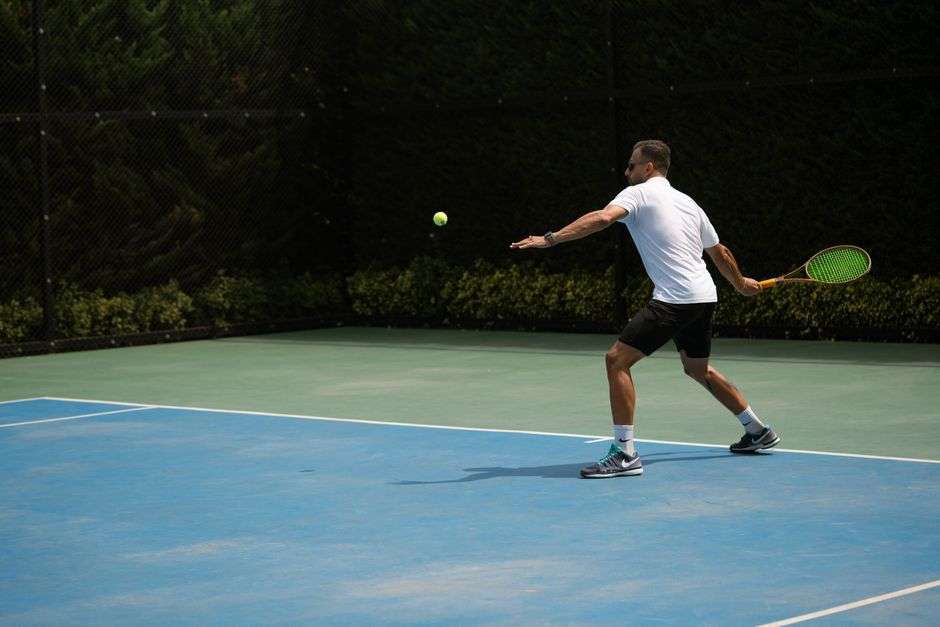
Not at all. The name is a historical accident. The vast majority of people we see with this problem have never picked up a racquet.
It shows up in tradespeople who grip tools all day, office workers using a mouse for hours, new parents lifting a car seat, gym-goers who ramped up pulling exercises too quickly, and gardeners after a heavy weekend. Anything that involves repeated or forceful gripping, especially with the wrist bent back, can overload the same tendon.
It is also worth knowing that pain on the inner side of the elbow is a different but related problem, often called golfer’s elbow. The two can be confused, which is one reason a proper assessment matters before you start treating yourself for the wrong thing.
What Actually Works for Tennis Elbow Treatment?
The most effective plans share a clear logic. First settle the pain, then rebuild the tendon, then return to full activity without flaring. Here is what that looks like in practice.
Progressive Loading and Eccentric Exercise
This is the cornerstone, and it is the part rest alone can never replace. Eccentric wrist extensions, where you slowly lower a light weight while the muscle lengthens, are the single most evidence-backed exercise for this condition. Done correctly and progressed over time, loading exercises retrain the tendon to tolerate force again.
The key word is progressive. You start at a level that does not badly aggravate the elbow, then gradually add load as the tendon adapts. This is exactly where guidance helps, because too little does nothing and too much sets you back.
Hands-On Manual Therapy
Targeted soft tissue work and joint mobilisation around the elbow, forearm, and wrist can reduce pain and improve how the area moves, which makes the loading exercises more tolerable. At Wellmax we lean heavily on this because addressing the surrounding muscles and joints, not just the sore spot, tends to speed things up and reduce flare-ups.
Shockwave Therapy for Stubborn Cases
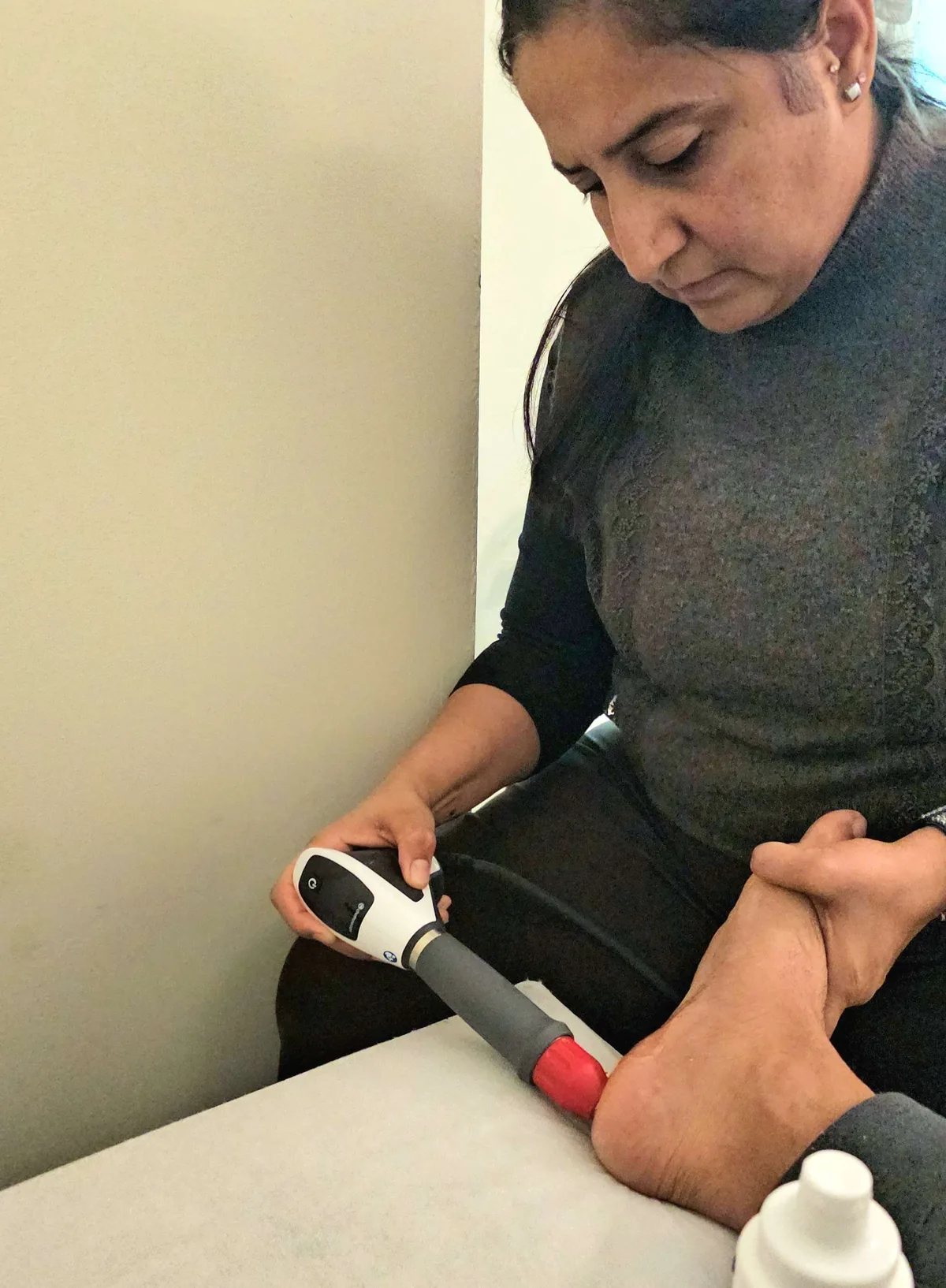
When tennis elbow has dragged on for months and is not responding to loading alone, shockwave therapy can be a useful add-on. It delivers focused pulses of energy to the tendon to stimulate blood flow and a fresh healing response in tissue that has stalled. Research suggests that by around three months, shockwave can outperform a cortisone injection for pain and grip strength, while avoiding the rebound effect injections can have. It works best alongside exercise, not instead of it.
Bracing and Grip Strategy
A counterforce strap or brace can take the edge off the tendon during aggravating tasks, and it is helpful as a short-term support. On its own it is a crutch, not a cure. The bigger wins come from improving grip mechanics, spacing out heavy tasks, and rebuilding forearm strength so the tendon needs the brace less and less over time.
What Should You Avoid While It Heals?
Two extremes cause the most trouble. Avoid the temptation to completely shut the arm down for weeks, because that deconditions the tendon. Also avoid pushing through sharp, lingering pain during heavy gripping, because that keeps re-injuring it.
A simple rule of thumb many people find useful is that a mild ache that settles quickly after exercise is usually acceptable, while sharp pain that lingers into the next day is a sign you have done too much. That said, this is general information, not a diagnosis. Pain that is severe, came on after a fall, or comes with numbness, tingling, or weakness deserves a proper in-person assessment rather than self-management.
How Wellmax Approaches Tennis Elbow
At Wellmax Physiotherapy in Oakville and Mississauga, we start with a thorough 60-minute assessment. That time matters, because it lets us confirm what is actually driving your pain, check the wrist, forearm, and shoulder for contributing factors, and rule out look-alike problems before building your plan.
From there you get a clear, staged program that blends hands-on manual therapy with a progressive loading plan built for your specific arm and your specific demands, whether that is swinging a hammer, typing all day, or lifting a toddler. Where a tendon has stalled, we may add shockwave. Throughout, our aim is root-cause recovery and graduation, getting you strong and independent, not booking you in forever.
If your symptoms are not clearly the lateral side, or you are simply not sure what you are dealing with, our broader elbow pain physiotherapy assessment is a good starting point. Our clinic director, Gurmeet Rai, brings more than 16 years of experience to making sure your plan fits your life.
Not sure where to start?
Book a free consultation and we will point you to the right care, with no pressure.
Frequently Asked Questions
How long does tennis elbow take to heal?+
With a well-structured loading and manual therapy plan, many people feel substantially better within 6 to 12 weeks. More stubborn cases can take 6 to 12 months, and occasionally up to one to two years if the tendon is repeatedly overloaded or simply left to rest. The single biggest factor in your timeline is how the tendon is loaded and progressed along the way, which is where guided care speeds things up.
Is tennis elbow actually inflammation?+
Usually not, despite the old name lateral epicondylitis. In long-standing cases the tendon shows degenerated, disorganised tissue rather than classic inflammatory cells. That is why anti-inflammatory rest alone rarely fixes it. The tendon is overloaded and under-recovered, so the most effective approach is to calm the pain and then gradually reload the tendon to rebuild its strength and tolerance.
Will tennis elbow heal on its own if I just rest it?+
Many cases do improve eventually, with 80 to 90 percent resolving without surgery. But pure rest is one of the slowest routes, because a tendon that is never loaded loses capacity and tends to flare the moment you return to normal activity. A progressive loading program retrains the tendon to handle force again, which usually means a faster, more durable recovery than waiting it out.
What are the best exercises for tennis elbow?+
Progressive loading exercises are the most evidence-backed treatment, with eccentric wrist extensions, slowly lowering a light weight while the muscle lengthens, leading the way. Grip and forearm strengthening are usually added as the tendon improves. The catch is dosage: too little does nothing and too much sets you back. A physiotherapist can set your starting load and progress it safely, which is why a tailored plan tends to outperform generic online routines.
Does shockwave therapy work for tennis elbow?+
For stubborn cases that have not responded to exercise alone, shockwave therapy can help by stimulating blood flow and a fresh healing response in stalled tendon tissue. Research suggests that by around three months it can outperform a cortisone injection for pain and grip strength, without the rebound some injections cause. It works best as an add-on alongside a loading program rather than as a standalone fix.
Should I wear a brace for tennis elbow?+
A counterforce strap or brace can reduce strain on the tendon during aggravating tasks and is a useful short-term support. On its own, though, it manages the symptom rather than the cause. The lasting improvements come from rebuilding forearm and grip strength and adjusting how you load the arm, so that over time you rely on the brace less and less. Think of it as a helper, not a cure.
Can you get tennis elbow without playing tennis?+
Absolutely. Most people we treat have never played tennis. It commonly shows up in tradespeople, office workers using a mouse for long hours, new parents lifting car seats, gardeners, and gym-goers who increased pulling exercises too quickly. Any repeated or forceful gripping, especially with the wrist bent back, can overload the same forearm tendon, which is why the condition is so common in everyday life.
When should I see a physiotherapist for elbow pain?+
It is worth getting assessed if your elbow pain has lasted more than a couple of weeks, keeps coming back, or interferes with work, sport, or sleep. You should seek an in-person assessment sooner if the pain is severe, followed a fall or injury, or comes with numbness, tingling, or weakness. A 60-minute assessment confirms what is driving the pain and rules out look-alike problems before you start the wrong treatment.
You Might Also Like

Gurmeet Rai, Registered Physiotherapist
Gurmeet is a Registered Physiotherapist with the College of Physiotherapists of Ontario and the Clinic Director and co-owner of Wellmax Physiotherapy in Oakville, with 16+ years of clinical experience. She focuses on complex, stubborn cases where earlier treatment has not worked, with advanced training in pelvic health, TMJ, vestibular, and sports and MSK rehab. Expect expert care from assessment to discharge, with honest guidance along the way. Read Gurmeet’s full profile or meet the team.
This article is for educational purposes only and does not replace a professional clinical assessment. Every body and condition is different. If you are experiencing pain or symptoms, book an assessment with a qualified clinician for advice specific to your situation. If you are experiencing a medical emergency, call 911 or visit your nearest emergency department.
