
Chronic Back and Hip Pain: How an Erin Mills Patient Found the Root Cause

Chronic back and hip pain wears people down in a way that a fresh injury does not. It is the ache that has been there for months or years, that you have half-accepted as normal, and that has quietly shrunk what you are willing to do. We see a lot of it at Wellmax Physiotherapy in Oakville, especially from the desk workers, commuters and busy families of Erin Mills and the wider Mississauga area.
This is a real recovery story from one of our patients, shared here as a case study. Every body is different, so please read it as an example of how we work, not a promise of a specific result. Names and identifying details have been left out.
Key Takeaways
- Chronic back and hip pain that has not responded elsewhere is often a case of the wrong problem being treated, not an untreatable one.
- Passive treatments alone, like machines, massage guns and heat, can feel good briefly but rarely fix the underlying driver.
- A detailed look at how you actually move, followed by hands-on manual therapy and the right exercises, is what finds and fixes the root cause.
- Wellmax is a short drive from Erin Mills, with no referral needed and direct billing.
What makes back and hip pain “chronic”?
Pain is usually called chronic once it has stuck around beyond the normal healing time, often past three months. By then it is rarely about fresh tissue damage. It is more about how the area is loaded, how the surrounding muscles and joints are sharing the work, and habits built up over months of moving around the pain.
That is actually good news. A problem of movement and load is a problem you can change, which is why so many people who have been told to just live with it turn out to be very treatable.
Why do machines and massage guns often not fix it?
Passive treatments have their place, but on their own they tend to chase the symptom rather than the cause. A machine, a massage gun or a heat pack can calm an angry area for a few hours, which feels like progress, but if the reason that area was overworked in the first place has not changed, the pain simply comes back.
This is the trap a lot of people get stuck in: a cycle of temporary relief that never adds up to lasting change, because nothing is looking at why the problem keeps happening.
What did this patient try before Wellmax?
This patient had been dealing with severe chronic back and hip pain for a long time and had tried physical therapy at several different places. Most of them leaned on machines, massage guns and heat or cold, and while some of it felt good in the moment, no one had ever managed to pinpoint the real problem.
They arrived at Wellmax understandably a little worn out by the process, not sure whether another clinic would be any different.
What did we do differently?
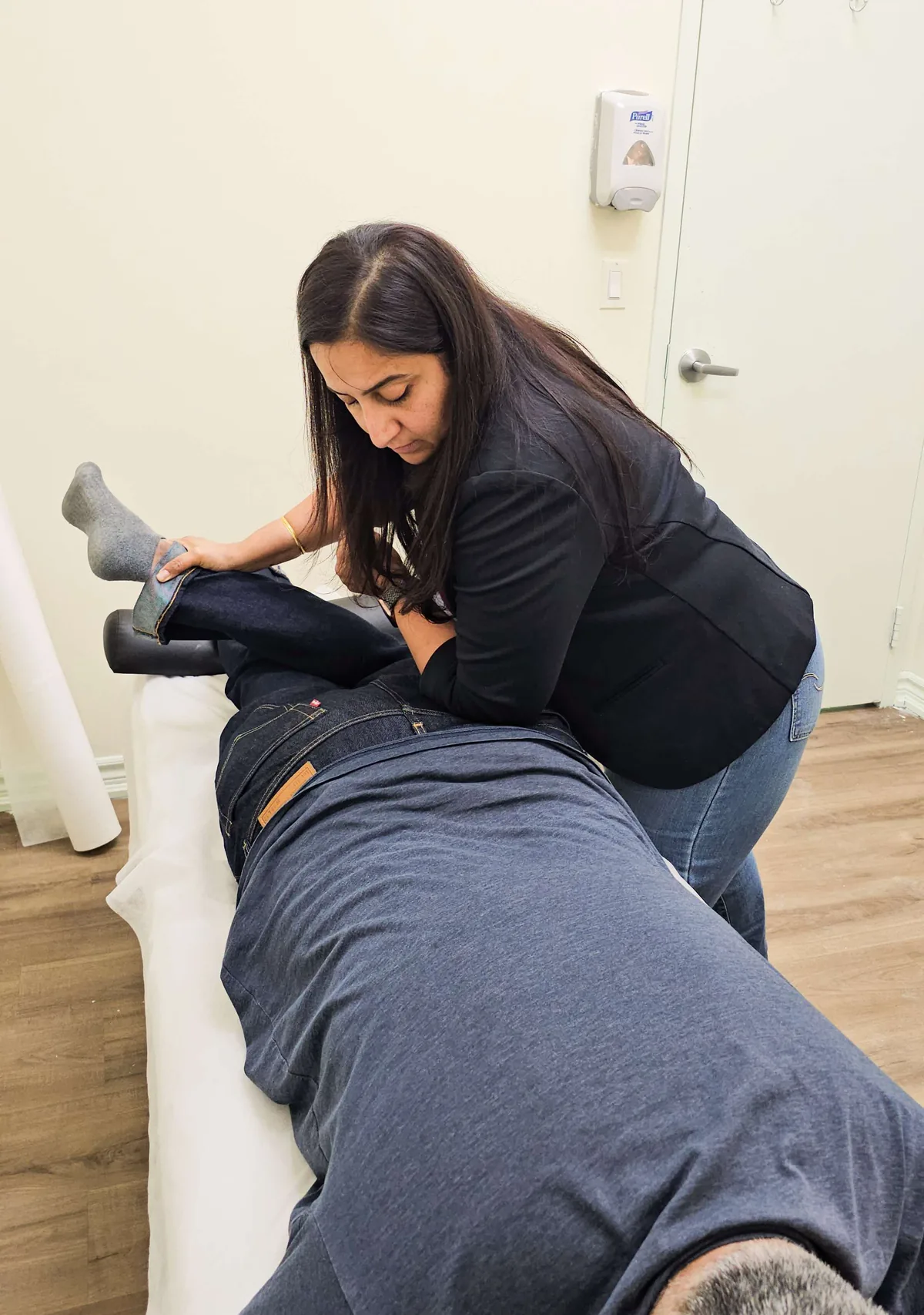
The turning point was the assessment. Rather than going straight to treatment, the physiotherapist did a detailed analysis of how the patient walked and moved, and where the pain actually came from under load. That is how you separate the spot that hurts from the thing causing it, which are often not the same place.
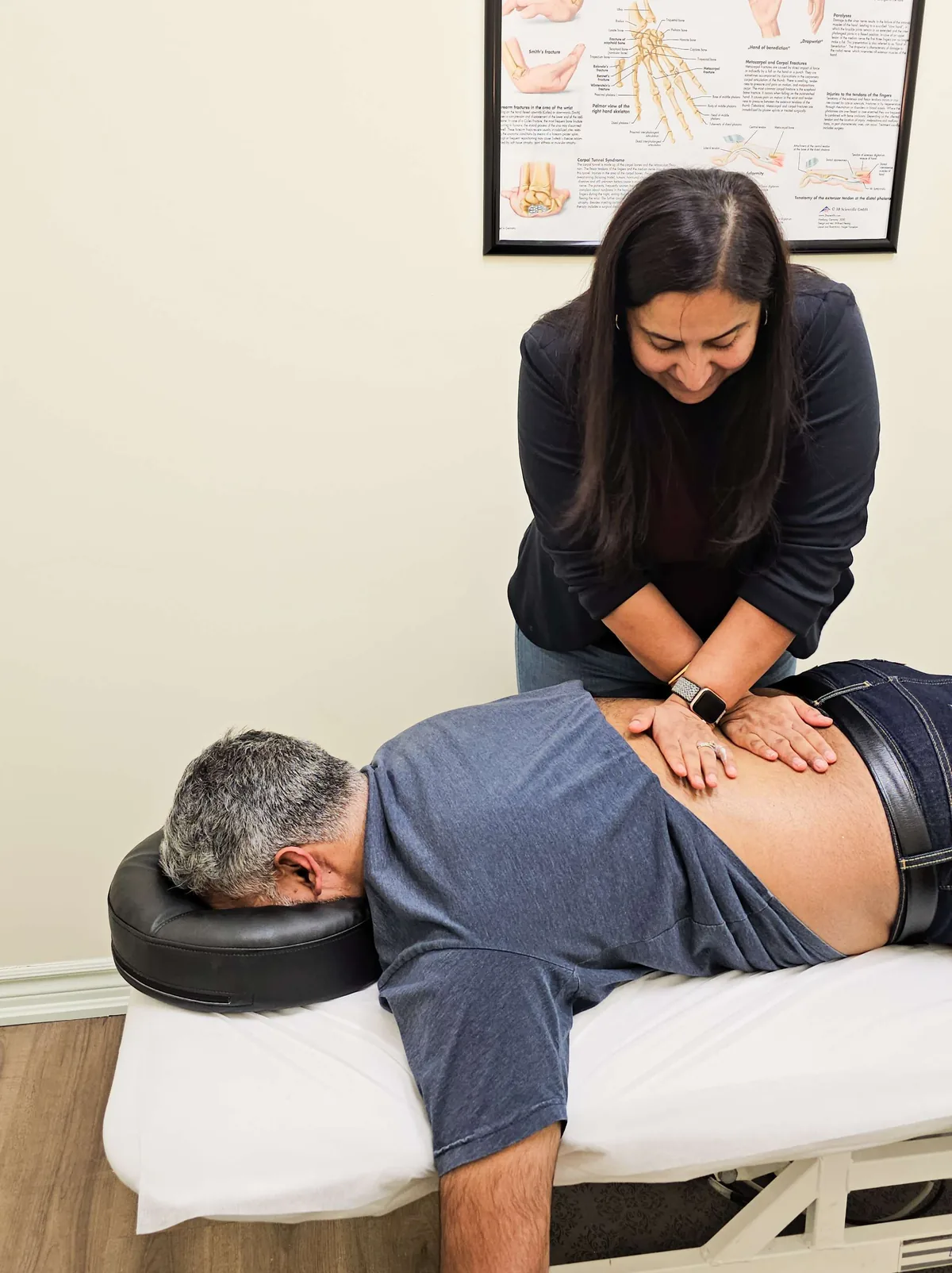
From there the focus was hands-on manual therapy, targeted at what the assessment had found, paired with a small set of simple, practical exercises to reinforce the changes. This is the same root-cause approach our lead physiotherapist Gurmeet Rai has used across more than 16 years of practice.
“The relief and improvement I felt were something I had not experienced in years.”
What did the treatment plan involve?
The plan was deliberately not a long list of machines. It combined regular hands-on manual therapy to restore movement and settle the overworked areas with a short, doable home program that kept the progress going between visits.
Because the exercises were simple and practical, they actually got done, which matters far more than a complicated routine that sits ignored. As the patient improved, the plan was adjusted, with expert care from assessment to discharge, so nothing had to be restarted.
Why does finding the root cause matter?
When you treat the cause rather than the symptom, the relief tends to hold instead of fading by the next morning. For this patient, that meant an improvement they had not felt in years, and a sense that they were finally getting the right treatment instead of another round of temporary fixes.
It also changes the goal. The aim at Wellmax is a pain-free graduation, where you have the strength and the understanding to keep the problem away, not an endless schedule of appointments.
How do you keep chronic back and hip pain from coming back?
The relief is only half the goal. The other half is making sure it lasts. Once the root cause is addressed, a short, specific strength and mobility routine keeps the area resilient, so the pain does not creep back the next time life gets busy or you spend a long week at the desk.
Just as important is understanding your own body. When you know which movements and habits tend to wind your pain up, and which ones settle it down, you can manage the occasional flare yourself instead of ending up back at square one. That understanding is part of what we send every patient home with, and it is what a pain-free graduation really means. It is also why the exercises we prescribe are kept simple and specific, because a routine you will actually keep doing protects you far better than a complicated one that gets abandoned after a week.
Why does a clinic close to home matter?
Chronic pain rehabilitation takes a series of visits, so a clinic you can easily reach is a clinic where you finish the plan. Wellmax sits right at Winston Churchill Blvd and the QEW, a straight run down from most of Erin Mills along Winston Churchill or Erin Mills Parkway, often closer than clinics deeper inside the city. There is free parking at the door and evening and weekend-morning appointments.
What should you do if you have chronic back or hip pain in Erin Mills or Oakville?
If you have been through machines and massage guns without lasting change, the missing piece is usually a proper assessment of the root cause. That is where we start. You can read more about our approach to back pain and sciatica and hip pain, or explore our hands-on physiotherapy in general.
You do not need a referral to start physiotherapy in Ontario, and we direct bill most major insurers, so getting assessed is straightforward.
Not sure where to start?
Book a free consultation and we will point you to the right care, with no pressure.
Frequently Asked Questions
Why does my back and hip pain keep coming back?+
Recurring pain usually means the underlying driver has not been addressed, only the symptom. If treatment only ever calms the sore area without changing how you load and move, the problem returns once the effect wears off. A detailed assessment can find what keeps re-triggering it, whether that is strength, movement habits or how your back and hip share the load, so it can actually be fixed rather than repeatedly soothed.
Can physiotherapy fix chronic pain, or just manage it?+
For a great many people, chronic back and hip pain genuinely improves rather than just being managed. Because long-standing pain is often about movement and load rather than ongoing damage, changing those things can produce lasting relief. It is not guaranteed for everyone, but many people who were told to live with it respond very well once the true driver is found and treated.
Is it my back or my hip causing the pain?+
They are closely linked, and pain in one often comes from the other, which is exactly why a proper assessment matters. Hip stiffness can load the lower back, and back problems can refer pain into the hip and buttock. Rather than guessing, a physiotherapist assesses how the whole area moves under load to find where the pain is truly coming from, then treats that source.
Do machines and massage guns work for back pain?+
They can provide short-term relief and have their place as part of a plan, but on their own they rarely fix chronic pain because they target the symptom, not the cause. If your relief only lasts a few hours before the pain returns, that is a sign the underlying driver still needs to be found and addressed with hands-on treatment and the right exercises.
How many sessions will I need for chronic back and hip pain?+
It varies with how long the problem has been there and what is driving it, and your therapist can give you a realistic range after the first assessment. The goal at Wellmax is a pain-free graduation, where you have the strength and understanding to keep the problem away, rather than an open-ended schedule of visits. Many people notice meaningful change within the first few weeks.
Do I need a referral, and do you direct bill?+
No referral is needed. In Ontario you can see a physiotherapist directly, so you can book and start right away. Some insurance plans ask for a referral before they reimburse, so it is worth checking your plan, but it is never required to be assessed and treated at Wellmax. We also direct bill most major insurers, so in most cases you rarely pay upfront.
How far is Wellmax from Erin Mills?+
From most of Erin Mills it is roughly a 12 to 18 minute drive down Winston Churchill Blvd or Erin Mills Parkway to the QEW, and from the southern end it can be under 10 minutes. Because we sit right on the Mississauga and Oakville border, we are often closer than clinics deeper inside the city, with free parking at the door.
Should I rest or keep moving with chronic back pain?+
For most long-standing back pain, staying gently active is better than resting up. Prolonged rest tends to leave the area stiffer and weaker, while the right kind of movement helps. That said, the best movements depend on what is driving your pain, so an assessment helps you load it in a way that helps rather than aggravates. If you have red flags like numbness or loss of function, get it checked promptly.
You Might Also Like


Gurmeet Rai, Registered Physiotherapist
Gurmeet is a Registered Physiotherapist with the College of Physiotherapists of Ontario and the Clinic Director and co-owner of Wellmax Physiotherapy in Oakville, with 16+ years of clinical experience. She focuses on complex, stubborn cases where earlier treatment has not worked, with advanced training in pelvic health, TMJ, vestibular, and sports and MSK rehab. Expect expert care from assessment to discharge, with honest guidance along the way. Read Gurmeet’s full profile or meet the team.
This article is for educational purposes only and does not replace a professional clinical assessment. Every body and condition is different. If you are experiencing pain or symptoms, book an assessment with a qualified clinician for advice specific to your situation. If you are experiencing a medical emergency, call 911 or visit your nearest emergency department.
