
Back pain is one of the most common reasons people seek physiotherapy, whether it’s from prolonged sitting, poor posture, sports injuries, or post-surgical recovery. While pain medications may offer temporary relief, physiotherapy focuses on addressing the root contentious causes through movement, strengthening, and education.
At Wellmax Physiotherapy in Oakville, we use evidence-based physiotherapy exercises to reduce pain, improve mobility, and restore function. Below are some commonly recommended physiotherapy exercises that may help relieve back pain when performed correctly and consistently.
Quick answer: For most everyday back pain, the safest place to start is gentle mobility (child's pose, cat-cow, knee to chest), then core work (pelvic tilts, bird dog, dead bug), then glute strengthening (bridges). Do 5 to 10 repetitions, 2 to 3 times a week, keep any discomfort mild, and get assessed if the pain is spreading, worsening or has lasted more than two weeks.
Important note: These exercises are general recommendations. Back pain can have many causes. If your pain is severe, worsening, or accompanied by numbness, tingling, or weakness, consult a registered physiotherapist before starting any exercise program.
Gentle Mobility & Stretching Exercises
Here are our Top Physiotherapy Exercises for Back Pain Relief in Oakville. Perform them 2-3 times a week, starting with 5-10 repetitions per exercise. Use a mat for comfort, and breathe steadily, inhale to prepare, exhale during effort. If you’re new to this, consider booking a session at Wellmax Physiotherapy for guided instruction.
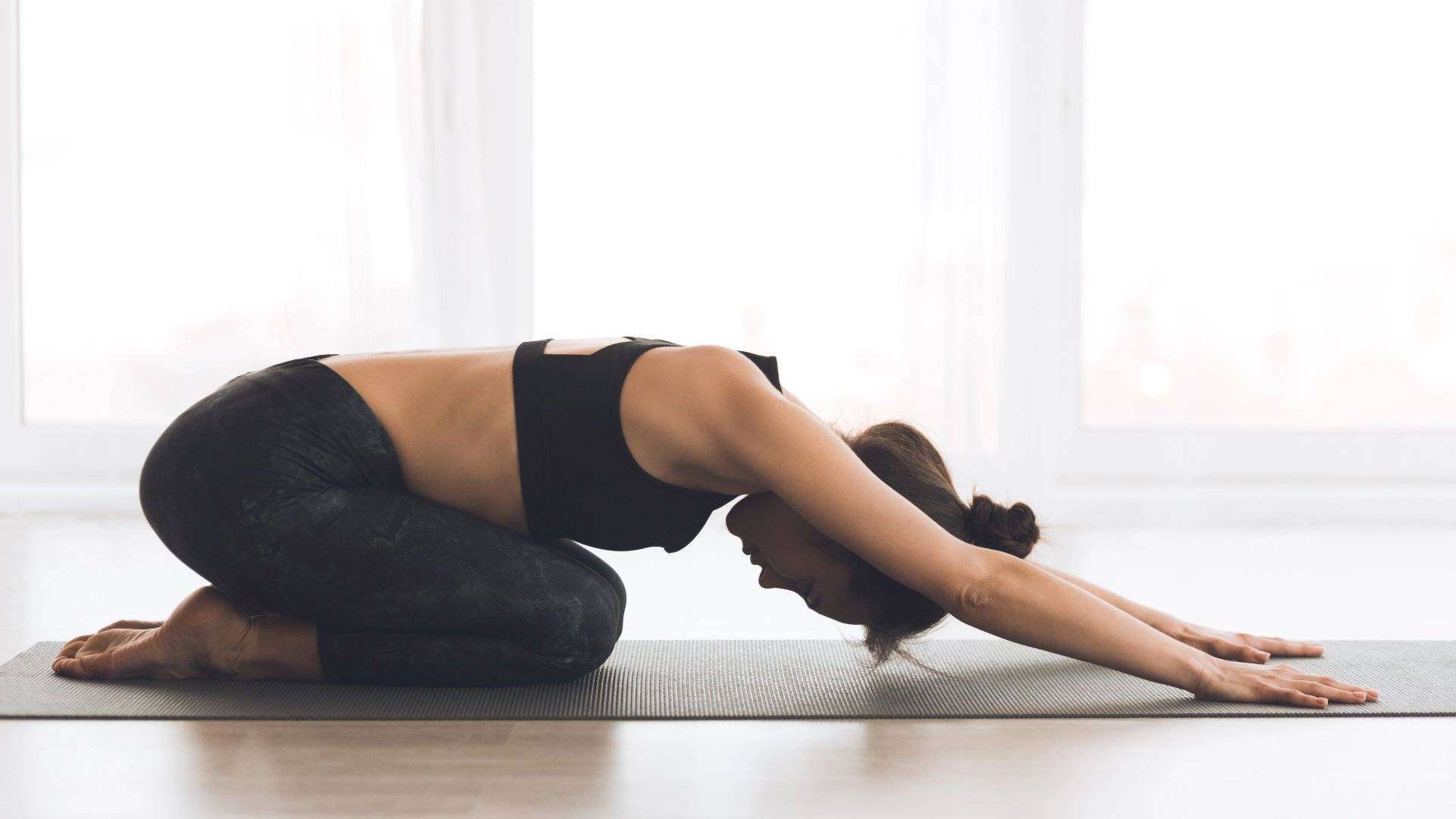
1. Child’s Pose: Gentle Stretch for Lower Back Release
- How to Do It: Kneel on a mat with your big toes touching and knees spread wide. Sit back on your heels, then fold forward, extending your arms in front. Rest your forehead on the floor and hold for 20-30 seconds. Repeat 3-5 times.
- Benefits: Stretches the spine, hips, and glutes, reducing stress on the lower back.
2. Cat-Cow Pose: Improve Spinal Mobility
A dynamic stretch that alternates between arching and rounding the back, promoting flexibility.
- How to Do It: Start on all fours with hands under shoulders and knees under hips. Inhale, arch your back (cow pose), lifting your head and tailbone. Exhale, round your spine (cat pose), tucking your chin. Alternate for 10 cycles.
- Benefits: Enhances spinal range of motion and eases stiffness.
3. Knee-to-Chest Stretch: Target Lower Back and Hips
This passive stretch feels incredible for low back relief.
- How to Do It: Lie on your back with knees bent. Pull one knee toward your chest, holding for 20 seconds. Switch sides and repeat 3 times each.
- Benefits: Decompresses the spine and stretches the glutes.
Core Stability & Back Support Exercises
A strong core supports the spine and helps prevent recurring back pain.
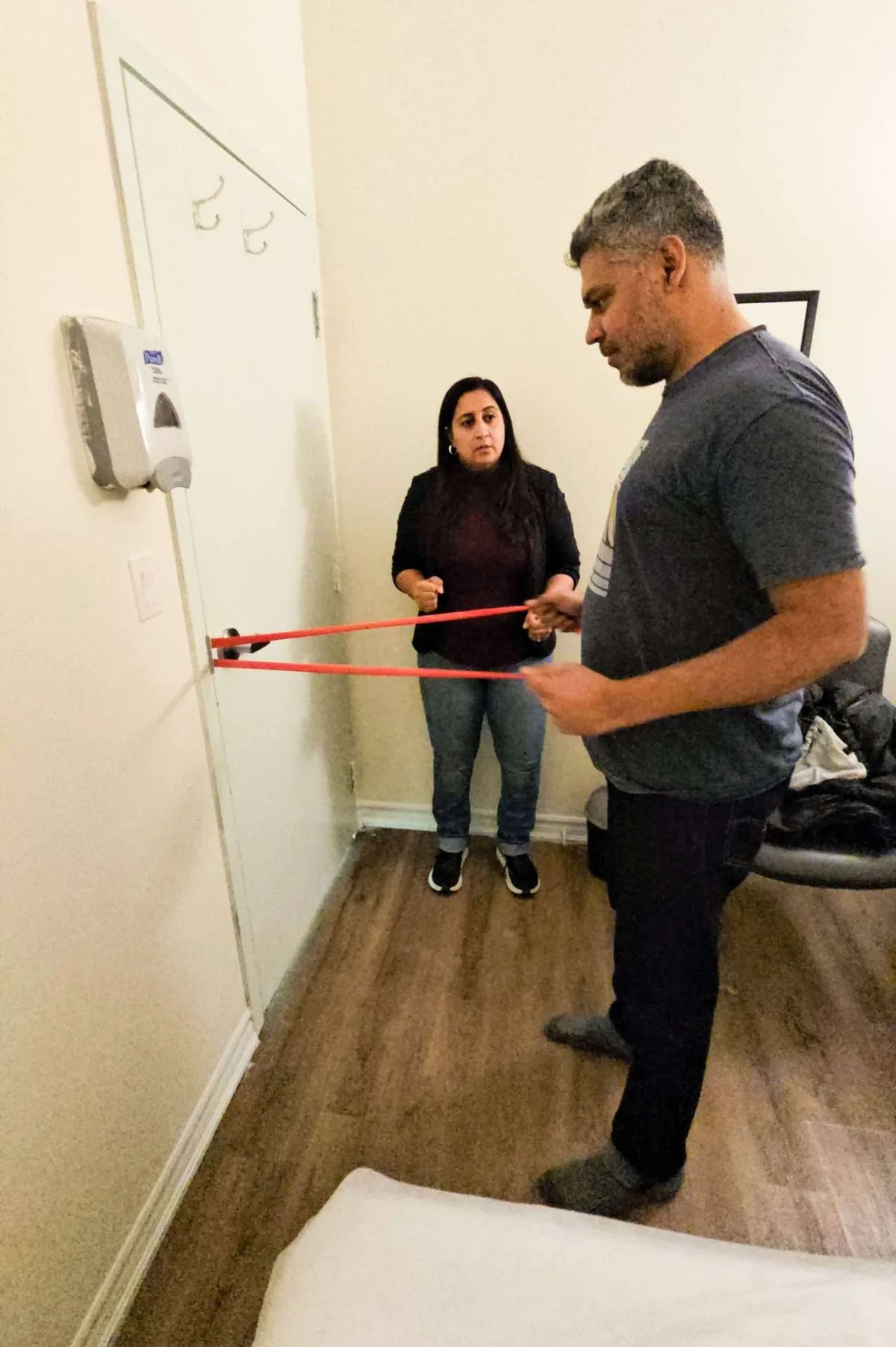
4. Bird Dog: Build Core Stability
Strengthens the core and back muscles for better support.
- How to Do It: On all fours, extend your right arm forward and left leg back, keeping your body level. Hold for 5 seconds, then switch. Do 10 reps per side.
- Benefits: Improves balance and endurance.
5. Pelvic Tilts: Activate Abdominal Muscles
A foundational exercise for core activation.
- How to Do It: Lie on your back with knees bent. Tighten your abs to tilt your pelvis upward, flattening your lower back against the floor. Hold for 5 seconds, repeat 10 times.
- Benefits: Strengthens the transverse abdominis.
6. Dead Bug: Core Stabilization Without Strain
A safe way to engage the core while protecting the back.
- How to Do It: Lie on your back, arms extended up, knees bent at 90 degrees. Lower opposite arm and leg toward the floor without arching your back. Return and switch. 10 reps per side.
- Benefits: Enhances core stability and body control, crucial for back pain prevention.
- Precautions: Press your lower back into the floor.
Strengthening Exercises for Long-Term Back Health
These exercises target supporting muscle groups that reduce strain on the spine.
7. Bridge Pose: Strengthen Glutes and Back
- How to Do It: Lie on your back, knees bent, feet flat. Lift your hips toward the ceiling, squeezing your glutes. Hold for 5-10 seconds, lower slowly. Repeat 10 times.
- Benefits: Builds glute strength, which helps offload the lower back.
8. Donkey Kicks: Glute and Hip Focus
Strengthens the glutes and improves hip stability.
- How to Do It: On all fours, lift one leg back and up, keeping the knee bent. Lower without touching the floor. 10-15 reps per side.
- Benefits: Reduces reliance on the back by stabilizing hips.
- Precautions: Maintain a neutral spine.
9. Marching Bridge: Advanced Core Challenge
Builds on the basic bridge for endurance.
- How to Do It: In bridge position, march by lifting one foot off the ground alternately. Hold the bridge for 30 seconds.
- Benefits: Increases muscle endurance for daily activities.
- Precautions: Start with basic bridges first.
Advanced Mobility (With Modifications)
10. Downward Dog to Upward Dog: Full Body Flow
This movement improves spinal mobility but is not suitable for everyone. A yoga flow for overall mobility.
How to Do It: From plank, push hips up into downward dog (inverted V). Then shift forward, lowering hips into upward dog (chest up). Flow between for 5-10 reps.
Benefits:
- Encourages full-spine movement
- Improves flexibility when performed correctly
Important: This exercise should be modified (knees down, limited range) and avoided if it aggravates symptoms or causes wrist or shoulder discomfort.
How Much Discomfort Is Normal?
Mild discomfort during exercise can be normal, but pain should not worsen or persist afterward. As a general guideline:
- Pain during exercise should remain manageable
- Symptoms should settle within 24 hours
If pain increases or spreads, stop the exercise and consult a professional.
For additional guidance, see Mayo Clinic’s recommendations on back pain management:
www.mayoclinic.org/healthy-lifestyle/adult-health/in-depth/back-pain/art-20546859
Why Does My Back Hurt When I Wake Up?
A sore or stiff back first thing in the morning that loosens up within 30 to 60 minutes of moving is one of the most common back complaints we hear in Oakville. The short answer: after six to eight hours of lying still, the discs in your spine take on fluid and swell slightly, the joints and muscles around them cool and tighten, and your first movements of the day load a back that has not moved all night. The same morning stiffness can have several different causes, and each one needs different treatment, so it helps to know which pattern fits you.
Common reasons your back hurts in the morning
- Your sleeping position. Stomach sleeping arches the lower back for hours. Side sleeping without a pillow between the knees lets the top hip drop and twist the pelvis. Back sleeping on a pillow that is too high strains the neck and upper back.
- A worn mattress or pillow. Most mattresses last seven to ten years. One that sags in the middle, or is far too firm for a side sleeper, makes your spine hold an awkward position all night.
- Overnight stillness. Joints and muscles stiffen when they do not move. If you also sat for most of the previous day, or stopped exercising recently, the morning stiffness tends to be worse.
- Conditions that feel worse after rest. Some problems, such as arthritis in the spine, a disc injury or an irritated nerve causing sciatica, are often at their worst in the morning and ease with movement. Back pain during pregnancy also tends to peak overnight. These need an assessment, not a guess.
A five-minute morning routine for a stiff back
You do not need to get out of bed to start. Before you stand, do the knee to chest stretch (exercise 3) and a set of pelvic tilts (exercise 5). Once you are up, run through cat-cow (exercise 2) and child's pose (exercise 1). A warm shower or a heat pack for ten minutes helps a stiff back more than ice, which is better kept for a fresh injury. Treat this routine as a safe starting point, not the fix: if the stiffness comes back every single morning, something in your sleep setup or your back needs looking at.
How to prevent morning back pain
- Sleep on your back with a pillow under your knees, or on your side with a pillow between your knees.
- Replace a mattress that sags or is older than about ten years, and choose a pillow that keeps your neck level with your spine.
- Do a short mobility routine before bed, especially after a long day at a desk. Our guide to fixing desk posture covers the daytime side of the problem.
- Keep moving through the day. A back that walks, bends and lifts regularly stiffens less overnight.
When morning back pain needs a physiotherapist
Book an assessment if the stiffness lasts longer than an hour most mornings, has gone on for more than two weeks, wakes you during the night, or comes with pain down the leg, numbness or tingling. A physiotherapist checks how your spine, hips and core are moving, asks about your sleep setup, and treats the cause with hands-on care and a plan you can follow at home. Our back pain treatment in Oakville page explains what that looks like, and a free in-person consult at the clinic is the easiest way to find out whether your morning pain is something we can help with.
Tips for Success: Incorporating These Exercises into Your Oakville Lifestyle
To maximize back pain relief, consistency is key, aim for 15-20 minutes daily. Combine with aerobic activities like walking Bronte Creek trails or swimming at a local Oakville pool. Track progress in a journal, and pair exercises with good habits like ergonomic setups and proper lifting techniques.
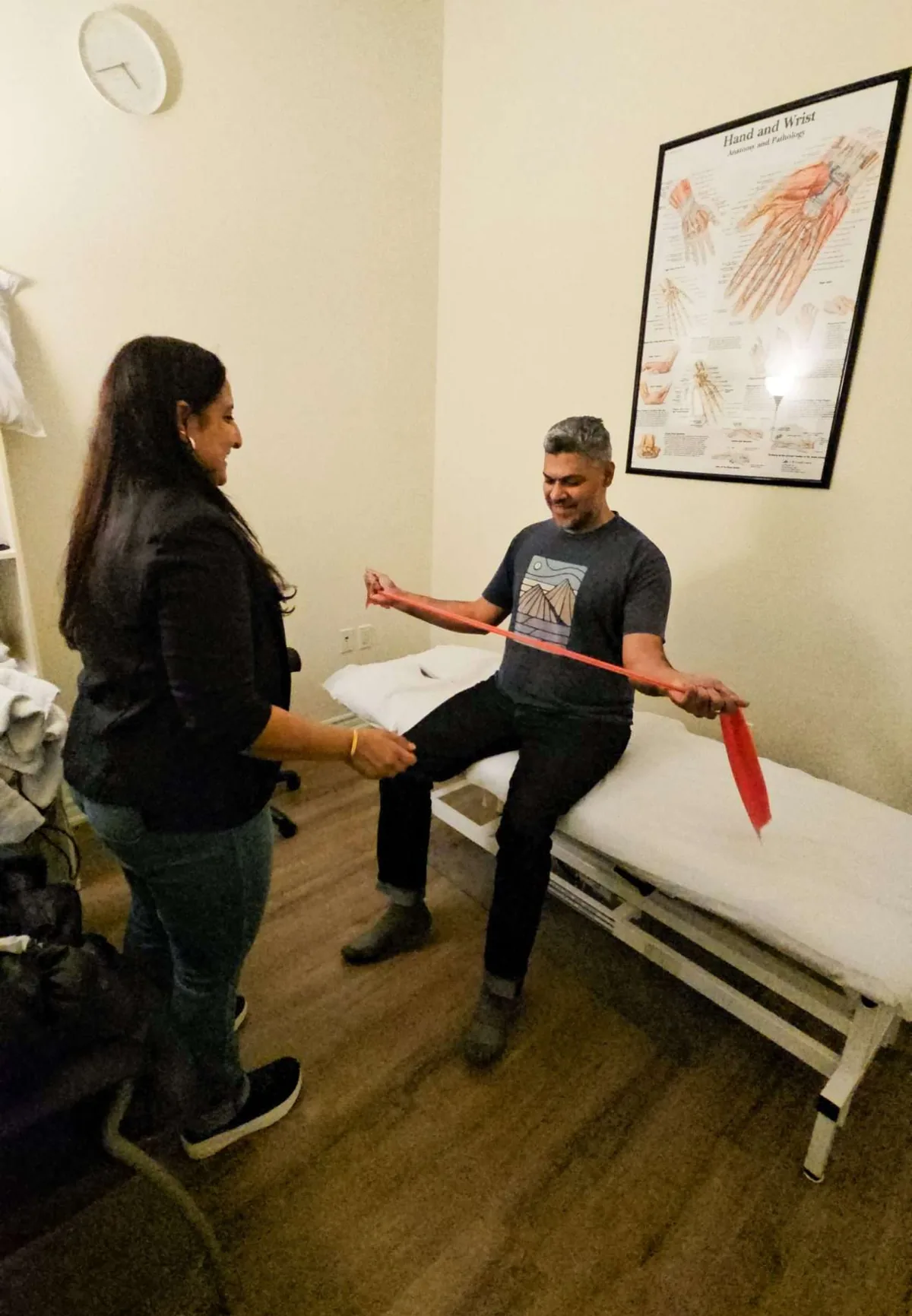
When to See a Physiotherapist
Seek professional assessment if you experience:
- Persistent or worsening back pain
- Pain radiating down the leg
- Numbness, tingling, or weakness
- Back pain following surgery or injury
A physiotherapist can identify the underlying cause and tailor exercises to your specific needs.
Physiotherapy for Back Pain in Oakville
At Wellmax Physiotherapy, our physiotherapy team provides one-on-one, hands-on care focused on identifying the root cause of your back pain, not just treating symptoms.
If pain persists, Wellmax physiotherapy in Oakville can provide personalized treatments like Physiotherapy, Massage, and Osteopathy from our experts. Located at 1148 Winston Churchill Blvd, Unit B3, Oakville, ON, our team is here to guide you with expert assessments and customized plans.
Don’t let back pain hold you back, call us at (905) 829-1100 or book an appointment today and start your journey to wellness.
Frequently Asked Questions About Back Pain Exercises
Which of these exercises should I start with if my back is sore right now?
Start with the gentle mobility work. Child's pose, cat-cow and the knee to chest stretch ask the least of your back and let you see how it responds. Hold each for about 20 to 30 seconds and stop short of sharp pain. Once those feel easy for a few days, add the core work like pelvic tilts and bird dog. If nothing feels safe to start, book an assessment first.
How long before back exercises actually make a difference?
Many people notice small changes within a couple of weeks of steady practice, with clearer change over the following weeks. This post suggests starting with 5 to 10 repetitions per exercise, 2 to 3 times a week, then building toward 15 to 20 minutes daily. Progress is rarely a straight line. If nothing has shifted after several weeks, or things get worse, get assessed rather than pushing harder.
Is it normal to feel sore after doing these?
Mild soreness can be normal, especially in muscles you have not used much. Discomfort during the exercise should stay manageable, and symptoms should settle within about 24 hours. If pain climbs, spreads into the leg, or is still worse the next day, stop that exercise and have it looked at before you carry on.
Should I rest or keep moving when my back flares up?
Gentle movement usually beats total rest. Long spells of lying still tend to leave the back stiffer and weaker. Take it easy for a day or two if the pain is severe, then return to the easiest mobility work and short walks. This post also suggests pairing the exercises with walking or swimming. If a flare drags on or keeps returning, an assessment will show you what to change.
What symptoms mean I should see a doctor instead of starting exercises?
A few symptoms need medical care first, not exercise. Seek urgent medical attention for new loss of bladder or bowel control, numbness around the groin, buttocks or inner thighs, or leg weakness that is getting worse. Back pain alongside unexplained weight loss or fever also needs a doctor. These are uncommon, but they need ruling out quickly. Anything else is a reasonable starting point for a physiotherapy assessment.
Why does my back pain keep coming back even though I stretch?
Stretching eases tightness, but it does not always address why the tightness keeps returning. The same back pain can have several different causes, and each one needs different treatment. Glute and core endurance, a desk setup, lifting habits or an old injury can all play a part. That is why stretches work better paired with core and strengthening work, and why an assessment helps when pain keeps circling back.
Do I need a scan before starting these exercises?
Usually not. Most back pain is managed well with movement and education, and imaging does not always tell the whole story, since scans often show changes in people who have no pain at all. General exercise advice is not a substitute for an assessment. If your pain is severe, worsening, or comes with numbness, tingling or weakness, see a registered physiotherapist before you start any exercise program.
Can I do these if my pain travels down my leg?
Be careful. Pain radiating down the leg is a reason to see a physiotherapist rather than self managing. Leg symptoms can come from several different sources, and an exercise that helps one source can irritate another. Book an assessment first so the program is chosen for what is actually driving your symptoms, then you can progress with confidence.
Should I do these if I sit at a desk all day?
Yes, and short breaks matter as much as the exercises. Sitting for hours leaves the hips and back stiff, so the mobility work is a good reset. Try the cat-cow and knee to chest movements once in the morning and once in the evening, and get out of the chair for a couple of minutes every hour. If pain builds every afternoon at your desk, book an assessment so the setup and the program are looked at together.
How do I fit these into a normal week?
Pick a fixed time and keep it short. Ten to fifteen minutes after your morning coffee or before bed beats a long session you skip. Add walking or swimming for general fitness on the days between. Note how you feel in a short journal so you can spot which movements help and which ones stir things up. For a program matched to you, book an assessment with a physiotherapist.
Why does my back hurt when I wake up but feel better once I move?
Overnight the discs in your spine take on fluid and swell slightly, and the joints and muscles around them cool and tighten after hours without movement. Your first movements of the day load a stiff back, so it complains, then eases as circulation and movement return. Stiffness that fades within about 30 minutes is usually this pattern. Stiffness that lasts over an hour most mornings, or keeps returning, can have several different causes and is worth an assessment.
What is the best sleeping position for lower back pain?
Most people with lower back pain sleep best on their back with a pillow under the knees, or on their side with a pillow between the knees. Both keep the spine close to neutral. Stomach sleeping arches the lower back for hours and is the position most often linked to waking up sore. Pair the position with a mattress that does not sag and a pillow that keeps your neck level, and add a short mobility routine before bed and after waking.
You Might Also Like
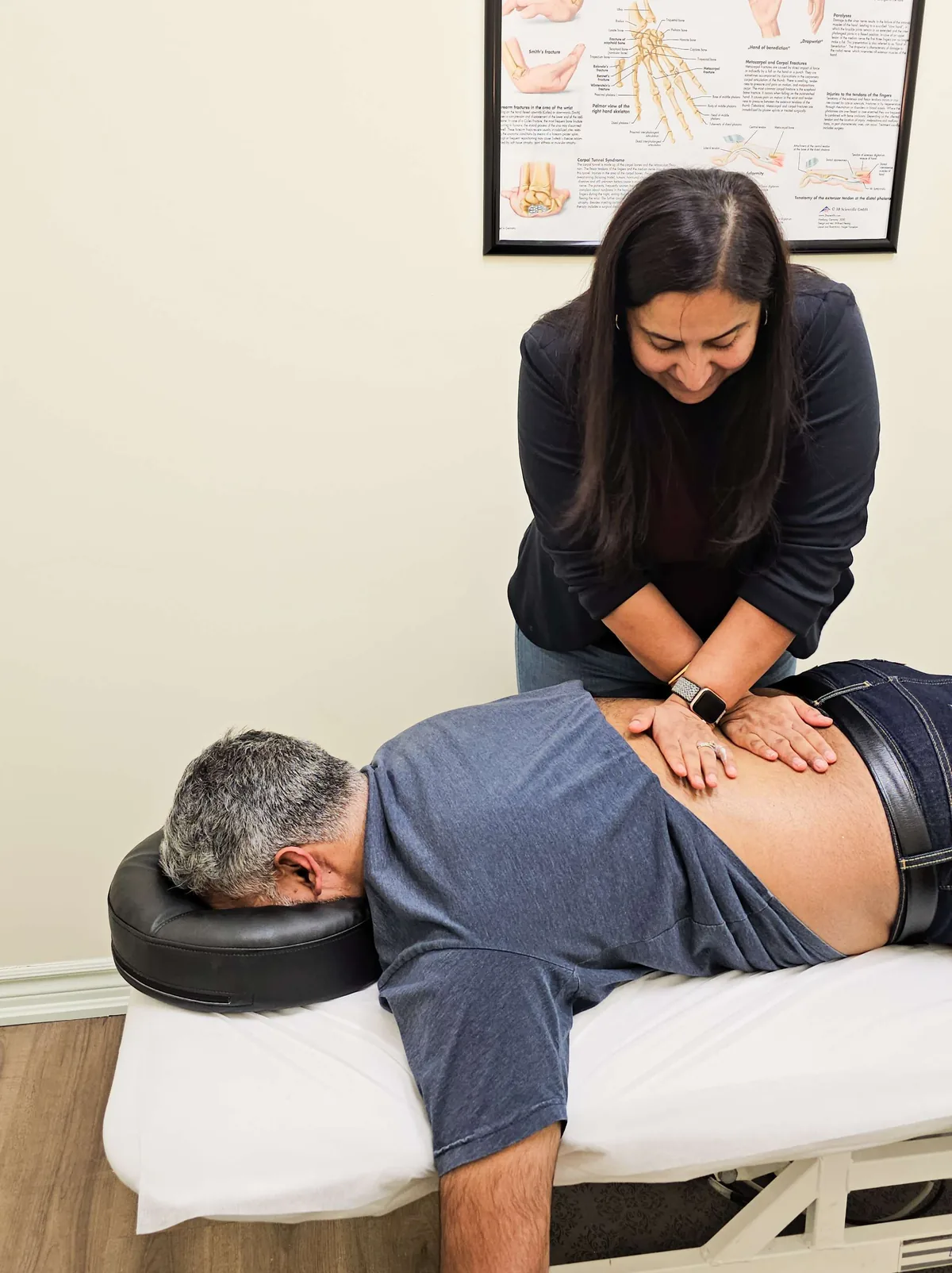

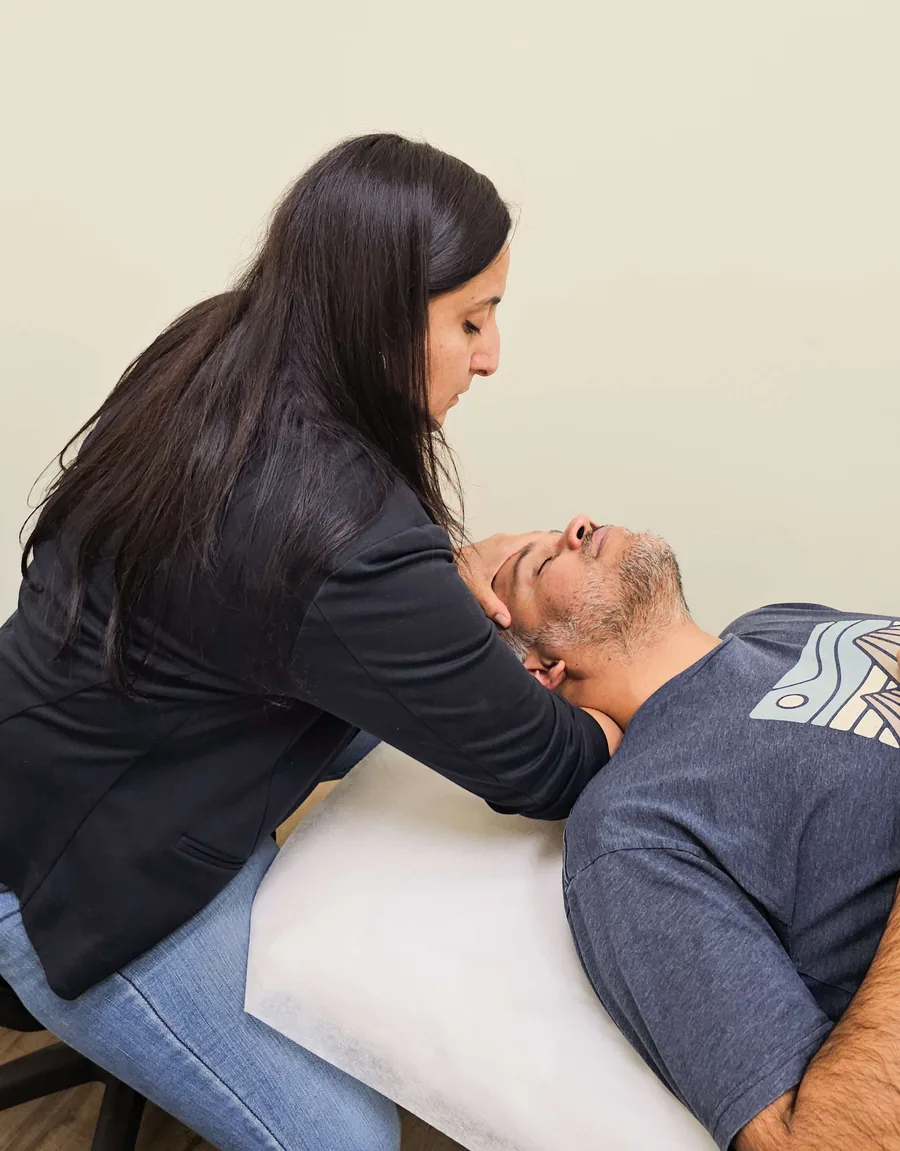

Gurmeet Rai, Registered Physiotherapist
Gurmeet is a Registered Physiotherapist with the College of Physiotherapists of Ontario and the Clinic Director and co-owner of Wellmax Physiotherapy in Oakville, with 16+ years of clinical experience. She focuses on complex, stubborn cases where earlier treatment has not worked, with advanced training in pelvic health, TMJ, vestibular, and sports and MSK rehab. Expect expert care from assessment to discharge, with honest guidance along the way. Read Gurmeet’s full profile or meet the team.
This article is for educational purposes only and does not replace a professional clinical assessment. Every body and condition is different. If you are experiencing pain or symptoms, book an assessment with a qualified clinician for advice specific to your situation. If you are experiencing a medical emergency, call 911 or visit your nearest emergency department.
