
Do Custom Orthotics Actually Work? An Honest, Evidence-Based Buyer’s Guide
If someone has quoted you $500 for custom orthotics, you are probably asking the obvious question: do custom orthotics work, or am I paying for an expensive insole? It is a fair question, and the honest answer is more nuanced than either the sales pitch or the internet backlash suggests.
We dispense custom orthotics and braces at Wellmax Physiotherapy in Oakville, so this is not a hit piece. It is the same straight answer we give patients in the clinic: orthotics genuinely help for specific problems, they are oversold for others, and they work best as one part of a real treatment plan, not as the whole plan.
Key Takeaways
- The evidence for foot orthotics is strongest for plantar heel pain relief in the short to medium term. For many other conditions the research is mixed.
- For most common foot complaints, trials show quality prefabricated insoles relieve pain about as well as custom orthotics at a fraction of the price.
- Custom orthotics support and offload your foot while it heals. They do not permanently “correct” your bones or arches, no matter what a sales pitch claims.
- In Ontario, custom orthotics typically cost $400 to $600. Most extended health plans cover them with a proper prescription and gait analysis, but OHIP does not.
Do custom orthotics actually work?
Yes, for the right problem and the right person. Foot orthotics can meaningfully reduce pain from conditions like plantar heel pain by changing how load is distributed across your foot. They cushion, they support the arch, and they shift pressure away from irritated tissue so it gets a chance to settle.
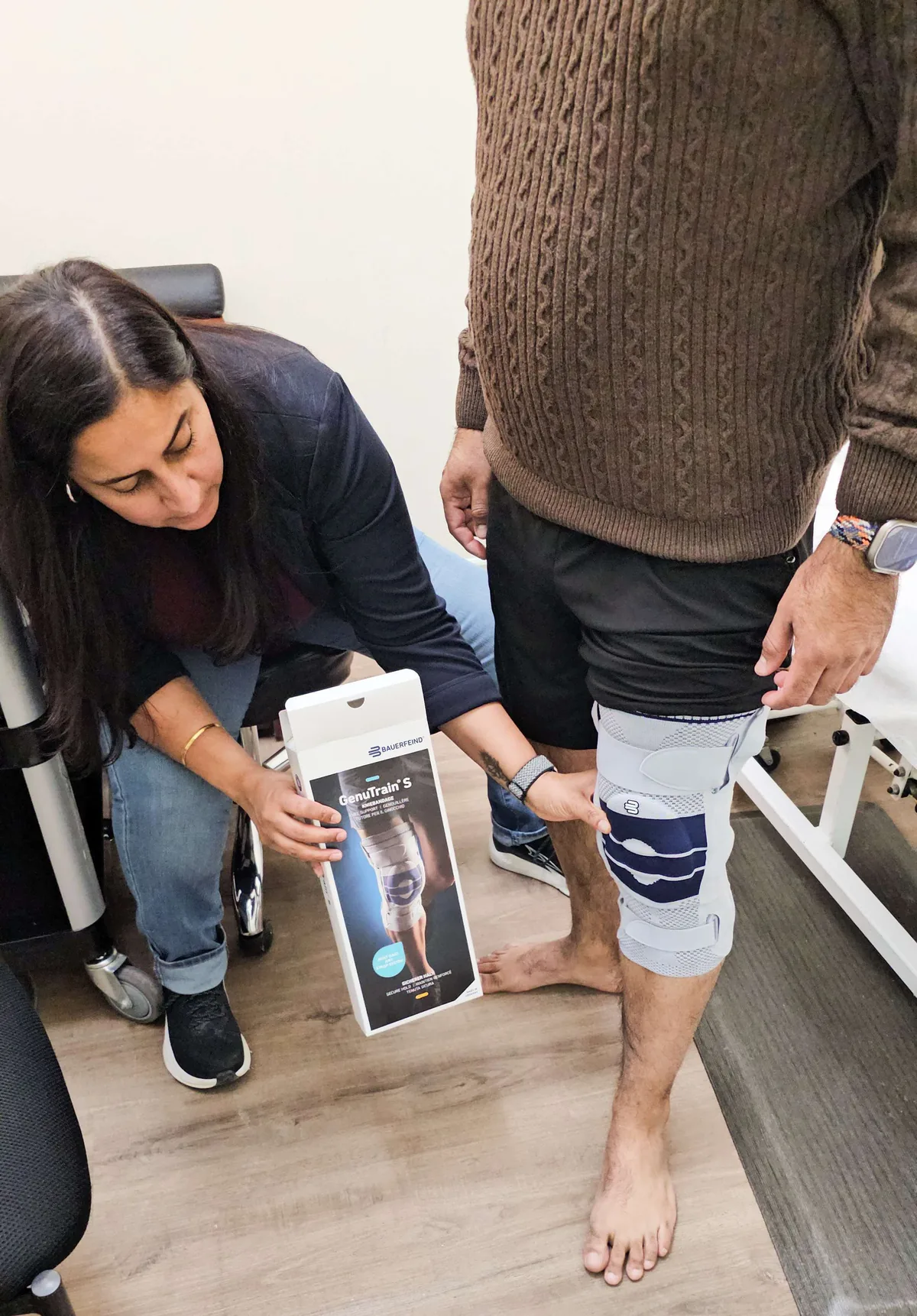
What they do not do is fix everything. Research does not support orthotics as a cure-all for every sore foot, knee, hip, or back, and it does not support the idea that they permanently reshape your foot. Think of them the way you would think of a good knee brace: a useful tool that reduces strain while you address the underlying problem, not a replacement for addressing it.
What does the research say about orthotics?
Plantar heel pain: the strongest evidence
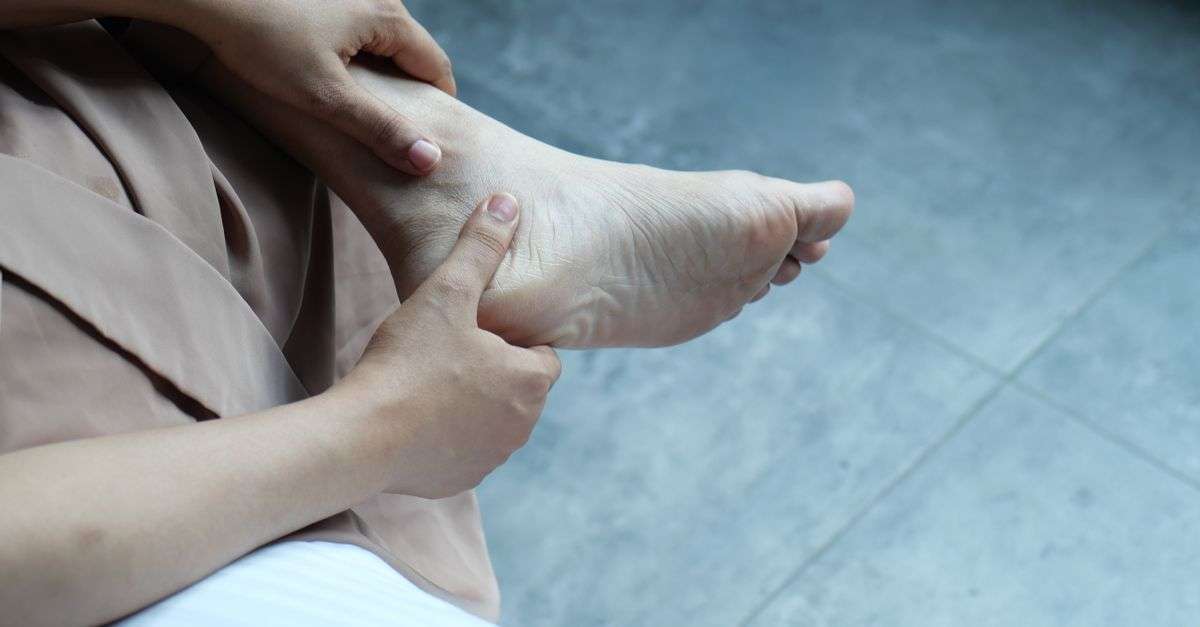
Plantar heel pain, often called plantar fasciitis, is where orthotics have been studied the most. A 2018 systematic review and meta-analysis in the British Journal of Sports Medicine pooled 19 randomised trials with 1,660 participants. It found moderate-quality evidence that foot orthoses reduce plantar heel pain in the medium term, roughly the 2 to 12 month window, compared with sham insoles. Evidence for short-term and long-term benefit was much weaker.
In plain English: for stubborn heel pain, orthotics are a reasonable, evidence-supported tool while the tissue recovers, and they work best alongside active treatment. If heel pain is what brought you here, our plantar fasciitis physiotherapy page covers the full treatment picture.
Flat feet, arch pain, and knee pain: mixed evidence
For flexible flat feet in adults and kids who have no pain, the evidence does not support routine orthotics at all. A flat, pain-free foot is usually just a normal foot shape. For arch pain, orthotics can reduce strain on overworked structures while you build strength, which many people find genuinely helpful in the early weeks.
For knee pain, results are mixed. Some people with certain knee problems get modest relief from insoles that change lower-limb alignment, while large trials for knee osteoarthritis have been mostly disappointing. This is exactly why an assessment matters more than a product: the question is not “are orthotics good,” it is “is this the right tool for your specific problem.”
What can orthotics do, and what can they not do?
Here is the honest scorecard we share with patients.
- Orthotics can: redistribute pressure, cushion impact, support a painful arch, offload an irritated tendon or heel, improve comfort in long standing or walking, and accommodate genuine structural differences.
- Orthotics cannot: permanently change the shape of your bones, “realign” your skeleton, rebuild a fallen arch, or strengthen a single muscle. The moment they come out of the shoe, their effect stops.
“Orthotics change the load on your foot while it heals. They do not permanently change your skeleton, and nobody giving you honest advice will tell you they do.”
That is not a knock on orthotics. Offloading painful tissue is valuable, the same way crutches are valuable after an ankle sprain. The mistake is treating the offloading device as the finish line instead of the starting line.
Custom vs off-the-shelf: is custom really worth the money?
This is the question that saves or costs you hundreds of dollars, so it deserves a straight answer. Multiple randomised trials, including a well-known multicentre study of proximal plantar fasciitis and reviews summarised by Canada’s drug and health technology agency (CADTH), found no significant difference in pain relief between custom-made and quality prefabricated orthotics for common conditions like plantar heel pain. Both groups improved.
So for a typical case of heel or arch soreness in a foot with a fairly normal shape, a well-chosen $50 to $80 off-the-shelf insole often performs comparably to a $500 custom device. Any provider who is being honest with you should say that out loud before taking a mould of your foot. We do.
When custom orthotics are genuinely worth it
Custom devices earn their price when off-the-shelf simply cannot fit or protect the foot in question. Common examples include:
- Unusual foot shapes such as very high rigid arches, significant bunions, or feet that are different sizes, where generic insoles never sit right.
- Diabetes-related needs, where precise pressure redistribution helps protect skin that is vulnerable to breakdown.
- Specific deformities and structural conditions like rigid flatfoot, significant arthritis changes, or leg-length differences that need a built-in correction.
- Failed prefab trial, meaning you gave a quality off-the-shelf insole and a proper exercise program a fair run and the problem persisted.
If you fall into one of these groups, custom is a sensible investment. If you do not, you deserve to hear that a cheaper option is worth trying first.
How do orthotics fit into a real treatment plan?
Orthotics work best as the “offload” half of a two-part plan. The other half is building a foot and leg that can handle load on their own. Orthotics alone rarely fix the root cause, because the root cause is usually a capacity problem: the tissue is being asked to do more than it can currently tolerate.
Offload while you strengthen
A typical evidence-based plan for foot or heel pain pairs the short-term relief of an insole with progressive strengthening: foot intrinsic exercises like towel scrunches and short-foot work, heavy slow calf raises to build tendon and muscle capacity, and hip strength work when the assessment shows the problem starts further up the chain.
Gradual loading, not rest forever
The goal is gradual re-loading. As your calf and foot get stronger and pain settles, most people can rely on the orthotic less, not more. That progression is exactly what physiotherapy manages: how much, how fast, and when to progress. If ankle or foot pain keeps interrupting your walking, running, or work days, that structured plan matters far more than any single device.
How much do custom orthotics cost in Ontario, and what does insurance cover?
In Ontario, custom orthotics typically run $400 to $600 a pair, depending on the materials and the provider. OHIP does not cover them for most adults. The good news is that most extended health plans through work do, usually to a set annual maximum, commonly in the $300 to $500 per year range.
To pay a claim, most insurers require three things:
- A prescription from an approved professional, most often a physician, nurse practitioner, podiatrist, or chiropodist. Check your plan, because insurers differ on whose prescription they accept.
- A biomechanical or gait analysis documenting why a custom device is medically necessary.
- A proper casting or 3D scan of your foot, plus documentation of who dispensed the device.
Before you buy anywhere, call your insurer and ask exactly which prescribers and dispensers your plan accepts. Five minutes on the phone prevents a rejected claim. At Wellmax we walk Oakville and Mississauga patients through this paperwork as part of our orthotics and bracing service, so the claim goes through cleanly the first time.
What are the red flags of orthotics sales tactics?
Because insurance benefits make orthotics lucrative, a sales industry has grown around them. You do not need us to name anyone. You just need to recognise the pattern:
- Free “assessments” at trade shows, malls, or kiosks where you stand in a foam box for thirty seconds and everyone, somehow, needs orthotics.
- Pressure to buy the same day, limited-time pricing, or “your benefits expire soon” urgency.
- One product for every problem. Heel pain, knee pain, back pain, fatigue: if the answer is always orthotics, it is a sales script, not an assessment.
- No hands-on examination of your foot mobility, calf strength, footwear, and the joints above the foot.
- No plan beyond the sale. No exercises, no follow-up, no discussion of cheaper options or of when you might stop needing the device.
A legitimate provider examines you, explains what they found, tells you when a prefabricated insole would do the job, and builds orthotics into a broader plan. If any of that is missing, keep your benefits in your pocket.
When should you see a doctor instead of buying an insole?
A few symptoms need medical assessment, not a trip to an orthotics vendor. Book in with your physician promptly if you have foot numbness or tingling, pain that wakes you at night, or a foot wound that will not heal, especially if you live with diabetes. These can signal nerve, circulation, or other issues that no insole should be asked to manage.
How does a physiotherapy assessment decide whether you need orthotics?
This is the step that protects both your feet and your wallet. At Wellmax Physiotherapy in Oakville, first assessments are a full 60 minutes with a registered physiotherapist. Our lead physiotherapist, Gurmeet Rai, has more than 16 years of clinical experience, and the assessment looks at the whole picture: how you walk, how your foot moves, your calf and hip strength, your footwear, your activity load, and your history.
From there, the recommendation follows the findings, not a sales target. Sometimes that means custom orthotics, which our chiropractor assesses and casts in a free 30-minute orthotic assessment, along with braces and supports. Sometimes it means a quality off-the-shelf insole plus a strengthening program. Often it means hands-on manual therapy to restore movement, a progressive loading plan aimed at the root cause, and a clear timeline for getting you back to walking, running, and standing through a full workday.
Our goal is a pain-free graduation, not endless visits and not a drawer full of devices you did not need. If orthotics will genuinely help you, we will say so and explain why. If they will not, we will tell you that too, and show you what will.
Not sure which camp you are in? Start with a conversation. We serve Oakville and Mississauga, and the first step costs nothing.
Not sure where to start?
Book a free consultation and we will point you to the right care, with no pressure.
Frequently Asked Questions
Are custom orthotics worth the money?+
Sometimes. Custom orthotics are worth it for unusual foot shapes, diabetes-related pressure needs, significant deformities, or when a quality prefabricated insole has already failed. For common heel and arch pain in a typical foot, trials show prefabricated insoles relieve pain about as well for far less money. A proper assessment, not a sales pitch, should decide which group you are in.
How long do custom orthotics last?+
Most custom orthotics last about 2 to 5 years, depending on the materials, your body weight, and how active you are. Rigid shells often outlast the soft top covers, which can be replaced cheaply. Have them checked if you notice cracking, flattening, or the return of old symptoms. Many Ontario extended health plans renew orthotics coverage every 1 to 2 years.
Does OHIP cover custom orthotics?+
No. OHIP does not cover custom orthotics for most adults. Coverage usually comes from extended health benefits through your employer, which commonly pay $300 to $500 per year toward orthotics. Insurers typically require a prescription from an approved professional, a documented gait analysis, and proof of proper casting. Some social assistance programs offer partial help, so ask your case worker if that applies to you.
Can orthotics make things worse?+
Occasionally, yes. A poorly fitted or overly aggressive orthotic can create new pressure points, arch soreness, or blisters, and some people ache during the break-in period, which is why new orthotics are worn in gradually over 1 to 2 weeks. Relying on orthotics instead of strengthening can also leave the underlying weakness unaddressed. Persistent discomfort means the device should be reassessed and adjusted.
Do I have to wear orthotics forever?+
Usually not. For most pain-related problems, orthotics are a temporary offloading tool used while strengthening and gradual loading rebuild your foot’s capacity, and many people wean off them over months. People with structural conditions, significant deformities, or diabetes-related needs may benefit from wearing them long term. Your provider should tell you up front which situation applies to you and what the exit plan looks like.
Are over-the-counter insoles as good as custom orthotics?+
For many common conditions, close to it. Randomised trials in plantar heel pain found no significant difference in pain relief between custom and quality prefabricated orthotics, and both groups improved. Off-the-shelf devices fall short when a foot has an unusual shape, a rigid deformity, or medical pressure-relief needs. A sensible approach for a typical foot is trying a good prefab insole first.
Who can prescribe custom orthotics in Ontario?+
Insurers most commonly accept prescriptions from a physician, nurse practitioner, podiatrist, or chiropodist, and the devices themselves are dispensed by approved providers such as chiropodists, podiatrists, pedorthists, and clinics that offer orthotics services. Every plan writes its own rules about which prescribers and dispensers it accepts, so call your insurer before you buy. Getting this order wrong is the most common reason claims get rejected.
How do I know if I actually need orthotics?+
You cannot reliably tell from a foam box or a pharmacy pressure mat. What you need is an assessment of how you move: foot and ankle mobility, calf and hip strength, footwear, gait, and your training or work load. Orthotics make sense when offloading would clearly help healing or when your foot structure genuinely cannot be accommodated off the shelf. A free 30-minute orthotic assessment with our chiropractor answers that honestly.
You Might Also Like

Gurmeet Rai, Registered Physiotherapist
Gurmeet is a Registered Physiotherapist with the College of Physiotherapists of Ontario and the Clinic Director and co-owner of Wellmax Physiotherapy in Oakville, with 16+ years of clinical experience. She focuses on complex, stubborn cases where earlier treatment has not worked, with advanced training in pelvic health, TMJ, vestibular, and sports and MSK rehab. Expect expert care from assessment to discharge, with honest guidance along the way. Read Gurmeet’s full profile or meet the team.
This article is for educational purposes only and does not replace a professional clinical assessment. Every body and condition is different. If you are experiencing pain or symptoms, book an assessment with a qualified clinician for advice specific to your situation. If you are experiencing a medical emergency, call 911 or visit your nearest emergency department.
