
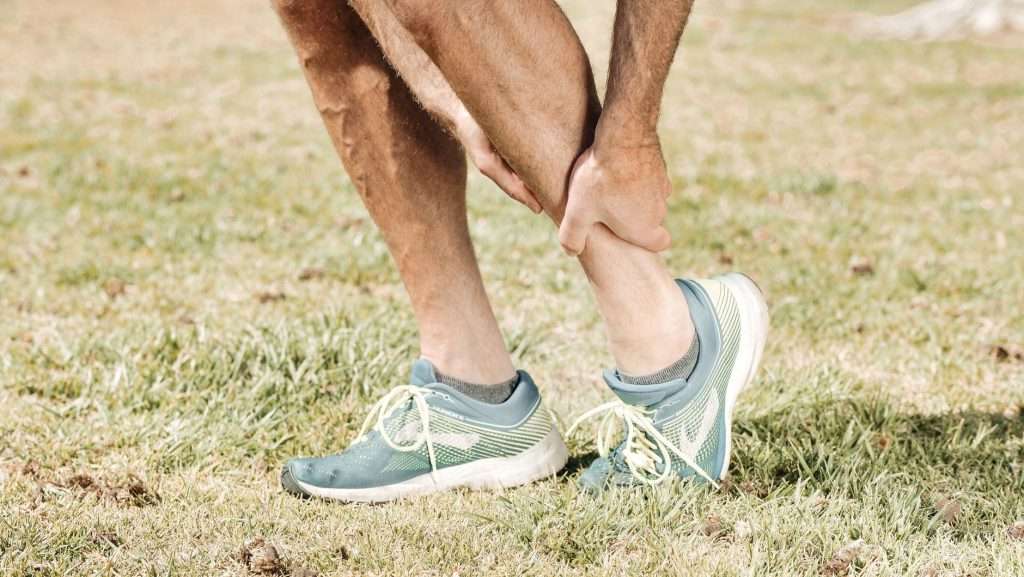
Shin Splints: Why They Happen and How to Stop Them
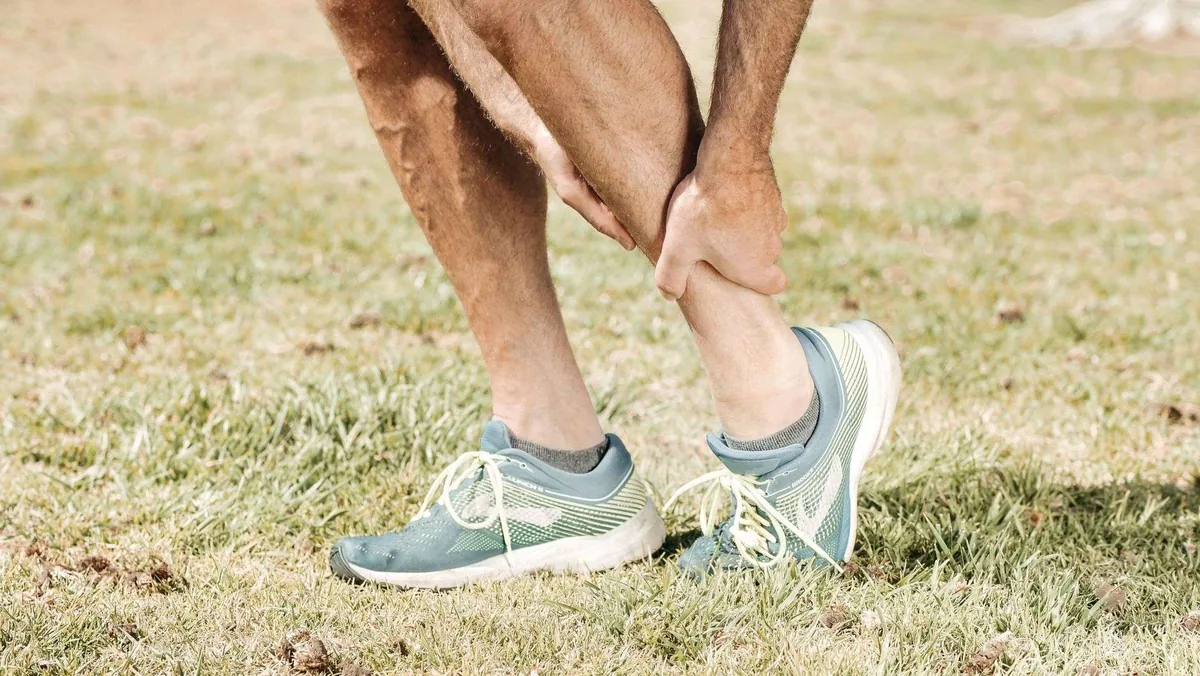
If you get a dull, aching pain along the front or inner edge of your lower leg every time you run, walk briskly, or climb a set of stairs, you are dealing with one of the most common overuse injuries in running. Shin splints, known clinically as medial tibial stress syndrome, affect a large share of runners, from someone training for a first 5K to a seasoned marathoner who just bumped up mileage for a fall race.
The good news is that most shin splints respond well to the right mix of load management and strengthening. The part that trips people up is telling ordinary shin splints apart from a tibial stress fracture, which needs a different, more cautious approach. This guide covers why shin splints happen, how the general pattern differs from a stress fracture, what helps at home, and the full recovery progression a physiotherapist uses to get you back to running for good.
Key Takeaways
- Shin splints come from a mismatch between training load and what your shin bone and surrounding muscles can handle, most often tied to a jump in mileage, worn-out shoes, hard or cambered surfaces, or foot and ankle mechanics.
- A diffuse ache spread along a length of the inner shin is the general pattern with shin splints, while pain focused on one exact spot that continues at rest is a different pattern worth getting checked.
- Early load management, not full rest, paired with calf, tibialis, and hip strengthening is the backbone of a full recovery.
- A staged, gradual return to running, not a sudden jump back to full mileage, is what stops shin splints from becoming a repeat problem.
What Exactly Are Shin Splints?
Shin splints is the everyday name for medial tibial stress syndrome, or MTSS. Muscles that control your ankle and support your arch, including the tibialis posterior, soleus, and part of the calf group, attach along the inner edge of the shin bone (the tibia). When those muscles and the bone’s outer lining, the periosteum, absorb more repetitive impact than they have adapted to, the tissue becomes irritated and inflamed, producing the classic ache along the shin.
It is a real, physical overload injury, not something you are imagining, and it is different from a stress fracture, which is a tiny crack in the bone itself. More on telling the two apart shortly.
What Causes Shin Splints?
Shin splints are almost always an overuse injury, meaning the tissue was pushed past what it could handle at that point in time. A few factors show up again and again in the runners and active people we see in Oakville.
A Sudden Jump in Training Load
This is the single biggest driver. Adding too many kilometres too quickly, returning to running after time off at your old pace, or suddenly adding speed work or hill repeats all ask the shin to absorb far more load than it has recently adapted to. Tissue adapts to gradual stress, not a sudden spike.
Worn-Out or Unsuitable Footwear
Running shoes lose their shock-absorbing properties well before they look worn out, typically somewhere in the range of 500 to 800 kilometres. A shoe that no longer cushions the way it did, or one that is not the right fit for your foot shape and gait, can shift extra load onto the shin with every stride.
Running Surface
Hard surfaces like concrete transmit more impact up through the leg than grass, trail, or a well-maintained track. Consistently cambered surfaces, such as the sloped edge of a road, can also load one leg differently than the other over hundreds of repeated strides.
Foot and Ankle Biomechanics
How your foot strikes and rolls through each step matters. A foot that rolls inward more than average (overpronation), a flatter arch, or reduced ankle flexibility can increase the pull on the muscles attaching along the shin. Tight, overworked calves are part of this picture too, since the calf and shin muscles share the work of every push-off, and a tight calf can shift more of that load onto the shin. If calf pain or tightness has been part of your pattern, mention it at your assessment. Foot mechanics can also show up as broader ankle and foot pain, and the two often need addressing together.
How Are Shin Splints Different From a Stress Fracture?
This is the question that matters most, because the two conditions need very different management, and pushing through the wrong one can turn a manageable injury into a much longer one. We are not going to tell you which one you have here. What we can do is describe the general pattern each one tends to follow, so you know what to pay attention to and when to get it checked.
Shin splints typically produce a diffuse ache spread along a stretch of the inner shin, often several centimetres long, rather than one exact point. The pain tends to be present at the start of a run or walk, sometimes eases as you warm up, and generally settles again once you stop and rest. A tibial stress fracture, by contrast, tends to produce pain that is focused on one specific spot you could point to with a finger, and it often behaves the opposite way, building up during activity and lingering or even worsening once you stop.
“Pain concentrated at one exact spot on the shin bone that does not ease with rest is a different pattern than shin splints, and it is worth getting checked rather than run through.”
Sharp pain focused on one exact spot on the shin bone, pain that continues or worsens at rest or at night, or pain that does not ease with a period of reduced activity can point toward a stress fracture rather than shin splints, and needs medical imaging rather than more running. If this sounds like your pattern, get it checked before continuing to train on it. A physiotherapist or physician can help sort out which pattern fits your situation and, if needed, refer you for imaging.
What Can I Do at Home for Shin Splints?
If your pain fits the diffuse, warms-up-and-settles pattern above, with none of the red flags, a few simple steps often help in the first one to two weeks.
- Reduce impact, do not eliminate it. Cutting your running volume, pace, or hill work by a meaningful amount is usually more useful than stopping completely, since some gentle loading keeps the tissue adapting.
- Ice after activity. Short bouts of ice over the sore area after a run or walk can ease irritation in the early days.
- Cross-train on lower-impact options. Swimming, cycling, or an elliptical machine maintain fitness while giving the shin a break from repeated impact.
- Ease into calf and ankle mobility work. Gentle calf stretches and ankle circles can help if tightness is part of your pattern.
- Check your shoes. Old shoes, unevenly worn shoes, or shoes that were never a good fit for your foot are worth having assessed.
- Track the pattern, not just the pain. Note whether your pain is diffuse or pinpoint, and whether it eases or worsens with rest.
If these steps are not helping within two to three weeks, or the pain keeps returning each time you try running again, that is the point to book an assessment rather than keep guessing.
How Is a Full Shin Splints Recovery Structured?
At Wellmax Physiotherapy in Oakville, shin splints recovery starts with a full 60-minute first assessment, examining your shin, ankle, and hip, watching how you walk and run, and reviewing your training history and footwear together. Treatment from there is hands-on and built to find and fix the root cause, not just calm the sore spot.
Step 1: Load Management
The first job is figuring out how much activity your shin can currently tolerate without flaring up, then building a plan around that, rather than either total rest or pushing through. This might mean trading some running for cycling or swimming while keeping a small, pain-free amount of easy jogging in the mix.
Step 2: Strengthening the Right Muscles
Shin splints recovery leans heavily on progressive strengthening. A typical program builds calf raises from gentle isometric holds up through slow, heavy raises, adds tibialis anterior strengthening for the muscle at the front of the shin, and works on hip strength, since a weak hip can change how load travels down the leg with every stride.
Step 3: Manual Therapy and Mobility
Hands-on treatment to ease tight calf and ankle tissue, combined with restoring normal ankle motion, helps the lower leg share load more evenly instead of concentrating it along the shin.
Step 4: A Gradual Return to Running
This is the stage most people rush, and rushing it is the most common reason shin splints come back. A structured return to running plan layers short walk-jog intervals first, gradually increases total running time based on how the shin responds the next day, and only reintroduces speed work, hills, and longer distances once each earlier stage feels comfortable.
How Long Does Shin Splints Recovery Take?
Mild shin splints, caught early and managed with reduced impact and strengthening, often settle within roughly three to six weeks. More stubborn cases, especially where a training error or footwear issue has not been addressed, can take longer and tend to keep recurring until the underlying cause, not just the symptom, is dealt with.
Why Choose Wellmax for Shin Splints Recovery in Oakville
Wellmax Physiotherapy is based in Oakville and serves runners across Oakville and Mississauga. Our lead physiotherapist, Gurmeet Rai, brings over 16 years of experience with a focus on hands-on, root-cause care rather than generic exercise sheets. Shin splints often overlap with related overuse issues in the lower leg, including Achilles tendon pain, and our team is used to sorting out how these pieces connect for an individual runner.
Our running injuries physiotherapy and broader sports physiotherapy services focus on getting active people back to the activities they love, with a clear plan rather than an open-ended string of appointments. The goal is always a confident, pain-free graduation, not endless visits.
Not sure where to start?
Book a free consultation and we will point you to the right care, with no pressure.
Frequently Asked Questions
How do I know if it is shin splints or a stress fracture?+
Shin splints tend to cause a diffuse ache spread along a length of the inner shin that eases as you warm up and settles with rest. A stress fracture tends to cause pain focused on one exact spot that builds during activity and can continue or worsen at rest or at night. If your pain fits that second pattern, it needs medical imaging rather than more running, so get it checked before continuing to train on it.
How long do shin splints take to heal?+
Mild cases caught early often settle within roughly three to six weeks with reduced impact, strengthening, and a gradual return to activity. More stubborn or long-standing cases can take longer, particularly if a training error, footwear issue, or biomechanical factor has not been addressed. Getting an assessment early tends to shorten the overall timeline considerably compared with repeated cycles of rest and re-injury.
Can I keep running with shin splints?+
Often yes, in a reduced form. Cutting your mileage, pace, or hill work by a meaningful amount while keeping some gentle, pain-free loading is usually more useful than stopping completely, since tissue needs some ongoing load to adapt. Sharp, worsening pain, or pain that persists after you stop running, is a signal to back off further and get assessed rather than push through it.
What is the best exercise for shin splints?+
There is no single best exercise, but progressive calf raises, tibialis anterior strengthening for the front of the shin, and hip strengthening together form the backbone of most recovery programs. Starting point and progression depend on how irritable your shin currently is, which is why a program built around your specific assessment tends to work better than a generic exercise sheet found online.
Do orthotics or insoles help with shin splints?+
For some runners, especially those whose foot mechanics are adding extra strain along the shin, supportive insoles or orthotics can reduce load and help symptoms settle. They are not a universal fix and work best alongside load management and strengthening rather than instead of it. An assessment of your foot and running mechanics is the best way to know whether orthotics would genuinely help your situation.
Why do my shins hurt when I start running again after a break?+
Time off running reduces how much load your shin and calf muscles are conditioned to absorb, so returning at your previous pace or distance can overload the tissue quickly. This is one of the most common ways shin splints develop. Restarting with shorter, easier sessions and building back up gradually over several weeks, rather than picking up where you left off, gives the tissue time to re-adapt.
What shoes are best for preventing shin splints?+
The best shoe is one that suits your foot shape, running style, and current mileage, and that has not exceeded its useful life, which is often somewhere around 500 to 800 kilometres depending on the shoe. Rotating between two pairs and replacing shoes before they look visibly worn out are simple habits that help. A gait assessment can identify whether your current shoes are actually a good match for how you move.
Do I need an X-ray for shin splints?+
Most shin splints do not require imaging and are diagnosed based on your history and a physical assessment. Imaging becomes important when the pattern suggests a possible stress fracture, such as pain focused on one exact spot that continues or worsens at rest. If that pattern applies to you, a doctor can arrange the right imaging, and a physiotherapist can guide you on when it is appropriate to raise this.
You Might Also Like

Gurmeet Rai, Registered Physiotherapist
Gurmeet is a Registered Physiotherapist with the College of Physiotherapists of Ontario and the Clinic Director and co-owner of Wellmax Physiotherapy in Oakville, with 16+ years of clinical experience. She focuses on complex, stubborn cases where earlier treatment has not worked, with advanced training in pelvic health, TMJ, vestibular, and sports and MSK rehab. Expect expert care from assessment to discharge, with honest guidance along the way. Read Gurmeet’s full profile or meet the team.
This article is for educational purposes only and does not replace a professional clinical assessment. Every body and condition is different. If you are experiencing pain or symptoms, book an assessment with a qualified clinician for advice specific to your situation. If you are experiencing a medical emergency, call 911 or visit your nearest emergency department.
