

Migraine vs Tension Headache: How They Differ and Which Treatments Actually Help
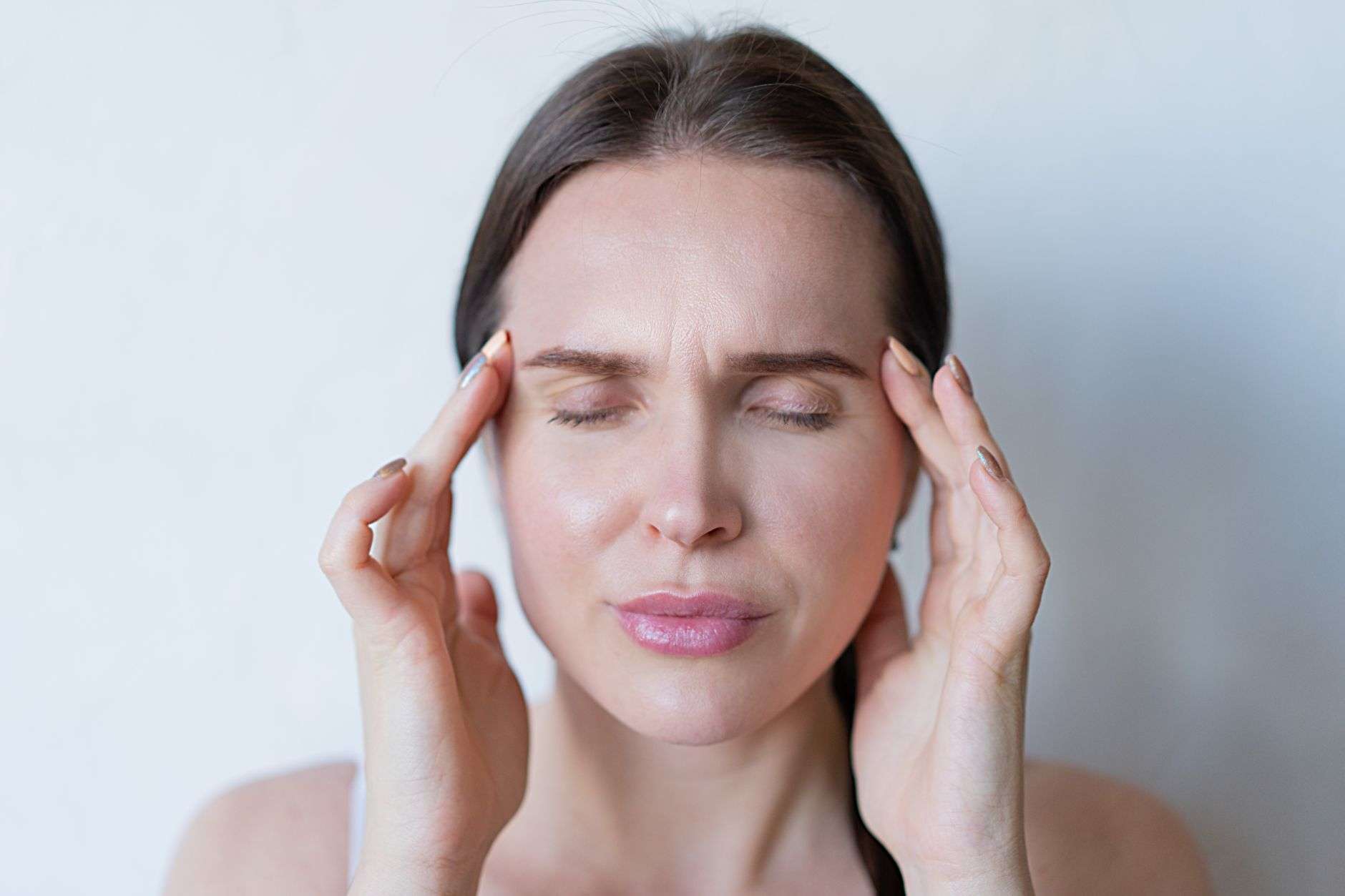
If you get recurring headaches, you have probably typed some version of “migraine vs tension headache” into Google at 11 p.m. with an ice pack on your neck. It is a fair question, because the two most common headache types feel different, behave differently, and respond to different treatments. Mixing them up is one of the biggest reasons people spend years managing headaches poorly.
This guide walks through the general patterns of tension-type headache, migraine, and a third pattern worth knowing about, the cervicogenic (neck-driven) headache. It also covers what evidence-based care looks like for each, where the neck and jaw fit in, and the warning signs that mean you should see a doctor first. One important note before we start: reading patterns online is not a diagnosis. Only a proper assessment can sort out what is actually driving your headaches.
Key Takeaways
- Tension-type headaches typically feel like a band of pressure on both sides of the head, are mild to moderate, and usually come without nausea. Migraines are often one-sided, throbbing, moderate to severe, worse with activity, and paired with nausea or light sensitivity.
- A third pattern, cervicogenic headache, starts in the neck and refers pain into the head, and it responds well to hands-on physiotherapy and targeted neck strengthening.
- Migraine is a neurological condition that needs medical management first. Physiotherapy and chiropractic care are honest, useful adjuncts that address neck-related triggers and can help reduce frequency for many people.
- Red flags such as a sudden thunderclap headache, headache with fever and a stiff neck, or new neurological symptoms need urgent medical care, not physiotherapy.
What is the difference between a migraine and a tension headache?
Both are called primary headaches, meaning the headache itself is the condition rather than a symptom of something else. But they are very different animals. Tension-type headache is a muscular and stress-linked pattern. Migraine is a genuine neurological condition involving the brain’s pain processing systems, not just tight muscles.
What does a tension-type headache feel like?
Most people describe a tension-type headache as a dull, squeezing pressure, like a tight band or a heavy cap around the head. The general pattern looks like this:
- Pressure or tightness on both sides of the head, often wrapping from the forehead to the back of the skull
- Mild to moderate intensity, annoying but usually not disabling
- No nausea or vomiting, and normal daily activity does not typically make it worse
- Often paired with tight, tender muscles in the neck, shoulders, and scalp
- Frequently builds through the day, especially after long hours at a desk or a stressful stretch
What does a migraine feel like?
Migraine is a different experience entirely. The classic pattern includes:
- Pain that is often one-sided and throbbing or pulsating rather than pressing
- Moderate to severe intensity, often bad enough to stop you from working or functioning
- Pain that gets worse with routine activity like climbing stairs or bending over
- Nausea, sometimes vomiting, and sensitivity to light, sound, or smells
- In roughly a quarter to a third of people, an aura before the pain: visual zigzags, flashing lights, blind spots, or tingling that develops over minutes and fades within an hour
- Attacks that typically last 4 to 72 hours if untreated
Some people also notice a warning phase a day or two before an attack, with yawning, food cravings, neck stiffness, or mood changes. That neck stiffness detail matters, and we will come back to it.
What is a cervicogenic headache, the third pattern worth knowing?
There is a third pattern that gets missed constantly: the cervicogenic headache. This is not a primary headache at all. The pain is referred from the neck, usually from the joints, muscles, and nerves of the upper three vertebrae, and felt in the head.
The general pattern: pain that starts at the base of the skull or neck and spreads up one side of the head, sometimes into the forehead or behind the eye. It is often triggered or worsened by neck movement, awkward sustained postures, or pressing on specific spots in the upper neck. Range of motion in the neck is frequently reduced on one side. People who have had whiplash, a desk-heavy job, or long-standing neck pain with headaches are common candidates.
Why does this matter? Because a cervicogenic headache is mechanical. If the neck is the driver, treating the neck can substantially reduce or resolve the headaches, which is a very different treatment path than migraine medication.
Why does the distinction matter for treatment?
Because the right treatment for one type does very little for another. Taking migraine medication for a neck-driven headache treats the wrong system. Stretching your neck for years when you actually have untreated migraine leaves a neurological condition unmanaged. And treating everything with escalating doses of over-the-counter painkillers can backfire badly, because using them more than about 10 to 15 days per month can itself cause medication-overuse headache.
“The most expensive headache treatment is the one aimed at the wrong headache. Getting the pattern right is half the battle.”
It is also common to have more than one type. Many people with migraine also get tension-type headaches between attacks, and neck dysfunction can act as a trigger for both. That overlap is exactly why self-diagnosis from a blog post, including this one, is unreliable. A thorough assessment that examines your headache history, your neck, your jaw, and your daily patterns is what actually sorts it out.
What does evidence-based treatment look like for tension-type headaches?
For tension-type headache, care that targets the muscles, joints, and habits feeding the pattern has good support:
- Manual therapy. Hands-on treatment of the neck, upper back, and scalp muscles, including joint mobilization and soft tissue work for myofascial trigger points, has been shown in clinical trials to reduce headache frequency and intensity in tension-type headache, particularly when combined with exercise.
- Neck and shoulder strengthening. Progressive strengthening of the deep neck flexors and shoulder blade muscles addresses the endurance problem behind many desk-related headaches, rather than just rubbing the sore spots.
- Posture and workstation changes. Not perfect posture, but less time frozen in one position. Movement breaks, screen height, and chair setup all shrink the daily load on the neck.
- Stress and sleep. Tension-type headache is tightly linked to stress, jaw clenching, and poor sleep. Relaxation training, breathing work, and sleep habits are legitimate parts of treatment, not fluff.
The goal is not endless maintenance visits. Good care fixes the drivers, teaches you the exercises, and graduates you.
How is a cervicogenic headache treated?
Cervicogenic headache is where physiotherapy and chiropractic care shine, because the problem genuinely lives in the neck. Evidence-based care typically combines:
- Manual therapy for the upper cervical joints, restoring movement in the stiff segments that refer pain into the head
- Specific strengthening, especially the deep neck flexor endurance work shown in research to reduce cervicogenic headache frequency when paired with manual therapy
- Addressing the source: old whiplash, workstation habits, sleeping position, or a jaw that is quietly contributing
At Wellmax, this starts with a 60-minute first assessment, long enough to actually test the upper neck, reproduce and ease your familiar headache, and map out what is driving it. Our chiropractic care for headaches works from the same playbook, and for some patients a combination of physiotherapy and chiropractic works best.
Can physiotherapy or chiropractic care help with migraine?
Here is the honest answer, because you deserve one: migraine needs medical management first. It is a neurological condition, and the biggest treatment wins usually come from a physician-led plan: the right acute medication taken early, preventive medication when attacks are frequent, and trigger management. Physiotherapy does not cure migraine, and anyone who tells you otherwise is overselling.
That said, physiotherapy and chiropractic care are genuinely useful adjuncts for many people with migraine, for three reasons:
- Neck dysfunction is a common trigger. A large share of people with migraine report neck pain around their attacks. When stiff upper-neck joints and weak deep neck muscles keep feeding the system, treating them can reduce how often attacks are set off.
- Frequency and disability can improve. Reviews of manual therapy and exercise in migraine suggest modest reductions in attack frequency and intensity for some patients, comparable in some studies to preventive approaches, and the risk profile is low.
- The overlap problem. Many migraine sufferers also carry a tension-type or cervicogenic component. Clearing that layer often shrinks the total headache burden even while the migraine itself is managed medically.
The best results come from a multidisciplinary approach: your family doctor or neurologist manages the migraine itself, while physiotherapy and chiropractic care manage the neck, posture, and muscular triggers around it. We are comfortable being one part of that team, and we will tell you plainly when a physician needs to lead.
How are the neck and jaw (TMJ) involved in headaches?
The upper neck and the trigeminal nerve system that supplies the head share wiring in the brainstem. That is why irritation in the top of the neck can be felt as head pain, and why neck stiffness so often shows up before or during migraine attacks. It is also why a proper headache assessment always includes the neck.
The jaw is the other overlooked player. Clenching, grinding, and temporomandibular joint (TMJ) dysfunction load the same muscle chains that feed tension-type headaches, and jaw problems commonly refer pain into the temples and around the ears. If your headaches come with jaw clicking, morning jaw tightness, or pain with chewing, the jaw deserves a look. Our team provides dedicated TMJ physiotherapy in Oakville and Mississauga, and lead physiotherapist Gurmeet Rai has over 16 years of experience with advanced training in TMJ care.
One more connection worth knowing: some headache patterns, especially migraine, travel with dizziness or a sense of imbalance. When that is part of your picture, vestibular physiotherapy can address the balance side while the headache plan handles the rest.
When should you see a doctor about your headaches?
Most headaches are not dangerous, but some need urgent medical attention. Do not book physiotherapy for these. Seek urgent medical care if you have:
- A sudden, severe “thunderclap” headache that hits peak intensity within seconds to a minute
- Headache with fever and a stiff neck
- New neurological symptoms: weakness, vision loss, confusion, or slurred speech
- A brand-new headache pattern after age 50
- A new or worsening headache after a head injury
- Headaches that are steadily getting worse over weeks, or that wake you from sleep
Beyond emergencies, see your family doctor if your headaches are frequent, disabling, changing in character, or if you suspect migraine, because prescription options and preventive strategies sit with your physician. A good physiotherapist or chiropractor screens for all of this at the first visit and refers you on when the picture does not fit musculoskeletal care.
What can you do at home in the meantime?
While you wait for a proper assessment, a few low-risk habits help most headache types:
- Break up long sitting every 30 to 45 minutes, even for 30 seconds of movement
- Keep a simple headache diary: when it starts, where it hurts, what you were doing, sleep and stress that day. This is gold for whoever assesses you
- Watch painkiller frequency. If you need them more than a couple of days a week, that itself is a reason to get assessed
- Protect sleep and hydration, the two cheapest headache treatments that exist
- Gentle neck movement and heat for tight shoulders is reasonable. Forceful self-cracking is not
How Wellmax approaches headache care in Oakville
At Wellmax Physiotherapy in Oakville, serving Oakville and Mississauga, headache care starts with a 60-minute first assessment. That hour lets us take a real headache history, screen for red flags, test the upper neck and jaw properly, and figure out which pattern, or combination of patterns, you are actually dealing with.
Treatment is hands-on manual therapy aimed at the root cause, paired with a strengthening plan you can run yourself, and coordination with your doctor when migraine management belongs in physician hands. We also offer chiropractic care for headache patients who benefit from it. The goal is a pain-free graduation, not an endless calendar of visits.
Not sure where to start?
Book a free consultation and we will point you to the right care, with no pressure.
Frequently Asked Questions
How do I know if it’s a migraine or a tension headache?+
Look at the general pattern. Tension-type headaches usually feel like mild to moderate pressure on both sides of the head, without nausea, and activity does not make them worse. Migraines are often one-sided, throbbing, moderate to severe, worse with movement, and come with nausea or sensitivity to light and sound. Patterns overlap, though, and many people have both types, so a proper assessment is the only reliable way to know what you are dealing with.
Can neck problems cause migraines?+
Neck problems do not cause migraine itself, which is a neurological condition, but they are a common trigger. The upper neck and the nerve system supplying the head share connections in the brainstem, which is why neck stiffness so often appears before or during attacks. Treating stiff upper-neck joints and weak deep neck muscles can reduce how often attacks are triggered for many people. Separately, a cervicogenic headache is genuinely caused by the neck and can mimic migraine.
Can physiotherapy help migraines?+
Physiotherapy does not cure migraine, and medical management from your doctor should lead the plan. However, research on manual therapy and exercise suggests modest reductions in attack frequency and intensity for some people, largely by treating the neck-related triggers that set attacks off. It works best as part of a multidisciplinary approach: your physician manages the migraine, and physiotherapy manages the neck, posture, and muscular contributors around it.
What does a cervicogenic headache feel like?+
The typical pattern is pain that starts at the base of the skull or in the neck and spreads up one side of the head, sometimes reaching the forehead or behind the eye. It is often set off or worsened by neck movements or sustained awkward postures, and the neck itself usually feels stiff or restricted on one side. People with past whiplash or long-standing desk-related neck pain are common candidates. It responds well to hands-on treatment of the upper neck plus targeted strengthening.
Why do I get headaches every day?+
Daily or near-daily headaches have several common drivers: chronic tension-type headache, untreated neck dysfunction, jaw clenching, poor sleep, and, very often, medication-overuse headache from taking painkillers more than 10 to 15 days per month. Daily headaches deserve a proper assessment rather than more painkillers, both to rule out anything serious and to find the actual driver. Keeping a simple headache diary before your appointment makes that assessment much more accurate.
Can jaw problems or TMJ cause headaches?+
Yes. The jaw muscles share load and nerve connections with the muscles that feed tension-type headaches, and TMJ dysfunction commonly refers pain into the temples and around the ears. Clues include jaw clicking, morning jaw tightness, tooth grinding, or pain with chewing alongside your headaches. When the jaw is part of the picture, TMJ-focused physiotherapy that treats the jaw and upper neck together tends to work better than treating the head alone.
When is a headache serious enough to see a doctor?+
Seek urgent medical care for a sudden thunderclap headache, headache with fever and a stiff neck, new neurological symptoms such as weakness, vision loss, confusion, or slurred speech, a brand-new headache pattern after age 50, or a new headache after a head injury. Beyond emergencies, see your family doctor if headaches are frequent, disabling, or changing in character, or if you suspect migraine, since prescription and preventive options sit with your physician.
Do I need a referral to see a physiotherapist for headaches in Ontario?+
No. Physiotherapists and chiropractors in Ontario are direct-access providers, so you can book an assessment without a doctor’s referral. Some extended health insurance plans still ask for a referral before they reimburse, so it is worth checking your policy. At Wellmax in Oakville we offer direct billing to most insurers and a free consultation if you want to talk through whether an assessment makes sense for your headaches first.
You Might Also Like


Gurmeet Rai, Registered Physiotherapist
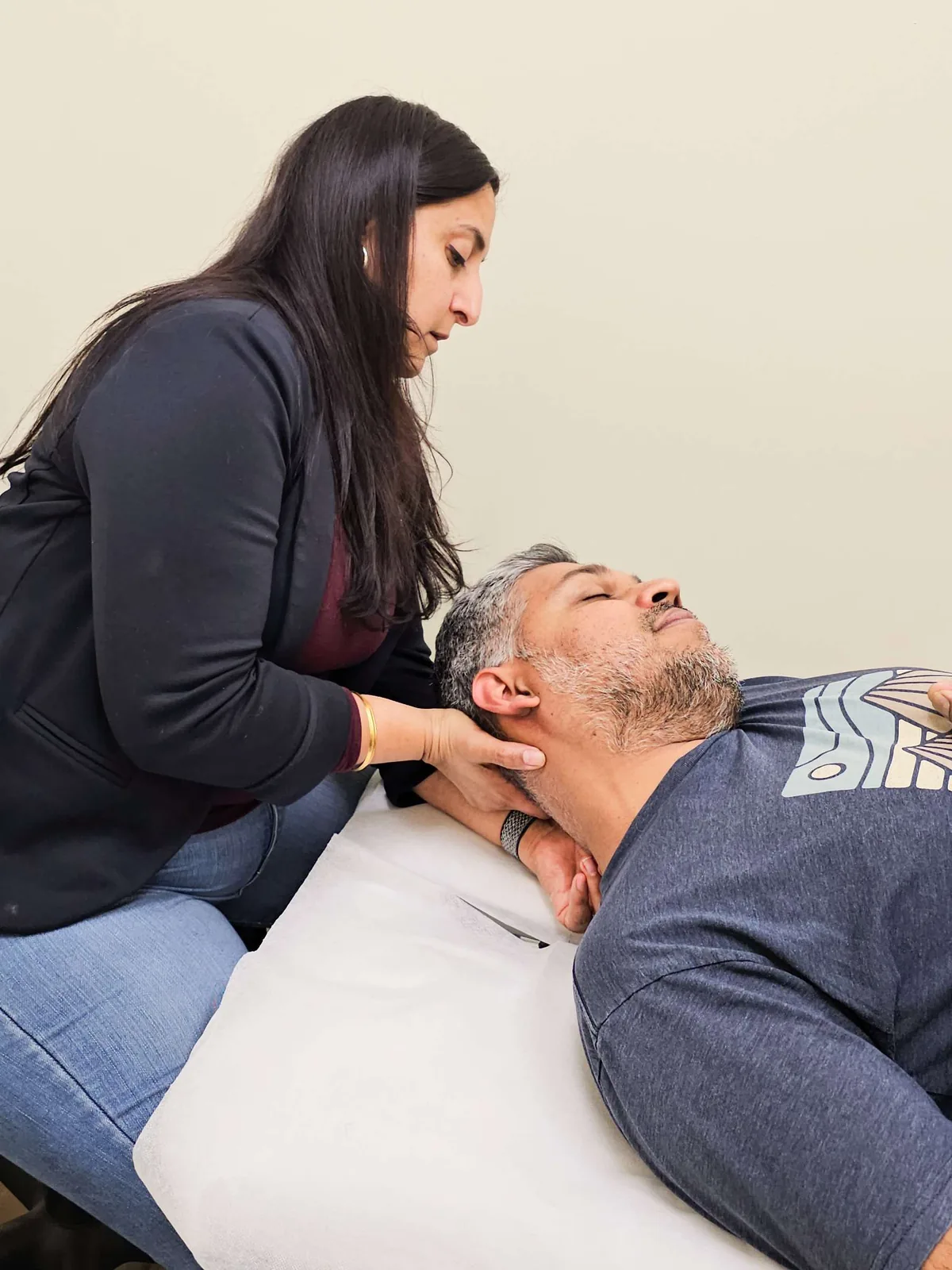
Gurmeet is a Registered Physiotherapist with the College of Physiotherapists of Ontario and the Clinic Director and co-owner of Wellmax Physiotherapy in Oakville, with 16+ years of clinical experience. She focuses on complex, stubborn cases where earlier treatment has not worked, with advanced training in pelvic health, TMJ, vestibular, and sports and MSK rehab. Expect expert care from assessment to discharge, with honest guidance along the way. Read Gurmeet’s full profile or meet the team.
This article is for educational purposes only and does not replace a professional clinical assessment. Every body and condition is different. If you are experiencing pain or symptoms, book an assessment with a qualified clinician for advice specific to your situation. If you are experiencing a medical emergency, call 911 or visit your nearest emergency department.
