
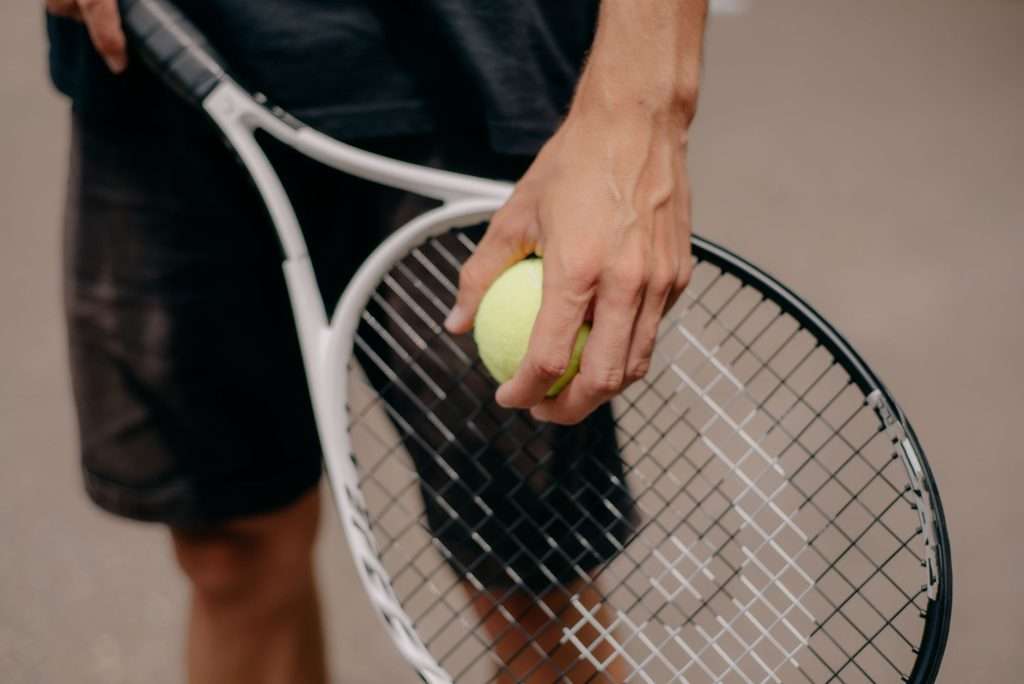
What Carlos Alcaraz’s Wrist Injury Teaches Us About Tendon Recovery
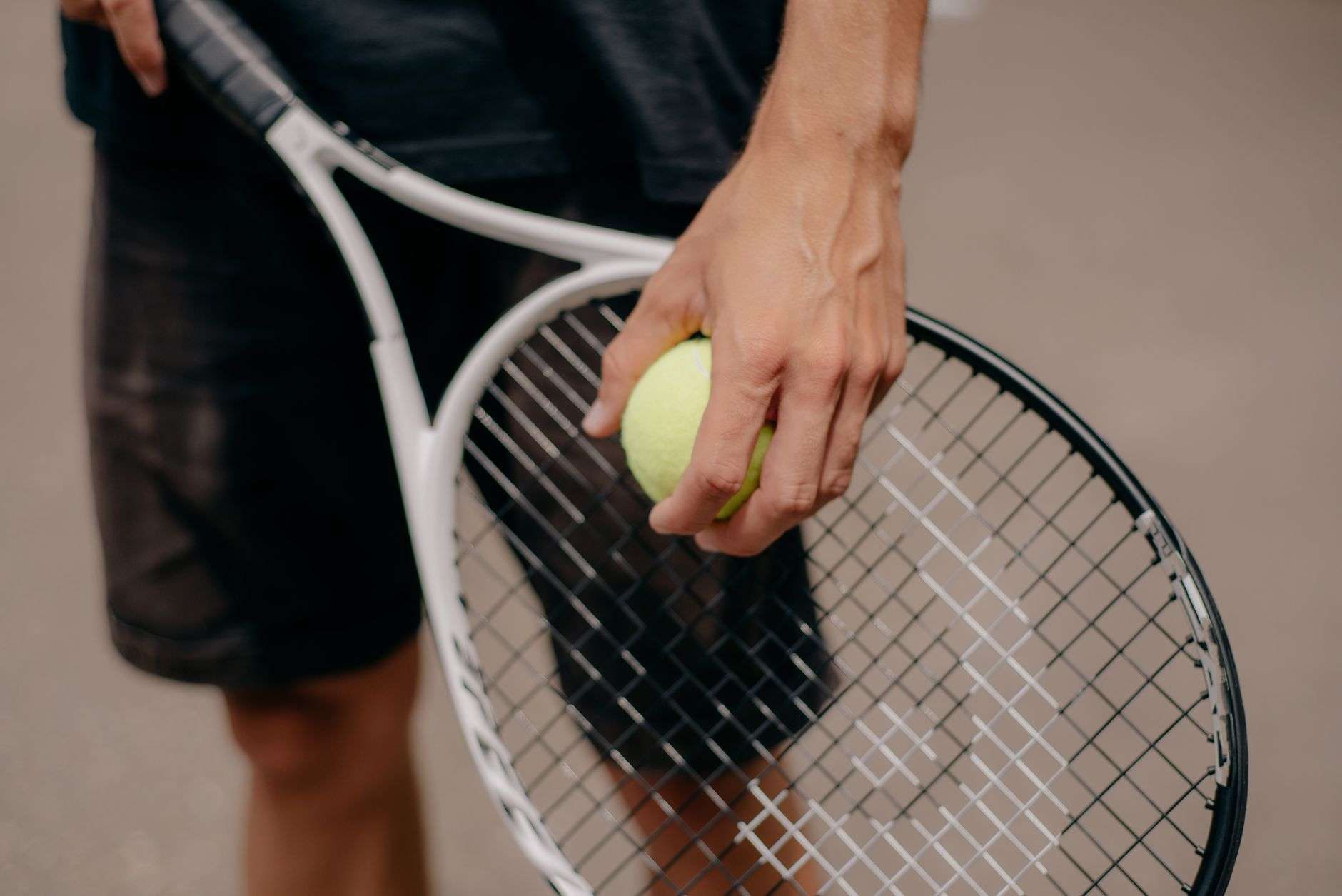
On April 14, 2026, Carlos Alcaraz won his opening match at the Barcelona Open, then quietly withdrew from the tournament. The reason, according to press reports, was pain in his right wrist. Within days his team shared the diagnosis publicly: tenosynovitis, an inflammation of the sheath that a wrist tendon glides through.
What happened next is one of the most useful sports injury stories in years for anyone in Oakville who plays tennis, pickleball, or golf, or who spends the day gripping a mouse, a steering wheel, or a hammer. The best player in the world, backed by a world-class medical team, needed roughly four months to return from an injury first estimated at four to six weeks. There is a lesson hiding in that gap, and it applies directly to your wrist.
Key Takeaways
- Alcaraz’s reported diagnosis was tenosynovitis, an irritated tendon sheath in his right wrist, based on what his team shared publicly around the 2026 Barcelona Open.
- Tendons and tendon sheaths recover based on load tolerance, not the calendar. Going back too early often restarts the clock.
- A smart comeback follows a sequence: relative rest, controlled loading, a progressive return to sport, and fixing contributing factors like grip and technique.
- If an elite athlete with daily medical support needed months, a regular person still sore at week six is on a normal timeline, not a failed one.
What happened to Carlos Alcaraz’s wrist?
Here is the timeline, drawn entirely from public reporting. Alcaraz felt pain in his right wrist around the Barcelona Open in mid-April 2026. Tests followed, and the diagnosis reported by his team and covered widely in the tennis press was tenosynovitis of the right wrist, an inflamed tendon sheath.
The early estimates quoted in press coverage suggested a typical recovery of four to six weeks for an acute case. Reality had other plans. Alcaraz missed the Madrid and Rome Masters, then Roland Garros, then Wimbledon, and his absence stretched toward four months.
Based on what his team shared publicly, they chose a cautious, conservative rehabilitation plan rather than rushing him back, and no surgery was reported. Press reports described him wearing a wrist brace early in his recovery, then progressing to training without it as the wrist settled. His return was planned for the Cincinnati Masters in August 2026, giving him a runway into the US Open.
When he withdrew from the Madrid Open, Alcaraz explained his thinking in words any weekend athlete should tape to the fridge, as reported by BBC Sport:
“After the tests, we saw that it’s a more serious injury than any of us expected, and I have to listen to my body, so it doesn’t affect me in the future.”
Listen to my body. So it doesn’t affect me in the future. That is the entire philosophy of good tendon rehab in two phrases, spoken by a player with millions of dollars and a Grand Slam title defence on the line. He still chose patience.
What is tenosynovitis, in plain English?
Your wrist tendons are like brake cables on a bike. Each cable slides back and forth inside a housing, and each wrist tendon glides inside a slippery tunnel called a sheath. When everything is healthy, the tendon slides thousands of times a day without complaint.
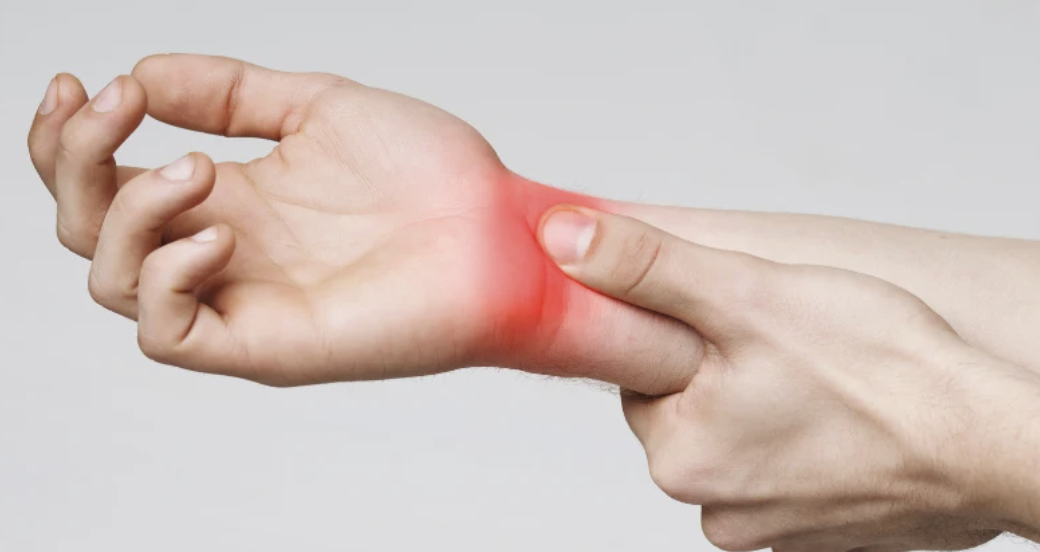
Tenosynovitis, speaking generally, is what happens when that sheath becomes irritated and inflamed, usually from repetitive load the tissue was not prepared for. The tunnel swells, the glide gets sticky, and movements that used to be free now pinch, ache, or catch. For a tennis player, that can mean pain with every wristy forehand. For the rest of us, it can show up while lifting a kettle, twisting a jar lid, or picking up a toddler.
Is this the same thing as tendonitis?
They are cousins. Tendonitis and tendinopathy refer to irritation or overload of the tendon itself, while tenosynovitis involves the sheath the tendon runs through. In real life they often overlap, and the rehab logic is similar: calm the irritation down, then build the tissue’s capacity back up. The same broad thinking applies to tennis elbow, which is a tendon overload problem one joint up the arm.
A famous everyday example: De Quervain’s
One of the most common wrist tenosynovitis patterns affects the tendons on the thumb side of the wrist and is known as De Quervain’s tenosynovitis. It is famous among new parents, who repeatedly lift a growing baby with the wrist bent, and among racquet players and heavy phone users. The pattern is different from what was reported in Alcaraz’s case, but it illustrates the same principle: a repetitive grip-and-twist load, repeated more often than the tissue can tolerate, until the sheath protests.
Why do tendon problems punish impatience?
Muscles are forgiving. Strain a muscle, rest it briefly, and it usually heals in weeks with good blood supply doing the heavy lifting. Tendons and their sheaths are different. They have less blood flow, they adapt slowly, and they respond to one currency above all: load.
Every tendon has a load tolerance, the amount of work it can absorb in a day before it becomes irritated. Healthy rehab slowly raises that ceiling. An early return to sport does the opposite. You feel fine at rest, the pain has faded, so you play a full match, and you hand the tendon a load far above its current tolerance. The irritation flares, and in many cases you are not back where you were last week. You are back near the start.
That is what clinicians mean when they say returning too early restarts the clock. The pain going quiet is not the finish line. It is roughly the halfway point, because the tissue still has to be rebuilt to handle real-world load. This is the exact trap Alcaraz’s team publicly refused to fall into, even with Roland Garros and Wimbledon on the calendar.
Why did the world’s best player need four months for a four to six week injury?
Sit with that number for a second, because it is the most reassuring statistic in sports medicine this year. Alcaraz reportedly had daily access to doctors, physiotherapists, and recovery technology most of us will never see. He still needed roughly four times the optimistic estimate.
That is not a failure of his team. Press reports noted that chronic or stubborn cases of tenosynovitis can take three months or more, and that a demanding sport raises the bar for return. A recreational player needs a wrist that can survive a Saturday doubles match. Alcaraz needs a wrist that can hit a hundred violent forehands a day, every day, for two straight weeks in New York. The stronger the demand, the longer the rebuild.
So if you are at week six of your own recovery and feeling frustrated, reframe it. You are not behind. You are on the same curve as the best athlete on the planet, and the curve simply takes the time it takes.
What does a smart return to activity look like for the rest of us?
You do not need a Grand Slam medical team to copy the structure of a good tendon rehab plan. Speaking generally, a well-run sports injury physiotherapy program moves through four overlapping phases.
Phase 1: Relative rest, not total rest
Relative rest means removing the movements that flare the tissue while keeping everything else moving. Total rest feels safe but actually weakens the tendon further, so it is rarely the answer for long. A brace or splint can be a short-term tool here, exactly as reported early in Alcaraz’s recovery, to take the aggravating positions off the table while daily life carries on. The brace is scaffolding, not the building.
Phase 2: Controlled loading
Once the sharp irritation settles, the tendon needs carefully dosed exercise to rebuild. This usually starts with gentle, slow, resisted movements at a level the tissue tolerates, then progresses in small steps. This phase feels boring and unglamorous. It is also where the actual recovery happens, because load is the signal that tells tendon tissue to reorganize and get stronger.
Phase 3: Progressive return to sport
Instead of jumping from rehab exercises straight into a full match, you rebuild the sport itself in stages. For a racquet athlete that might mean shadow swings, then easy rallying for ten minutes, then longer hitting sessions, then serves and smashes last, since those load the wrist hardest. Reports described Alcaraz progressing from braced recovery to training without the brace before any talk of competition. Same principle, scaled to his level.
Phase 4: Fix what fed the problem
Tendon sheaths rarely flare for no reason. Grip size, an overly wristy stroke, a new racquet or paddle, a sudden jump in playing volume, or long hours of keyboard and mouse work can all quietly stack load on the same few tendons. A good rehab plan hunts down these contributing factors, because calming the wrist without changing the inputs invites a sequel.
What should Oakville tennis and pickleball players take from this?
Oakville’s courts are busier than ever, and pickleball has pulled thousands of adults back into racquet sports after years away. That is fantastic for health and terrible for unprepared wrist tendons, because enthusiasm rises much faster than tissue tolerance. We wrote a full guide to pickleball injuries for exactly this reason.
The practical lessons from the Alcaraz saga translate cleanly to club level:
- Respect the first warning. Alcaraz stopped after one match, based on what was reported, rather than pushing through a Masters swing. A wrist that aches during play is asking for a plan, not a heavier tape job.
- Ramp up volume gradually. Three casual games a week to daily tournament play is the classic recipe for an overload flare. Build up over weeks.
- Get the equipment checked. Grip circumference, racquet or paddle weight, and string tension all change how much force reaches the wrist.
- Treat the quiet phase seriously. The weeks after pain fades are for rebuilding strength, not for immediately booking four matches to make up for lost time.
When should you get a lingering wrist problem assessed?
To be clear, none of this article can tell you what is going on in your wrist, and reading about a famous athlete’s diagnosis is not a reason to assume yours matches it. Wrist pain has many possible sources, and the right plan depends on what an assessment actually finds.
As a general guide, a wrist niggle that has hung around for more than two weeks, keeps returning every time you play, or is changing how you grip, type, or lift deserves a proper look. And some situations deserve prompt assessment rather than waiting it out: wrist pain after a fall or impact, visible deformity, numbness or tingling into the fingers, or night pain that wakes you.
At Wellmax Physiotherapy in Oakville, serving Oakville and Mississauga, wrist and hand pain physiotherapy starts with a full 60-minute first assessment. Lead physiotherapist Gurmeet Rai brings 16+ years of experience and a hands-on manual therapy approach focused on finding the root cause, not just rubbing the sore spot. From there you get a graded plan built around your sport, your job, and your goals.
And in the spirit of the Alcaraz comeback, the goal is a graduation. We want you finishing rehab with a wrist that tolerates full matches again, not a standing appointment forever.
Not sure where to start?
Book a free consultation and we will point you to the right care, with no pressure.
Frequently Asked Questions
What exactly happened to Carlos Alcaraz’s wrist?+
According to press reports, Alcaraz developed pain in his right wrist around the Barcelona Open in April 2026 and withdrew after his opening match. The diagnosis his team shared publicly was tenosynovitis, an inflammation of a tendon sheath in the right wrist. He then missed the Madrid and Rome Masters, Roland Garros, and Wimbledon while following a conservative rehabilitation plan, with no surgery reported.
When is Alcaraz expected back on court?+
Based on press reports at the time of writing, his return was planned for the Cincinnati Masters in August 2026, ahead of his US Open title defence. That put his total absence at roughly four months, well beyond the four to six weeks initially quoted for an acute case. His team publicly emphasized patience and avoiding any setback over an earlier return date.
What is tenosynovitis?+
Speaking generally, tenosynovitis is inflammation of the sheath a tendon glides through, most often triggered by repetitive load the tissue was not prepared for. The swollen sheath makes the tendon’s glide painful or sticky, so gripping, twisting, and lifting can ache or catch. A well-known wrist example is De Quervain’s tenosynovitis on the thumb side of the wrist. Only an assessment can determine whether your symptoms fit this pattern.
How long does wrist tendon irritation usually take to heal?+
Reported estimates in the Alcaraz coverage give a useful general range: acute cases of wrist tenosynovitis were quoted at four to six weeks with conservative care, while chronic or stubborn cases can take three months or more. Timelines vary widely with how long the problem existed, the demands of your sport or job, and how gradually load is rebuilt. An assessment gives you a realistic timeline for your situation.
Can I keep playing tennis or pickleball through wrist pain?+
Pushing through pain that appears during or after play is the classic way to turn a short problem into a long one. Tendons and sheaths recover based on load tolerance, so repeatedly exceeding that tolerance keeps restarting the clock. A better approach is relative rest: pause the aggravating strokes, keep the rest of your training going, and get the wrist assessed so you can follow a graded return instead of guessing.
Will a wrist brace fix the problem?+
A brace can be a helpful short-term tool, and press reports described Alcaraz using one early in his recovery. It reduces irritating positions so the tissue can settle. But a brace does not rebuild strength or fix the contributing factors, like grip, technique, or training volume, that caused the overload. Long-term braces without a loading program tend to leave the wrist weaker, which is why they work best inside a proper rehab plan.
When should I see someone about wrist pain?+
As a general guide, book an assessment if wrist pain has lasted more than two weeks, keeps returning when you play, or is affecting grip, typing, or lifting. Seek prompt assessment for wrist pain after a fall or impact, visible deformity, numbness or tingling into the fingers, or night pain that wakes you. At Wellmax in Oakville, a free consultation is an easy first step, and first assessments run a full 60 minutes.
You Might Also Like

Gurmeet Rai, Registered Physiotherapist
Gurmeet is a Registered Physiotherapist with the College of Physiotherapists of Ontario and the Clinic Director and co-owner of Wellmax Physiotherapy in Oakville, with 16+ years of clinical experience. She focuses on complex, stubborn cases where earlier treatment has not worked, with advanced training in pelvic health, TMJ, vestibular, and sports and MSK rehab. Expect expert care from assessment to discharge, with honest guidance along the way. Read Gurmeet’s full profile or meet the team.
This article is for educational purposes only and does not replace a professional clinical assessment. Every body and condition is different. If you are experiencing pain or symptoms, book an assessment with a qualified clinician for advice specific to your situation. If you are experiencing a medical emergency, call 911 or visit your nearest emergency department.
