
Can Acupuncture Speed Up Injury Recovery? An Honest Evidence Guide
If you are rehabbing a sprained ankle, a pulled hamstring or a cranky shoulder, someone has probably told you to try acupuncture. Maybe a teammate swears by dry needling, or you saw the round cupping marks on an Olympic swimmer and wondered if that is the missing piece. It is a fair question, and it deserves a straight answer instead of a sales pitch.
Here is the honest version: acupuncture and dry needling have real, research-supported effects on pain and muscle tension, and that can genuinely help your recovery. What they do not do is magically speed up tissue healing on their own. This guide walks through what the evidence actually shows for injury recovery, how needling fits inside a proper rehab plan, and how we use it at Wellmax Physiotherapy in Oakville.
Key Takeaways
- The strongest evidence for acupuncture and dry needling in injury recovery is short-term pain relief and reduced muscle tension, not faster tissue healing.
- That pain relief matters because it lets you start progressive rehab exercises sooner, and exercise is what actually rebuilds injured tissue.
- Traditional acupuncture and dry needling use similar needles but different logic: one follows traditional point maps, the other targets tight muscle trigger points.
- Needling is an adjunct, never a replacement for a rehab plan. It is avoided or adapted with bleeding disorders, blood thinners, certain points in pregnancy, and active infection.
What is acupuncture, and how is it different from dry needling?
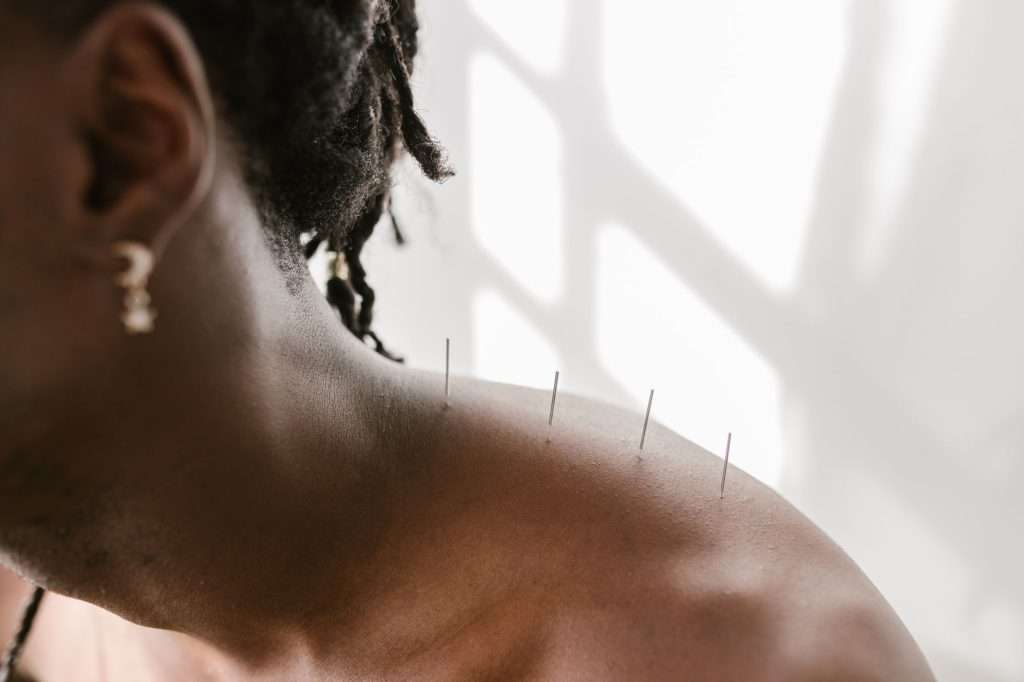
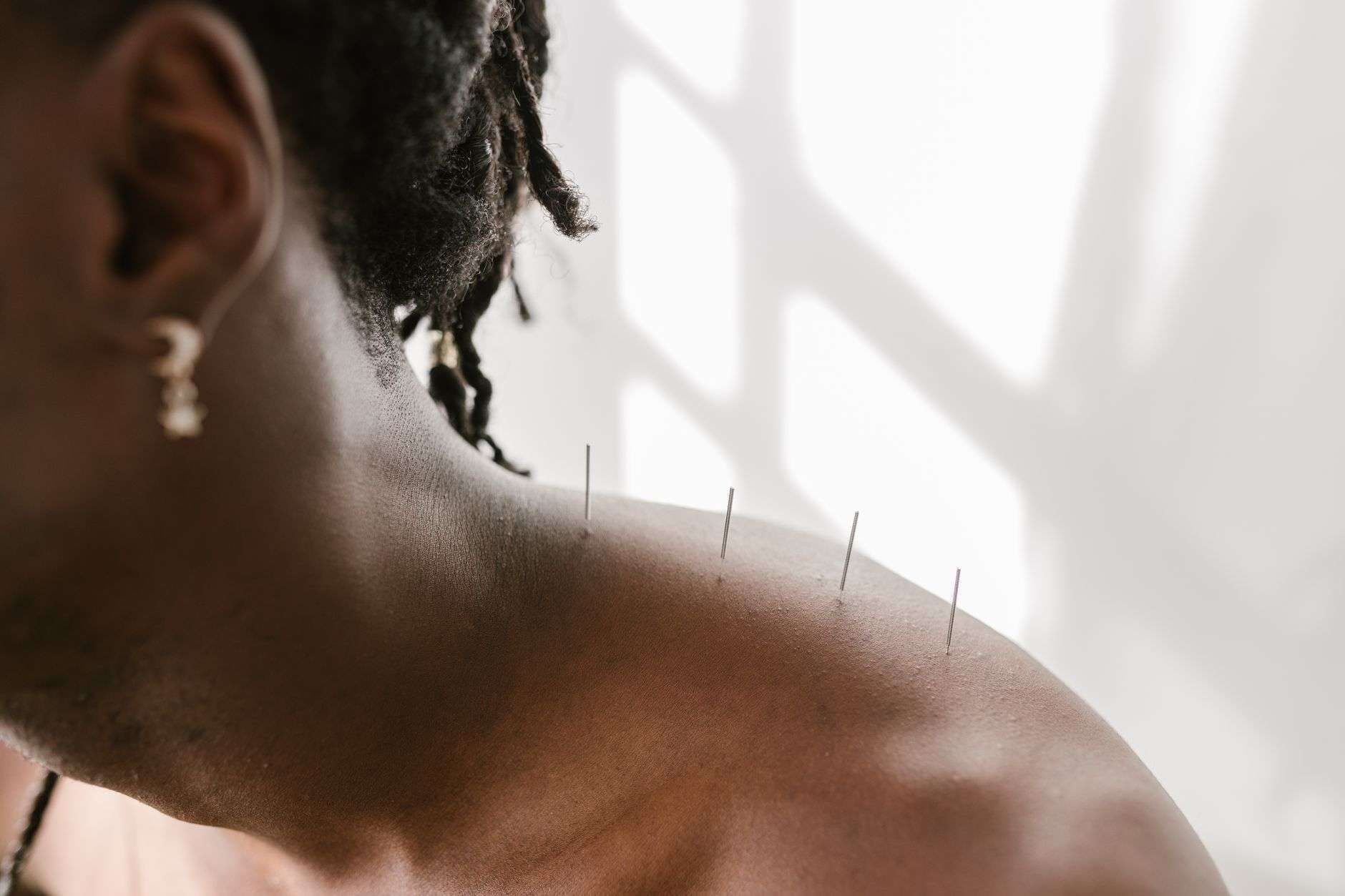
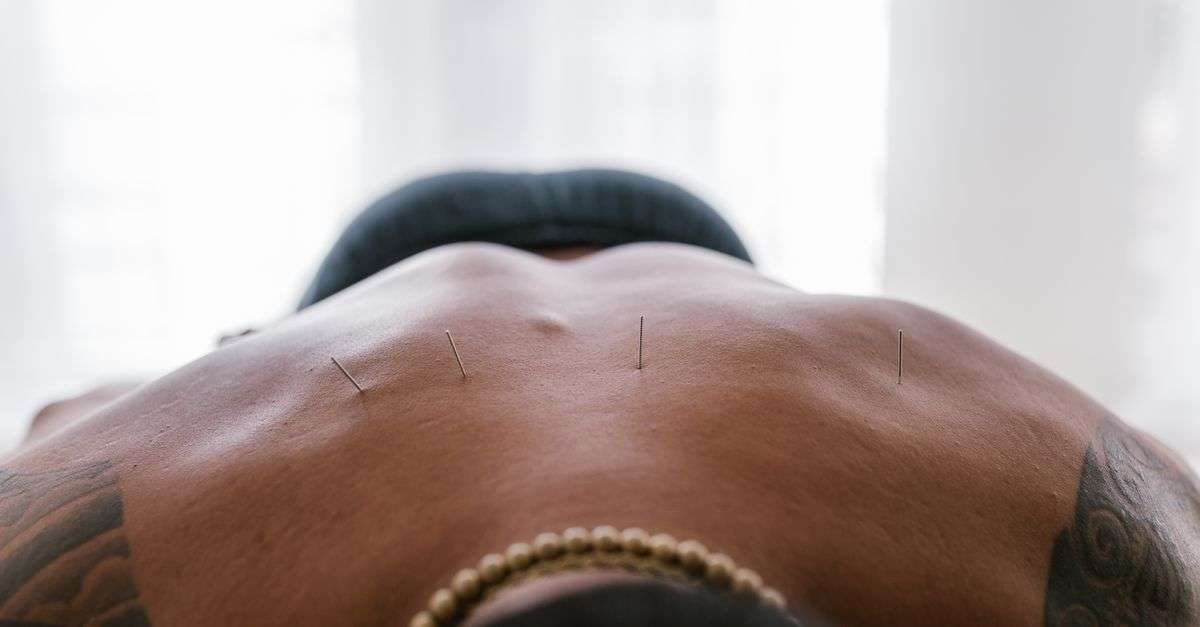
Both treatments use the same tool: very fine, sterile, single-use needles, far thinner than the needles used for injections or blood draws. The difference is the reasoning behind where the needles go.
Traditional acupuncture
Traditional acupuncture comes from Chinese medicine and places needles at established points across the body. The classical explanation involves energy pathways, but the modern, measurable effects are neurological: needling stimulates sensory nerves, triggers the release of the body’s own pain-modulating chemicals such as endorphins, and changes how the nervous system processes pain signals.
Western or anatomical dry needling
Dry needling is the Western, anatomy-based cousin. Instead of traditional point maps, the clinician needles specific trigger points, the tight, tender knots that form in overworked or guarding muscle. The goal is to release that tension, improve local blood flow and calm the irritated tissue. It is called “dry” needling simply because nothing is injected.
Where does cupping fit?
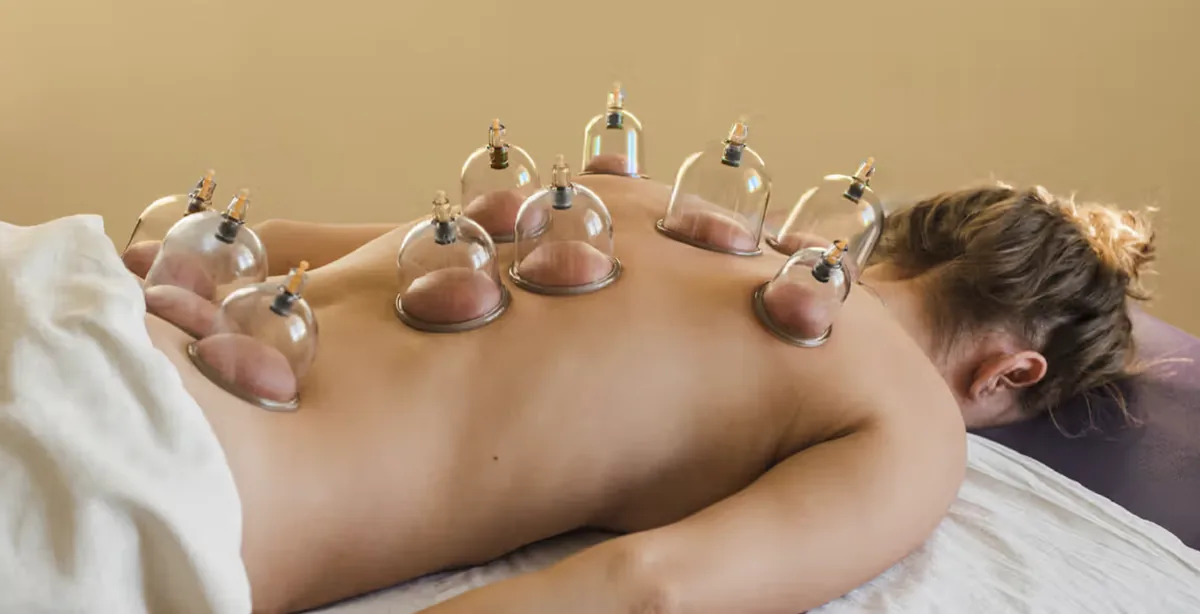
Cupping uses suction cups on the skin instead of needles. The suction gently lifts the skin and superficial tissue, which can ease muscle tightness and feel deeply relieving over broad areas like the back and shoulders. The research base for cupping is thinner than for needling, so we treat it as a comfort and tension tool rather than a healing accelerator.
Can acupuncture actually speed up injury recovery?
This is the question that matters, so let us be precise. “Recovery” has two parts: how the injury feels, and how the tissue itself heals. Needling has good evidence for the first and limited evidence for the second.
What the research supports: short-term pain relief
The most consistent finding across studies is that acupuncture and dry needling reduce pain in the short term, roughly the first several weeks after treatment. Reviews of trigger point dry needling for musculoskeletal conditions show it outperforms sham needling for pain in that window, and it can also reduce muscle tension and improve pressure sensitivity in the treated area.
For a deeper dive into the overall pain evidence, including chronic pain, see our full article on whether acupuncture works for pain. This post stays focused on the injury and sports rehab side.
What about faster tissue healing? Honest answer: the evidence is limited
Here is where we will not oversell. Some lab studies suggest needling may increase local blood flow, and blood flow is part of healing. But there is no strong human evidence that acupuncture makes a ligament, tendon or muscle fibre knit back together faster than it otherwise would.
Tissue healing runs on its own biological timeline. A moderate ankle sprain still needs weeks to remodel whether or not needles are involved. Anyone promising that acupuncture will cut your healing time in half is ahead of the science.
So why do injured athletes still benefit?
Because pain is often the bottleneck in rehab, not the tissue. If needling drops your pain and releases the guarded, spasming muscle around an injury, you can start loading exercises sooner, move more normally, and sleep better. Earlier, better-quality rehab is a proven driver of faster return to sport, and needling can be the thing that unlocks it.
What about muscle soreness after hard training?
For delayed onset muscle soreness, the day-after-leg-day ache, the research is mixed. Meta-analyses have found small effects on soreness at some time points and no significant difference at others. If a recovery session feels good and helps you train again sooner, that is a reasonable use, but the evidence there is weaker than for injury-related pain.
“Needles can turn the pain down. Exercise rebuilds the tissue. Recovery goes best when each tool does the job it is actually good at.”
How does needling fit inside a real rehab plan?
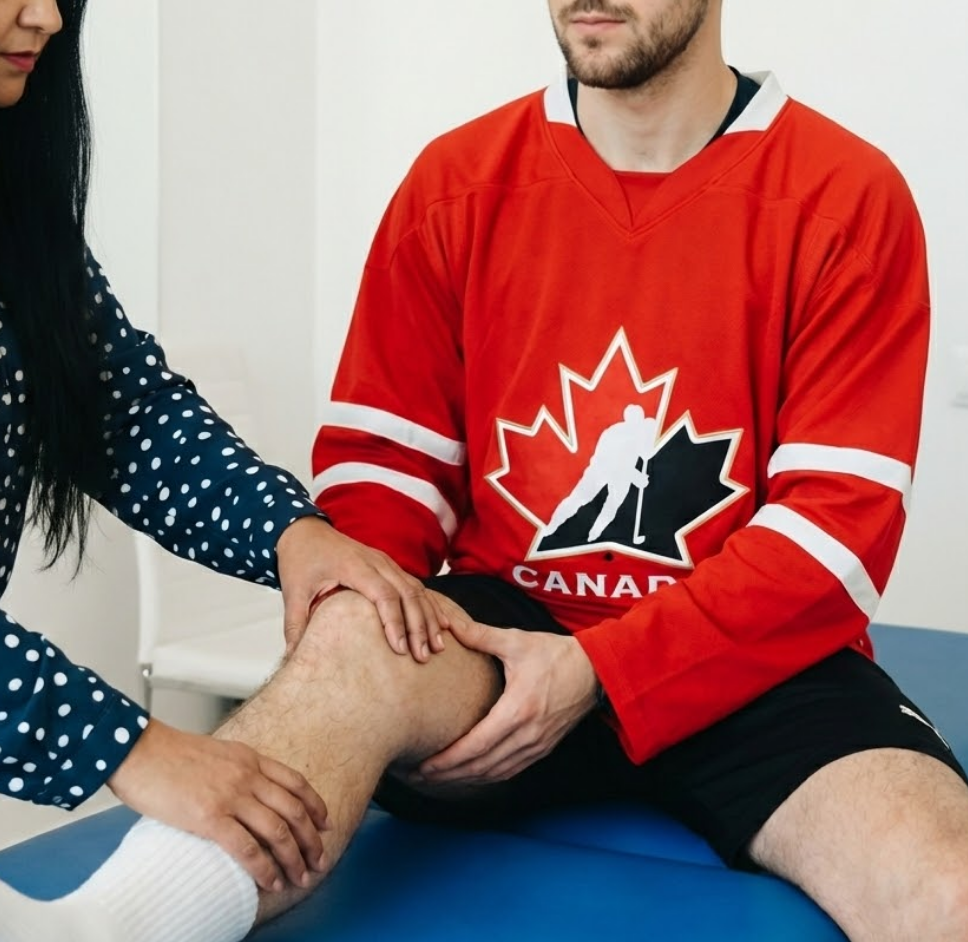
Think of acupuncture and dry needling as adjuncts: useful add-ons that support the main work. The main work, for almost every sprain, strain and sports injury, is progressive loading, which means gradually stronger exercise that rebuilds the tissue’s capacity. No needle replaces that.
In practice, a well-built plan often looks like this:
- Calm things down. Hands-on manual therapy, needling or cupping to reduce pain and muscle guarding in the first phase.
- Restore movement. Mobility and control work while the tissue is still sensitive.
- Rebuild capacity. Progressive strengthening matched to your sport or job demands.
- Return and graduate. Sport-specific loading, then a clear finish line, not endless maintenance visits.
This is exactly how our sports injury physiotherapy programs are structured. Needling might appear in phases one and two, then fade out as exercise takes over.
Which injuries respond best to this combination?
Needling tends to earn its place where muscle tension and pain sensitivity are a big part of the picture. Common examples we see in the clinic include the calf and peroneal tightness that lingers after an ankle sprain, hamstring and quad strains, rotator cuff related shoulder pain, tennis elbow, and the muscle spasm that comes with back pain and sciatica. In each case the needles address the muscular guarding while exercise addresses the underlying capacity.
What does an acupuncture or dry needling session actually feel like?
Most people are surprised by how little they feel on insertion. The needles are hair-thin, and many placements are barely noticeable. With dry needling of an active trigger point, you may feel a brief, deep ache or a quick muscle twitch, which is actually the response we are looking for.
A typical session runs 15 to 30 minutes within your physiotherapy appointment. Needles may be left in place while you rest, or moved gently to release a stubborn trigger point. Afterward, the area can feel heavy or mildly sore for a day, similar to a light workout, and then noticeably looser.
Is acupuncture safe, and who should avoid it?
In trained, regulated hands, acupuncture and dry needling are low-risk. In Ontario, needling is a controlled act, and physiotherapists must complete additional certification and roster with their college before performing it. Needles are sterile and single-use, and the most common side effects are minor: brief soreness, a small bruise, or feeling pleasantly tired afterward.
That said, needling is avoided or adapted in a few situations:
- Bleeding disorders, or blood-thinning medication, where bruising risk is higher
- Pregnancy, where certain points are avoided and technique is modified
- Active infection or broken skin at the treatment area
- Significant needle phobia, lymphedema regions, or certain medical devices, where we simply choose other tools
This is one reason a proper assessment matters. At Wellmax, your first appointment is a full 60-minute assessment where we screen your health history before any needle is considered, and we never diagnose or treat by guesswork.
How does Wellmax combine acupuncture with physiotherapy in one plan?
At Wellmax Physiotherapy in Oakville, serving Oakville and Mississauga, acupuncture and cupping are woven into your physiotherapy plan rather than sold as a separate service. Lead physiotherapist Gurmeet Rai brings 16+ years of experience, and her approach starts with finding the root cause of the problem, not just needling the sore spot.
A typical injury recovery plan here combines hands-on manual therapy, needling or cupping where it genuinely helps, and a progressive exercise program you can follow between visits. Because it is all one plan under one roof, you are not bouncing between providers who do not talk to each other.
Our goal is a pain-free graduation. We want you back to your sport, your runs or your garden, and then we want to discharge you, not book you forever. If needling is not adding value for your injury, we will tell you that honestly and put the time into what is working.
Not sure where to start?
Book a free consultation and we will point you to the right care, with no pressure.
Frequently Asked Questions
Does acupuncture help sprained ankles?+
It can help the pain and the muscle guarding around a sprained ankle, particularly tight calf and peroneal muscles that limit movement. It does not make the ligament itself heal faster. The real value is that lower pain lets you start balance and strengthening exercises sooner, and those exercises are what restore the ankle and reduce re-sprain risk.
How soon after an injury can I get acupuncture?+
Often within the first week, once an assessment has ruled out anything that needs medical care first, such as a fracture. In the very acute stage we usually avoid needling directly into freshly damaged tissue and work around the area instead, targeting the muscles that are guarding and spasming. Your physiotherapist will time it based on how the injury presents.
Acupuncture vs dry needling: what is the difference?+
Both use the same fine, sterile needles. Traditional acupuncture places them at established points from Chinese medicine, while dry needling targets anatomical trigger points, the tender knots in tight muscle. For injury rehab, many physiotherapists blend the two, choosing needle sites based on your anatomy and where your muscles are guarding rather than following one strict system.
Is acupuncture covered by insurance in Ontario?+
Usually, yes. When a registered physiotherapist performs acupuncture or dry needling as part of your treatment, it is typically billed under your extended health plan’s physiotherapy coverage. Some plans also have a separate acupuncture category. At Wellmax we offer direct billing to most major insurers, so check your plan details or ask us to help you confirm your coverage.
How many sessions do I need for an injury?+
Most people notice a change in pain or muscle tightness within one to three sessions. If nothing shifts after three or four, needling is probably not the right tool for your injury and we pivot. Remember it is an adjunct: the total length of your recovery is driven by the injury and your exercise progression, not by the number of needle sessions.
Does cupping actually help sports recovery?+
The research on cupping is limited and mixed. Many athletes find it eases muscle tightness and general soreness over broad areas like the back and shoulders, and it is low-risk when done properly. The circular marks are suction bruising, not damage, and fade within days. We use it as a comfort and tension tool inside a rehab plan, never as the plan itself.
Does acupuncture hurt?+
Insertion is usually painless or a tiny prick, because the needles are far thinner than injection needles. With dry needling you may feel a brief deep ache or a quick muscle twitch at a trigger point, which settles in seconds. Mild heaviness or soreness the next day is common and normal, similar to how a muscle feels after a light workout.
You Might Also Like
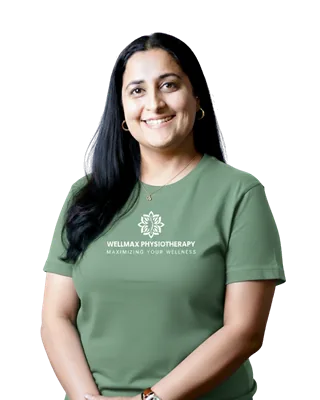
Gurmeet Rai, Registered Physiotherapist
Gurmeet is a Registered Physiotherapist with the College of Physiotherapists of Ontario and the Clinic Director and co-owner of Wellmax Physiotherapy in Oakville, with 16+ years of clinical experience. She focuses on complex, stubborn cases where earlier treatment has not worked, with advanced training in pelvic health, TMJ, vestibular, and sports and MSK rehab. Expect expert care from assessment to discharge, with honest guidance along the way. Read Gurmeet’s full profile or meet the team.
This article is for educational purposes only and does not replace a professional clinical assessment. Every body and condition is different. If you are experiencing pain or symptoms, book an assessment with a qualified clinician for advice specific to your situation. If you are experiencing a medical emergency, call 911 or visit your nearest emergency department.
